The Profession of Arms: A Guide for Young Army Officers
It takes courage, especially for a young officer, to check a man met on the road for not saluting properly or for slovenly appearance, but, every time he does, it adds to his stock of moral courage, and whatever the soldier may say, he has respect for the officer who does pull him up.
Read Document →The Dragon's Teeth: Assessing China's Military Modernization
PLA has focused on modernising its capabilities across all warfare domains to achieve these goals. This includes land, air, and maritime operations, nuclear, space, counter-space, electronic warfare and cyberspace operations, aiming to become a fully integrated joint force.
Read Document →Transforming the PLA: A Decade of reorganisation from SSF to ISF
PRC has engaged in a sustained and broad effort to transform the PLA from an infantry-heavy, low-technology, ground forces-centric military into a high-technology, networked force with an increasing emphasis on joint operations and naval and air power projection.
Read Document →Eyes without Borders: Exploring the World of Open Source Intelligence (OSINT) in the Digital Age
Open Source Intelligence (OSINT) is gaining prominence with the rise of social media, the digital society and the vast growth of publicly and commercially available information (PAI and CAI).
Read Document →
The PLA’s Developing Cyber Warfare Capabilities and India's Options
Informationised warfare blurs the lines between peacetime and wartime. A nation in the information age cannot wait for the hostilities to break out to collect intelligence, carryout influence operations, develop antisatellite systems or design computer software weapons.
Read Document →
Galwan and After
Why did China did this when he is under tremendous pressure in all fronts, is this China's salami slice tactics being progressed rigorously, what will be new Rules of Engagement, what will be escalatory control mechanism, who has taken this decision, will there be some pressure put by China in India's North-East through insurgency.
Read Document →
India’s Joint Doctrine for Cyberspace Operations: A Critical Review
Chief of Defence Staff (CDS) General Anil Chauhan and Secretary, Department of Military Affairs, formally released declassified versions of the Joint Doctrines for Cyberspace Operations during the Chiefs of Staff Committee meeting in New Delhi.
Read Document →
Know your Enemy General(now Field Marshal) Syed Aseem Munir
Gen SA Munir's position in the hierarchy of Pakistan was not very comfortable. The state of economy, insurgency in Pakhtoonistan and Balochistan, attack on the Jaffar Express, constant protests by supporters of Imran Khan's supporters inside and outside of parliament.
Read Document →
Decoding Operation SINDOOR: Key Aspects and Implications
Precision strikes were carried out on nine sites—four in Pakistan and five in PoK—linked to anti-India terrorist groups such as the LeT, JeM and the Hizbul Mujahideen. The targeted sites included Muridke (LeT headquarters) and Bahawalpur (JeM headquarters).
Read Document →
Chinese Cyber Exploitation in India's Power Grid - Is There a linkage to Mumbai Power Outage?
The New York Times (NYT), based on analysis by a U.S. based private intelligence firm Recorded Future, reported that a Chinese entity penetrated India’s power grid at multiple load dispatch points. Chinese malware intruded into the control systems that manage electric supply across India, along with a high-voltage transmission substation and a coal-fired power plant
Read Document →22 August 2015
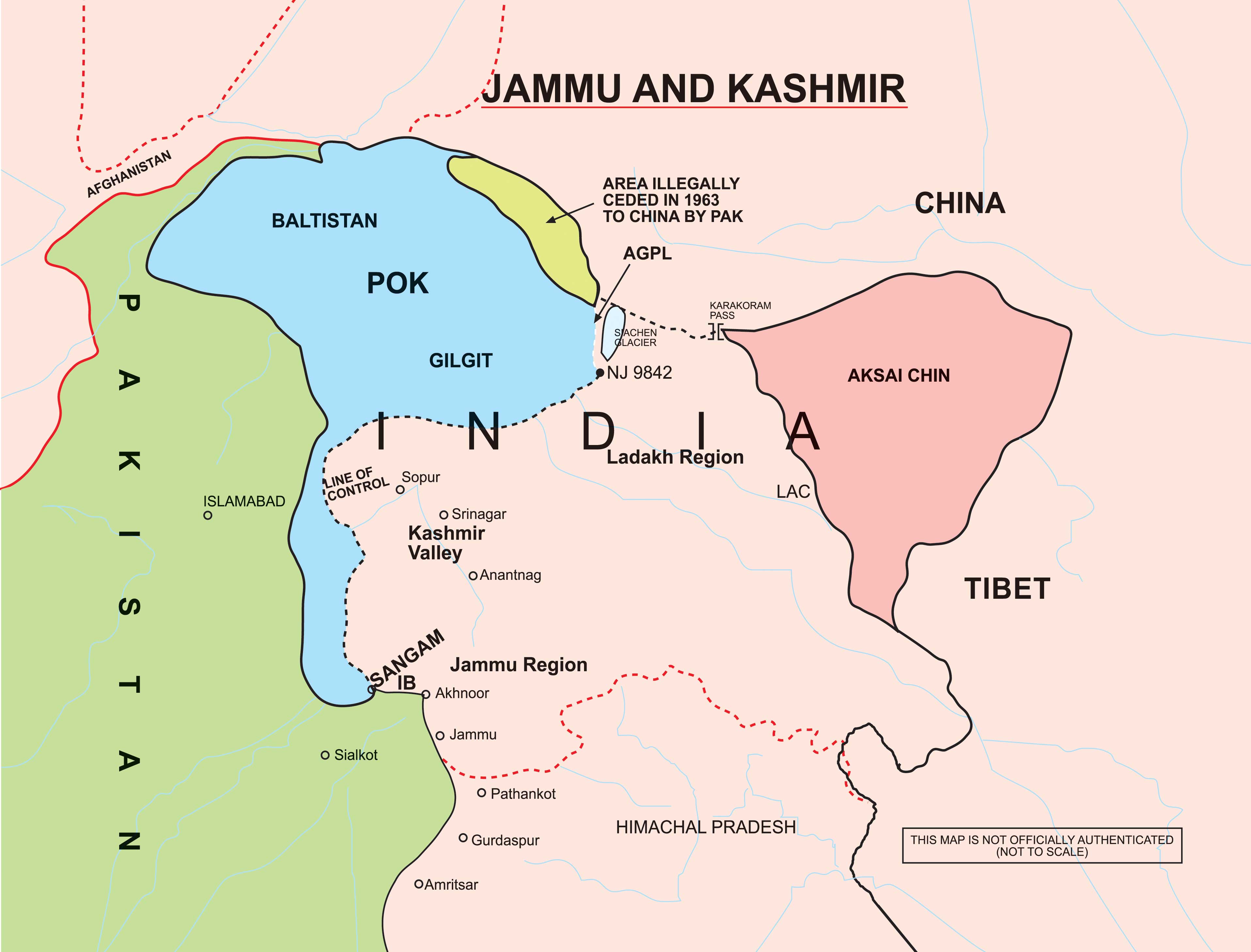
The Quest for a Solution to the Kashmir Problem
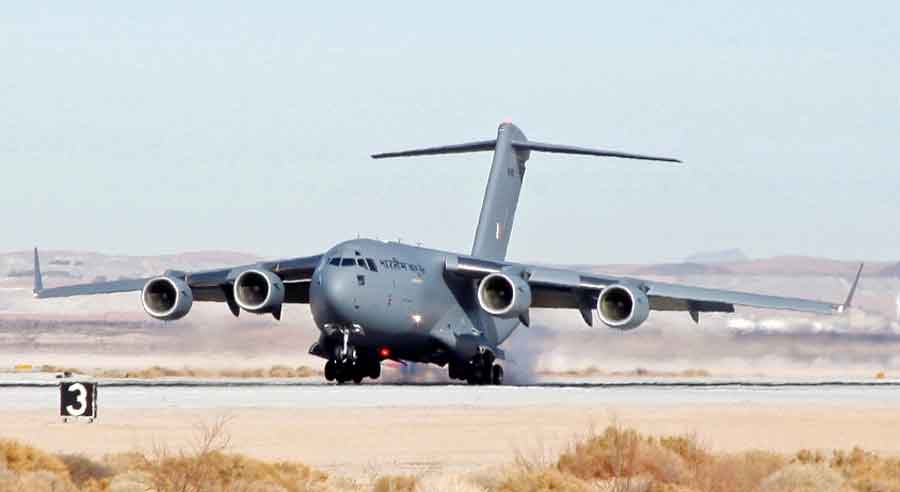
Strategic Airlift Capability for India
India's Achilles' Heel
On July 27, three gunmen in military fatigues marched into a police station in Gurdaspur, an urban district in the Indian border state of Punjab. After an 11-hour gun battle, all three terrorists were killed—but so were nine civilians and police personnel. The state had not seen any significant terrorist violence since the 1980s, when a vicious ethno-religious insurgency between Sikhs and Hindus ended. According to the Indian Ministry of Home Affairs, based on evidence collected from GPS devices taken from the scene, the terrorists had come from Pakistan.US Set to Suspend Military Aid to Pakistan
An Unworthy Ally
Is Peace Possible in Afghanistan?
The first seven months of 2015 saw unprecedented movement toward peace in Afghanistan. A series of unofficial meetings between the Taliban and the Afghan government culminated in an official meeting in Pakistan on July 7. A second meeting was scheduled for July 31. The gatherings were preliminary, but real peace talks appeared close at hand. Then, on July 29, the world learned of the death of Taliban leader Mullah Omar.WHO IS MULLAH AKHTAR MANSOOR?
Don't Forget Land Wars in Asia
Vietnam Warns of Coming Economic Bombshell for Mainland Southeast Asia
Dark Clouds Over Asia
THE DANGER OF HISTORICAL ANALOGIES: THE SOUTH CHINA SEA AND THE MAGINOT LINE
Should the Philippines’ South China Sea Case Against China Proceed?
3 Directives From China's President That Aren't Being Followed
When the US and China Were Allies
Have Russia and China Signed a Cyber Nonaggression Pact?
China, South Korea Not Convinced by Abe's WW2 Anniversary Speech
Confronting the China Challenge
China Hits the Wall
For the first time since 2008, economic alarm bells are ringing in China. Hard on the heels of a two-month stock market rout, the Chinese yuan lost nearly five percent of its value in just two days. The stock market might have rebounded, but the economy is still in trouble. Three and a half decades of easy profits from one-way bets on China's reintegration with the outside world have come to an end. China is now part and parcel of the global economy, and the normal laws of economic gravity apply in China, too. The first of those laws is that there's no such thing as a free lunch.Kaldor’s Theory of Speculation: An Overview
The Coming Battle for Ramadi; Checkers Versus Chess
Tajikistan, Turkey and the Gรผlen Movement
Is Turkmenistan Opening Up?
The Arab-Israeli courtship
AUGUST 12, 2015
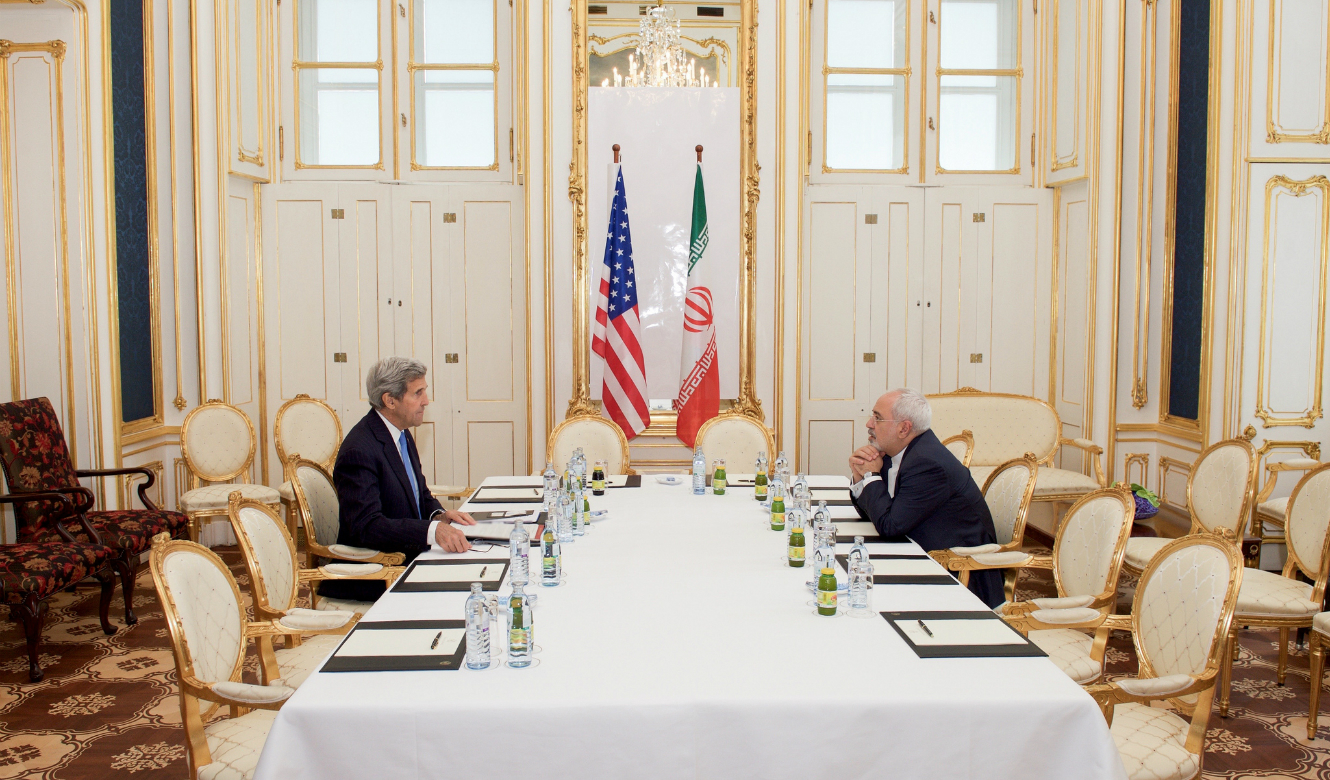
TO STEM THE TIDE: NUCLEAR HISTORY, AMERICAN INTERESTS, AND THE IRAN DEAL
Ukraine Reform Monitor: August 2015
The Scholar as Secretary
Ashton Carter has an unusual background for a secretary of defense. Before assuming the United States’ top military post in February, he studied medieval history and particle physics as an undergraduate at Yale, got a Ph.D. in physics as a Rhodes scholar at Oxford, and taught international affairs at Harvard. He also served as an assistant secretary of defense in the Clinton administration and as an undersecretary and then the deputy secretary of defense under President Barack Obama. Since becoming secretary, Carter has displayed an unusual bluntness, openly criticizing Iraq’s military forces and talking tough to adversaries such as China and Russia. In his first full-length print interview since becoming secretary, Carter met with Foreign Affairs managing editor Jonathan Tepperman in his Pentagon office in early July.Myanmar’s Elections: Jostling for Power
Export Slump Pressures Asian Currencies
Researchers look sideways to crack SIM card AES-128 encryption
Yu Yu (yes, that is my real name, he joked) is a research professor with Shanghai Jiao Tong University who has spent the last year finding out how to crack the encryption codes on 3G and 4G cards. These use AES-128, which is supposed to be virtually unbeatable by a brute-force attack, but turns out to be easy to defeat using side-channel analysis.