The Profession of Arms: A Guide for Young Army Officers
It takes courage, especially for a young officer, to check a man met on the road for not saluting properly or for slovenly appearance, but, every time he does, it adds to his stock of moral courage, and whatever the soldier may say, he has respect for the officer who does pull him up.
Read Document →The Dragon's Teeth: Assessing China's Military Modernization
PLA has focused on modernising its capabilities across all warfare domains to achieve these goals. This includes land, air, and maritime operations, nuclear, space, counter-space, electronic warfare and cyberspace operations, aiming to become a fully integrated joint force.
Read Document →Transforming the PLA: A Decade of reorganisation from SSF to ISF
PRC has engaged in a sustained and broad effort to transform the PLA from an infantry-heavy, low-technology, ground forces-centric military into a high-technology, networked force with an increasing emphasis on joint operations and naval and air power projection.
Read Document →Eyes without Borders: Exploring the World of Open Source Intelligence (OSINT) in the Digital Age
Open Source Intelligence (OSINT) is gaining prominence with the rise of social media, the digital society and the vast growth of publicly and commercially available information (PAI and CAI).
Read Document →
The PLA’s Developing Cyber Warfare Capabilities and India's Options
Informationised warfare blurs the lines between peacetime and wartime. A nation in the information age cannot wait for the hostilities to break out to collect intelligence, carryout influence operations, develop antisatellite systems or design computer software weapons.
Read Document →
Galwan and After
Why did China did this when he is under tremendous pressure in all fronts, is this China's salami slice tactics being progressed rigorously, what will be new Rules of Engagement, what will be escalatory control mechanism, who has taken this decision, will there be some pressure put by China in India's North-East through insurgency.
Read Document →
India’s Joint Doctrine for Cyberspace Operations: A Critical Review
Chief of Defence Staff (CDS) General Anil Chauhan and Secretary, Department of Military Affairs, formally released declassified versions of the Joint Doctrines for Cyberspace Operations during the Chiefs of Staff Committee meeting in New Delhi.
Read Document →
Know your Enemy General(now Field Marshal) Syed Aseem Munir
Gen SA Munir's position in the hierarchy of Pakistan was not very comfortable. The state of economy, insurgency in Pakhtoonistan and Balochistan, attack on the Jaffar Express, constant protests by supporters of Imran Khan's supporters inside and outside of parliament.
Read Document →
Decoding Operation SINDOOR: Key Aspects and Implications
Precision strikes were carried out on nine sites—four in Pakistan and five in PoK—linked to anti-India terrorist groups such as the LeT, JeM and the Hizbul Mujahideen. The targeted sites included Muridke (LeT headquarters) and Bahawalpur (JeM headquarters).
Read Document →
Chinese Cyber Exploitation in India's Power Grid - Is There a linkage to Mumbai Power Outage?
The New York Times (NYT), based on analysis by a U.S. based private intelligence firm Recorded Future, reported that a Chinese entity penetrated India’s power grid at multiple load dispatch points. Chinese malware intruded into the control systems that manage electric supply across India, along with a high-voltage transmission substation and a coal-fired power plant
Read Document →20 August 2019
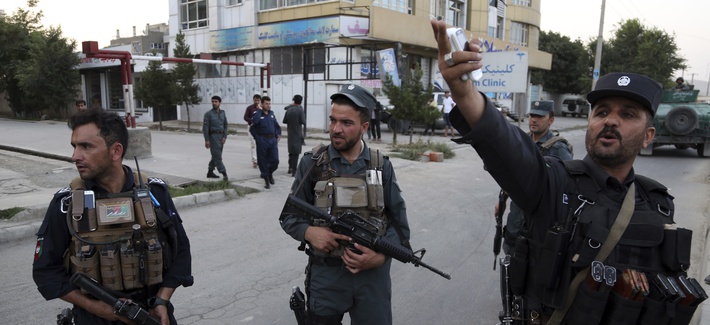
The US can't seem to live without Afghanistan
The draft Afghan peace plan, explained
KABUL — The proposed Afghan peace deal presented Friday to President Trump by the administration’s top peace negotiator would accomplish the president’s major goal of beginning to withdraw thousands of U.S. forces from the country, after nearly 18 years of fighting and just over 2,400 U.S. personnel killed. U.S. Seeks to Reassure Afghan Military Amid Uncertainty Over Peace Deal
In Afghanistan, Is Sirajuddin Haqqani Ready for Peace?
In peace talks with the Afghan Taliban, the United States should not fail to address the evolution of the Haqqani-al-Qaeda nexus.The U.S. Shouldn’t Stumble Out of Afghanistan
As the United States seeks to finalize a deal with the Taliban, it must reconcile two discordant truths: One is that the United States grievously erred in thinking it could defeat an insurgency in Afghanistan and should have negotiated its military withdrawal much sooner, and the other is that the deal it negotiates now might increase rather than lessen the violence. Will Hong Kong Survive China's Crackdown?
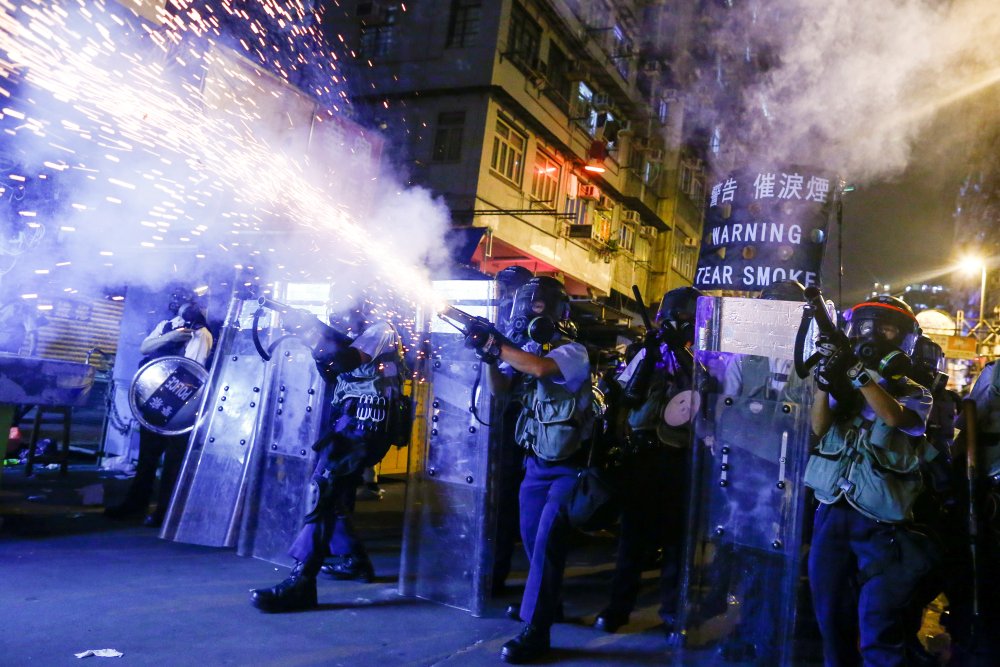
Perhaps the greatest threat to liberty is disorder. Not because chaos necessarily begets violence. But because the fear of lawlessness often encourages repression.Underestimating China’s nuclear threat
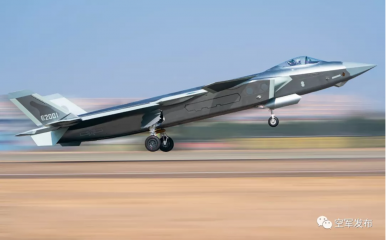
China's J-20 Stealth Fighter Today and Into the 2020s
The South China Sea Island China Gave Away
How a Crackdown in Hong Kong Would Reverberate, From Shanghai to Taiwan
A drive to the airport in Shanghai from an outlying suburb earlier this week revealed an entirely new city to me. Brand new high-rise apartments rose in thick clusters in the near distance, as new access roads zigged, zagged and looped around new train and subway stations.Counting the international costs of Huawei exclusion
Israel’s Massive Self-Own
Unveiling the Role of Women in Jihadist Groups
The Cybersecurity 202: Hackers just found serious vulnerabilities in a U.S. military fighter jet
LAS VEGAS — In a Cosmopolitan hotel suite 16 stories above the Def Con cybersecurity conference this weekend, a team of highly vetted hackers tried to sabotage a vital flight system for a U.S. military fighter jet. And they succeeded. Fracking Has Less Impact On Groundwater Than Traditional Oil And Gas Production
How Trump Can Avoid War with Russia
After a Deadly Collision, the Navy Is Ditching Complex Digital Warship Controls
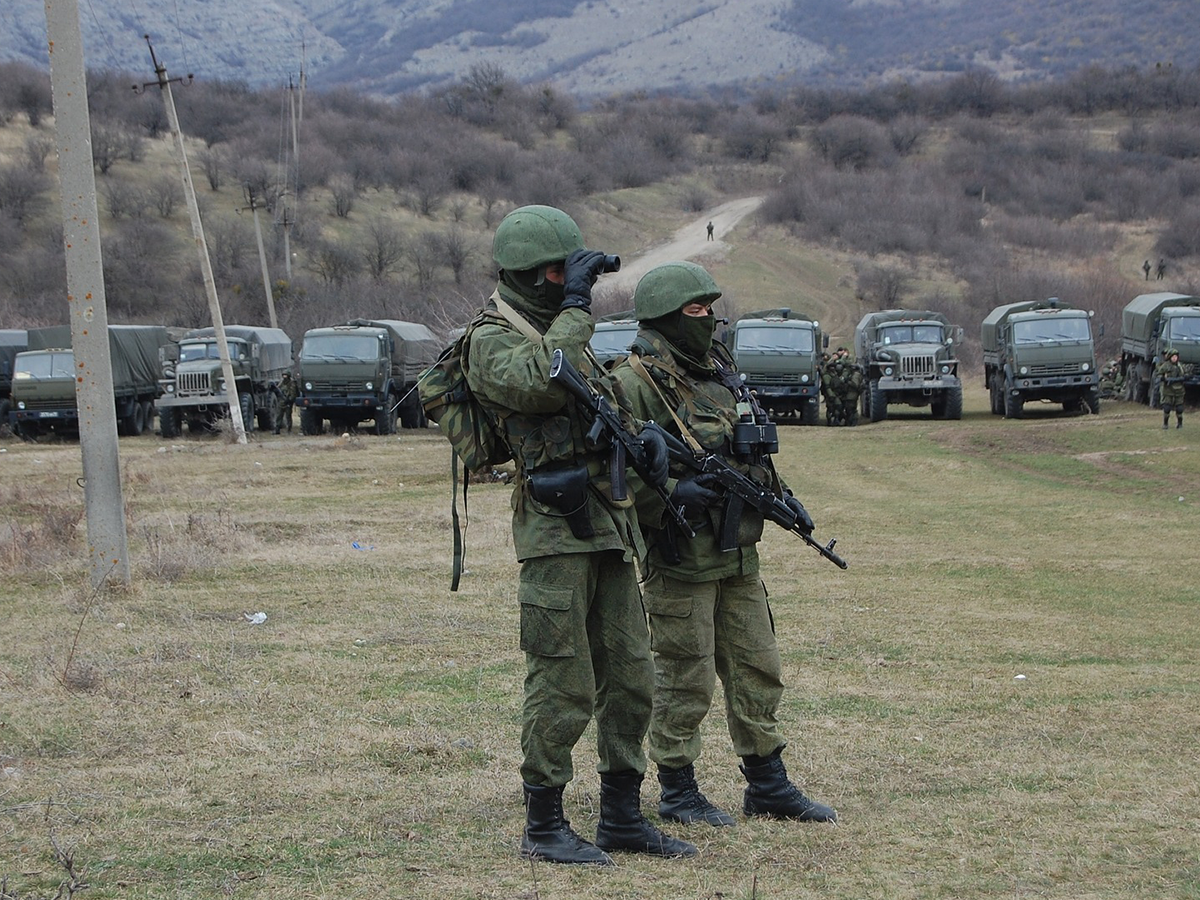
Deterring Hybrid Threats: The Need for a More Rational Debate
Michael Rรผhle writes that following Russia’s use of hybrid warfare in Ukraine, it wouldn’t take long before the Western strategic community would examine how to best deter hybrid threats. After all, deterrence was the central paradigm of Western security throughout the Cold War. However, Rรผhle contends that this examination is being held back by the West’s own debate on hybrid warfare, which is characterized by alarmism, fuzzy terminology and sweeping generalizations. In response, he here outlines five key factors hindering this debate and their implications for hybrid threats deterrence policy.Sanctions: The New Economic Battlefield
Fast and Furiously Accurate
Infographic Of The Day: The World's 86 Trillion Economy Visualized In One Chart

The World Is Reaping the Chaos the British Empire Sowed

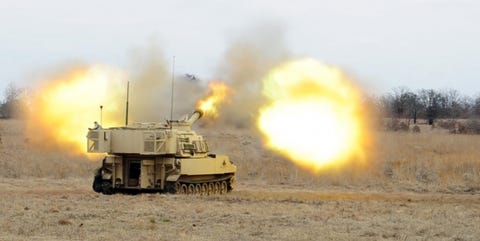
The U.S. Army Is Creating Artillery Rounds Guided By AI
The U.S. Army is working on a new artillery shell capable of locating enemy targets, including moving tanks and armored vehicles. The shell, called Cannon-Delivered Area Effects Munition (C-DAEM), is designed to replace older weapons that leave behind unexploded cluster bomblets on the battlefield that might pose a threat to civilians. The shell is designed to hit targets even in situations where GPS is jammed and friendly forces are not entirely sure where the enemy is.Artificial Intelligence: A new weapon in the cyber security arms race
The cyber security threat is constant and real. Entire businesses, large enterprises and even whole cities have been vulnerable to these attacks.Army Struggles To Man New Cyber/EW Units: GAO
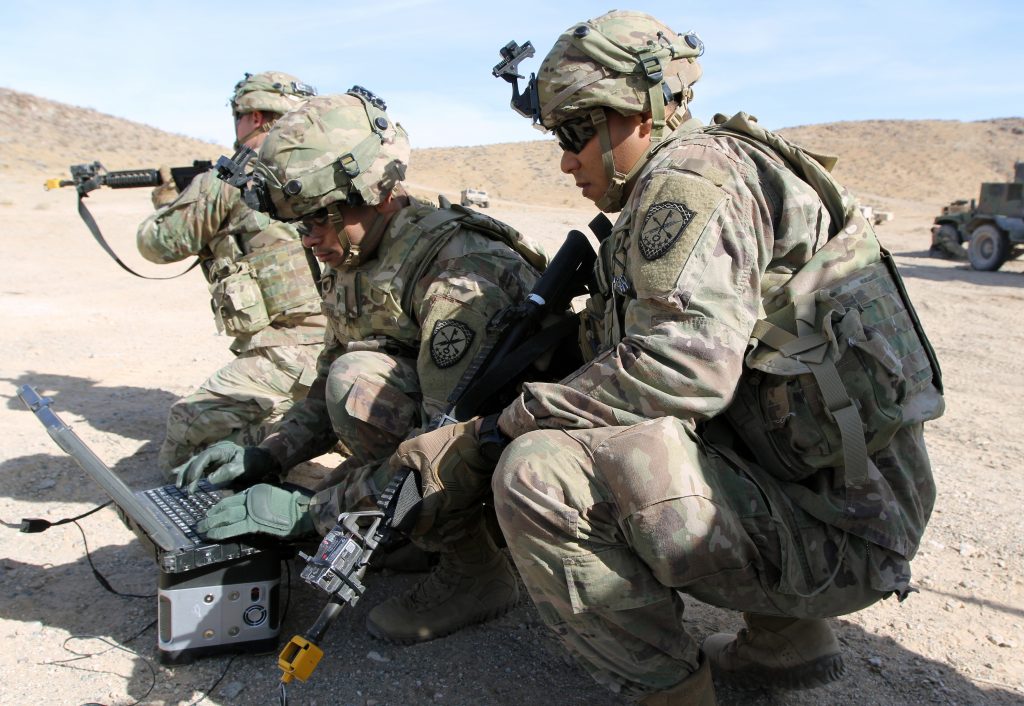
WASHINGTON: Two elite Army cyber/electronic warfare units — critical components of its plans for high-tech war — have struggled to fill their ranks, the Government Accountability Office reported Thursday. As of March, only 18 percent of the required personnel were in place at the 915th Cyber Warfare Support Battalion (CWSB) in Fort Gordon, Ga. On the opposite coast, at Fort Lewis, Wa., the Intelligence, Information, Cyber/Electronic Warfare, & Space (I2CEWS) battalion had managed to reach 55 percent manning, up from 32 percent at its creation in October last year.3 surefire ways to build a better cybersecurity strategy
Data from the Center for Strategic and International Studies paints a sobering picture of the modern cybersecurity landscape. The CSIC, which has been compiling data on cyberattacks against government agencies since 2006, found the United States has been far and away the top victim of cyber espionage and cyber warfare.