The Profession of Arms: A Guide for Young Army Officers
It takes courage, especially for a young officer, to check a man met on the road for not saluting properly or for slovenly appearance, but, every time he does, it adds to his stock of moral courage, and whatever the soldier may say, he has respect for the officer who does pull him up.
Read Document →The Dragon's Teeth: Assessing China's Military Modernization
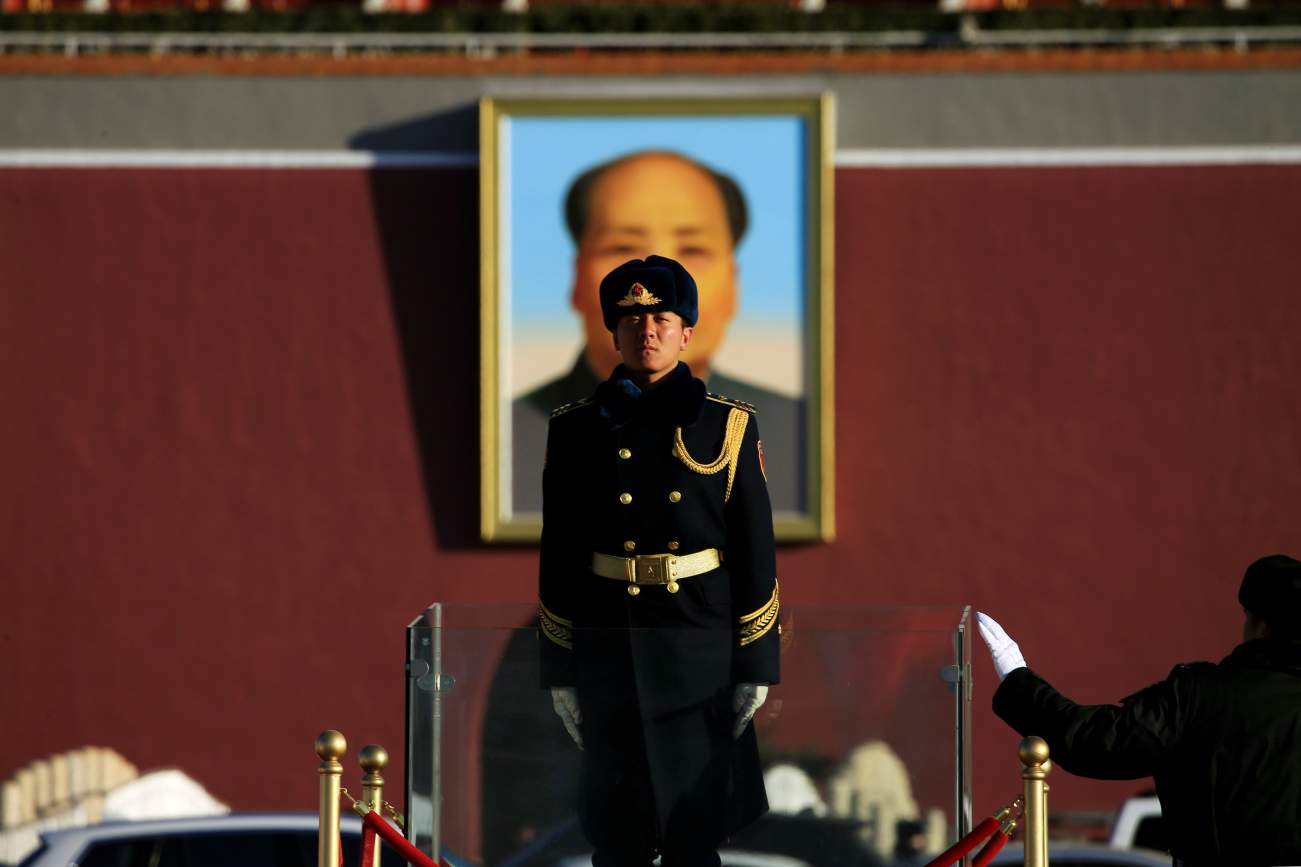
PLA has focused on modernising its capabilities across all warfare domains to achieve these goals. This includes land, air, and maritime operations, nuclear, space, counter-space, electronic warfare and cyberspace operations, aiming to become a fully integrated joint force.
Read Document →Transforming the PLA: A Decade of reorganisation from SSF to ISF
PRC has engaged in a sustained and broad effort to transform the PLA from an infantry-heavy, low-technology, ground forces-centric military into a high-technology, networked force with an increasing emphasis on joint operations and naval and air power projection.
Read Document →Eyes without Borders: Exploring the World of Open Source Intelligence (OSINT) in the Digital Age
Open Source Intelligence (OSINT) is gaining prominence with the rise of social media, the digital society and the vast growth of publicly and commercially available information (PAI and CAI).
Read Document →
The PLA’s Developing Cyber Warfare Capabilities and India's Options
Informationised warfare blurs the lines between peacetime and wartime. A nation in the information age cannot wait for the hostilities to break out to collect intelligence, carryout influence operations, develop antisatellite systems or design computer software weapons.
Read Document →
Galwan and After
Why did China did this when he is under tremendous pressure in all fronts, is this China's salami slice tactics being progressed rigorously, what will be new Rules of Engagement, what will be escalatory control mechanism, who has taken this decision, will there be some pressure put by China in India's North-East through insurgency.
Read Document →
India’s Joint Doctrine for Cyberspace Operations: A Critical Review
Chief of Defence Staff (CDS) General Anil Chauhan and Secretary, Department of Military Affairs, formally released declassified versions of the Joint Doctrines for Cyberspace Operations during the Chiefs of Staff Committee meeting in New Delhi.
Read Document →
Know your Enemy General(now Field Marshal) Syed Aseem Munir
Gen SA Munir's position in the hierarchy of Pakistan was not very comfortable. The state of economy, insurgency in Pakhtoonistan and Balochistan, attack on the Jaffar Express, constant protests by supporters of Imran Khan's supporters inside and outside of parliament.
Read Document →
Decoding Operation SINDOOR: Key Aspects and Implications
Precision strikes were carried out on nine sites—four in Pakistan and five in PoK—linked to anti-India terrorist groups such as the LeT, JeM and the Hizbul Mujahideen. The targeted sites included Muridke (LeT headquarters) and Bahawalpur (JeM headquarters).
Read Document →
Chinese Cyber Exploitation in India's Power Grid - Is There a linkage to Mumbai Power Outage?
The New York Times (NYT), based on analysis by a U.S. based private intelligence firm Recorded Future, reported that a Chinese entity penetrated India’s power grid at multiple load dispatch points. Chinese malware intruded into the control systems that manage electric supply across India, along with a high-voltage transmission substation and a coal-fired power plant
Read Document →26 September 2019
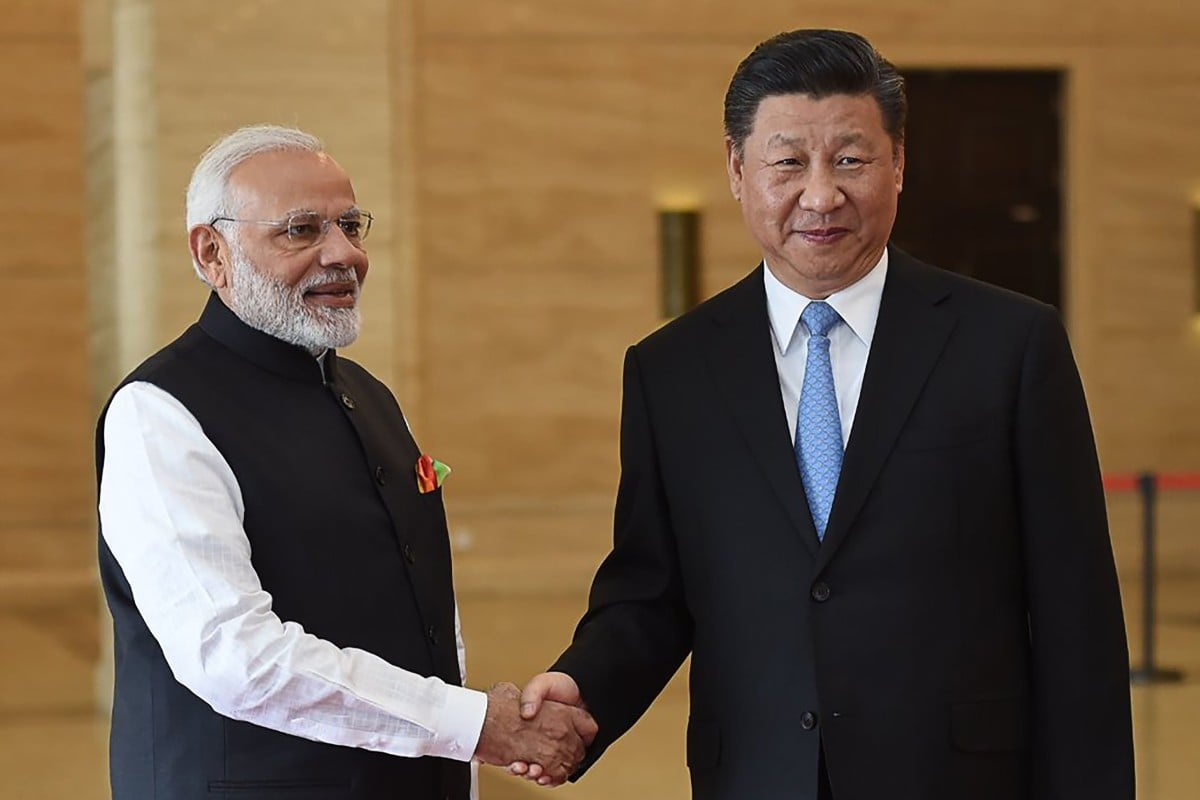
The awkward elephant in the room when Xi and Modi meet
The Observer view on the Afghanistan peace process
Afghanistan’s Road to Peace Still Needs US Leadership
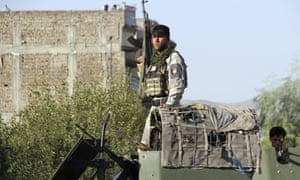
For nearly a year, Washington and the Taliban were engaged in peace talks and had even reached a tentative agreement. In mid-September U.S. President Donald Trump abruptly ended those negotiations. Today, it is unclear if the year-long dialogue will be salvaged. What does remain certain is that U.S. leadership is still needed for long-term sustainable peace. As US-Taliban Peace Process Collapses, an Opportunity for Russia?
On September 9, U.S. President Donald Trump declared that talks with the Taliban were “dead,” after the militant group carried out a car bombing in Kabul which killed a U.S. soldier. Trump’s remarks followed his cancellation of a meeting with the Taliban at Camp David and dashed hopes for a U.S.-Taliban agreement to end the war in Afghanistan. Abdullah Qardash: IS Successor To Al-Baghdadi? – Analysis
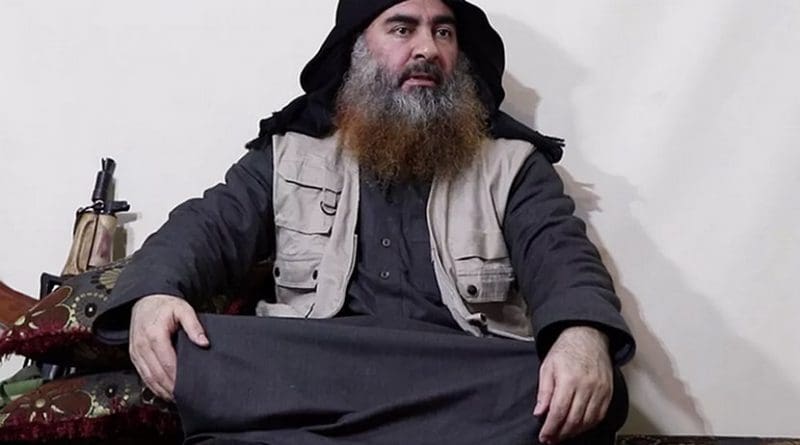
AMAQ, a news agency affiliated with Islamic State (IS), had reported on 7 August 2019 that the group’s leader Abu Bakr al-Baghdadi has appointed Abdullah Qardash as his successor. The appointment came at a time when speculations are widespread concerning al-Baghdadi’s deteriorating health after he was injured during a battle in Hajin last year. Qardash’s promotion as al-Baghdadi’s successor can be seen as not only an attempt to restore confidence amongst members but also reinvigorate a fresh series of attacks and possible revival of the IS terror franchise.How Britain exports Islamist extremism to Bangladesh
MINING THE FUTURE
America's China experts ignore the Chinese Communist Party
How Not to Confront China
President Donald Trump issued a bold declaration late last month: “We don’t need China and, frankly, would be better off without them.”How the United States Could Lose Iraq
Iran says it will destroy any aggressor as tensions build in Gulf
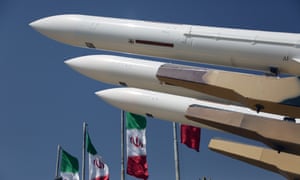
As it unveils a new exhibit at a defence museum in Tehran, Iran has warned it will pursue and destroy any aggressor should it come to war. Photograph: Anadolu Agency/Anadolu Agency via Getty ImagesIran denies suffering from cyber attack on its oil sector
A cyber threat-tracking website has noted that a few interruptions to the Internet connection in Iran did occur throughout 21 September, adding, though, that the impact was limited to a limited number of providers and web resources, Trend reports citing Sputnik.Iran-Saudi Crisis Resurrects an Old Question: Does the U.S. Need to Be There at All?
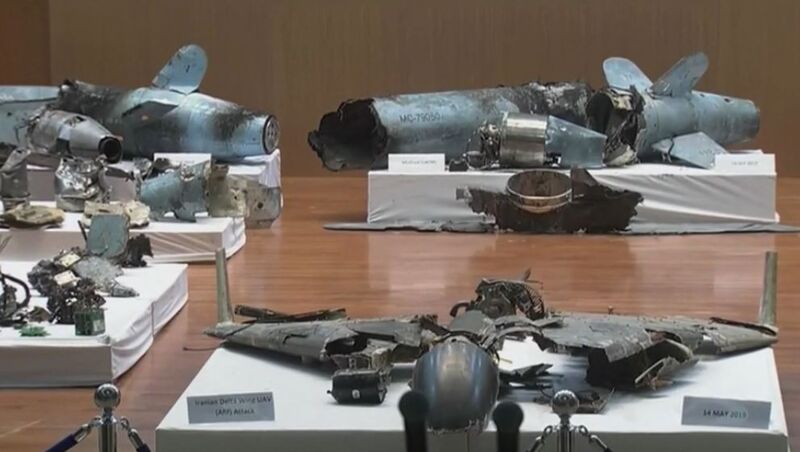
The attack last weekend on Saudi oil installations—which U.S. Secretary of State Mike Pompeo described as an “act of war”—has U.S. and Saudi officials scrambling to calibrate a response, dabbling in extra sanctions but leery of unleashing a military strike.Iran denies suffering from cyber attack on its oil sector
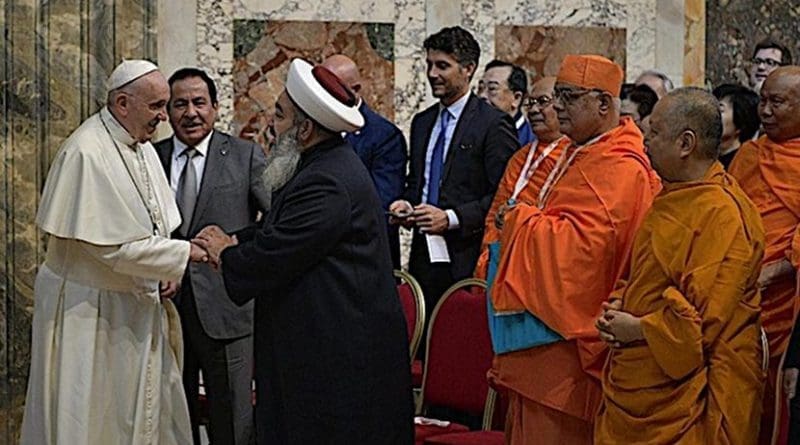
A cyber threat-tracking website has noted that a few interruptions to the Internet connection in Iran did occur throughout 21 September, adding, though, that the impact was limited to a limited number of providers and web resources, Trend reports citing Sputnik.Why We Need Religion More Than Ever In The Pursuit Of Peace – OpEd
Israeli Gridlock
Trump Should Send Iran a Reality Check
Iran is convinced that it is winning the confrontation with the U.S. and Saudi Arabia. This view will likely encourage Iran to launch more attacks against its neighbors. It is crucial that Washington and its partners correct this misapprehension and restore deterrence before more mayhem ensues.Blast From the Past
After 6 Years in Exile, Edward Snowden Explains Himself
The United Nations is trying to pressure the world into faster action on climate change
Cybersecurity and digital trade: Getting it right
The Air Force has 15 areas in cyber where it wants help
The Air Force wants industry to help provide support on a series of cyber-related capabilities that would range from software support to developing offensive cyber tools.Google researchers have reportedly achieved “quantum supremacy”
How a digital ecosphere helps individualized treatments reach patients
Infographic Of The Day: How Massive Is The U.S. Stock Market Compared To The World?
Newt Gingrich: A secret war is being fought all around us – And you may become a target
Why We Need To Prepare For The 5G Revolution – OpEd
Ren Zhengfei, the CEO of Huawei, the giant Chinese information and communications technology company, last week gave a long interview to The Economist in which he stated that he would gladly sell all of his company’s 5G technology to any Western company that may wish to buy it.National Cybersecurity Strategies in Comparison - Challenges for Switzerland
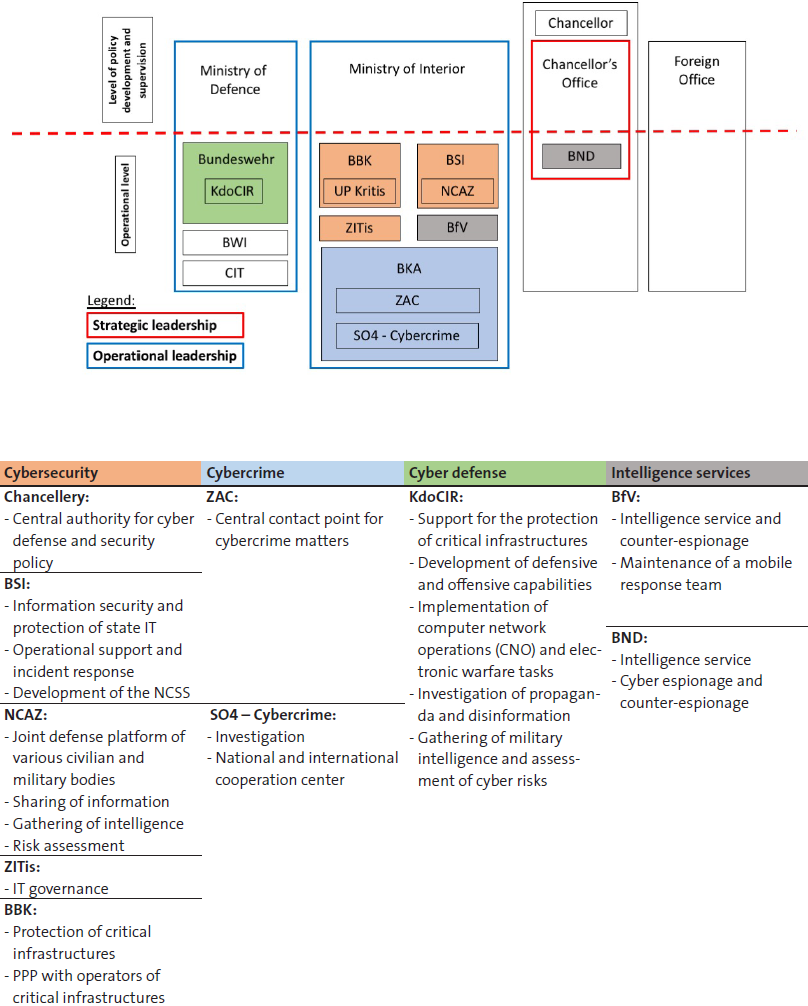
In 2018, Switzerland released its second national cybersecurity strategy. In this publication, Marie Baezner and Sean Cordey put this approach into perspective by comparing the strategies, policies and governmental structures of Germany, Finland, France, Israel, Italy and the Netherlands. In so doing, Baezner and Cordey identify eight challenges states face when developing, implementing and maintaining their cybersecurity strategies that relate to 1) integrating cybersecurity goals into broader security frameworks; 2) coordination; 3) international cooperation; 4) crisis management; 5) situation analysis; 6) education, information and capacity building; 7) public-private partnerships, and 8) legislation.