The Profession of Arms: A Guide for Young Army Officers
It takes courage, especially for a young officer, to check a man met on the road for not saluting properly or for slovenly appearance, but, every time he does, it adds to his stock of moral courage, and whatever the soldier may say, he has respect for the officer who does pull him up.
Read Document →The Dragon's Teeth: Assessing China's Military Modernization
PLA has focused on modernising its capabilities across all warfare domains to achieve these goals. This includes land, air, and maritime operations, nuclear, space, counter-space, electronic warfare and cyberspace operations, aiming to become a fully integrated joint force.
Read Document →Transforming the PLA: A Decade of reorganisation from SSF to ISF
PRC has engaged in a sustained and broad effort to transform the PLA from an infantry-heavy, low-technology, ground forces-centric military into a high-technology, networked force with an increasing emphasis on joint operations and naval and air power projection.
Read Document →Eyes without Borders: Exploring the World of Open Source Intelligence (OSINT) in the Digital Age
Open Source Intelligence (OSINT) is gaining prominence with the rise of social media, the digital society and the vast growth of publicly and commercially available information (PAI and CAI).
Read Document →
The PLA’s Developing Cyber Warfare Capabilities and India's Options
Informationised warfare blurs the lines between peacetime and wartime. A nation in the information age cannot wait for the hostilities to break out to collect intelligence, carryout influence operations, develop antisatellite systems or design computer software weapons.
Read Document →
Galwan and After
Why did China did this when he is under tremendous pressure in all fronts, is this China's salami slice tactics being progressed rigorously, what will be new Rules of Engagement, what will be escalatory control mechanism, who has taken this decision, will there be some pressure put by China in India's North-East through insurgency.
Read Document →
India’s Joint Doctrine for Cyberspace Operations: A Critical Review
Chief of Defence Staff (CDS) General Anil Chauhan and Secretary, Department of Military Affairs, formally released declassified versions of the Joint Doctrines for Cyberspace Operations during the Chiefs of Staff Committee meeting in New Delhi.
Read Document →
Know your Enemy General(now Field Marshal) Syed Aseem Munir
Gen SA Munir's position in the hierarchy of Pakistan was not very comfortable. The state of economy, insurgency in Pakhtoonistan and Balochistan, attack on the Jaffar Express, constant protests by supporters of Imran Khan's supporters inside and outside of parliament.
Read Document →
Decoding Operation SINDOOR: Key Aspects and Implications
Precision strikes were carried out on nine sites—four in Pakistan and five in PoK—linked to anti-India terrorist groups such as the LeT, JeM and the Hizbul Mujahideen. The targeted sites included Muridke (LeT headquarters) and Bahawalpur (JeM headquarters).
Read Document →
Chinese Cyber Exploitation in India's Power Grid - Is There a linkage to Mumbai Power Outage?
The New York Times (NYT), based on analysis by a U.S. based private intelligence firm Recorded Future, reported that a Chinese entity penetrated India’s power grid at multiple load dispatch points. Chinese malware intruded into the control systems that manage electric supply across India, along with a high-voltage transmission substation and a coal-fired power plant
Read Document →2 August 2022
Big Tech Can’t Stop Obsessing Over Apple and TikTok

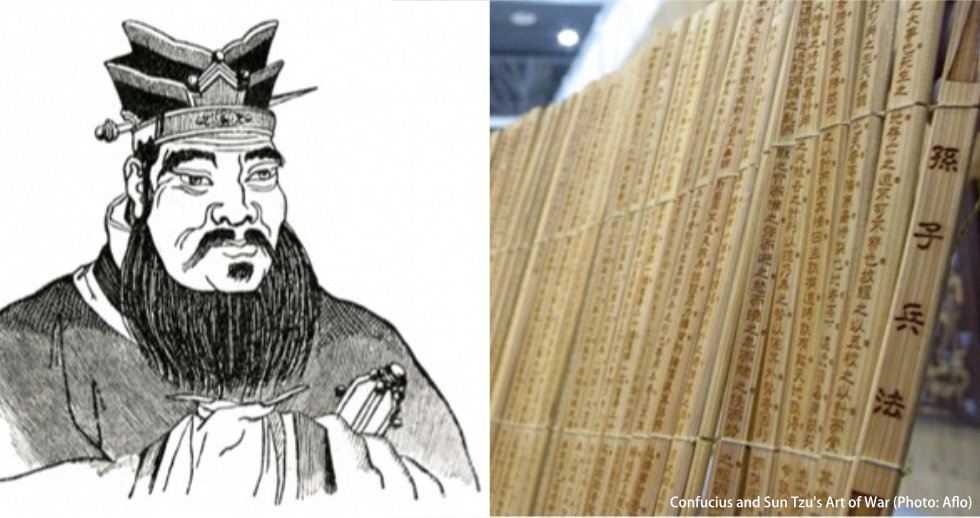
[Research Reports] China's Strategic Culture Hypothesis: Pursuing the Mystery of a Unique
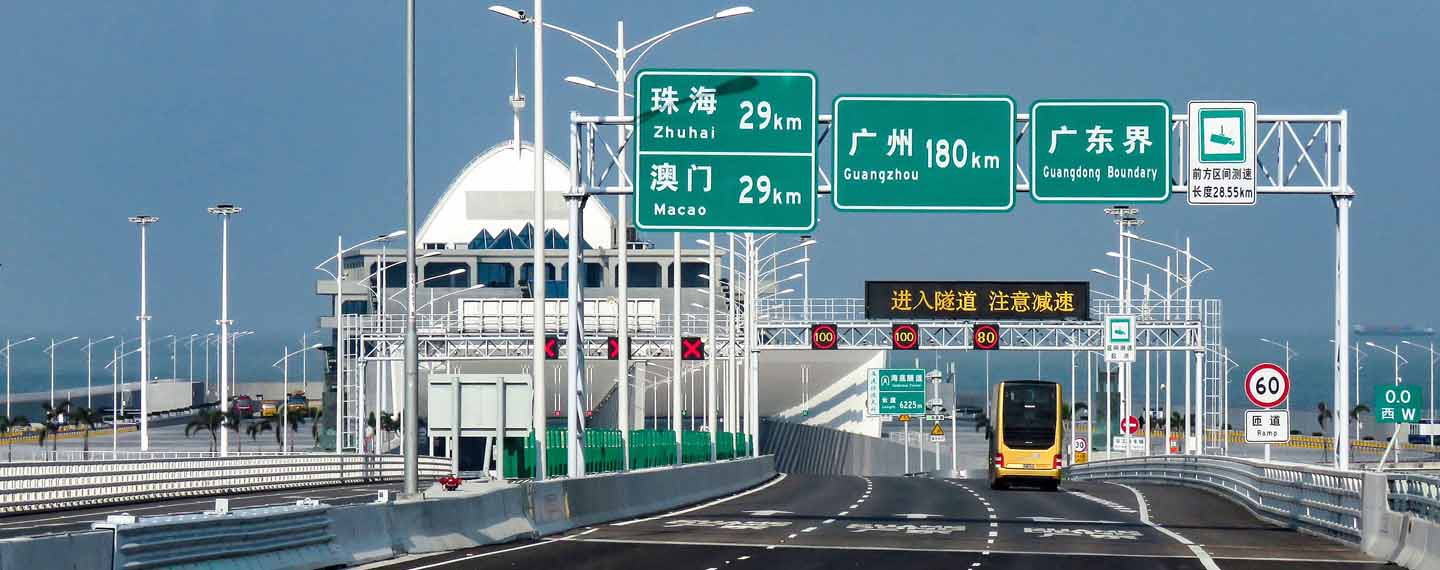
This is part of a speech Xi Jinping gave to a large group of foreigners on May 15, 2014. Dignitaries and intellectuals in the People's Republic of China (hereafter referred to as "China") often engage in self-righteous discourse unabashedly. When Li Jijun and Yu Qifen, who have discussed strategic culture in China, talk about Chinese strategic theory, they invariably emphasize the peaceful aspects of Chinese civilization.2 Simply explaining China's words and deeds using historical or strategic theory alone may not be enough to understand them. Therefore, this paper will borrow from "strategic culture theory" to take a closer look at the Chinese conception of security.The Greater Bay Area: China’s ‘next big thing’

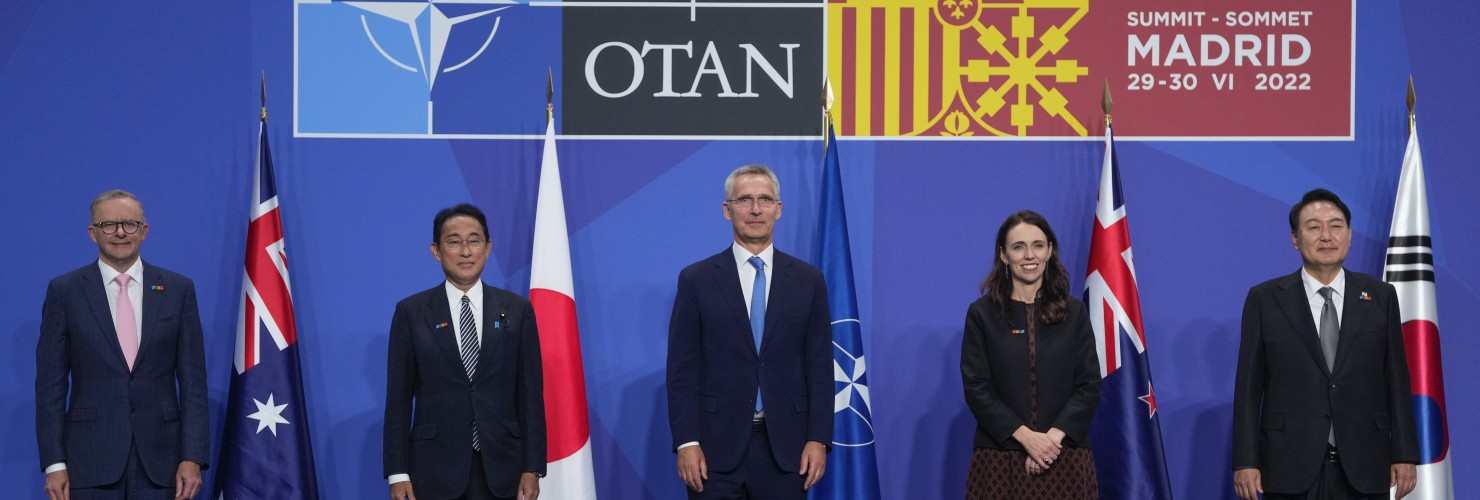
China and Russia bring NATO and the Indo-Pacific together

Financial Incentives May Explain the Perceived Lack of Ransomware in Russia’s Latest Assault on Ukraine

Russia's war against Ukraine and its consequences

Terrorism is Less of an Existential Threat than Russia and China

Timing is the key to the Gulf replacing Russian oil

Everything is up in the air domain

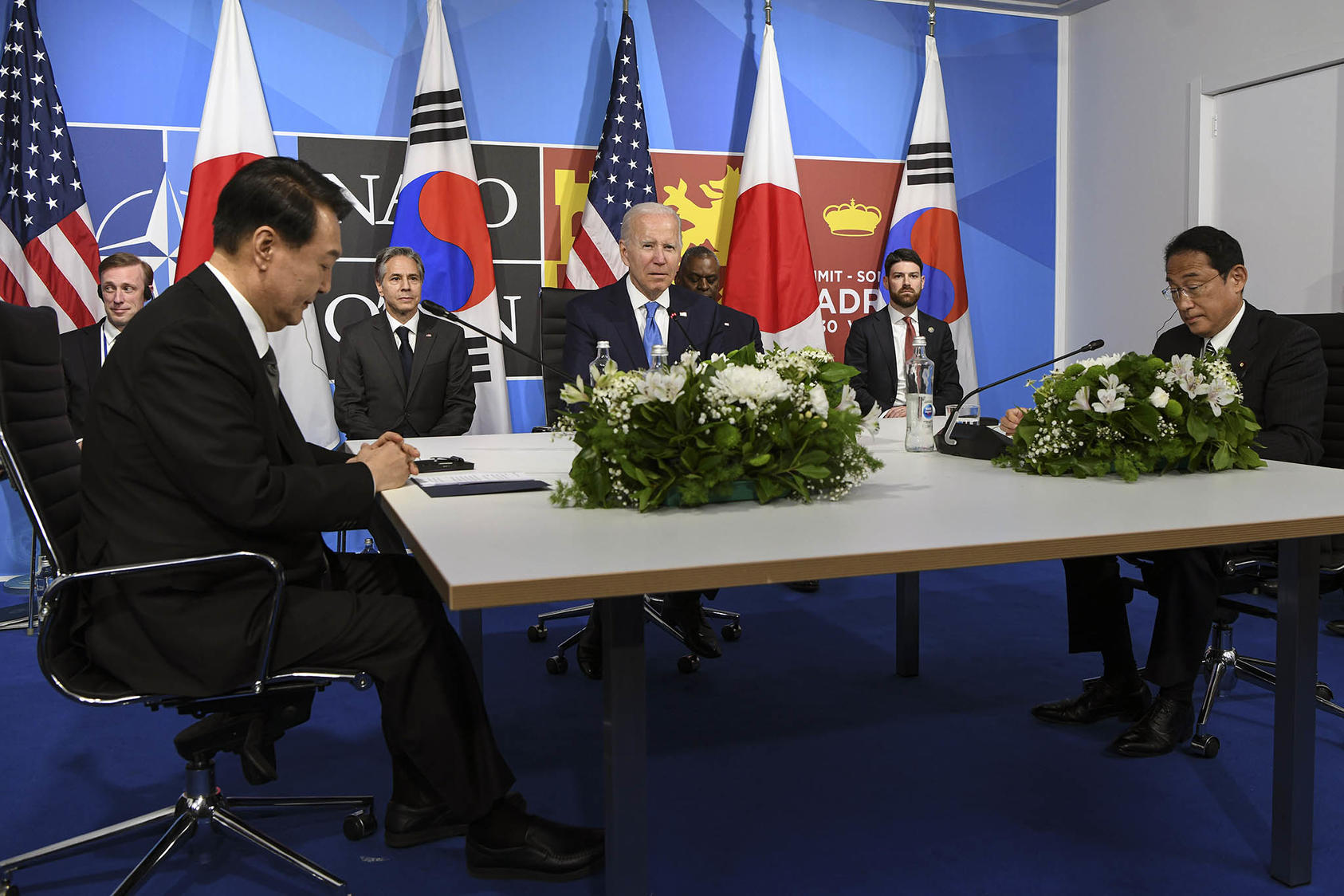
Mended Ties Between Japan and South Korea Would Boost Regional Security

What You Need to Know About the I2U2
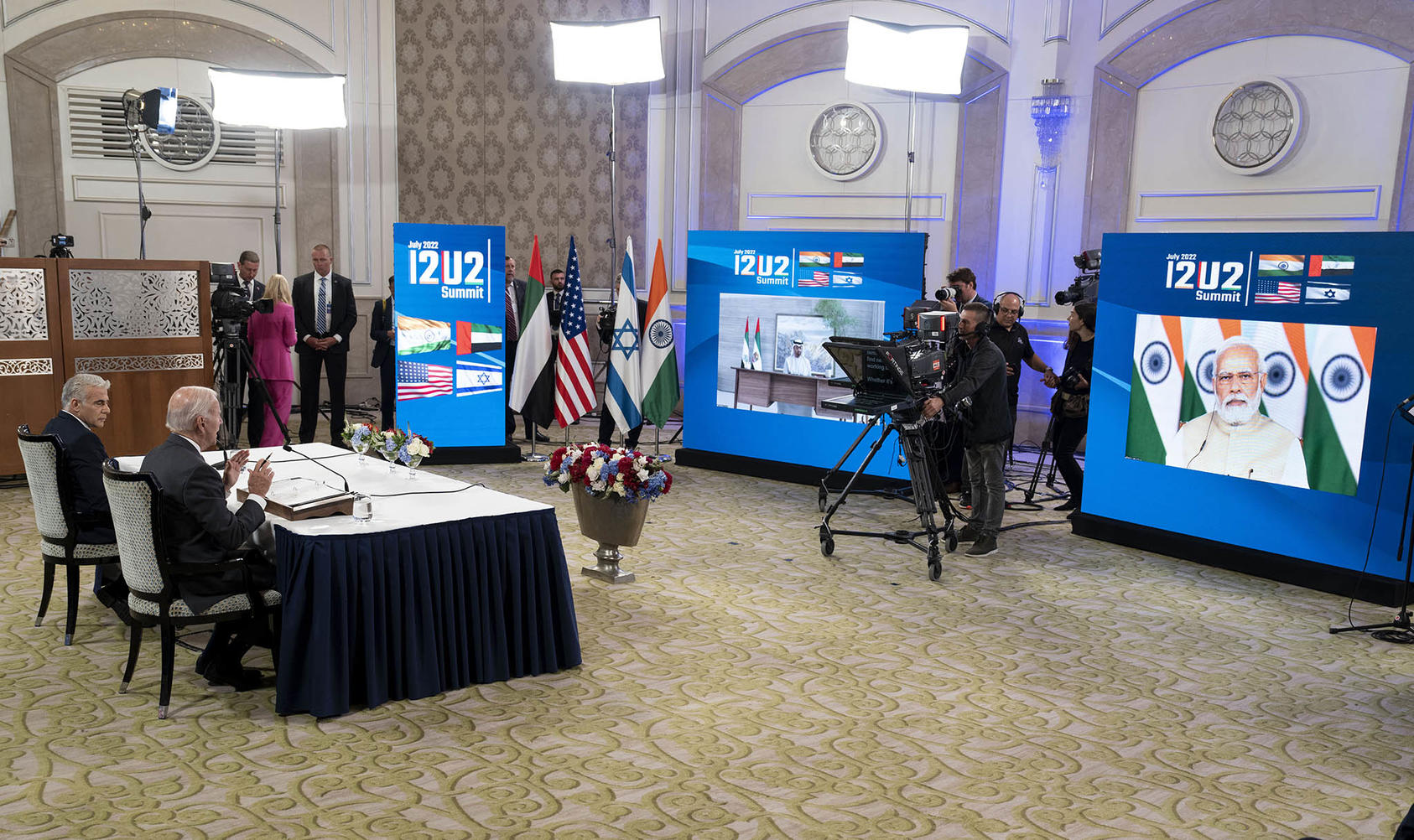
As part of his visit earlier this month to the Middle East, President Biden participated in the first leaders summit of a new grouping made up of Israel, India, the United Arab Emirates and the United States. Known as the I2U2, the countries’ foreign ministers formed the bloc in the fall of 2021 to deepen technological and private sector collaboration in the region and tackle transnational challenges in six focus areas: water, energy, transportation, space, health and food security. Beyond the announcement of a food security initiative and a hybrid renewable generation facility for India, little was revealed about what’s next for I2U2.The Defense Impact of the Ukraine War on the Visegrรกd Four
The CHIPS Act: Far From Perfect, But Still Very Good
Slow growth exacerbates China’s financial stability risks
Cooperation with China: Challenges and opportunities
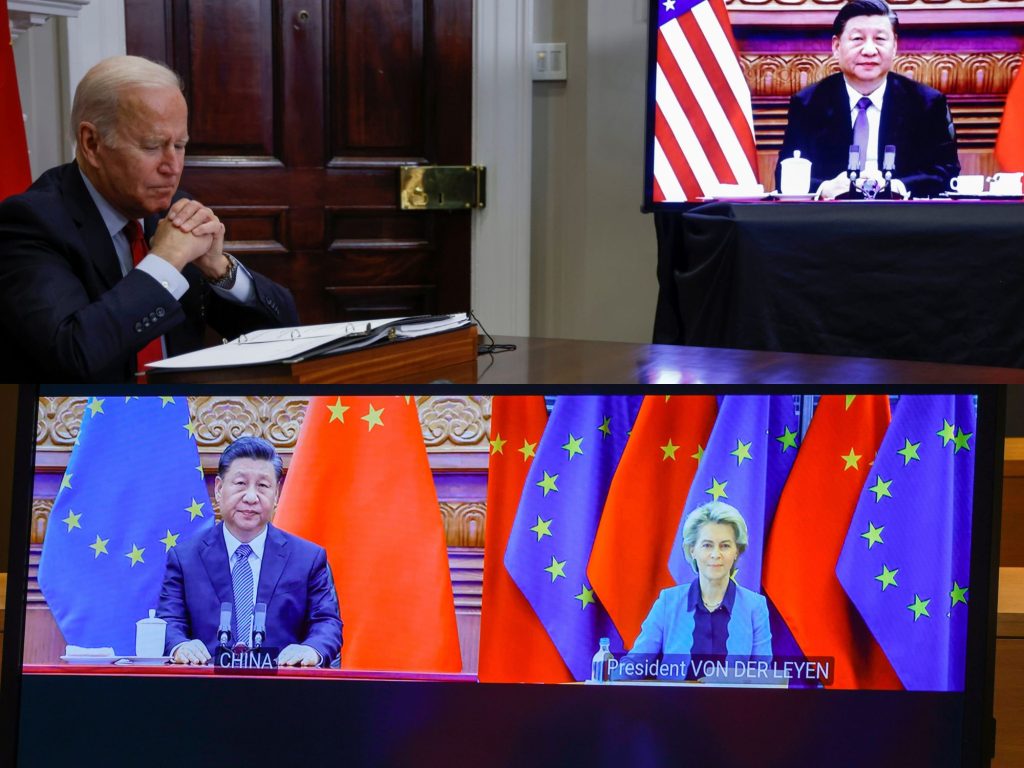
In recent months, China’s relations with the United States and its European and Asian allies have deteriorated significantly. While engagement with Beijing continues across many different areas, these efforts have produced little in terms of concrete results. It is all too easy to reach the unfortunate conclusion that talking to Beijing is a waste of time and effort. Over the past four decades, the United States and its European and Asian allies pursued a strategy with China based on the assumption that cooperation and engagement would encourage China to become a responsible stakeholder in a rules-based international system. On the contrary, Beijing has grown more assertive in its efforts to subvert those rules and norms that it feels constrict and constrain China’s global ambitions. Therefore, like-minded allies and partners will need to defend against China’s violations of international norms, impose costs on irresponsible behavior, and strengthen themselves, their alliances, and the institutions of the current world order to be able to compete effectively and uphold liberal values against China’s continued pressure.What to Know About Sanctions on North Korea
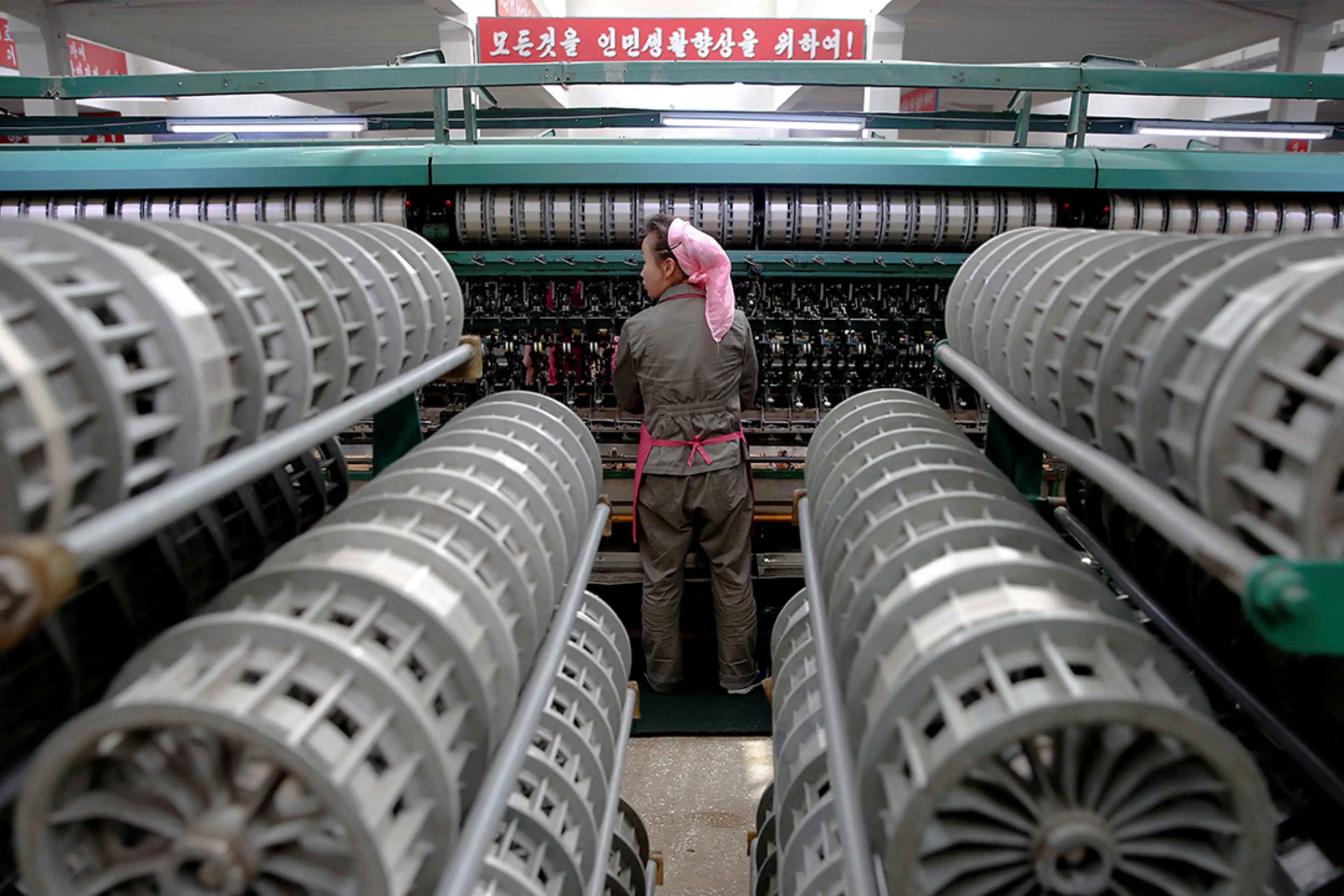
World powers have pursued economic and financial sanctions on North Korea for more than a dozen years to pressure it to denuclearize. They have also deployed sanctions to punish the regime for cyberattacks, money laundering, and human rights violations.China’s Sanctions Strategy and Its Implications
The Awakening of Geopolitical Europe?
Sanctions, Cyber, and Crypto: How Pyongyang Can Exploit the War in Ukraine
Cyber Deterrence with Imperfect Attribution and Unverifiable Signaling
China's Pacific Push Is Backfiring

The Great Rewiring: How Global Supply Chains Are Reacting to Today’s Geopolitics
Aiming for a Quasi-alliance Building a More Robust Japan-Philippines Security Partnership
The Semi-Conductor Bill And The Moderna Billionaires

Poland: Europe’s Newest Military Superpower?

US Providing Hefty $8.2 Billion To Ukraine To Battle Russia

Security Dialogues with Chinese Characteristics
ISIS is a Problem of Yesterday, Today and Tomorrow