The Profession of Arms: A Guide for Young Army Officers
It takes courage, especially for a young officer, to check a man met on the road for not saluting properly or for slovenly appearance, but, every time he does, it adds to his stock of moral courage, and whatever the soldier may say, he has respect for the officer who does pull him up.
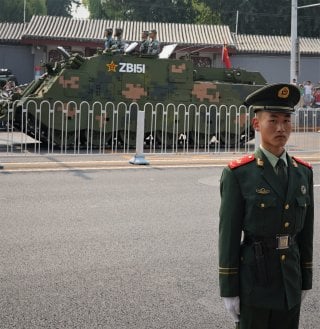
Read Document →The Dragon's Teeth: Assessing China's Military Modernization
PLA has focused on modernising its capabilities across all warfare domains to achieve these goals. This includes land, air, and maritime operations, nuclear, space, counter-space, electronic warfare and cyberspace operations, aiming to become a fully integrated joint force.
Read Document →Transforming the PLA: A Decade of reorganisation from SSF to ISF
PRC has engaged in a sustained and broad effort to transform the PLA from an infantry-heavy, low-technology, ground forces-centric military into a high-technology, networked force with an increasing emphasis on joint operations and naval and air power projection.
Read Document →Eyes without Borders: Exploring the World of Open Source Intelligence (OSINT) in the Digital Age
Open Source Intelligence (OSINT) is gaining prominence with the rise of social media, the digital society and the vast growth of publicly and commercially available information (PAI and CAI).
Read Document →
The PLA’s Developing Cyber Warfare Capabilities and India's Options
Informationised warfare blurs the lines between peacetime and wartime. A nation in the information age cannot wait for the hostilities to break out to collect intelligence, carryout influence operations, develop antisatellite systems or design computer software weapons.
Read Document →
Galwan and After
Why did China did this when he is under tremendous pressure in all fronts, is this China's salami slice tactics being progressed rigorously, what will be new Rules of Engagement, what will be escalatory control mechanism, who has taken this decision, will there be some pressure put by China in India's North-East through insurgency.
Read Document →
India’s Joint Doctrine for Cyberspace Operations: A Critical Review
Chief of Defence Staff (CDS) General Anil Chauhan and Secretary, Department of Military Affairs, formally released declassified versions of the Joint Doctrines for Cyberspace Operations during the Chiefs of Staff Committee meeting in New Delhi.
Read Document →
Know your Enemy General(now Field Marshal) Syed Aseem Munir
Gen SA Munir's position in the hierarchy of Pakistan was not very comfortable. The state of economy, insurgency in Pakhtoonistan and Balochistan, attack on the Jaffar Express, constant protests by supporters of Imran Khan's supporters inside and outside of parliament.
Read Document →
Decoding Operation SINDOOR: Key Aspects and Implications
Precision strikes were carried out on nine sites—four in Pakistan and five in PoK—linked to anti-India terrorist groups such as the LeT, JeM and the Hizbul Mujahideen. The targeted sites included Muridke (LeT headquarters) and Bahawalpur (JeM headquarters).
Read Document →
Chinese Cyber Exploitation in India's Power Grid - Is There a linkage to Mumbai Power Outage?
The New York Times (NYT), based on analysis by a U.S. based private intelligence firm Recorded Future, reported that a Chinese entity penetrated India’s power grid at multiple load dispatch points. Chinese malware intruded into the control systems that manage electric supply across India, along with a high-voltage transmission substation and a coal-fired power plant
Read Document →5 July 2023
The Geopolitics of the Semiconductor Industry and India’s Place in It
India Has Become a Middle Eastern Power
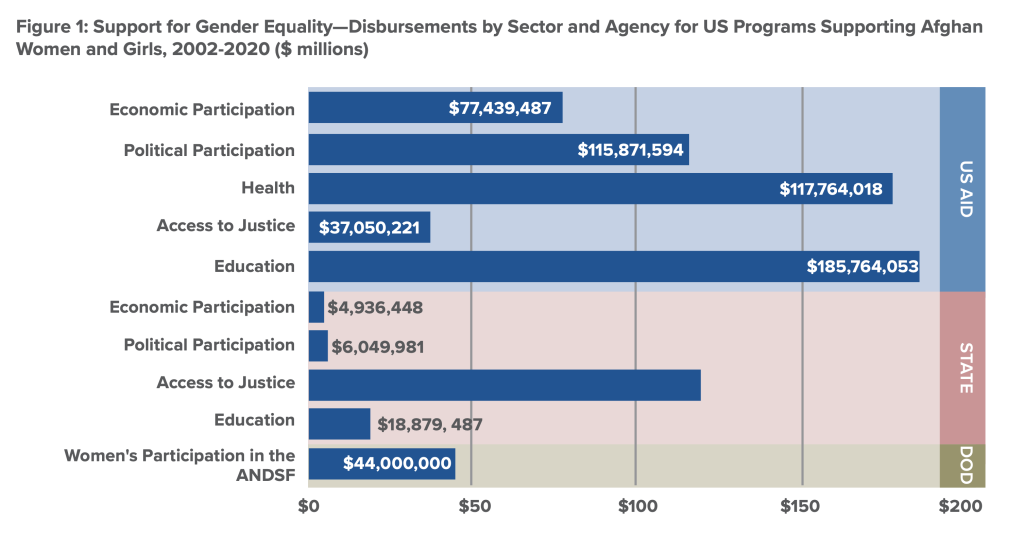
How to advance women’s rights in Afghanistan
Source: SIGAR, February 2021 report on Support for Gender Equality, 40.Pakistan's Genocide

Instead of Politicizing Afghanistan, Stand Up for Women and Girls
Has Laos Ensnared China In A ‘Creditor Trap?’ – Analysis

The Magnitude of China Threat Leaves No Room for Complacency
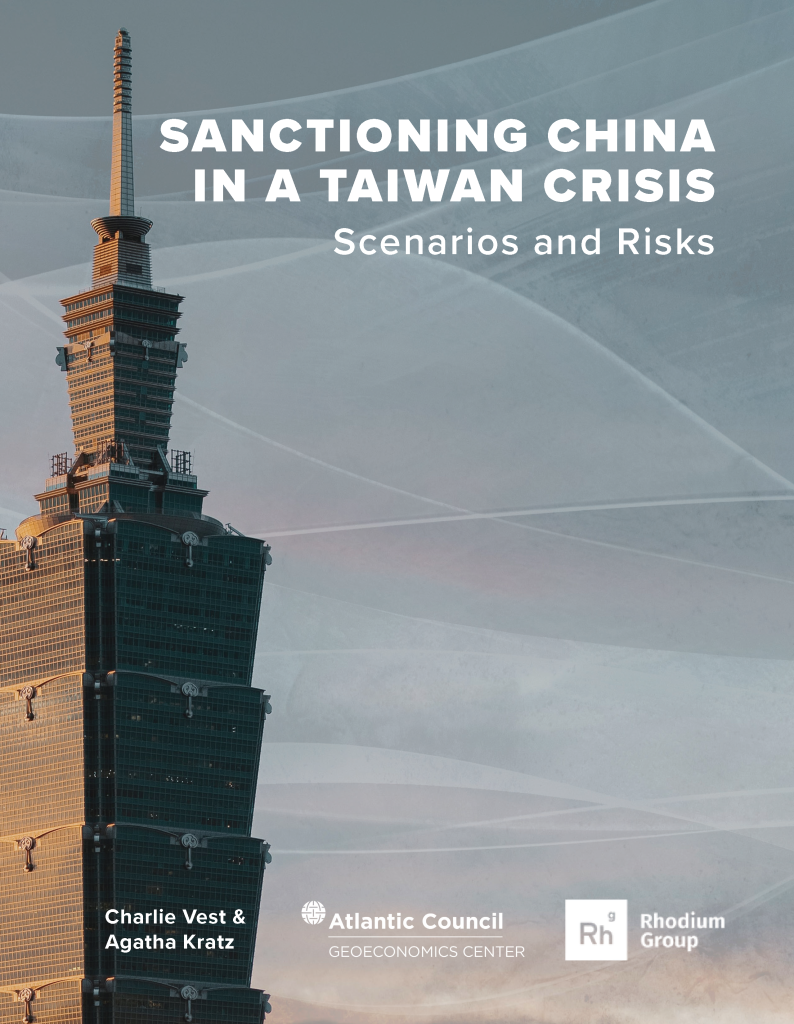
Dangerous illusions buy China time and cover for the execution of President Xi Jinping’s multi-faceted plan for global domination. China has already made such progress; the China threat is now so great that the Free World cannot afford dalliance, wishful thinking, or repose. U.S. efforts to keep communication channels with Chinese leaders open make sense, but optimism regarding the fruits of engagement and diplomacy with China is not warranted.Sanctioning China in a Taiwan crisis: Scenarios and risks

US-China lessons from Ukraine: Fueling more dangerous Taiwan tensions
Judge to Decide Whether Taint of C.I.A. Torture Extended to Guantรกnamo
The suicide bombing of the U.S.S. Cole killed 17 U.S. sailors in October 2000. Credit...U.S. Navy/Getty ImagesUniforms? Check. Motto? Check. Now the Space Force needs an identity.
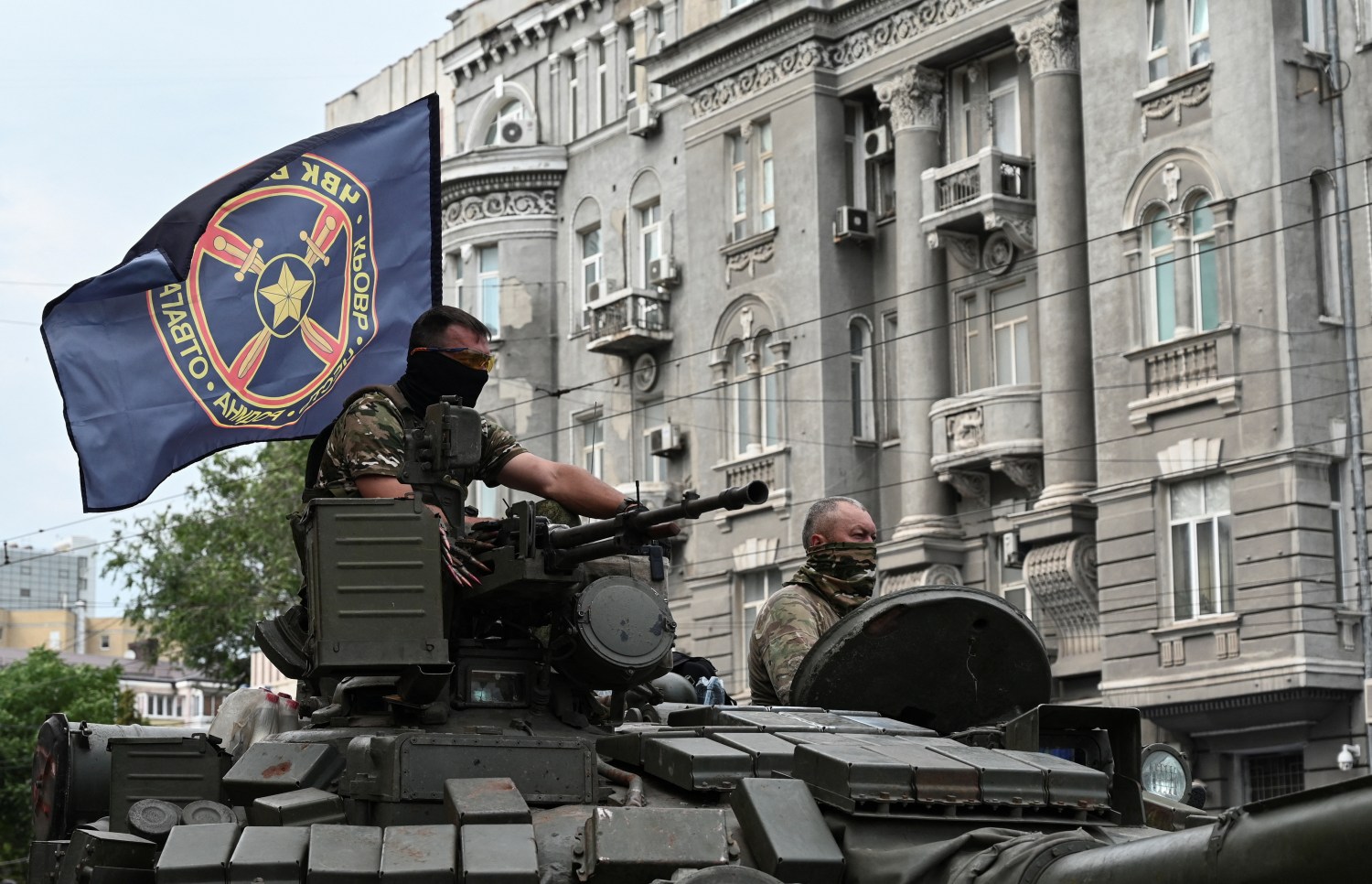
What is the fallout of Russia’s Wagner rebellion?

Yevgeny Prigozhin: A history of violence and propaganda around the world

Adam Tooze: How Putin Overstretched His Military in Ukraine
Russia’s Nukes Are Probably Secure From Rogue Actors
Russian satellite comms firm Dozer taken offline by Wagner-affiliated hacker group - report

Washington Needs a New Economic Security Framework for the Americas
The Western hemisphere is home to some of the world’s largest economies—the United States, Canada, Brazil, Mexico—and boasts countries with long-standing democratic traditions. Yet a lack of U.S. leadership and vision has left the hemisphere vulnerable to authoritarian encroachment, weak economies, and populations at risk. A new regional economic security framework is badly needed.Europe must choose: back US tech war on China or support win-win solutions for all

Ukraine’s ‘Cheap’ Missile Outperforms World’s Best S-400 Systems In Warzone, Wreaks Havoc On Russian Warplanes
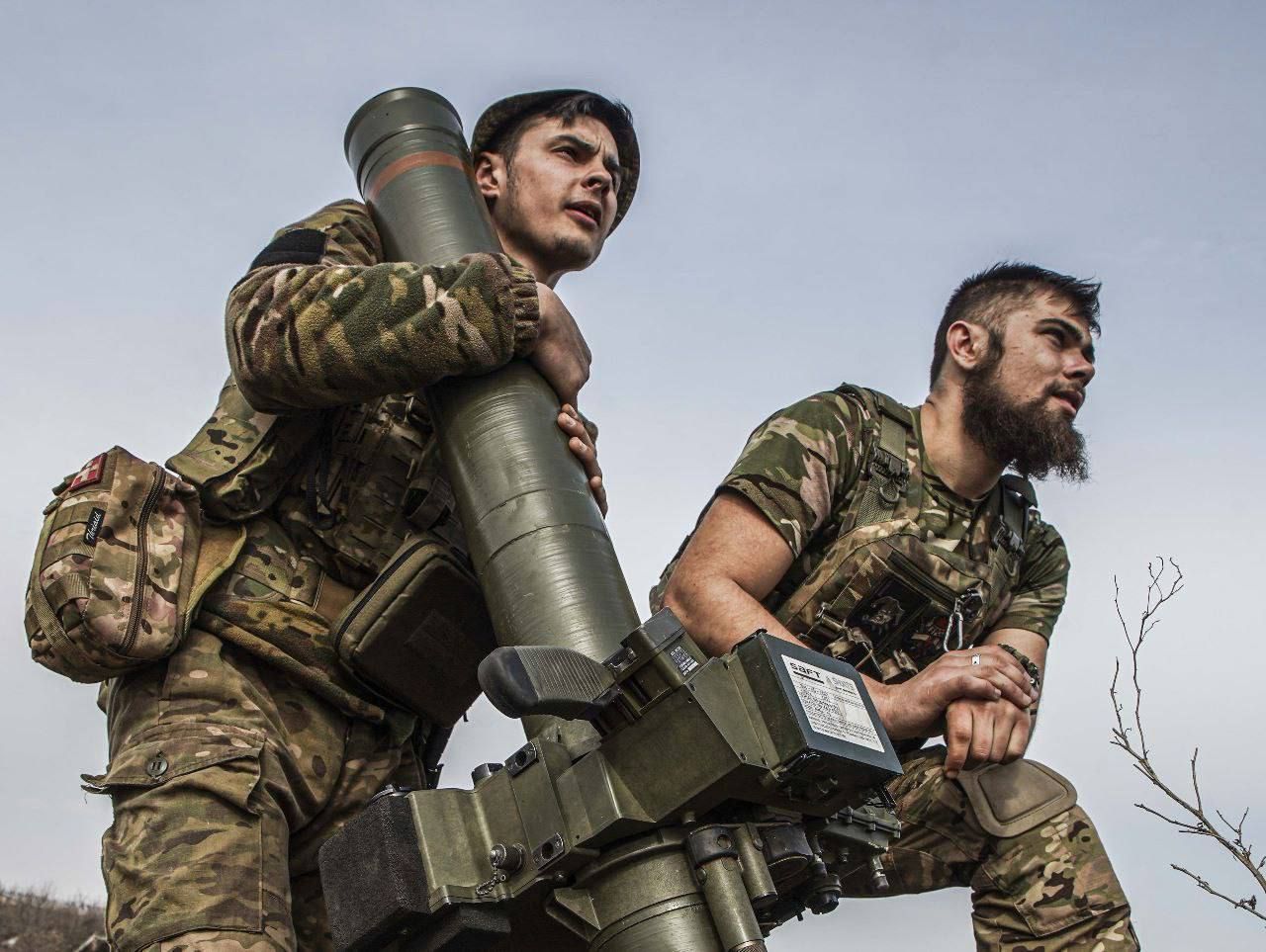
MANPADS in UkraineRussia’s Periphery Takes Note of Putin’s Sudden Weakness
Idea of separate US Cyber Force raises eyebrows

Wagner Mutiny Rattles the Kremlin’s War in Ukraine
Dual-Use Technology and U.S. Export Controls
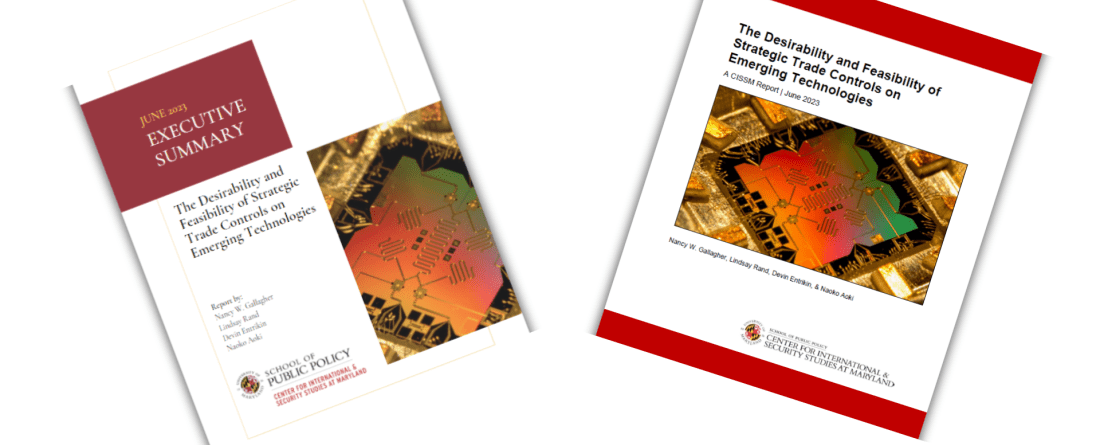
The Desirability and Feasibility of Strategic Trade Controls on Emerging Technologies
Policy problem: Policymakers must decide whether and how to regulate the development, sale, and use of emerging technologies so the security benefits outweigh the economic, technological, and political costs. They have faced that question before, so lessons can be learned from historical experience. It has never been easy to get agreement about what types of governance mechanisms are most desirable, or to implement those controls effectively enough to achieve the security objectives. Many different approaches have been tried but only some legacy arrangements could be applied to emerging technologies, while others would do more harm than good. Four features make the current iteration of the dual-use problem particularly challenging.Pentagon lacks ‘comprehensive’ strategy for buying AI tech, GAO warns