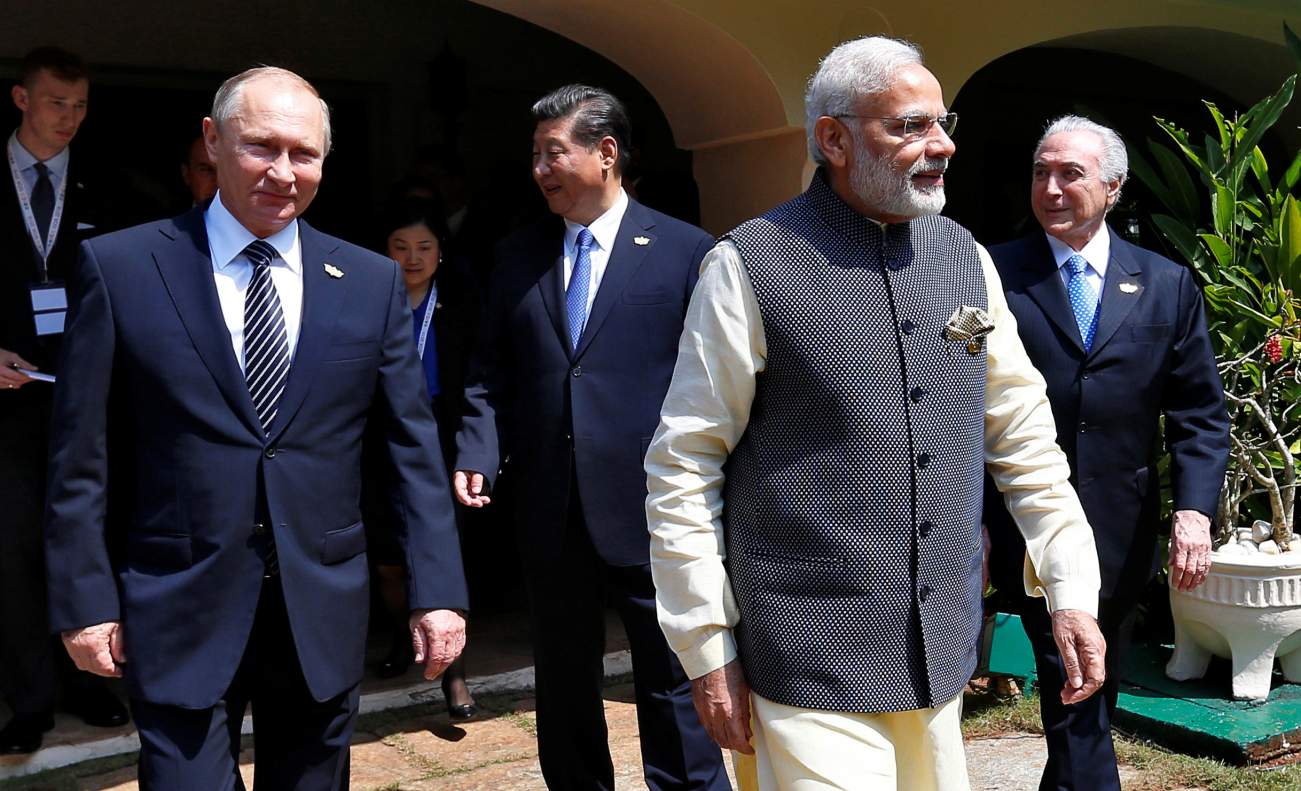
During Indian prime minister Narendra Modi’s visit to Vladivostok for the annual Eastern Economic Forum earlier this week, Moscow and New Delhi signed fifteen agreements on areas ranging from defense to energy. The Indian leader also pledged $1 billion in credit to the Russian Far East, a region in which the Kremlin has long sought to spur economic growth.The Profession of Arms: A Guide for Young Army Officers
It takes courage, especially for a young officer, to check a man met on the road for not saluting properly or for slovenly appearance, but, every time he does, it adds to his stock of moral courage, and whatever the soldier may say, he has respect for the officer who does pull him up.
Read Document →The Dragon's Teeth: Assessing China's Military Modernization
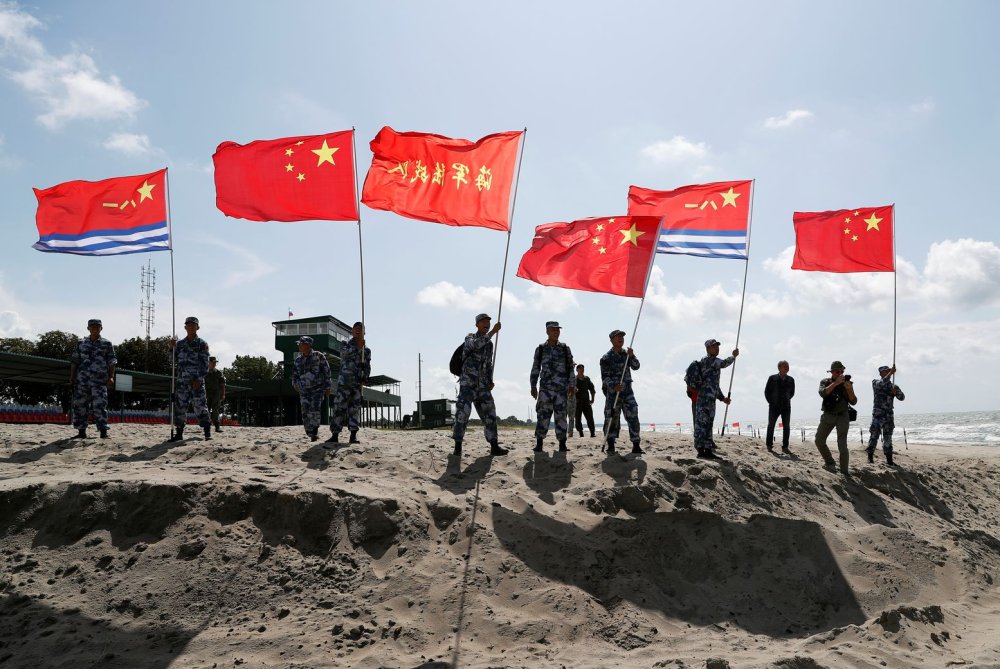
PLA has focused on modernising its capabilities across all warfare domains to achieve these goals. This includes land, air, and maritime operations, nuclear, space, counter-space, electronic warfare and cyberspace operations, aiming to become a fully integrated joint force.
Read Document →Transforming the PLA: A Decade of reorganisation from SSF to ISF
PRC has engaged in a sustained and broad effort to transform the PLA from an infantry-heavy, low-technology, ground forces-centric military into a high-technology, networked force with an increasing emphasis on joint operations and naval and air power projection.
Read Document →Eyes without Borders: Exploring the World of Open Source Intelligence (OSINT) in the Digital Age
Open Source Intelligence (OSINT) is gaining prominence with the rise of social media, the digital society and the vast growth of publicly and commercially available information (PAI and CAI).
Read Document →
The PLA’s Developing Cyber Warfare Capabilities and India's Options
Informationised warfare blurs the lines between peacetime and wartime. A nation in the information age cannot wait for the hostilities to break out to collect intelligence, carryout influence operations, develop antisatellite systems or design computer software weapons.
Read Document →
Galwan and After
Why did China did this when he is under tremendous pressure in all fronts, is this China's salami slice tactics being progressed rigorously, what will be new Rules of Engagement, what will be escalatory control mechanism, who has taken this decision, will there be some pressure put by China in India's North-East through insurgency.
Read Document →
India’s Joint Doctrine for Cyberspace Operations: A Critical Review
Chief of Defence Staff (CDS) General Anil Chauhan and Secretary, Department of Military Affairs, formally released declassified versions of the Joint Doctrines for Cyberspace Operations during the Chiefs of Staff Committee meeting in New Delhi.
Read Document →
Know your Enemy General(now Field Marshal) Syed Aseem Munir
Gen SA Munir's position in the hierarchy of Pakistan was not very comfortable. The state of economy, insurgency in Pakhtoonistan and Balochistan, attack on the Jaffar Express, constant protests by supporters of Imran Khan's supporters inside and outside of parliament.
Read Document →
Decoding Operation SINDOOR: Key Aspects and Implications
Precision strikes were carried out on nine sites—four in Pakistan and five in PoK—linked to anti-India terrorist groups such as the LeT, JeM and the Hizbul Mujahideen. The targeted sites included Muridke (LeT headquarters) and Bahawalpur (JeM headquarters).
Read Document →
Chinese Cyber Exploitation in India's Power Grid - Is There a linkage to Mumbai Power Outage?
The New York Times (NYT), based on analysis by a U.S. based private intelligence firm Recorded Future, reported that a Chinese entity penetrated India’s power grid at multiple load dispatch points. Chinese malware intruded into the control systems that manage electric supply across India, along with a high-voltage transmission substation and a coal-fired power plant
Read Document →15 September 2019
Russia Tries to Balance India and China
During Indian prime minister Narendra Modi’s visit to Vladivostok for the annual Eastern Economic Forum earlier this week, Moscow and New Delhi signed fifteen agreements on areas ranging from defense to energy. The Indian leader also pledged $1 billion in credit to the Russian Far East, a region in which the Kremlin has long sought to spur economic growth.After Trump’s failed Afghanistan gambit, violence and uncertainty remains
Getting to ‘Yes’ Has Just Gotten a Lot Harder in Afghanistan
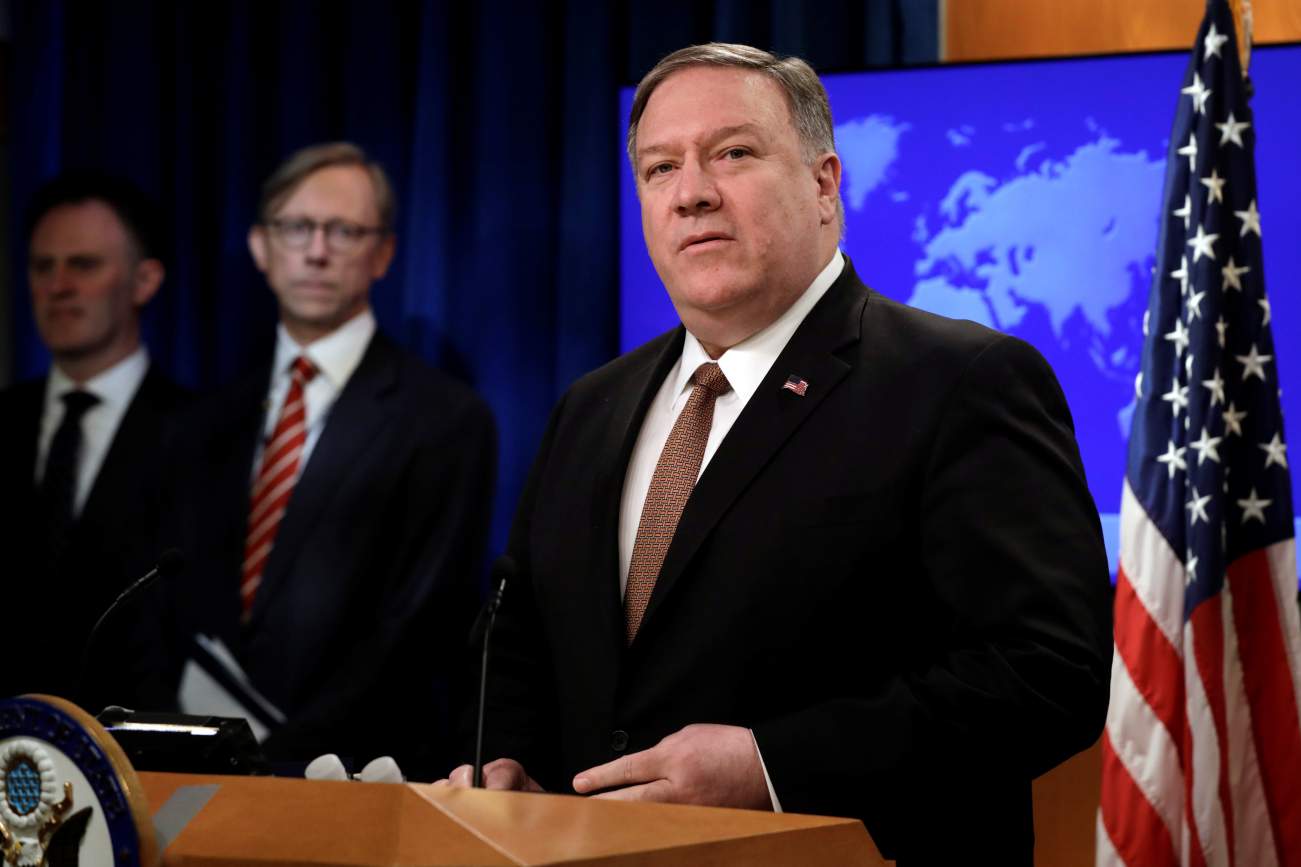
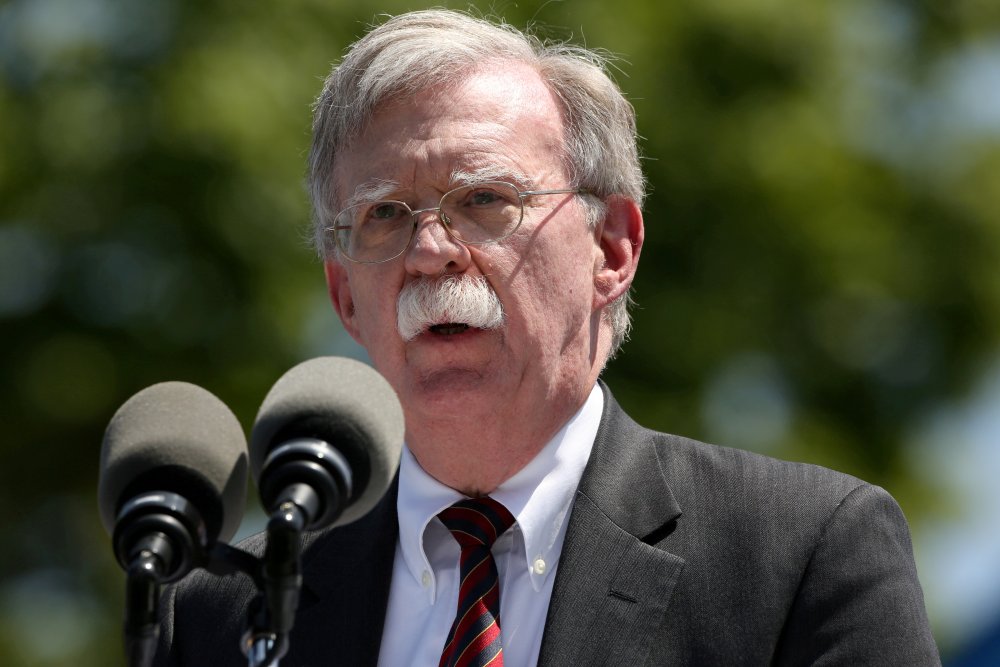
On Sept. 10, U.S. National Security Advisor John Bolton became the latest victim of the Trump administration’s nonstop revolving door—one that has produced dizzying levels of personnel turnover at the highest levels.The Taliban hardly deserve Camp David talks with a president. What was Trump thinking?
The Breakdown of U.S.–Taliban Talks Buys Time to Reset the Afghanistan Strategy
9/11/2001: 18 Years Later ...
Taking Aim: Islamic State Khorasan’s Leadership Losses
Eighteen Years On: The War on Terror Comes of Age
In the Demise of the Taliban Peace Talks, Russia Is the Winner
Over the weekend, the prospects of a peace deal between the United States and the Taliban seemed to fall apart. That is a major setback, since it will likely delay a U.S. withdrawal from Afghanistan and could lead to an escalated Taliban offensive on Afghan government-held territories. But one player—Russia—might benefit.Student Feature – Theory in Action: Constructivism and Bhutan’s National Interests
China’s Rise Is Not the Only Trend Shaping Events in Asia
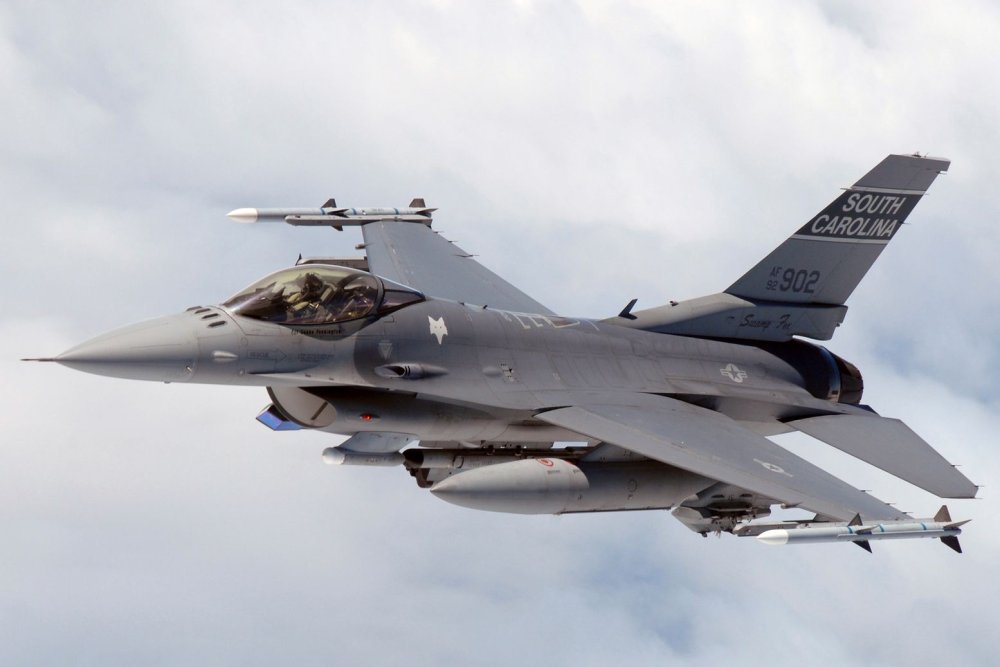
Taiwan Is Getting Sixty F-16s but They Won't Really Matter Against China
Nearly a decade after first requesting them, the Taiwanese air force finally could get 66 new F-16 fighters to begin replacing some of its older fighter aircraft.Report: The Defense Intelligence Agency Has Found China Is Even More Ready to Invade Taiwan
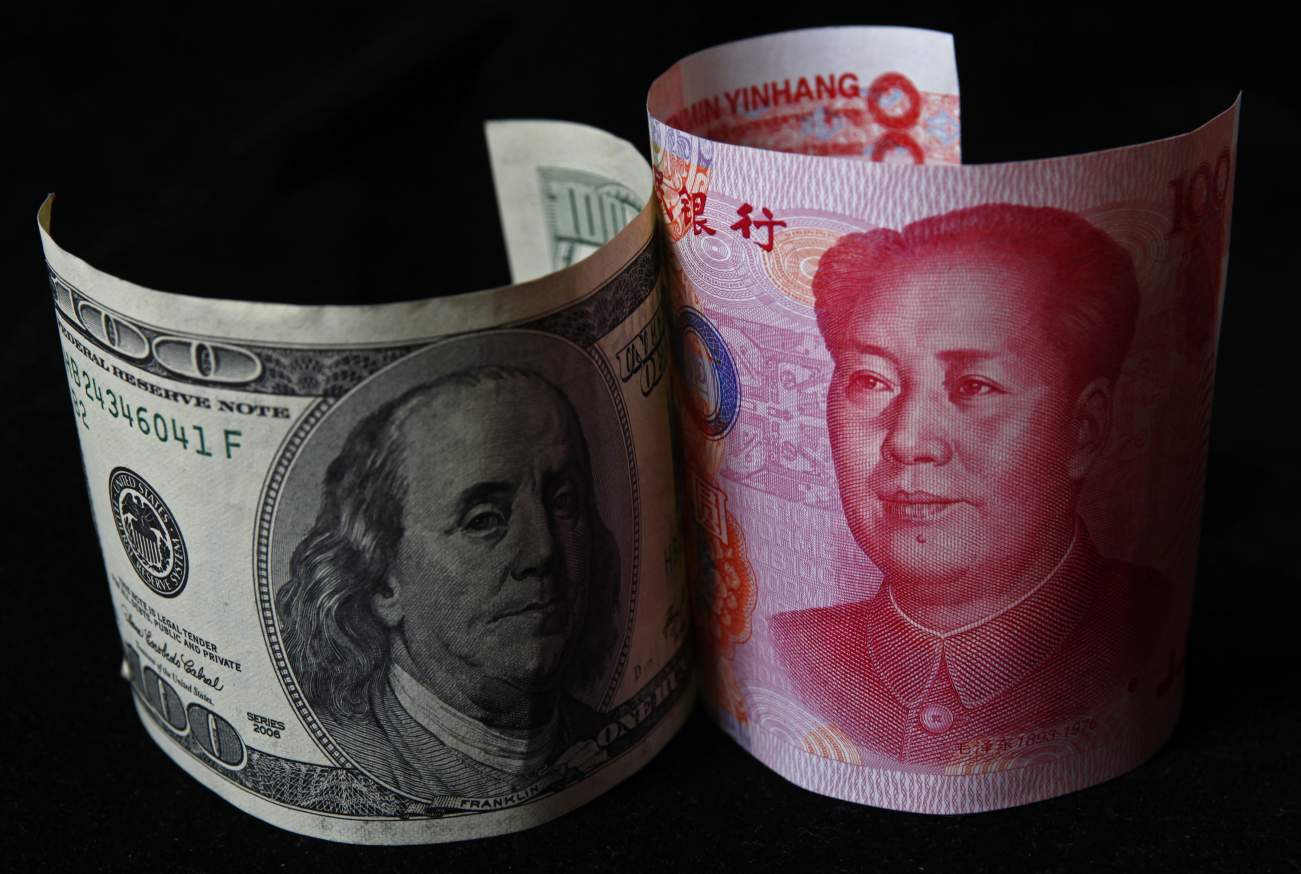
The Gloves Are Off: The U.S.-China Trade War Is Coming for Big Business
How China Disrupts the Middle East
As Vladimir Putin's declining Russia flaunts its power in the Middle East, Xi Jinping's ascending China eludes the attention it deserves. But the Communist Party of China has begun investing money and gaining influence in ways that have vast – and worrisome – implications.China’s 2019 Defence White Paper: the long road to transparency in defence spending
China Lost the United States First
The End of the Wilsonian Century?
One hundred years ago this fall, the U.S. Senate debated whether to enter into a new League of Nations championed by then-president Woodrow Wilson. In Wilson’s mind, the League was meant to be the capstone for American leadership of a liberal world order.The Development of Tunisia’s Domestic Counter-Terrorism Finance Capability
Relatives, Redemption, and Rice: Motivations for Joining the Maute Group
A View from the CT Foxhole: Joseph Maguire, Acting Director of National Intelligence
Student Feature – Theory in Action: Poststructuralism and Media Representations of Terrorists
The Quadrilateral Security Dialogue: Towards an Indo-Pacific Order
David Envall writes that the revised “Quad”—the 2017 update of the informal quadrilateral security dialogue originally formed by the US, Japan, India and Australia in 2007—represents a renewed attempt to shore up a rules-based order in the Indo-Pacific. However, Envall also contends the Quad’s viability faces major challenges. These include the potential for the geopolitical situation to overwhelm cooperation opportunities, as happened with the original Quad. Further, as the Quad again aims to support the “Indo-Pacific” order, it is constrained by the vagueness of the Indo-Pacific concept and Indonesia’s absence.Will John Bolton Go to War Against Donald Trump?
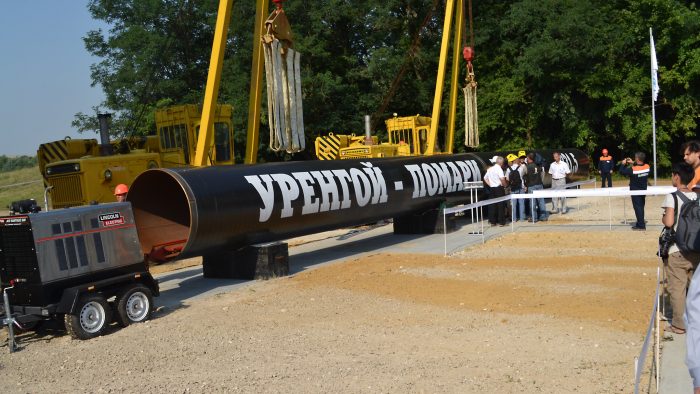
Russia and Turkey: An Ambiguous Energy Partnership
Re-examining Political Silence: New Openings for Research and Practice
Political silences are powerful. This much we learned from critical IR theorists, including Cynthia Enloe (2004) who articulated the silences of marginalised women in international relations, Steve Smith (1995) who argued that silences are disciplines’ most important voices, and Ken Booth (2007: 160) who posited that ‘all silences “are against some body and against some thing”’. These key works represent the first generation of inquiry into political silence, particularly as an object of study in International Relations. They established the intellectual foundation for raising questions about the ethics of research, and they disrupted overly descriptive and normative accounts of political silence. Alas, these works are ontologically limited to specific types and registers of political silence(s) themselves. Our concern with them is that they are (inadvertently) foreclosing critical (re)examination of precisely what is meant by ‘political silence’.DARPA’s Mosaic Warfare — Multi Domain Ops, But Faster
WASHINGTON: Just when you thought you understood Multi-Domain Operations (MDO), along comes the Defense Advanced Research Projects Agency’s “Mosaic Warfare.” It’s sort of MDO on steroids: an all-encompassing ‘force design’ — that includes everything from military organization to operational concepts to weapon systems to tactics — to underpin a new US way of war targeted at blocking China’s strategy of hitting critical US information nodes. Oh, and the technologies required to accomplish that force design.