The Profession of Arms: A Guide for Young Army Officers
It takes courage, especially for a young officer, to check a man met on the road for not saluting properly or for slovenly appearance, but, every time he does, it adds to his stock of moral courage, and whatever the soldier may say, he has respect for the officer who does pull him up.
Read Document →The Dragon's Teeth: Assessing China's Military Modernization
PLA has focused on modernising its capabilities across all warfare domains to achieve these goals. This includes land, air, and maritime operations, nuclear, space, counter-space, electronic warfare and cyberspace operations, aiming to become a fully integrated joint force.
Read Document →Transforming the PLA: A Decade of reorganisation from SSF to ISF
PRC has engaged in a sustained and broad effort to transform the PLA from an infantry-heavy, low-technology, ground forces-centric military into a high-technology, networked force with an increasing emphasis on joint operations and naval and air power projection.
Read Document →Eyes without Borders: Exploring the World of Open Source Intelligence (OSINT) in the Digital Age
Open Source Intelligence (OSINT) is gaining prominence with the rise of social media, the digital society and the vast growth of publicly and commercially available information (PAI and CAI).
Read Document →
The PLA’s Developing Cyber Warfare Capabilities and India's Options
Informationised warfare blurs the lines between peacetime and wartime. A nation in the information age cannot wait for the hostilities to break out to collect intelligence, carryout influence operations, develop antisatellite systems or design computer software weapons.
Read Document →
Galwan and After
Why did China did this when he is under tremendous pressure in all fronts, is this China's salami slice tactics being progressed rigorously, what will be new Rules of Engagement, what will be escalatory control mechanism, who has taken this decision, will there be some pressure put by China in India's North-East through insurgency.
Read Document →
India’s Joint Doctrine for Cyberspace Operations: A Critical Review
Chief of Defence Staff (CDS) General Anil Chauhan and Secretary, Department of Military Affairs, formally released declassified versions of the Joint Doctrines for Cyberspace Operations during the Chiefs of Staff Committee meeting in New Delhi.
Read Document →
Know your Enemy General(now Field Marshal) Syed Aseem Munir
Gen SA Munir's position in the hierarchy of Pakistan was not very comfortable. The state of economy, insurgency in Pakhtoonistan and Balochistan, attack on the Jaffar Express, constant protests by supporters of Imran Khan's supporters inside and outside of parliament.
Read Document →
Decoding Operation SINDOOR: Key Aspects and Implications
Precision strikes were carried out on nine sites—four in Pakistan and five in PoK—linked to anti-India terrorist groups such as the LeT, JeM and the Hizbul Mujahideen. The targeted sites included Muridke (LeT headquarters) and Bahawalpur (JeM headquarters).
Read Document →
Chinese Cyber Exploitation in India's Power Grid - Is There a linkage to Mumbai Power Outage?
The New York Times (NYT), based on analysis by a U.S. based private intelligence firm Recorded Future, reported that a Chinese entity penetrated India’s power grid at multiple load dispatch points. Chinese malware intruded into the control systems that manage electric supply across India, along with a high-voltage transmission substation and a coal-fired power plant
Read Document →19 September 2022
Will the Western Sahara Crisis Tear the Maghreb Apart?

Azerbaijan launches wide-ranging attacks against Armenia

The West Holds Firm Why Support for Ukraine Will Withstand Russian Pressure

Survive and thrive: A European plan to support Ukraine in the long war against Russia
As the war in Ukraine passes its six-month mark, the return of conflict to the European continent continues to shock. The bravery of Ukrainians, and the unity of their partners, have been the defining features of the war’s first phase. Rather than collapsing, Ukraine and its supporters have shown an inspiring determination and solidarity in the face of aggression.Why NATO Countries Don’t Share Cyber Weapons
How Much Territory Can Ukraine Take Back From Russia?

Ukraine’s Cyberwar Chief Sounds Like He’s Winning

The End of Roe Will Spark a Digital Civil War

Ukraine War Offers Clues to Future War, Joint Chiefs Chairman Says
Ukraine War Will 'Break Up' Modern Russia: Retired U.S. General
The ongoing war in Ukraine and its aftermath may result in the end of modern Russia as the world knows it, according to one retired U.S. general.
Speaking to Newsweek, Ben Hodges, who was the commanding general of United States Army Europe, stressed the importance of being prepared for the potential "break up" of Russia "as it looks today."
He listed four factors that he said lead him to believe that such a break up is feasible: the exposure of Russia's military as "corrupt" and not nearly as effective as it was regarded, trouble for Russia's economically important energy sector and defense industry, a shrinking Russian population, and "pervasive corruption" that will become unacceptable to Russian civilians paying the price for sanctions imposed in response to the Ukraine invasion.
"The combination of battlefield losses and the impact of sanctions on domestic Russia will make it very difficult for the Kremlin to sustain things," he said.
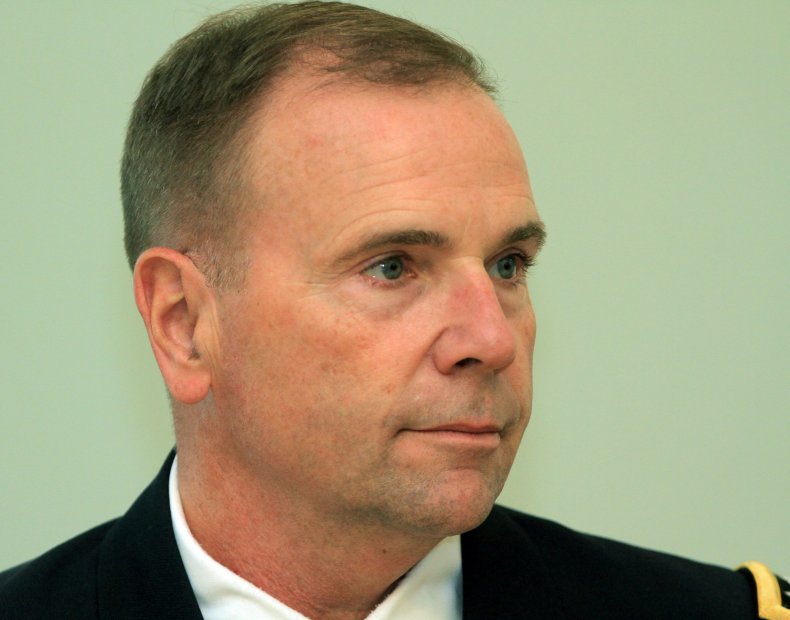
Ben Hodges, who was the commanding general of United States Army Europe, is seen in Vilnus, Lithuania, on September 1, 2017. The ongoing war in Ukraine and its aftermath may result in the end of modern Russia as the world knows it, according to Hodges.PETRAS MALUKAS/AFP VIA GETTY IMAGESWhen Russian President Vladimir Putin launched his attack on Ukraine on February 24, some expected to see a speedy Russian victory within days. But fierce Ukrainian resistance subverted expectations on how the conflict would unfold, causing Russia's image as a superior military power to crumble. The war has now stretched on for more than six months and marked its 200th day on Sunday. Western countries have vehemently criticized what Putin describes as his "special military operation" and imposed unprecedented sanctions on Russia.
Hodges said that the General Staff of the Armed Forces of Russia have seen "disastrous outcomes" due to four miscalculations they made upon entering Ukraine. The first is that the Kremlin believed that it had force advantage, and the second was that it thought Ukraine could be isolated from third party support, he explained.
Russia is reportedly facing manpower shortages and has been conducting a recruitment campaign and offering incentives in order to make up for the shortfall. Meanwhile, Ukraine has received assistance from various NATO and Western countries, including the U.S., which announced its newest $675 million Ukraine security assistance package last week.
The other two of Russia's miscalculations are that it believed "the gain of destroying Ukraine would be worth any pain," such as sanctions, and that it would get the added bonus of being able to "break" NATO as well, according to Hodges.
"All four were obviously wrong," he said.
READ MORE'Joy of Liberation'—Ukraine Soldiers Hugged by Locals After Russia Retreats
Russians Leave Behind Huge Arsenals of Ammunition While Retreating—Photo
Pro-Russia Official Facing 'Calm Before the Storm' as Ukraine Closes In
Kremlin spokesman Dmitry Peskov admitted while speaking to Russian-state media in June that the country's economic situation amid the war was "not easy." NATO, meanwhile, has stood behind Ukraine and actually stands to grow stronger as Sweden and Finland near membership.
Hodges said that Russia has four new strategic objectives in the war: reorganizing so it can see some semblance of victory and extract itself from the situation, fix its troubled economy and find new markets, ensure the survival of its regime, and rebuild to levels of strength from before the war.
"They assume we'll lose interest in the next few years so they'll plan to pick back up where they left off," he said, and added that this underlines the importance of Russia being "crushed now" so it doesn't have the opportunity to take additional aggressive action in the future.
When asked if Putin would still be in power in the future, Hodges responded that it's "hard to tell."
"He's spent the last 20 years making himself coup-proof and while I don't rule it out, I don't yet see the beginnings of an internal decision to remove him," he said.
Last year, the longtime Russian leader signed a law that could keep him in power until 2036. If that were to happen, Putin will hold the office for 24 consecutive years.
U.S. to Transfer Afghan Funds to Swiss Bank for Safekeeping
Armenia reports ceasefire after new border clashes with Azerbaijan over Nagorno-Karabakh

Chinese Cyber Espionage Against Russia Is About Keeping Tabs and Learning

2022 State of the Union Address by President von der Leyen
Averting an energy crisis requires bold investment in renewable energy — particularly in developing economies
Ukrainian Balakliya-Kupyansk Offensive: Sequence of Events, Mechanics and Consequences

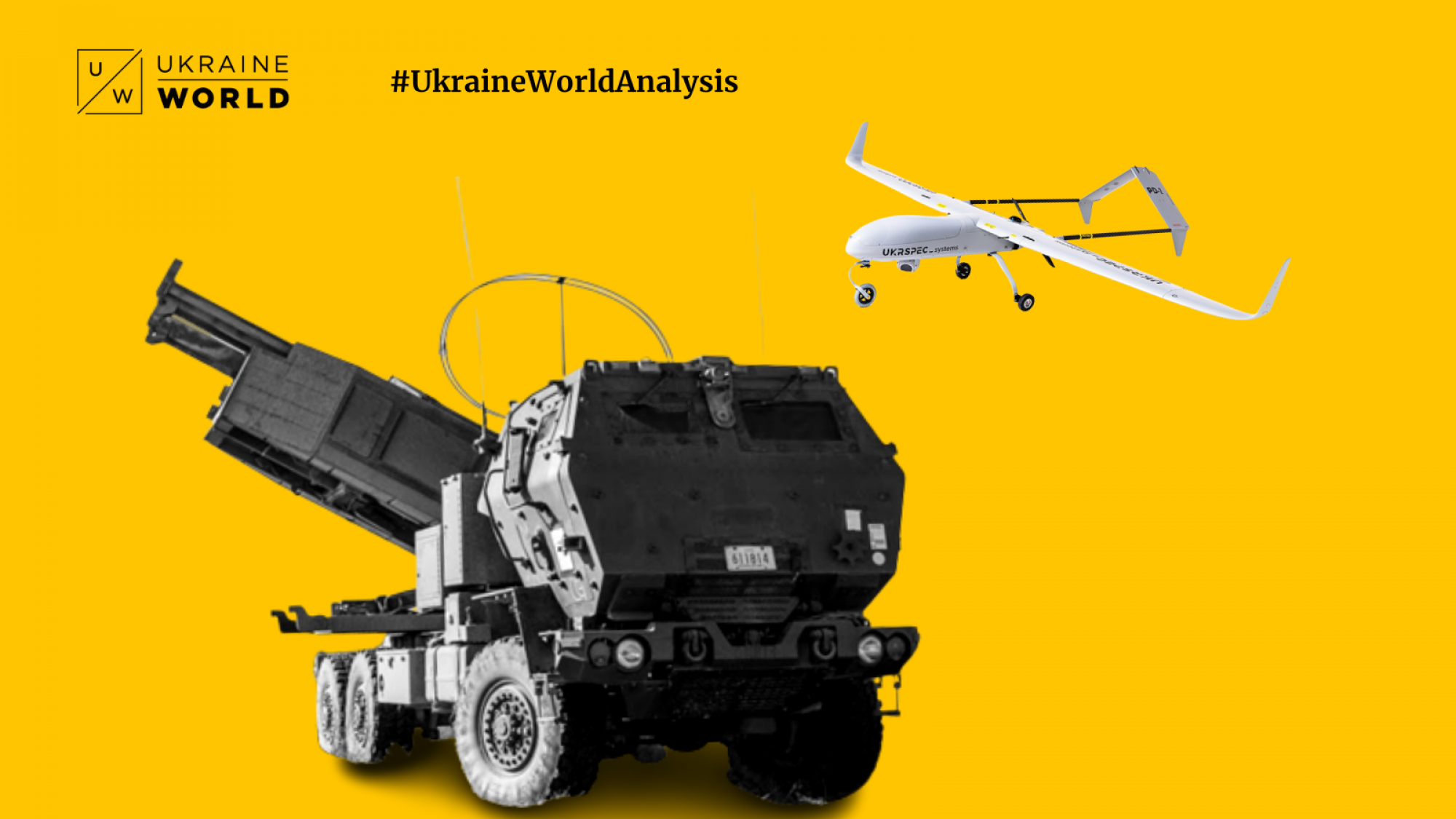
How Technological Advancements are Helping Ukraine on the Battlefield
Can Russia Shift Natural Gas Exports to China?
The Critical Moment Behind Ukraine’s Rapid Advance

The U.S. plans to expand a chip export ban on China, ratcheting up the tech war between the two countries

Exclusive: Biden to hit China with broader curbs on U.S. chip and tool exports -sources
US: Russia spent $300M to covertly influence world politics

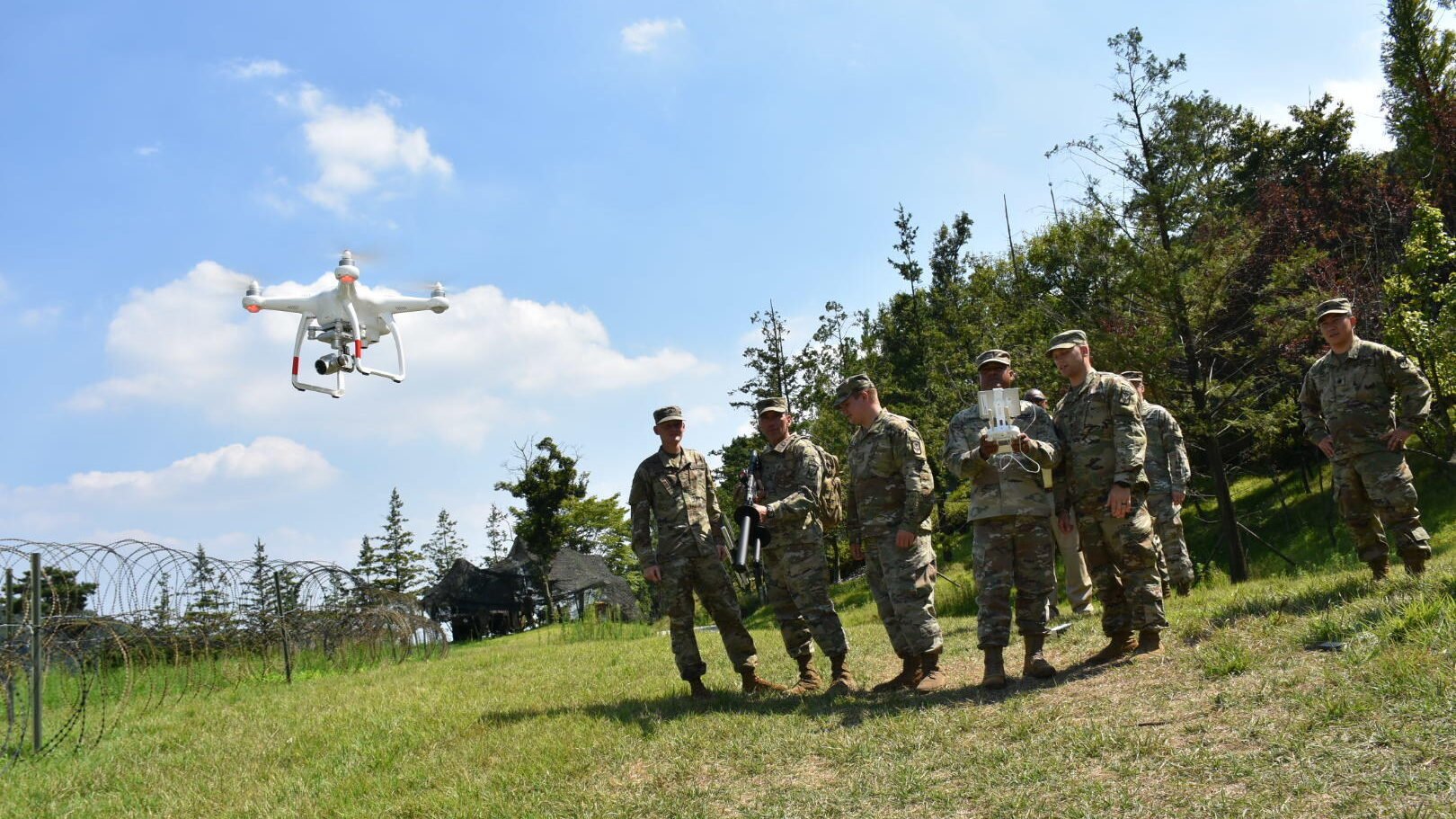
The ‘Kinetic Pendulum’: How the Army wants to defeat drone threats

How to use open source intelligence data to debunk Russian disinformation

What the U.S. gets wrong about China’s relationship with Russia, and Xi Jinping’s relationship with Vladimir Putin
:quality(100)/cloudfront-us-east-1.images.arcpublishing.com/thesummit/ID53TOVNCRG2HEUZYRQVJGGJSY.jpg)