The Profession of Arms: A Guide for Young Army Officers
It takes courage, especially for a young officer, to check a man met on the road for not saluting properly or for slovenly appearance, but, every time he does, it adds to his stock of moral courage, and whatever the soldier may say, he has respect for the officer who does pull him up.
Read Document →The Dragon's Teeth: Assessing China's Military Modernization
PLA has focused on modernising its capabilities across all warfare domains to achieve these goals. This includes land, air, and maritime operations, nuclear, space, counter-space, electronic warfare and cyberspace operations, aiming to become a fully integrated joint force.
Read Document →Transforming the PLA: A Decade of reorganisation from SSF to ISF
PRC has engaged in a sustained and broad effort to transform the PLA from an infantry-heavy, low-technology, ground forces-centric military into a high-technology, networked force with an increasing emphasis on joint operations and naval and air power projection.
Read Document →Eyes without Borders: Exploring the World of Open Source Intelligence (OSINT) in the Digital Age
Open Source Intelligence (OSINT) is gaining prominence with the rise of social media, the digital society and the vast growth of publicly and commercially available information (PAI and CAI).
Read Document →
The PLA’s Developing Cyber Warfare Capabilities and India's Options
Informationised warfare blurs the lines between peacetime and wartime. A nation in the information age cannot wait for the hostilities to break out to collect intelligence, carryout influence operations, develop antisatellite systems or design computer software weapons.
Read Document →
Galwan and After
Why did China did this when he is under tremendous pressure in all fronts, is this China's salami slice tactics being progressed rigorously, what will be new Rules of Engagement, what will be escalatory control mechanism, who has taken this decision, will there be some pressure put by China in India's North-East through insurgency.
Read Document →
India’s Joint Doctrine for Cyberspace Operations: A Critical Review
Chief of Defence Staff (CDS) General Anil Chauhan and Secretary, Department of Military Affairs, formally released declassified versions of the Joint Doctrines for Cyberspace Operations during the Chiefs of Staff Committee meeting in New Delhi.
Read Document →
Know your Enemy General(now Field Marshal) Syed Aseem Munir
Gen SA Munir's position in the hierarchy of Pakistan was not very comfortable. The state of economy, insurgency in Pakhtoonistan and Balochistan, attack on the Jaffar Express, constant protests by supporters of Imran Khan's supporters inside and outside of parliament.
Read Document →
Decoding Operation SINDOOR: Key Aspects and Implications
Precision strikes were carried out on nine sites—four in Pakistan and five in PoK—linked to anti-India terrorist groups such as the LeT, JeM and the Hizbul Mujahideen. The targeted sites included Muridke (LeT headquarters) and Bahawalpur (JeM headquarters).
Read Document →
Chinese Cyber Exploitation in India's Power Grid - Is There a linkage to Mumbai Power Outage?
The New York Times (NYT), based on analysis by a U.S. based private intelligence firm Recorded Future, reported that a Chinese entity penetrated India’s power grid at multiple load dispatch points. Chinese malware intruded into the control systems that manage electric supply across India, along with a high-voltage transmission substation and a coal-fired power plant
Read Document →26 July 2016
*** Territorial Disputes in the South China Sea
*** LESS IS MORE: THE ENABLED COMBAT BRIGADE HEADQUARTERS
*** On Turkey, NATO Succumbs to Geopolitics
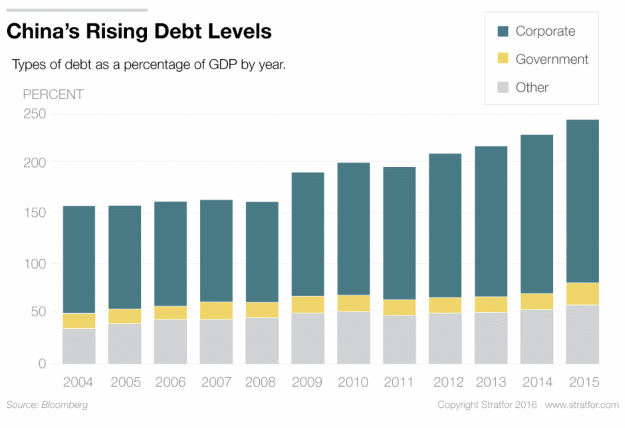
*** Stratfor: China Is Building Its Future on Credit
As China tries to overcome slowdowns in its industrial and trade sectors, the country’s banks have continued to increase the pace of lending, issuing 1.38 trillion yuan ($205.8 billion) worth of loans in June. The figure confirms some economists’ expectations that lending will keep rising as China’s central government attempts to revive economic growth and boost property markets that showed signs of another slump in May. It also indicates that despite Beijing’s repeated pledges to reduce the economy’s reliance on credit and state-led investment, the easy flow of financing from state-owned banks remains the country’s primary bulwark against widespread debt crises among corporations and local governments.
* A Peak Into Our Deep Dive An in-depth study of global developments.
** Were Turkish Coup Planners Involved in Downing Russian Jet?
** Appearances vs. Realities in China
** Weekly Graphic: Islamic Attacks Outside of Core
** Politics in Thailand Twilight of the king After the ailing monarch goes, what next?
** Devious Plans of China to bring in the issue of Andaman and Nicobar Islands ownership
Construction of Strategic Railway Lines
Moulding Perceptions to Incite Violence
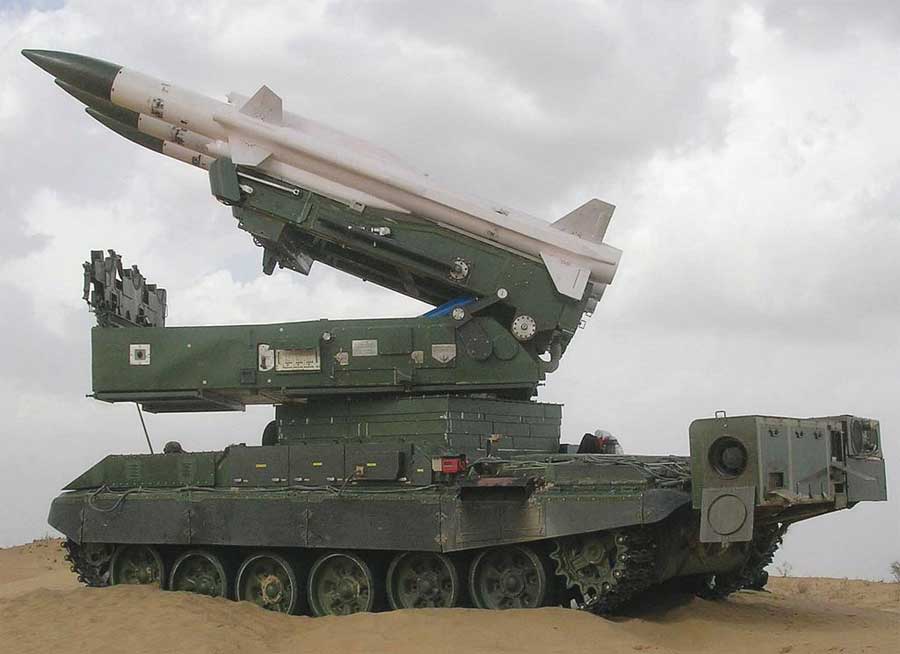
Modernisation of Army Air Defence
The Cost of Interlinking India's Rivers
The Future of India's Defense Exports
Water Security in South Asia: Running Dry and Running Out of Options
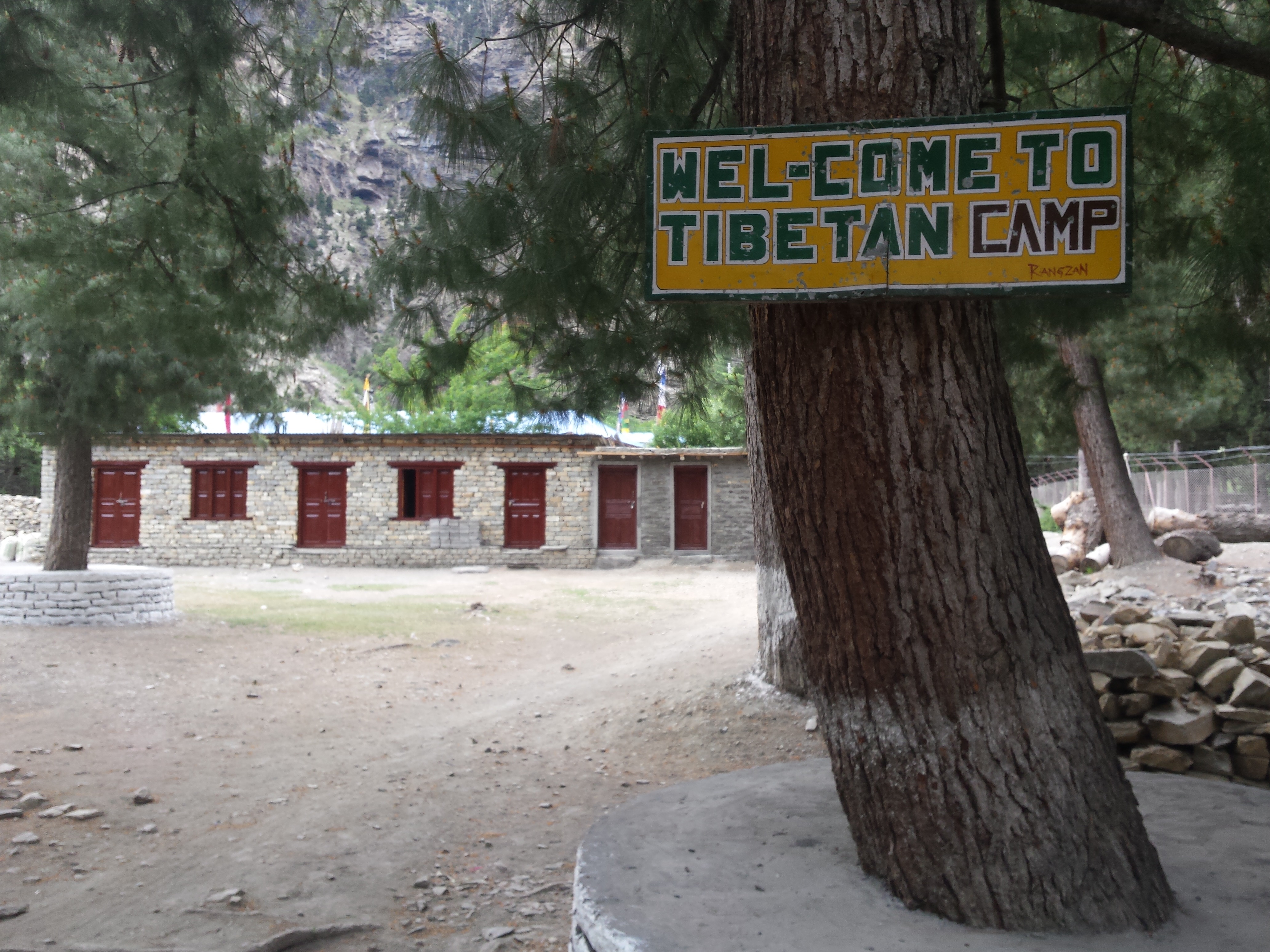
In the latest dispute between India and Pakistan, Islamabad has taken New Delhi to the International Court of Arbitration in The Hague over a longstanding water treaty. The move does not bode well for bilateral mediation between the two adversarial neighbors, and it underscores the greater difficulty of solving water disputes throughout the entire region. India, Pakistan, China, and Bangladesh rely on the same rivers for the wellbeing of their people, economies, and ecosystems. While every party agrees the stakes are incredibly high, there has been inadequate agreement on the multilateral frameworks and information sharing that could reduce rather than inflame regional tensions.A State Within a State: Tibetans in Nepal
Havaldar Kirpa Ram, the Hero of the Battle of Walong
Chinese Investments in Myanmar: A Dam too Far
Corruption, the South China Seas Land Grab, and More News About the Chinese Military
China’s Challenge to the Law of the Sea
China has rebuffed the landmark ruling by the Permanent Court of Arbitration, which knocked the bottom out of expansive Chinese territorial claims in the South China Sea and held that some of the country’s practices were in violation of international law. Recognizing that there is no mechanism to enforce the PCA’s ruling, China does not intend to give even an inch on its claims to everything that falls within its unilaterally drawn “nine-dash line.”Ensuring defiant unilateralism is not cost-free
China has been expanding its frontiers ever since it came under communist rule in 1949. Yet no country dared to haul it before an international tribunal till the Philippines in 2013 invoked the dispute-settlement mechanism of the United Nations Convention on the Law of the Sea (UNCLOS), thereby setting in motion the arbitration proceedings that this week resulted in the stinging rebuke of China’s expansive claims in the South China Sea.CIA Director Brennan Offers His Harsh Assessment on the Middle East
Does Iraq Have a Plan for After the Islamic State?
Salvaging the war on terror
The recent upsurge of jihadist attacks from Nice and Istanbul to Medina and Dhaka is a reminder that the global war on terror stands derailed. The use of a truck for perpetrating mass murder in the French Riviera city of Nice shows how a determined jihadist does not need access to technology or even a gun to unleash terror. Terrorists are increasingly employing innovative methods of attack, and all the recent strikes were on ‘soft’ targets.Where Are ISIS's Foreign Fighters Coming From?
Turkey’s Military Disconnect
U.S. Navy Sends Warships Into Black Sea for Military Exercise With Ukraine
July 22, 2016