The Profession of Arms: A Guide for Young Army Officers
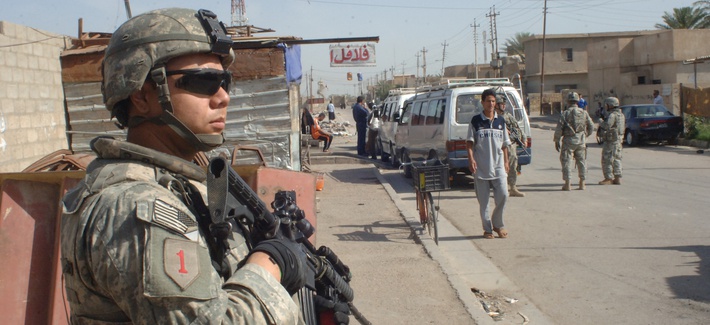
It takes courage, especially for a young officer, to check a man met on the road for not saluting properly or for slovenly appearance, but, every time he does, it adds to his stock of moral courage, and whatever the soldier may say, he has respect for the officer who does pull him up.
Read Document →The Dragon's Teeth: Assessing China's Military Modernization
PLA has focused on modernising its capabilities across all warfare domains to achieve these goals. This includes land, air, and maritime operations, nuclear, space, counter-space, electronic warfare and cyberspace operations, aiming to become a fully integrated joint force.
Read Document →Transforming the PLA: A Decade of reorganisation from SSF to ISF
PRC has engaged in a sustained and broad effort to transform the PLA from an infantry-heavy, low-technology, ground forces-centric military into a high-technology, networked force with an increasing emphasis on joint operations and naval and air power projection.
Read Document →Eyes without Borders: Exploring the World of Open Source Intelligence (OSINT) in the Digital Age
Open Source Intelligence (OSINT) is gaining prominence with the rise of social media, the digital society and the vast growth of publicly and commercially available information (PAI and CAI).
Read Document →
The PLA’s Developing Cyber Warfare Capabilities and India's Options
Informationised warfare blurs the lines between peacetime and wartime. A nation in the information age cannot wait for the hostilities to break out to collect intelligence, carryout influence operations, develop antisatellite systems or design computer software weapons.
Read Document →
Galwan and After
Why did China did this when he is under tremendous pressure in all fronts, is this China's salami slice tactics being progressed rigorously, what will be new Rules of Engagement, what will be escalatory control mechanism, who has taken this decision, will there be some pressure put by China in India's North-East through insurgency.
Read Document →
India’s Joint Doctrine for Cyberspace Operations: A Critical Review
Chief of Defence Staff (CDS) General Anil Chauhan and Secretary, Department of Military Affairs, formally released declassified versions of the Joint Doctrines for Cyberspace Operations during the Chiefs of Staff Committee meeting in New Delhi.
Read Document →
Know your Enemy General(now Field Marshal) Syed Aseem Munir
Gen SA Munir's position in the hierarchy of Pakistan was not very comfortable. The state of economy, insurgency in Pakhtoonistan and Balochistan, attack on the Jaffar Express, constant protests by supporters of Imran Khan's supporters inside and outside of parliament.
Read Document →
Decoding Operation SINDOOR: Key Aspects and Implications
Precision strikes were carried out on nine sites—four in Pakistan and five in PoK—linked to anti-India terrorist groups such as the LeT, JeM and the Hizbul Mujahideen. The targeted sites included Muridke (LeT headquarters) and Bahawalpur (JeM headquarters).
Read Document →
Chinese Cyber Exploitation in India's Power Grid - Is There a linkage to Mumbai Power Outage?
The New York Times (NYT), based on analysis by a U.S. based private intelligence firm Recorded Future, reported that a Chinese entity penetrated India’s power grid at multiple load dispatch points. Chinese malware intruded into the control systems that manage electric supply across India, along with a high-voltage transmission substation and a coal-fired power plant
Read Document →8 June 2020
Analysis | China’s Belt and Road Initiative fuels Ladakh standoff
Lt Gen. (Dr) Rajesh Pant on India's National Cyber Security Strategy, Indo-US cooperation, end-to-end encryption and more
Govt asked to recover Rs100bn from ‘corrupt’ IPPs
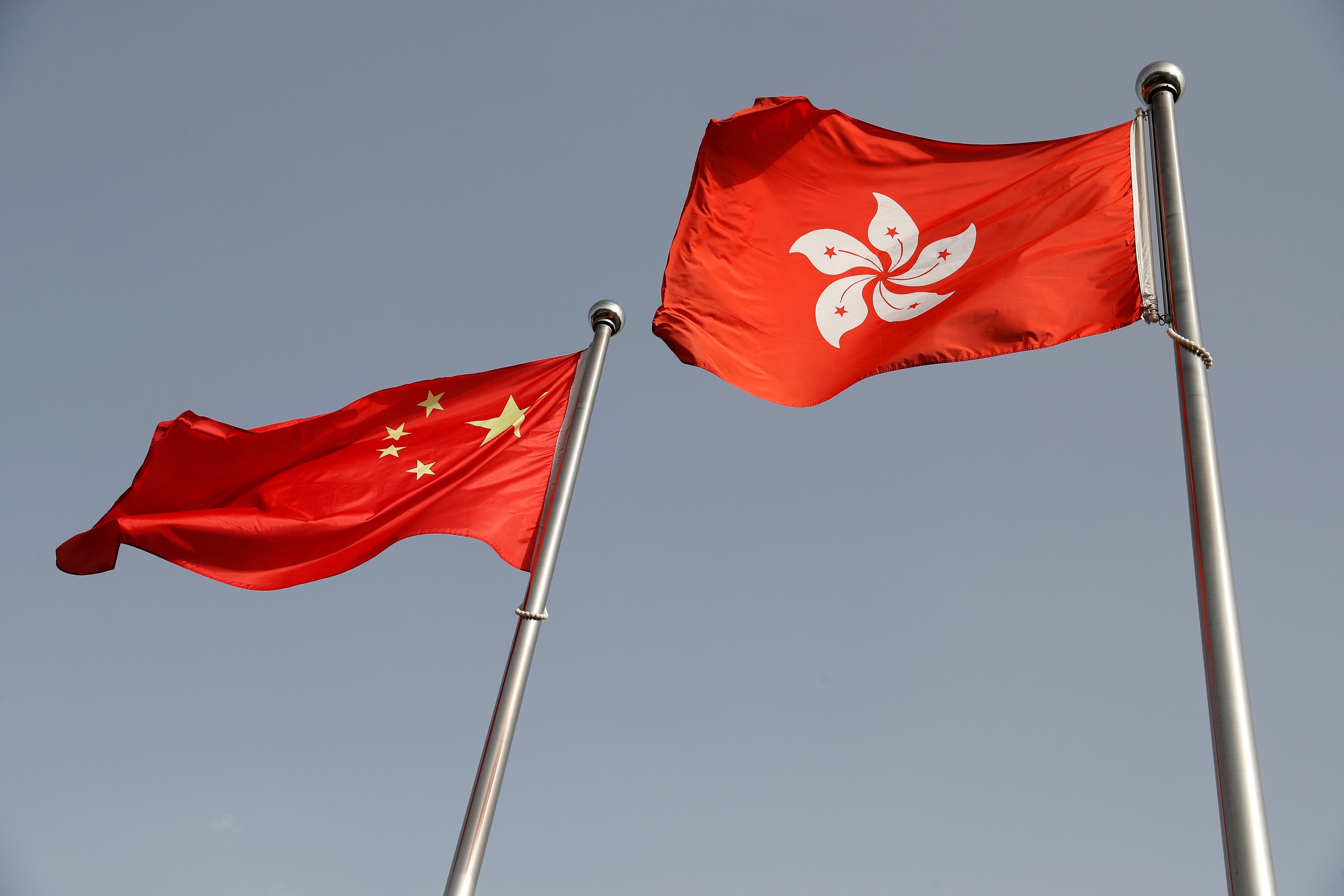
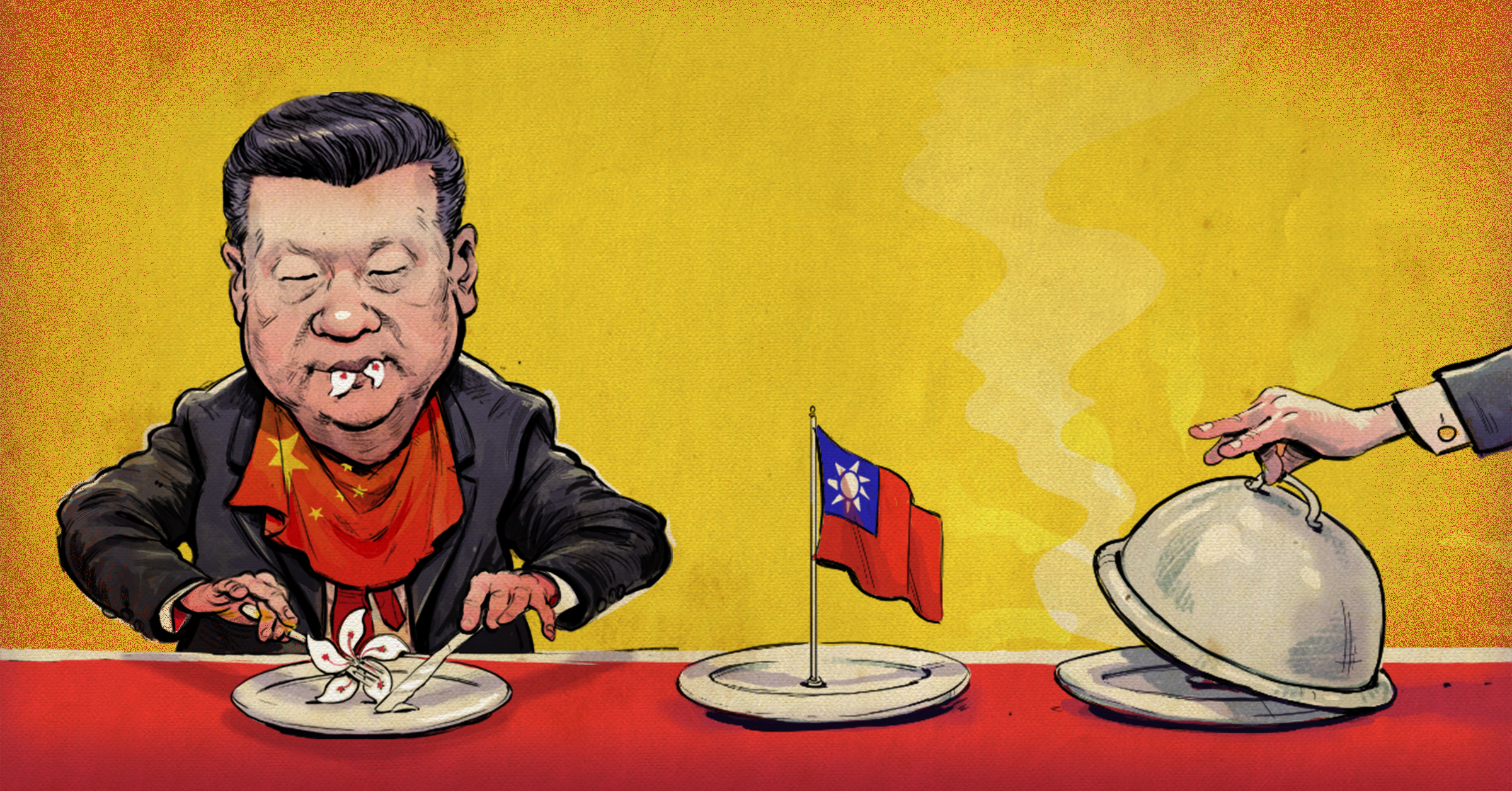
The National People’s Congress 2020: The Hong Kong National Security Law and China’s Enhanced Presence
The National Security in Hong Kong Law, adopted recently at the annual gathering of the Two Sessions ("Lianghui") of the People’s Congress in China, reflects Beijing’s interest in preserving Chinese sovereignty in face of “concerns regarding foreign intervention” in territories that are defined as a “core interest.” After the law’s enactment, the United States, Britain, Australia, and Canada issued a joint statement expressing deep concern regarding the legislation. Still, their response was relatively moderate and included no practical aspects. President Donald Trump stated that the United States will no longer recognize Hong Kong’s status of a special international trade zone. The law’s significance goes beyond the context of Hong Kong alone; it is a clear message that China will take all measures it deems necessary to maintain stability, unity, and Chinese sovereignty. For Israel, Hong Kong still constitutes a bridge for trade with Asia, as well as an additional commercial gate of entry into China. Thus far, Israel has not made a public statement regarding the disturbances in Hong Kong, and it is advised to continue this reticence.Esper Opposes Insurrection Act Use
9 predictions for 2020–2029
Fast-forward China: 30 ways companies are reactivating business and reimagining the future beyond COVID-19
6 charts that show what employers and employees really think about remote working
Chinese Perspectives on International Relations in the Xi Jinping Era
On Tiananmen Anniversary, Hong Kong Protesters Brace for Their Chinese Crackdown
The world failed after Tiananmen Square. We must not fail Hong Kong now.
Is Hong Kong Still Autonomous? What to Know About China’s New Laws
Will China Set Up an Air Defense Identification Zone in the South China Sea?
What The Iraq War Can Teach Us About Better Policing
The Influence of Coronavirus on Diplomatic Relations: Iran, China, Gulf Arabs, and India
The U.S. Election Will Determine Assad’s Future
The economic impact of the Syrian civil war has battered the country and threatens a new round of unrest. As economic conditions similarly worsen in Iran—Syria’s main financial backer, whose support surpasses even that of Russia—Syria has been forced to rely on its own limited resources, to little effect. Now, the survival of President Bashar al-Assad’s regime ironically rests on the outcome of the U.S. presidential election this November and what it will mean for U.S.-Iranian relations.The Generals Are Speaking Up. Is That a Good Thing?
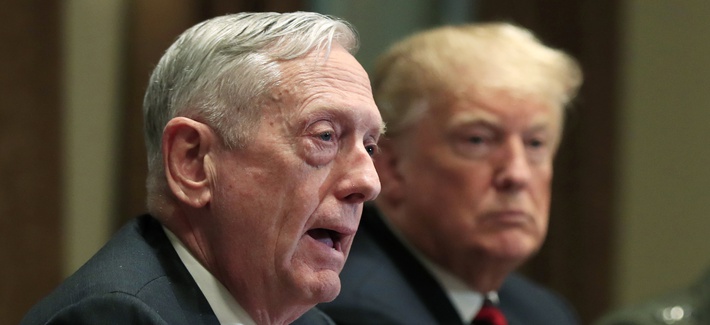
Scholars are warning about what others are celebrating as a necessary corrective to a commander in chief gone wrong.How the world can ‘reset’ itself after COVID-19 – according to these experts
U.S. Allies Look on in Dismay While U.S. Rivals Rejoice
How Police Became Paramilitaries
This next-gen AI chip could be a major instrument in advancing the tech
Global Health Security Turns to Confront Cyber Threats
On May 19, the World Health Assembly adopted a new resolution calling upon all member states to confront cyber threats to global health. Such a resolution is unprecedented in the history of the World Health Organization, and developing effective policies against cyber threats will be a daunting challenge for the global health community. Will China reinvent the Internet?
The Stakes Are High, and We Must Be Better Than This
Source Link
On Wednesday, current and former military leaders came out with powerful messages against President Donald Trump’s calls to deploy the U.S. military to quash nationwide protests against racial injustice, set off by the gruesome killing of George Floyd at the hands of the Minneapolis police.Approaches for Strengthening Total Force Culture and Facilitating Cross-Component Integration in the U.S. Military
While all U.S. military services have strived to achieve greater total force integration and a stronger total force culture across their active and reserve components, significant impediments limit the achievement of these objectives. Thus, the issue continues to capture the attention of policymakers who seek ways to overcome these impediments and facilitate greater integration.