Yet the S-400 deal is problematic. The Pentagon fears that the purchase of the S-400 by India, as well as by NATO-member Turkey, would compromise the security of U.S.-fabricated weaponry. Washington has feared that the deployment of S-400 in both India and Turkey will permit Moscow to obtain information about U.S. radar cross-section and electronic emissions, for example. Unless waivers are granted, Washington has accordingly threatened to sanction states that purchase Russian defense systems—under President Donald Trump’s “Countering America’s Adversaries Through Sanctions Act” or CAATSA.The Profession of Arms: A Guide for Young Army Officers
It takes courage, especially for a young officer, to check a man met on the road for not saluting properly or for slovenly appearance, but, every time he does, it adds to his stock of moral courage, and whatever the soldier may say, he has respect for the officer who does pull him up.
Read Document →The Dragon's Teeth: Assessing China's Military Modernization
PLA has focused on modernising its capabilities across all warfare domains to achieve these goals. This includes land, air, and maritime operations, nuclear, space, counter-space, electronic warfare and cyberspace operations, aiming to become a fully integrated joint force.
Read Document →Transforming the PLA: A Decade of reorganisation from SSF to ISF
PRC has engaged in a sustained and broad effort to transform the PLA from an infantry-heavy, low-technology, ground forces-centric military into a high-technology, networked force with an increasing emphasis on joint operations and naval and air power projection.
Read Document →Eyes without Borders: Exploring the World of Open Source Intelligence (OSINT) in the Digital Age
Open Source Intelligence (OSINT) is gaining prominence with the rise of social media, the digital society and the vast growth of publicly and commercially available information (PAI and CAI).
Read Document →
The PLA’s Developing Cyber Warfare Capabilities and India's Options
Informationised warfare blurs the lines between peacetime and wartime. A nation in the information age cannot wait for the hostilities to break out to collect intelligence, carryout influence operations, develop antisatellite systems or design computer software weapons.
Read Document →
Galwan and After
Why did China did this when he is under tremendous pressure in all fronts, is this China's salami slice tactics being progressed rigorously, what will be new Rules of Engagement, what will be escalatory control mechanism, who has taken this decision, will there be some pressure put by China in India's North-East through insurgency.
Read Document →
India’s Joint Doctrine for Cyberspace Operations: A Critical Review
Chief of Defence Staff (CDS) General Anil Chauhan and Secretary, Department of Military Affairs, formally released declassified versions of the Joint Doctrines for Cyberspace Operations during the Chiefs of Staff Committee meeting in New Delhi.
Read Document →
Know your Enemy General(now Field Marshal) Syed Aseem Munir
Gen SA Munir's position in the hierarchy of Pakistan was not very comfortable. The state of economy, insurgency in Pakhtoonistan and Balochistan, attack on the Jaffar Express, constant protests by supporters of Imran Khan's supporters inside and outside of parliament.
Read Document →
Decoding Operation SINDOOR: Key Aspects and Implications
Precision strikes were carried out on nine sites—four in Pakistan and five in PoK—linked to anti-India terrorist groups such as the LeT, JeM and the Hizbul Mujahideen. The targeted sites included Muridke (LeT headquarters) and Bahawalpur (JeM headquarters).
Read Document →
Chinese Cyber Exploitation in India's Power Grid - Is There a linkage to Mumbai Power Outage?
The New York Times (NYT), based on analysis by a U.S. based private intelligence firm Recorded Future, reported that a Chinese entity penetrated India’s power grid at multiple load dispatch points. Chinese malware intruded into the control systems that manage electric supply across India, along with a high-voltage transmission substation and a coal-fired power plant
Read Document →2 August 2020
The Great China-India Clash Everyone Saw Coming
Yet the S-400 deal is problematic. The Pentagon fears that the purchase of the S-400 by India, as well as by NATO-member Turkey, would compromise the security of U.S.-fabricated weaponry. Washington has feared that the deployment of S-400 in both India and Turkey will permit Moscow to obtain information about U.S. radar cross-section and electronic emissions, for example. Unless waivers are granted, Washington has accordingly threatened to sanction states that purchase Russian defense systems—under President Donald Trump’s “Countering America’s Adversaries Through Sanctions Act” or CAATSA.How Pakistan’s Political Parties Spread Radicalism
The Punjab Provincial Assembly’s new Tahaffuz-e-Bunyad-e-Islam (protecting the foundation of Islam) Bill 2020 has drawn widespread criticism from across the political spectrum.Pakistani Counterinsurgency in the FATA: Repeating Past Mistakes
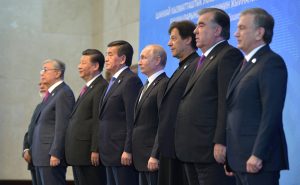
Post-COVID, China Set to Gain in Central Asia
Over the last decade, China cemented its position as a consequential actor in Central Asia. Motivated to increase regional connectivity, diversify sources of energy imports, and safeguard its western territories, China invested heavily in trade and infrastructure projects in Central Asia. The Belt and Road Initiative (BRI), launched in 2013, became the cornerstone of China’s rising power in the region. The COVID-19 pandemic, which upended many regional economies, offers China an opportunity to reevaluate its overall strategy. China’s post-COVID plans for Central Asia will need to not only consider its ability to push forward with the BRI, but also wrestle with obstacles that have hindered its progress in recent years.Was the Pentagon’s Blacklist of Chinese Companies Justified?
When Defense Department officials released a list of companies it claimed were linked to Chinese military activity back in June, they didn’t provide much explanation or evidence. Naturally, some of the companies on the list protested, claiming unfair treatment and no involvement with the Chinese government. So who is right? China’s catastrophic success: US strategic blunders fuel rivalry
Chinese AI Is Creating an Axis of Autocracy
Axis of Disruption: Chinese and Russian Influence and Interference in EuropeKarin von Hippel
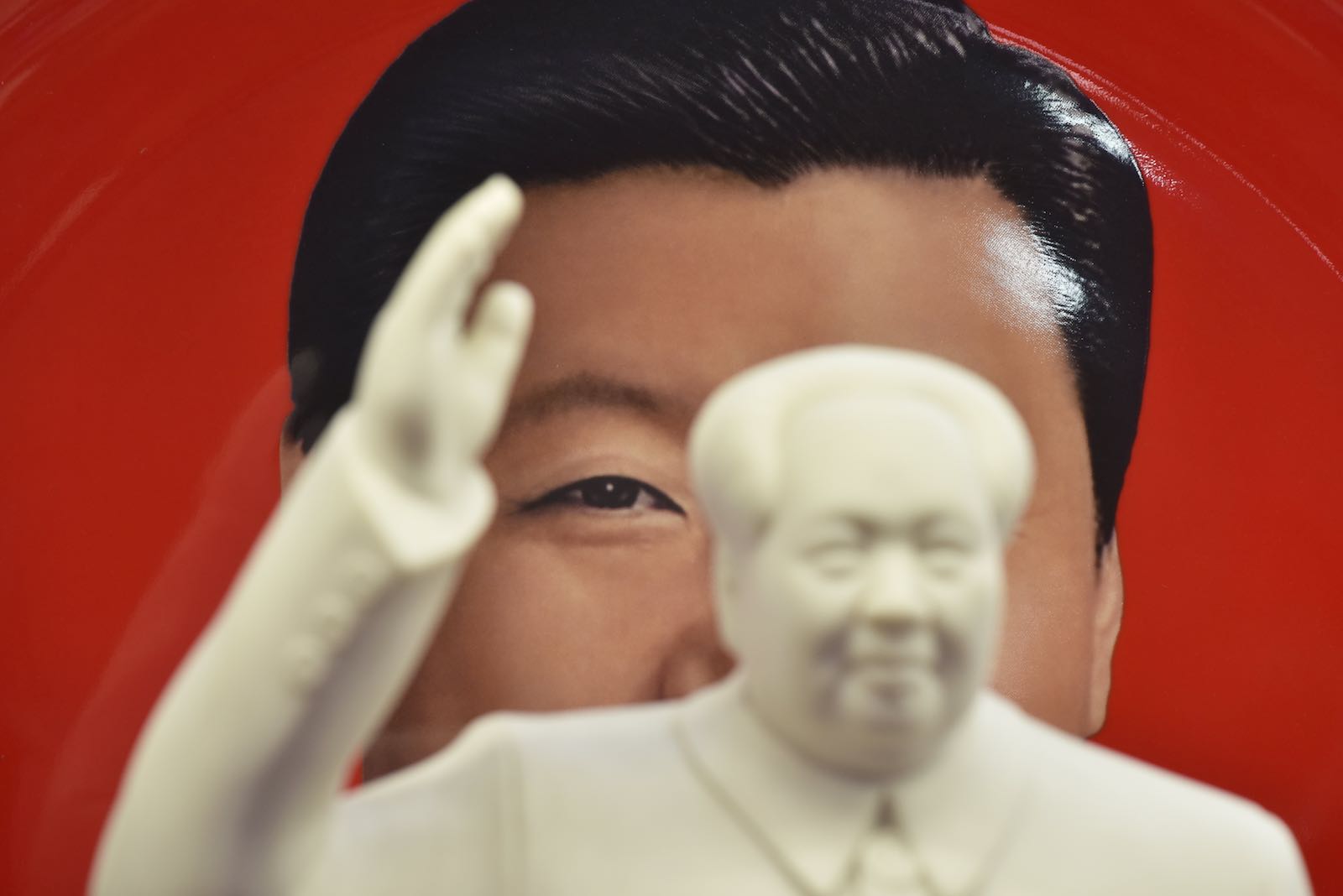
China's Grand Strategy
THE RISKS OF CHINA’S AMBITIONS IN THE SOUTH PACIFIC
CHINA'S DEEP STATE: THE COMMUNIST PARTY AND THE CORONAVIRUS
Telling China’s Story: The Chinese Communist Party’s Campaign To Shape Global Narratives
Troubled vision: Understanding recent Israeli–Iranian offensive cyber exchanges
The threat of the Islamic State’s extensive use of Improvised Explosives
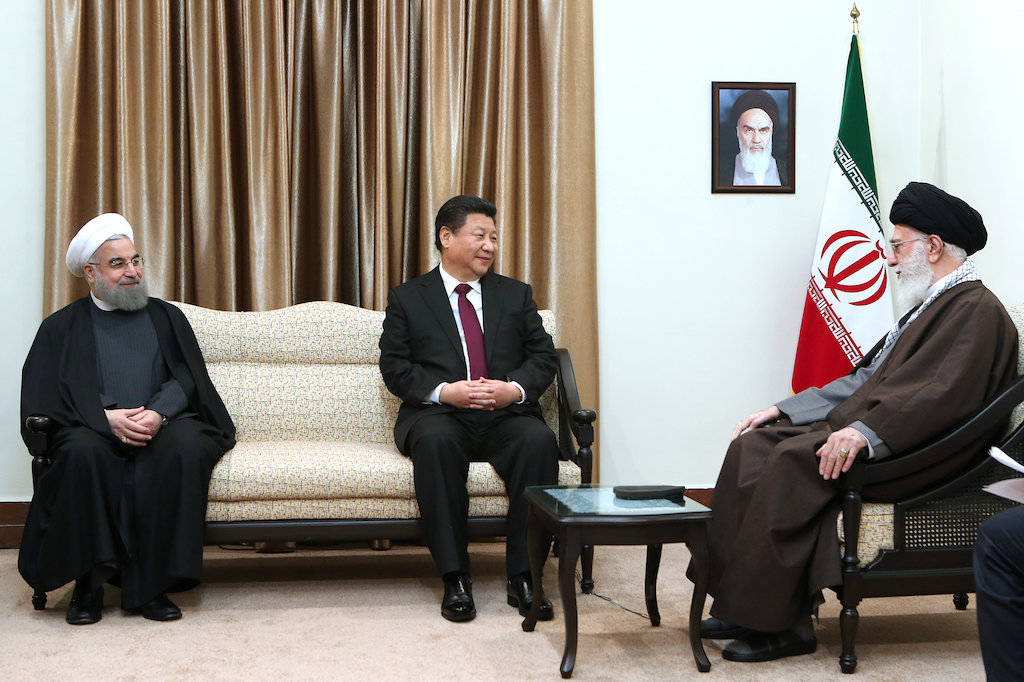
Iran and China: On the Way to a Long-Term Strategic Agreement?
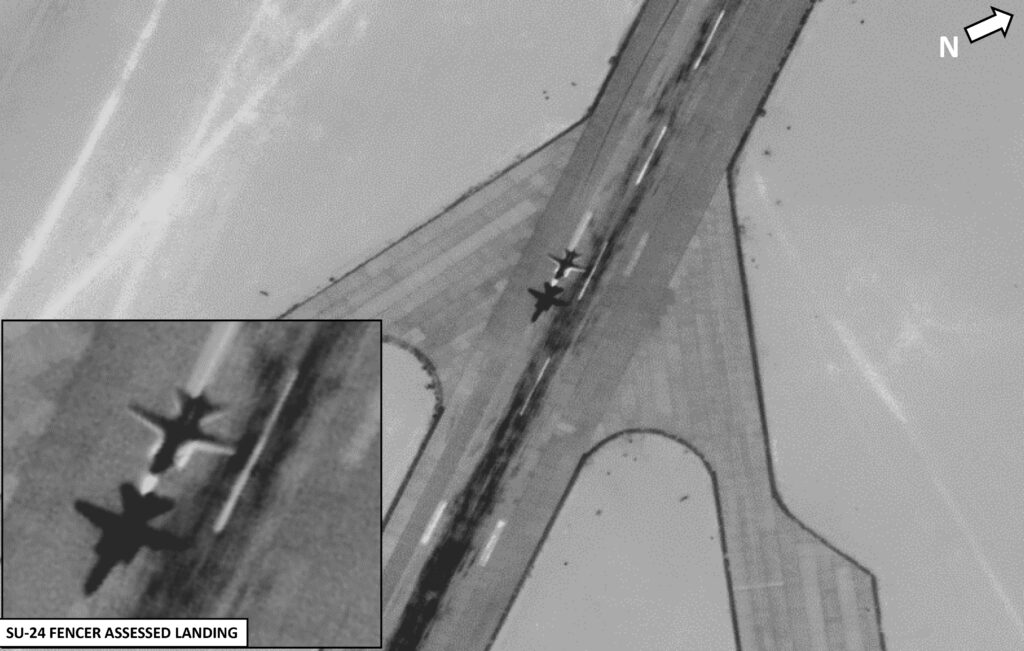
Don’t Let Turks & Russians Carve Up Libya
Today, Turkey and Russia stand on opposing sides of the next battle line in Libya’s escalating civil war. But even if they trade blows over the strategic coastal city of Sirte and the nearby airbase at al-Jufra, it remains highly likely that they will ultimately divide the country between themselves, with troubling implications for American interests and regional stability.Resurrecting War Plan Blue
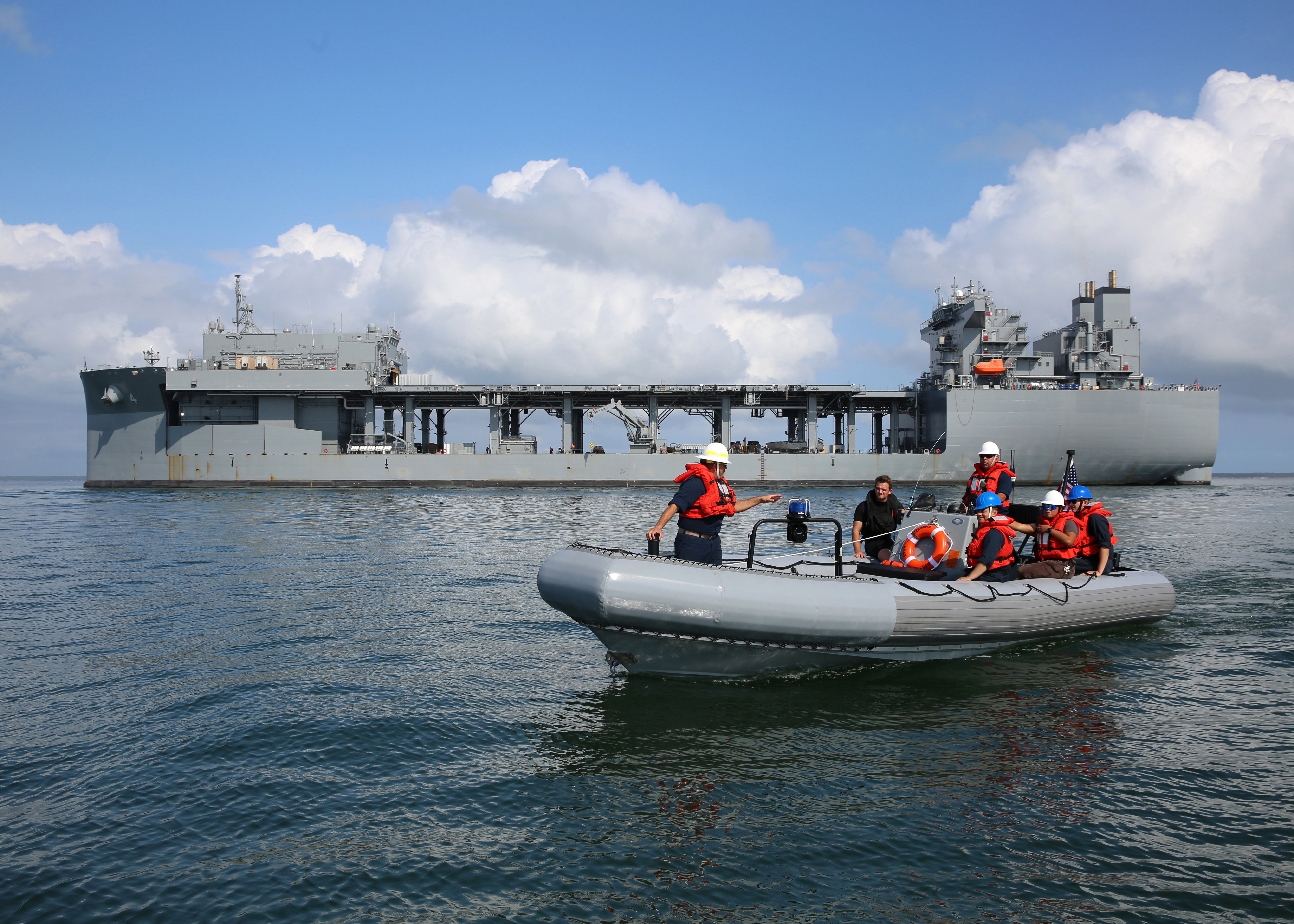
Expeditionary Seabase USS Hershel ‘Woody’ Williams Deploys for AFRICOM
Capt. David Gray, the military detachment officer in charge of the Military Sealift Command expeditionary sea base USS Hershel ‘Woody’ Williams (ESB-4), gives guidance and direction to Sailors while leading a training evolution aboard one of the ship’s ridged-hull inflatable boats while the ship was at anchor in the Chesapeake Bay, Sept. 15, 2019. Hershel ‘Woody’ Williams is conducting mine countermeasures equipment testing. US Navy photo.Revisiting the White Swans of 2020
Progress on Global Nuclear Security Has Slowed Significantly, According to 2020 NTI Index
Muslim Brotherhood, Antifa, and hybrid warfare to destabilize America?
The National Union of Free Syria Students, led by Hassan Darwish; the Levant Ulema League; the Independent Islamic Democratic Current, led by Ghassan Najjar; the Syrian Ulema League, led by Mohammed Farouq Battal; the Civil Society Organizations’ Union, a bloc of 40 Brotherhood-affiliated groups; the Syrian Arab Tribal Council, led by Salem Al Moslet and Abdulilah Mulhim; the Revolution Council for Aleppo and Its Countryside, led by Ahmed Ramadan; the Body for Protection of Civilians, led by Natheer Hakim; the National Work Front, led by Ramadan and Obeida Nahas;
the Kurdish Work Front, led by Hussain Abdulhadi; the Syrian Revolution Facebook page, which decides the names for Friday’s protests; the Hama Revolution Gathering; the National Coalition for Civilian Protection, led by Haitham Rahma; and the Syrian Society for Humanitarian Relief, founded by Hamdi Othman. The Brotherhood further benefited from the support of foreign sponsors such as Turkey, Qatar, US under the Obama administration, as well as France and Britain2 . However, Egypt, UAE and Saudi Arabia consider them a terrorist organization, and Egypt had sharply rebuked the US for supporting the Brotherhood.3
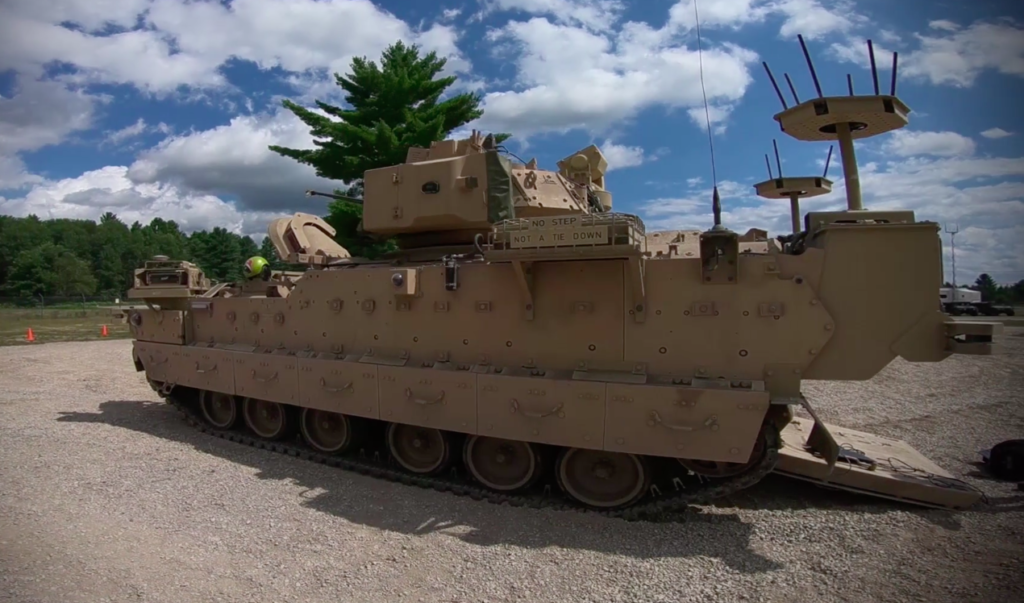
Two Men & A Bot: Can AI Help Command A Tank?
WASHINGTON: Field tests and computer models have convinced the Army that future armored vehicles can fight with just two human crew, assisted by automation, instead of the traditional three or more, the service’s armor modernization chief told me.Rethinking the UK Response to Cyber Fraud: Key Policy ChallengesSneha Dawda, Ardi Janjeva and Anton Moiseienko
Competition and Cooperation in the Maritime Domain
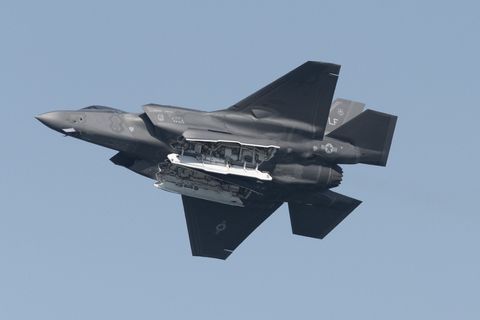
Competition over the world’s maritime resources and territorial disputes over maritime borders are becoming increasingly prominent in international affairs. At the same time, depleted fish stocks and polluted waters make the question of how countries can collectively manage maritime resources a central one, particularly in discussions over climate change.This Is What the F-35 of the Future Will Look Like
The F-35, which has undergone a 20-year design and development effort, is scheduled for a slew of technology upgrades to keep the aircraft current.