The Profession of Arms: A Guide for Young Army Officers
It takes courage, especially for a young officer, to check a man met on the road for not saluting properly or for slovenly appearance, but, every time he does, it adds to his stock of moral courage, and whatever the soldier may say, he has respect for the officer who does pull him up.
Read Document →The Dragon's Teeth: Assessing China's Military Modernization
PLA has focused on modernising its capabilities across all warfare domains to achieve these goals. This includes land, air, and maritime operations, nuclear, space, counter-space, electronic warfare and cyberspace operations, aiming to become a fully integrated joint force.
Read Document →Transforming the PLA: A Decade of reorganisation from SSF to ISF
PRC has engaged in a sustained and broad effort to transform the PLA from an infantry-heavy, low-technology, ground forces-centric military into a high-technology, networked force with an increasing emphasis on joint operations and naval and air power projection.
Read Document →Eyes without Borders: Exploring the World of Open Source Intelligence (OSINT) in the Digital Age
Open Source Intelligence (OSINT) is gaining prominence with the rise of social media, the digital society and the vast growth of publicly and commercially available information (PAI and CAI).
Read Document →
The PLA’s Developing Cyber Warfare Capabilities and India's Options
Informationised warfare blurs the lines between peacetime and wartime. A nation in the information age cannot wait for the hostilities to break out to collect intelligence, carryout influence operations, develop antisatellite systems or design computer software weapons.
Read Document →
Galwan and After
Why did China did this when he is under tremendous pressure in all fronts, is this China's salami slice tactics being progressed rigorously, what will be new Rules of Engagement, what will be escalatory control mechanism, who has taken this decision, will there be some pressure put by China in India's North-East through insurgency.
Read Document →
India’s Joint Doctrine for Cyberspace Operations: A Critical Review
Chief of Defence Staff (CDS) General Anil Chauhan and Secretary, Department of Military Affairs, formally released declassified versions of the Joint Doctrines for Cyberspace Operations during the Chiefs of Staff Committee meeting in New Delhi.
Read Document →
Know your Enemy General(now Field Marshal) Syed Aseem Munir
Gen SA Munir's position in the hierarchy of Pakistan was not very comfortable. The state of economy, insurgency in Pakhtoonistan and Balochistan, attack on the Jaffar Express, constant protests by supporters of Imran Khan's supporters inside and outside of parliament.
Read Document →
Decoding Operation SINDOOR: Key Aspects and Implications
Precision strikes were carried out on nine sites—four in Pakistan and five in PoK—linked to anti-India terrorist groups such as the LeT, JeM and the Hizbul Mujahideen. The targeted sites included Muridke (LeT headquarters) and Bahawalpur (JeM headquarters).
Read Document →
Chinese Cyber Exploitation in India's Power Grid - Is There a linkage to Mumbai Power Outage?
The New York Times (NYT), based on analysis by a U.S. based private intelligence firm Recorded Future, reported that a Chinese entity penetrated India’s power grid at multiple load dispatch points. Chinese malware intruded into the control systems that manage electric supply across India, along with a high-voltage transmission substation and a coal-fired power plant
Read Document →20 December 2020
India’s Out of RCEP: What’s Next for the Country and Free Trade?

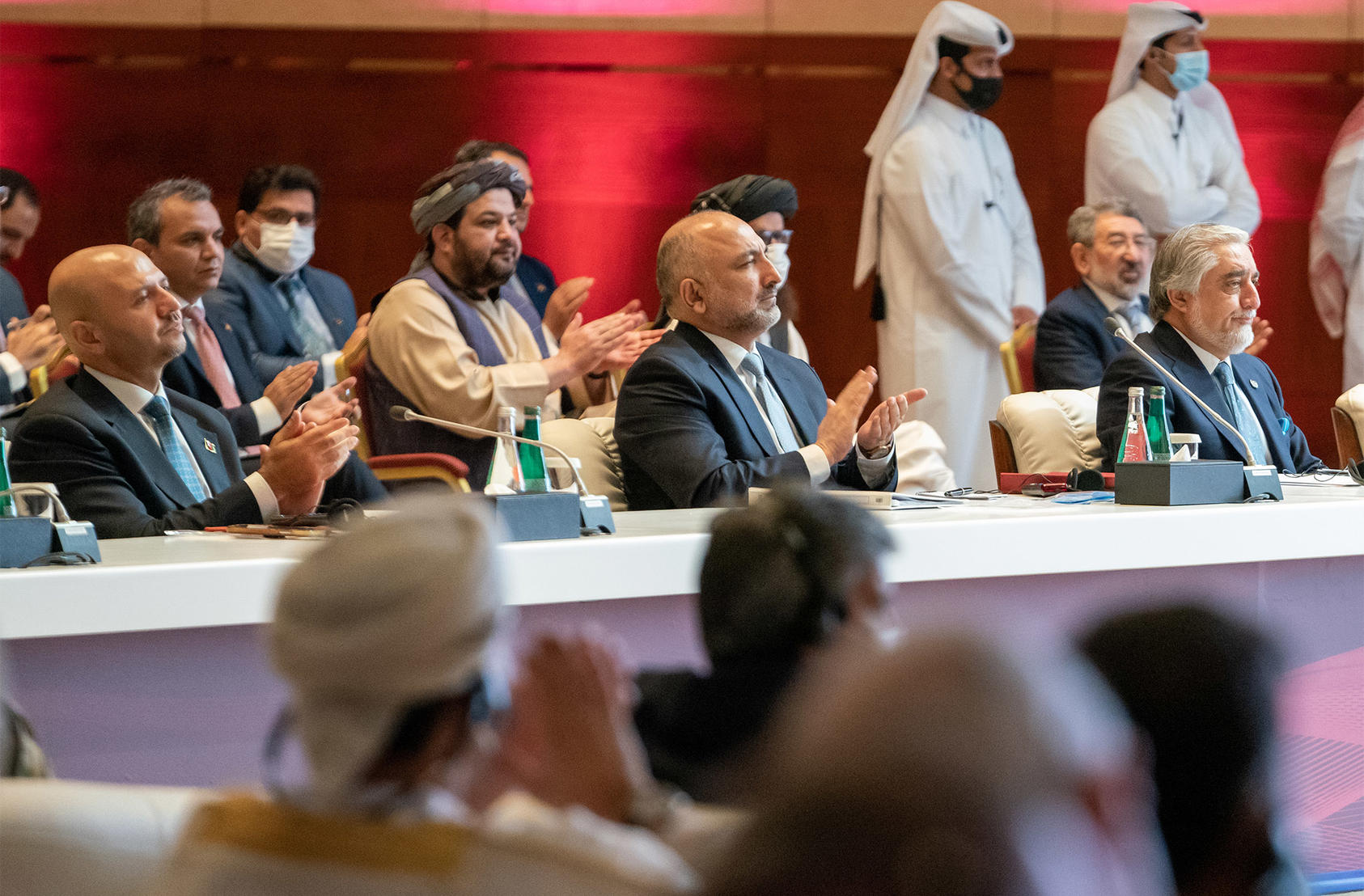
Five Things to Know About the Afghan Peace Talks

Counterterrorism or Counterinsurgency? Biden’s Coming Afghanistan Dilemma
The 1st Battalion The Royal Welsh (Royal Welch Fusiliers 23rd Foot) and assigned units including Afghan National Army, Afghan National Police, Estonian Forces and French Army carry out ongoing training and preparation for OP Moshtarak, in Helmand Province, Afghanistan, 2010.Credit: Flickr/ResoluteSupportMediaHow Should Democracies Confront China’s Digital Rise? Weighing the Merits of a T-10 Alliance

With Americans Stuck at Home, Trade With China Roars Back

China Building 1,200-Mile Southern Great Wall Along Myanmar Border: Reports
China’s Space Program Suggests Decoupling Won’t Work Like the US Hopes

Pandemic Border Restrictions Crush Hong Kong’s Economy

China’s military modernisation
Assessing the Impact of U.S.-China Technology Competition and Decoupling: Focusing on 5G
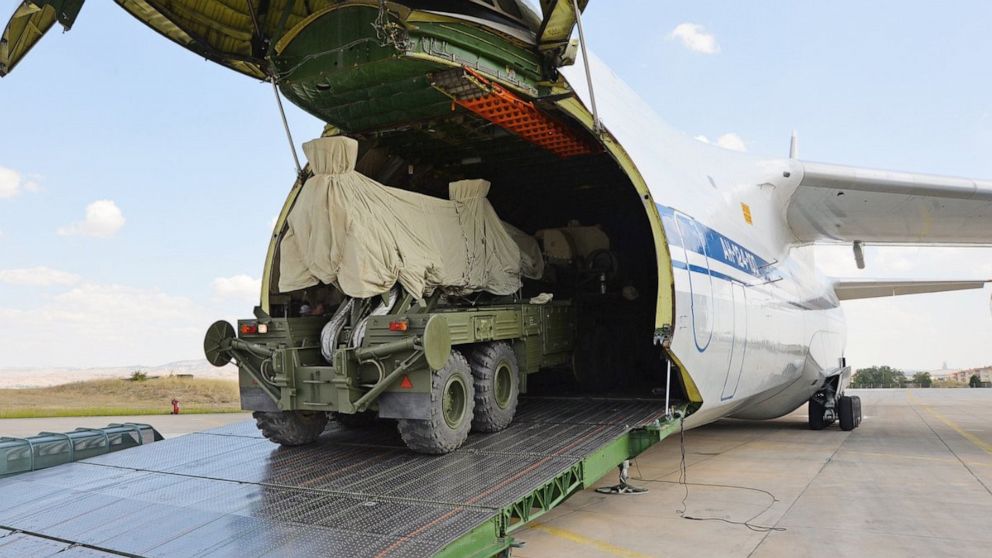
US Sanctions Turkey Over Russian Air Defense System, Raising Questions and Concerns

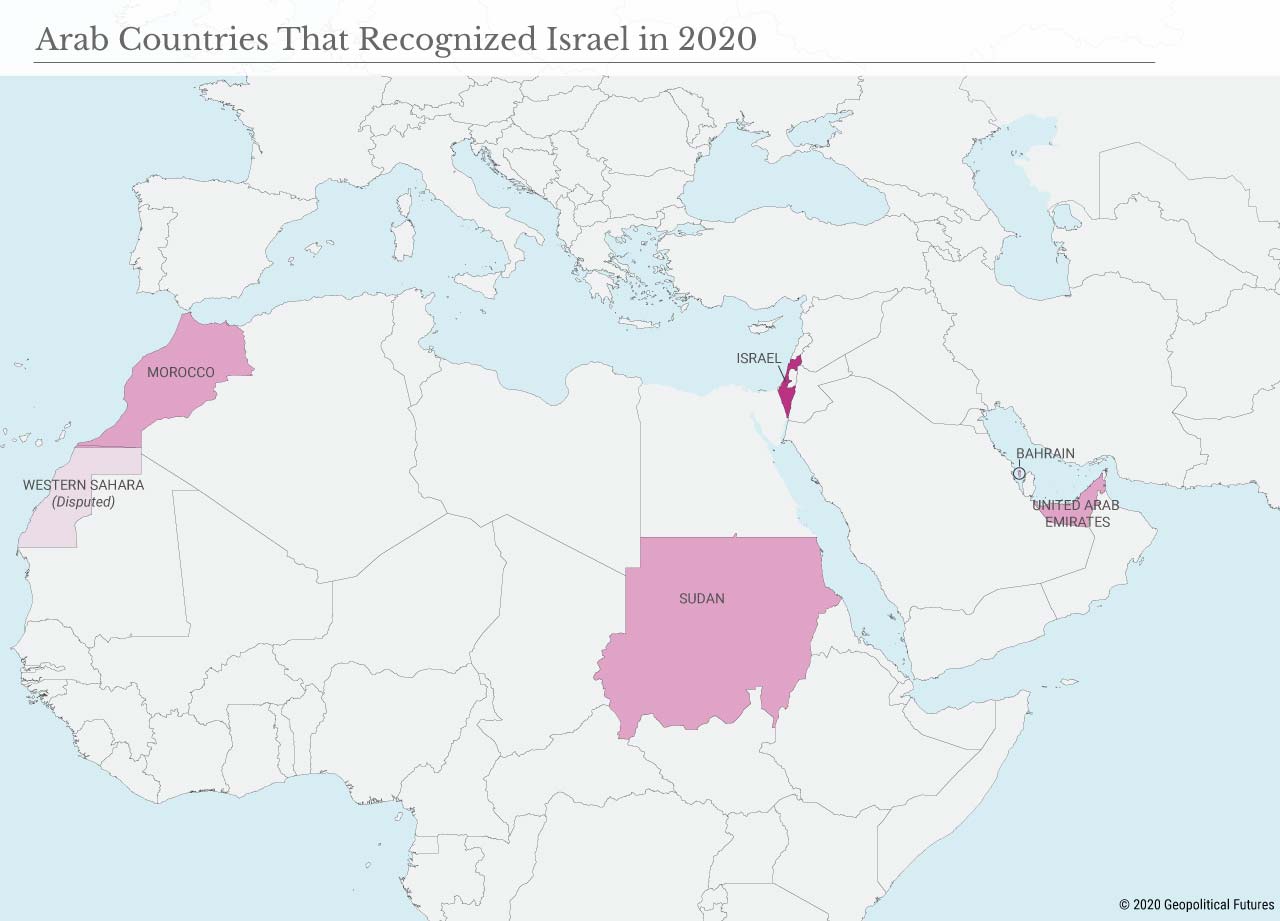
Arab Recognition of Israel Redefines the Middle East

Where Trump Went Wrong on North Korea Nuclear Diplomacy

Japan's Potential Contributions in an East China Sea Contingency
US sanctions NATO ally Turkey for purchasing Russian missile system

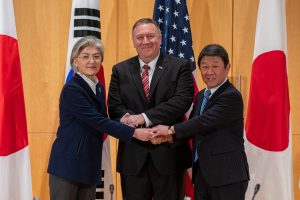
How the US Can Mediate the Japan-South Korea Dispute

Biden Will Have to Confront a New and Perhaps More Dangerous Space Race
President-elect Joe Biden is a down-to-earth guy, but the fate of the heavens may end up being one of his main foreign policy challenges. The United States has long sought to maintain outer space as an open, stable and rules-bound domain. Unfortunately, this cooperative vision is under stress. The emergence of new space-faring nations, an explosion of private commercial activity and a brewing arms race, among other issues, are all leaving outdated international institutions in the space dust.SECURING U.S. INTERESTS ACROSS THE GREATER MEDITERRANEAN
Love Him Or Hate Him, President Trump’s Defense Legacy Is Profound
We Need a Goldwater-Nichols Act for Emerging Technology
The U.S. military overcame inter-service friction to become the world’s best at joint operations in large part because Congress imposed legislation upon a Defense Department that could not or would not overcome the challenges on its own. Today, lawmakers should consider similar steps to help the military better grapple with and integrate rapidly changing technology.Our Bases In US Will Be Attacked: Army

Can Biden Unwind Trump’s ‘Maximum Pressure’ on Venezuela and Iran?

International Strategy to Better Protect the Financial System Against Cyber Threats
In February 2016, a few months after Carnegie began its work on this project, a cyber attack shook the finance world.1 Hackers had targeted SWIFT, the global financial system’s main information network, trying to steal 1 billion U.S. dollars, nearly 0.50 percent of Bangladesh’s GDP,2 from the Bangladeshi central bank over the course of a weekend.3 It was a wake-up call revealing that cyber threats targeting the financial sector were no longer limited to low-level theft but could now pose systemic risk.