The Profession of Arms: A Guide for Young Army Officers
It takes courage, especially for a young officer, to check a man met on the road for not saluting properly or for slovenly appearance, but, every time he does, it adds to his stock of moral courage, and whatever the soldier may say, he has respect for the officer who does pull him up.
Read Document →The Dragon's Teeth: Assessing China's Military Modernization
PLA has focused on modernising its capabilities across all warfare domains to achieve these goals. This includes land, air, and maritime operations, nuclear, space, counter-space, electronic warfare and cyberspace operations, aiming to become a fully integrated joint force.
Read Document →Transforming the PLA: A Decade of reorganisation from SSF to ISF
PRC has engaged in a sustained and broad effort to transform the PLA from an infantry-heavy, low-technology, ground forces-centric military into a high-technology, networked force with an increasing emphasis on joint operations and naval and air power projection.
Read Document →Eyes without Borders: Exploring the World of Open Source Intelligence (OSINT) in the Digital Age
Open Source Intelligence (OSINT) is gaining prominence with the rise of social media, the digital society and the vast growth of publicly and commercially available information (PAI and CAI).
Read Document →
The PLA’s Developing Cyber Warfare Capabilities and India's Options
Informationised warfare blurs the lines between peacetime and wartime. A nation in the information age cannot wait for the hostilities to break out to collect intelligence, carryout influence operations, develop antisatellite systems or design computer software weapons.
Read Document →
Galwan and After
Why did China did this when he is under tremendous pressure in all fronts, is this China's salami slice tactics being progressed rigorously, what will be new Rules of Engagement, what will be escalatory control mechanism, who has taken this decision, will there be some pressure put by China in India's North-East through insurgency.
Read Document →
India’s Joint Doctrine for Cyberspace Operations: A Critical Review
Chief of Defence Staff (CDS) General Anil Chauhan and Secretary, Department of Military Affairs, formally released declassified versions of the Joint Doctrines for Cyberspace Operations during the Chiefs of Staff Committee meeting in New Delhi.
Read Document →
Know your Enemy General(now Field Marshal) Syed Aseem Munir
Gen SA Munir's position in the hierarchy of Pakistan was not very comfortable. The state of economy, insurgency in Pakhtoonistan and Balochistan, attack on the Jaffar Express, constant protests by supporters of Imran Khan's supporters inside and outside of parliament.
Read Document →
Decoding Operation SINDOOR: Key Aspects and Implications
Precision strikes were carried out on nine sites—four in Pakistan and five in PoK—linked to anti-India terrorist groups such as the LeT, JeM and the Hizbul Mujahideen. The targeted sites included Muridke (LeT headquarters) and Bahawalpur (JeM headquarters).
Read Document →
Chinese Cyber Exploitation in India's Power Grid - Is There a linkage to Mumbai Power Outage?
The New York Times (NYT), based on analysis by a U.S. based private intelligence firm Recorded Future, reported that a Chinese entity penetrated India’s power grid at multiple load dispatch points. Chinese malware intruded into the control systems that manage electric supply across India, along with a high-voltage transmission substation and a coal-fired power plant
Read Document →19 July 2018
Follow the Money: India Should Become an International Leader in Financial Intelligence
Pakistan, Iran and the Financial Fight Against Terrorism
The Financial Action Task Force recently "gray-listed" Pakistan for failing to better combat money laundering and terrorism financing; at the same time, the international organization suspended countermeasures on Iran while Tehran implements reforms. The task force's decision will exacerbate Pakistan's financial risks and increase Islamabad's reliance on China as a lender of last resort. Internal divisions over how far Iran should go to comply with the organization's guidelines will complicate Tehran's pursuit of financial breathing room as Iran faces strong U.S. sanctions.The men who ruled Pakistan
Exclusive: China presses Europe for anti-U.S. alliance on trade
Welcome to the modern military: China’s new combat units prepare for electronic warfare
China, Russia, and the US Are All Building Centers for Military AI
Russia and the United States are moving closer to opening their own centers for military-related research into artificial intelligence, as China did in the spring of last year. But the three governments have differing approaches. The U.S. Joint Artificial Intelligence Center aims to apply lessons from an Air Force pilot project to other military services, while the Chinese approach fuses civilian and military research and Russia’s efforts are closely directed from the Kremlin.China's latest quantum radar could help detect stealth planes, missiles
The Chinese Government Likely Knew about Spectre and Meltdown Bugs Before the U.S
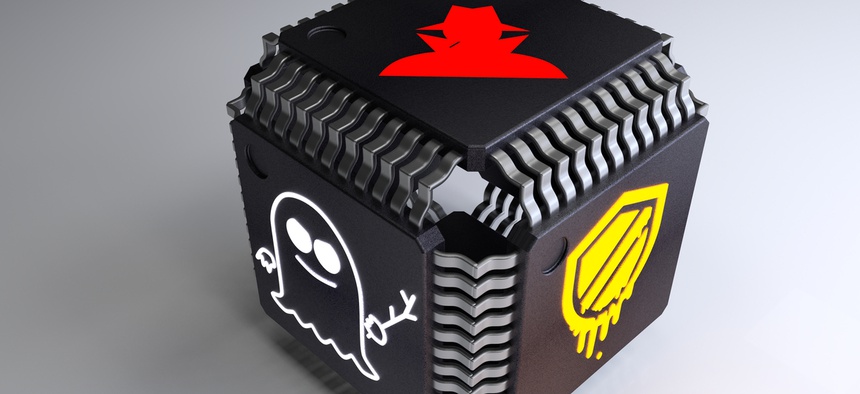
Sharing information about newfound hardware and software vulnerabilities is a global project and there’s no good way to coordinate a major digital fix while ensuring the Chinese government is out of the loop, witnesses told the Senate Commerce Committee Wednesday. During a six-month secret process to repair the Spectre and Meltdown computer chip vulnerabilities in 2017, chipmakers notified numerous Chinese companies about the vulnerabilities and those companies likely passed that information along to Chinese officials and intelligence agencies, witnesses told the committee.Should the US try to keep China’s technology from advancing?
Where Iran Ships Its Crude
The Reality TV President: Trump Achieved Nothing at the NATO Summit, But Generated Lots of Press While Doing It
How the Mossad Stole Iran’s Nuclear Secrets
The Russians Are Coming! Russian bots, trolls test waters ahead of US midterm elections
US and Japan Fire Missiles to Sink Ship During RIMPAC
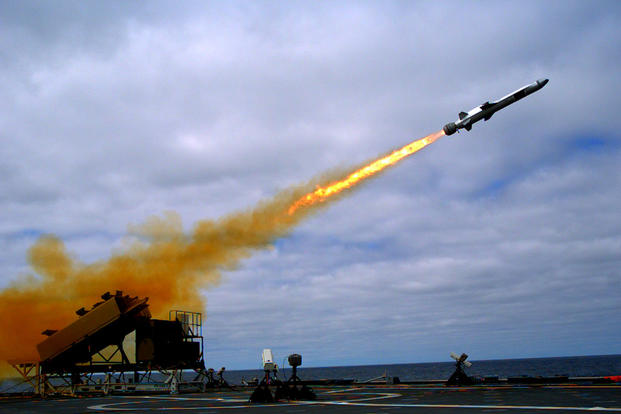
With the explosive roar of multiple missiles and white contrails arcing high into the sky, U.S. and Japanese forces made history Thursday during Rim of the Pacific exercises. And set the stage for what a future conflict with China might entail. The Army fired a Naval Strike Missile from a truck at the Pacific Missile Range Facility and hit a decommissioned ship at sea 63 miles north of Kauai. Ally Japan fired its own truck-mounted Type 12 anti-ship missiles at the tank landing ship Racine -- at one point in a salvo with five practice U.S. High Mobility Artillery Rocket System missiles, also truck-mounted. Gen. Robert Brown, commander of U.S. Army Pacific at Fort Shafter, said it was the first time Japanese Ground Self-Defense Force missiles were under by U.S. fire control while working with U.S. forces including the Army, Navyand Air Force to target a ship.What to Look for During the Trump-Putin Summit
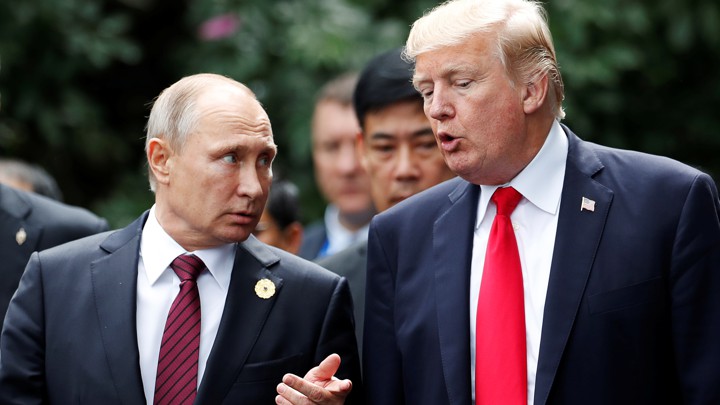
U.S. President Donald Trump and Russian President Vladimir Putin will have the chance to discuss contentious issues, including the conflicts in Ukraine and Syria, sanctions, arms control, and military buildups, at their upcoming summit in Helsinki. Though the two leaders may make some compromises in each of these areas, they probably won't reach any strategic breakthroughs. The tone and outcome of the meeting will indicate whether the standoff between the United States and Russia will intensify or perhaps abate.Trump, Putin and a Contentious State of Affairs on the Continent
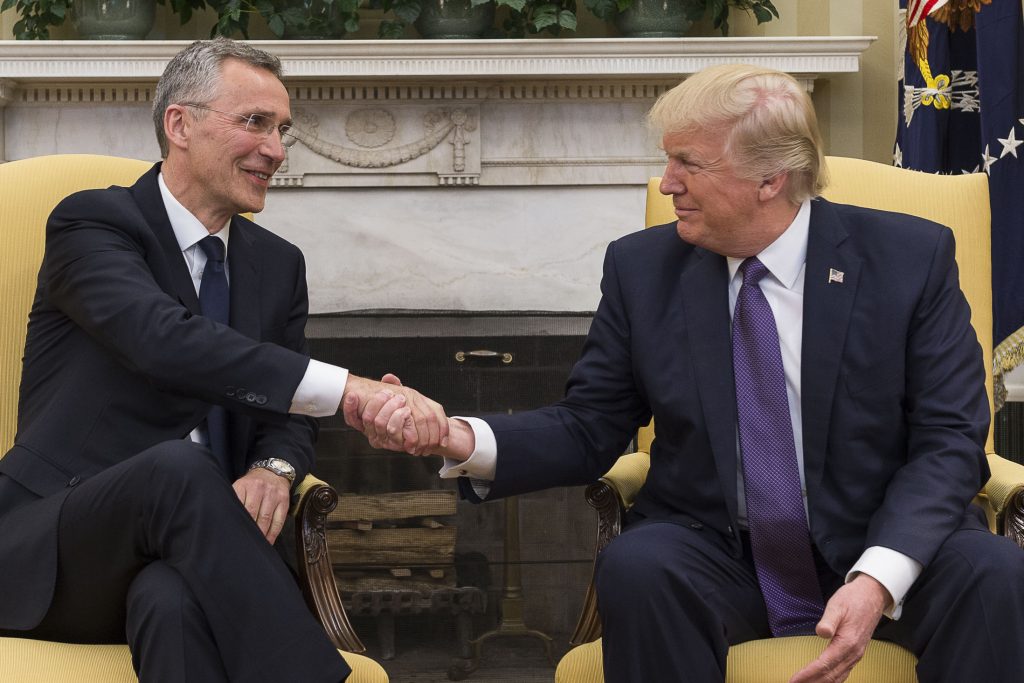
U.S. President Donald Trump's return to the NATO summit will bring with it a repeat of a set of familiar negotiating tactics, which are more likely to deepen the chasm between the White House and some security allies.In Russia, a Dilemma for the Ages
A long-expected but politically controversial plan to raise the retirement age in Russia could be President Vladimir Putin's biggest challenge in his fourth term. The reform has spurred protests across Russia, and demonstrations could grow in size and scope once the World Cup tournament ends and host cities lift their moratoriums on public protests. The government will probably modify the parameters of the reform in the event of protracted protests and public discontent, but Putin will have to balance any concessions against Russia's broader economic challenges.Turkey Has Made a Quagmire for Itself in Syria
AFRIN, Syria — Murmurs of kidnappings for ransom hung in the air, and shootings and bombings continued just outside the city. Two women walked along the street adjacent to the government compound. “I’m scared to speak because of there,” one said, pointing to the collection of buildings from which Turkey and its local allies run the Afrin enclave. “There’s no safety. There’s no security.” Inside the compound, Turkish officials and Syrian allies cited some good news about Afrin during a tour for international journalists sponsored by the Turkish government. Numerous major Turkish charities are operating inside Afrin, helping distribute aid, establish democratic governance, and train local security forces.As Trump twists NATO’s arm, let’s run the math on defense spending
The Trump-Putin Summit: What the Europeans Fear
French President Emmanuel Macron has done it. German Chancellor Angela Merkel has done it. Yet when it was confirmed Thursday that President Trump would be meeting with Russian President Vladimir Putin, Europeans could be forgiven for not greeting it like a routine get-together. After all, there is a context. Trump is meeting Putin at a time when he remains at odds with his intelligence community over Russian interference on his behalf on the U.S. election. Russia, the president tweeted Thursday, “continues to say they had nothing to do with Meddling in our Election!”—American intelligence assessments say otherwise, and European countries themselves have had to contend with Russian election interference. Trump continues to be at odds with America’s European allies over issues like trade policy, climate change, and the Iran deal; in light of Trump’s ambivalence about NATO, European leaders have openly discussed the need for Europe to stand on its own. All of this presents a potential opening for Putin, who has long sought to divide the Western alliance.The Trump-Putin Summit: Issues at Stake
Four issues likely to have a prominent place at the Helsinki summit next week between Donald J. Trump and Vladimir Putin are election meddling, Ukraine, Syria, and nuclear arms control. Russian and U.S. officials have made little progress in reaching agreements on any of them. But there is reason to think one or both sides will approach each of these issues in a new way. U.S. election meddling. At two previous meetings, and in countless public statements, Trump and Putin have dismissed this issue, though doing so has not served them well. Saying that he accepts Putin’s denials hurts Trump’s credibility and makes it harder to move the relationship in the direction he wants. That’s why Secretary of State Mike Pompeo has promised Congress that the president will take a strong stand on the issue. For his part, Putin has suggested that those involved in meddling may have acted independently of the Russian state. Real agreement is unlikely and politically risky for Trump, but look for new positioning by both sides.The World Cup exposes the limits of globalization
The USA Is Now A 3rd World Nation
Trump’s Wrecking Ball Ideology
A year ago, it would have been tempting to write off President Trump’s “bull in a china shop” diplomacy as the product of inexperience and impulsiveness. However, after eighteen months in the White House tenure, Trump is looking like a man with a method, a leader acting according to a consistent ideology — if not a traditional strategy — and even a kind of disruptive genius. “I think President Trump has an agenda and knows exactly what he is doing,” said William Cohen, a moderate Republican who became Clinton’s secretary of Defense. “He wants to return to an 18th and 19th century ‘balance of power’ global order, because he sees himself as being a strongman in the mold of the autocratic leaders he admires, like (Vladimir) Putin in Russia and Xi Jinping in China,”Here are the 12 tech trends that will dominate business in 2018
Humans Plus Robots: Why the Two Are Better Than Either One Alone
First They Came for the Immigrants. Then They Came for the Robots.
The phrase “you ain’t seen nothin’ yet” has been used as the title of several pop songs and a French film. It could also aptly describe the future of politics across the globe as the twin specters of nationalism and populism intensify and people grapple with the social and economic impacts of increased automation and the spread of artificial intelligence.The NATO Summit Spotlights Its Defense Spending Standard
The United States will pressure its NATO allies during the military bloc's July 11-12 summit in Brussels to spend more on their own defense. Although it is NATO's most powerful member state, the United States still derives great benefits from the alliance. The commitment from each NATO member to spend at least 2 percent of gross domestic product on defense does not adequately account for the different security priorities of the alliance's disparate states. Fed up with what it perceives as an unequal burden sharing, the United States is preparing to put considerable pressure on its NATO allies during a summit in Brussels on July 11 and 12. U.S. President Donald Trump already has foreshadowed this pressure, which could include threats to withdraw U.S. forces from Europe or to cancel major NATO exercises, by sending strongly worded letters to the leaders of several NATO allies, including Germany, Belgium, Norway and Canada. While the United States has a case to make that the alliance's member states are not living up to their commitment to spend at least 2 percent of their gross domestic product on their own defense, NATO remains a critical component of the United States' global dominance.Mattis, Visiting Balkans, Sees Russian Meddling and ‘Hybrid’ Threats to Allies
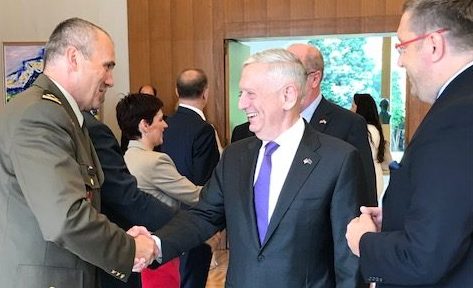
OSLO, NORWAY: After meeting with foreign ministers from several Balkan countries on Friday, Defense Secretary James Mattis referred to Russian influence in the region as “a destabilizing element” that seeks to undermine fledgling democracies who are joining NATO at a rapid pace. Mattis, speaking to reporters aboard his plane en route to Norway from the conference in Zagreb, Croatia, added that there was a “common purpose” in strengthening defense ties between the countries in the region, in part to combat the complex threat from Russia.Waging cyber war without a rulebook
However, in interviews with former White House and executive branch officials as well as members of Congress and staffers involved in cyber policy, many expressed more concern about the potential for a Cyber Gulf of Tonkin: a misunderstanding or misattribution around an event that precipitates or is used as a justification for war. "I think we should all be concerned about a [misunderstanding] or something that is made to look like someone else took action," said Rep. Jim Langevin (D-R.I.), a co-founder of the Congressional Cybersecurity Caucus. "Attribution is very difficult, although we are getting much better at it. There's no doubt there could always be a level of uncertainty."