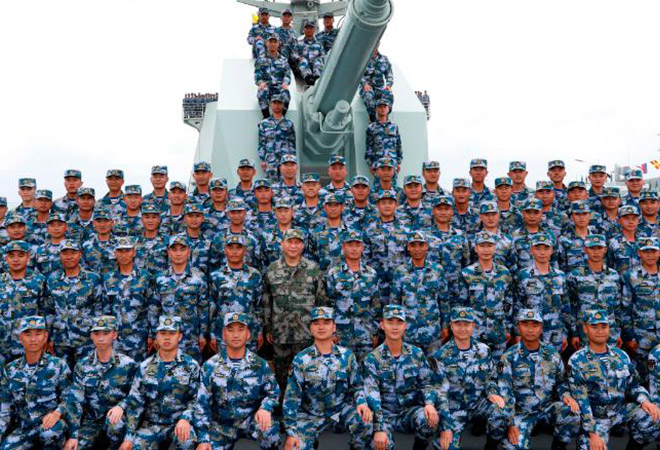
 Last week, China resorted to an orchestrated show of force in the South China Sea. In a naval parade consisting of 48 naval vessels, 06 nuclear powered submarines, 76 aircraft, and aircraft carrier Liaoning, the PLAN sent a loud message to its opponents in the Western Pacific. Coming as it did just days after the USS Theodore Roosevelt displayed its prowess in the South China Sea, the PLAN exercise -- presided over by President Xi himself -- served a clear warning to the US Navy.
28 April 2018
Will China’s aircraft carriers project naval power in the Indian Ocean?
Last week, China resorted to an orchestrated show of force in the South China Sea. In a naval parade consisting of 48 naval vessels, 06 nuclear powered submarines, 76 aircraft, and aircraft carrier Liaoning, the PLAN sent a loud message to its opponents in the Western Pacific. Coming as it did just days after the USS Theodore Roosevelt displayed its prowess in the South China Sea, the PLAN exercise -- presided over by President Xi himself -- served a clear warning to the US Navy.China Pulls Pakistan Further into its Economic Orbit
BENNETT SEFTEL
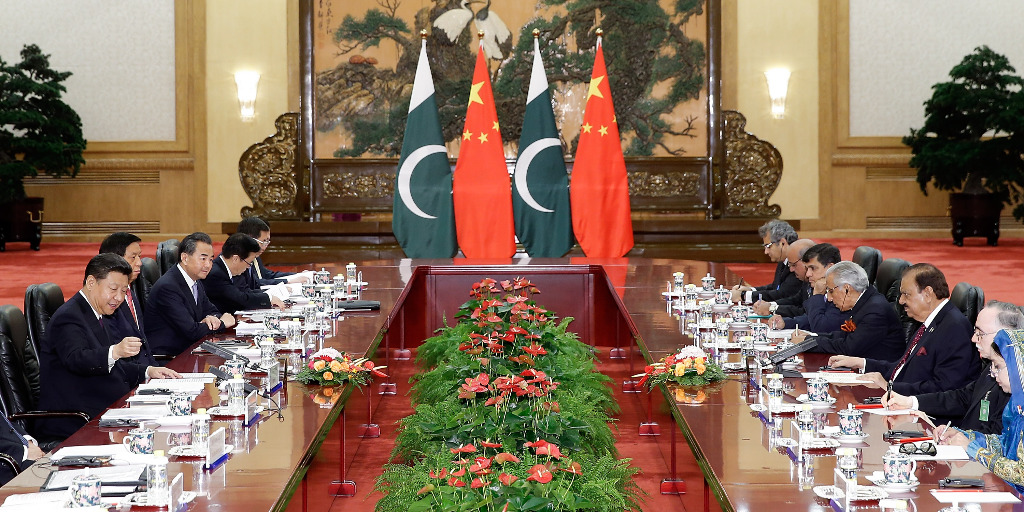 Bottom Line: China’s “One Belt, One Road” economic strategy, aimed at developing regional trades routes connecting East Asia, South Asia, Central Asia and Europe, has expanded into Pakistan where Chinese companies have launched numerous projects to build up Pakistan’s infrastructure and energy sector as part of the China-Pakistan Economic Corridor (CPEC). Through such cooperation, Pakistan has gravitated closer to China’s orbit, generating concerns over Pakistan’s increasing dependence on China and Beijing’s rising global power status.
Bottom Line: China’s “One Belt, One Road” economic strategy, aimed at developing regional trades routes connecting East Asia, South Asia, Central Asia and Europe, has expanded into Pakistan where Chinese companies have launched numerous projects to build up Pakistan’s infrastructure and energy sector as part of the China-Pakistan Economic Corridor (CPEC). Through such cooperation, Pakistan has gravitated closer to China’s orbit, generating concerns over Pakistan’s increasing dependence on China and Beijing’s rising global power status.North and South Korea Set Bold Goals: A Final Peace and No Nuclear Arms
 SEOUL, South Korea — The leaders of North and South Korea agreed on Friday to work to remove all nuclear weapons from the Korean Peninsula and, within the year, pursue talks with the United States to declare an official end to the Korean War, which ravaged the peninsula from 1950 to 1953. At a historic summit meeting, the first time a North Korean leader had ever set foot in the South, the leaders vowed to negotiate a treaty to replace a truce that has kept an uneasy peace on the divided Korean Peninsula for more than six decades, while ridding it of nuclear weapons. A peace treaty has been one of the incentives North Korea has demanded in return for dismantling its nuclear program.
“South and North Korea confirmed the common goal of realizing, through complete denuclearization, a nuclear-free Korean Peninsula,” read a statement signed by North Korea’s leader, Kim Jong-un, and the South’s president, Moon Jae-in, after their meeting at the border village of Panmunjom.
The Next Step for Chinese Economic Policy
MARTIN FELDSTEIN
Now that it has risen to the top of the global economy, China must adopt the necessary reforms to become fully compliant with the international rules that it accepted upon joining the World Trade Organization in 2001. Its current policy will only lead to a serious trade conflict with the US. I am a great admirer of China and its ability to adjust its economic policies to maintain rapid growth. But now that it has risen to the top of the global economy, it must adopt the necessary reforms to become fully compliant with the international rules that it accepted upon joining the World Trade Organization in 2001.
Good President/Bad Emperor?
KEYU JIN
The prospect that President Xi Jinping could remain in power indefinitely has caused much consternation outside China. But within China, and among many serious observers, the elimination of the constitutional term limit on presidential incumbents has attracted a more positive, or at least nuanced, response. In the West, government accountability is closely identified with democratic elections. In China, it is a function of how – and how well – the government responds to and protects the needs and interests of the people. China’s recent constitutional amendment eliminating the term limits for the president and vice president has left much of the West aghast. Critics fear the emergence of a new and unaccountable dictatorship, with President Xi Jinping becoming “Chairman Mao 2.0.” This response is more than a little inappropriate.
The Risks of One Belt, One Road for China’s Neighbors
By Shin Kawashima
 In March 2018, the Center for Global Development, a U.S. think tank based in Washington, published a fascinating report. It claimed that China was posing a severe risk to the finances of a number of countries as a result of its aid activities and excessive lending. The report went on to list seven specific countries whose finances are at serious risk: Mongolia, Laos, Kyrgyzstan, Tajikistan, the Maldives, Djibouti, and Montenegro. When advanced countries give out loans or other forms of aid, they generally impose a cap. This prevents them from lending excessive amounts. China, however, is not a member of the Organization for Economic Cooperation and Development (OECD). Nor is it a member of the Development Assistance Committee, the division of the OECD that regulates aid policy. This can present problems for borrowers. If a country borrows to the point that its fiscal health is at risk, that is a serious problem. How will it repay the loans? It is not unreasonable to expect that it might have to use controlling interests in ports, mines or other infrastructure as collateral to facilitate the repayments.
Trouble in Paradise: A Chinese Occupation in Tahiti
By Anne-Marie Brady
 TAHITI — China’s strategic and military interests in the South Pacific are expanding rapidly. They build on longstanding links and fill the vacuum left by receding U.S. and French power projection in the region, as well as Australia and New Zealand’s longstanding neglect of key relationships. China is now acknowledged by many Pacific leaders as the dominant power in the region. While Pacific leaders will continue to work with traditional partners, they will not back down on their expanding relations with China. China has offered to them what the United States and its allies cannot, massive sums of money for development projects that promise jobs and economic independence.
CPEC's Environmental Toll
By Shah Meer Baloch
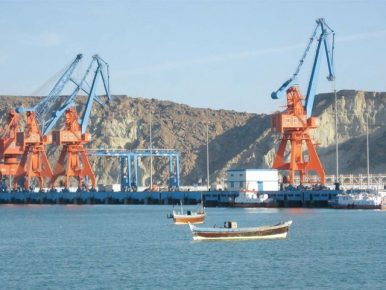
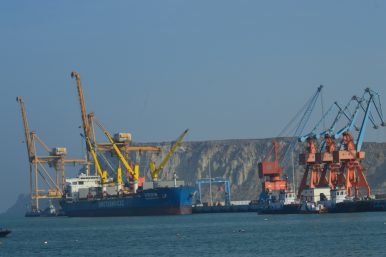 Pakistan’s virgin beaches are located in District Gwadar, which is the major coastal town of Balochistan, and also said to be the epicenter of the China-Pakistan Economic Corridor (CPEC). But the beaches are in danger of being badly affected by a newly planned 300MW coal power plant in Gwadar. Besides the beaches, there will be a significant impact on human lives and the environment. Pakistan is already on suffering from climate change. Will the environment and people remain safe as Pakistan carries out plans to invest billions of dollars in imported coal power plants through various projects under CPEC?
Room for Maneuver: China and Russia Strengthen Their Relations
By Brian G Carlson for Center for Security Studies (CSS)
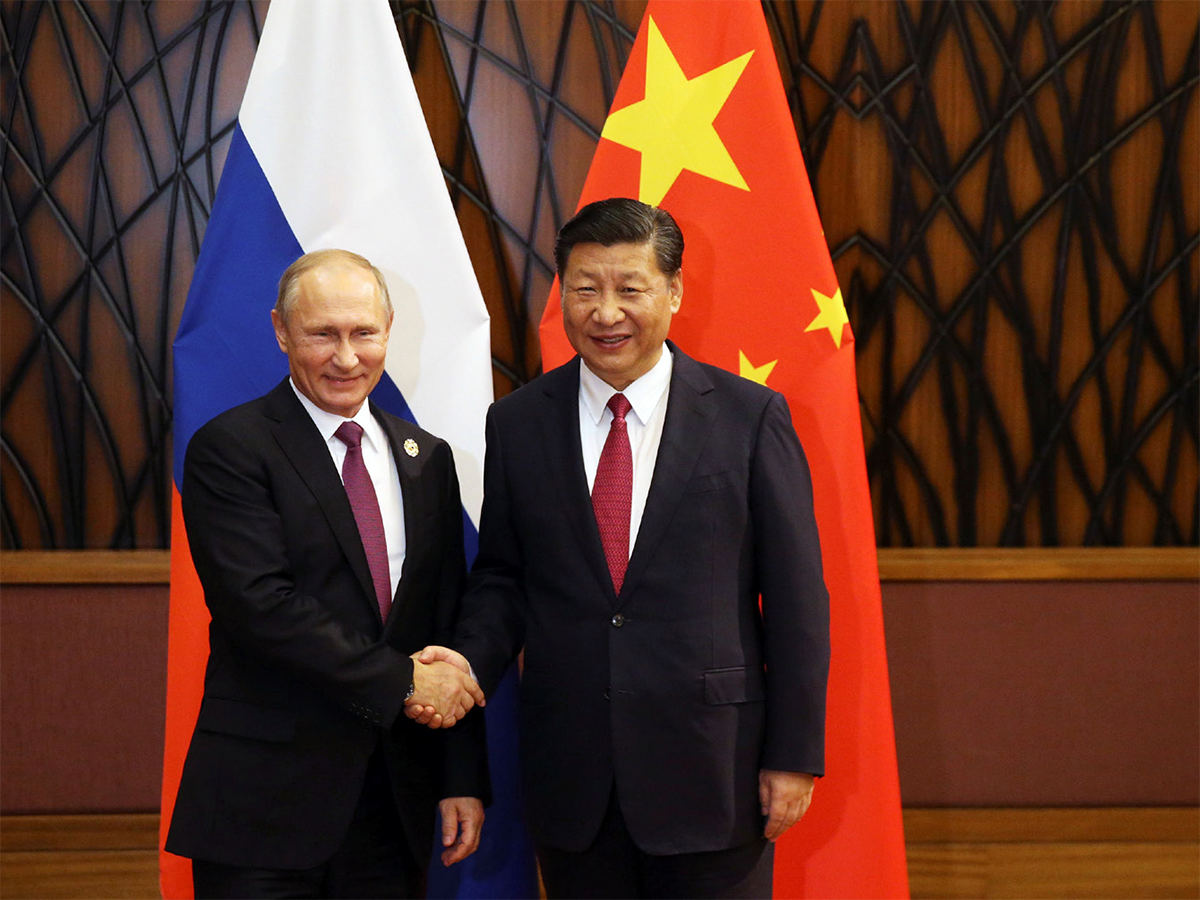 Brian Carlson believes that for both the US and Europe, the extent of China-Russia coordination deserves close watching. As a result, Carlson here explores 1) China-Russia bilateral ties, particularly in terms of economics, energy and arms; 2) the two countries’ ‘friendly neutrality’ regarding the other’s regional affairs; and 3) how China-Russia relations have been gaining momentum at the global level. He also highlights how shared concerns about US power and resistance to liberal norms provide a strong basis for a continued close relationship, albeit one increasingly tilted in China’s favor.
Trump Stress-Tests the World Economy
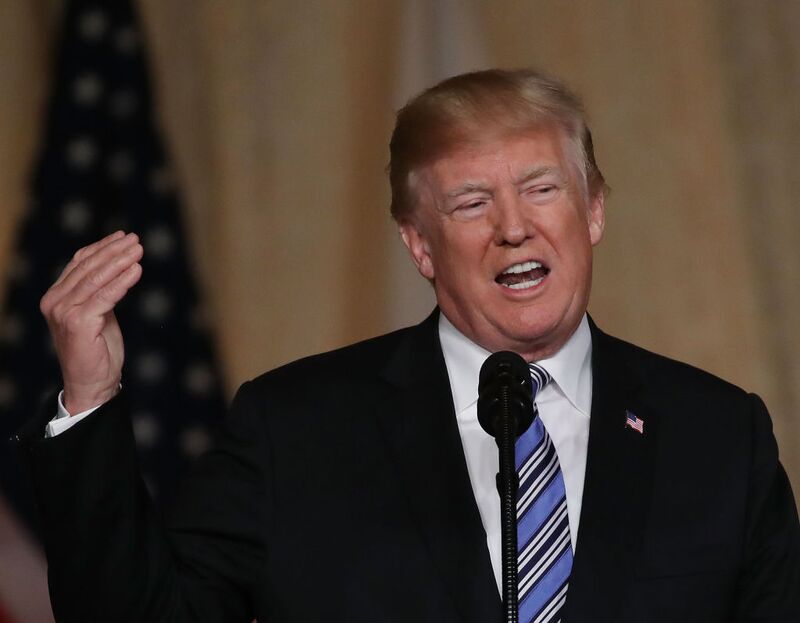
Taking stock of the global economy as finance ministers and central-bank governors gathered in Washington for its spring meetings, the International Monetary Fund found reason for concern. "[R]isks beyond the next several quarters clearly lean to the downside," it reports. Well, that's hardly unusual -- the IMF exists to be concerned. Rarely, though, has it had better grounds. To be sure, much of the world economy has done pretty well lately, with the U.S. leading the way. The IMF's World Economic Outlook projects global growth of roughly 4 percent this year and next, and U.S. growth of 2.9 percent and 2.7 percent -- better than previously forecast. This good news is misleading, though, because it disguises mounting risks to growth and stability. And dangers freshly made in America are high on the list.
America is plagued by experts without expertise
Michael Massing
 The strong ratings of the first episode of the revived Roseanne set off an avalanche of commentary. On MSNBC’s Morning Joe, for instance, John Podhoretz, a columnist for the New York Post, called the show’s successa “wakeup call for Hollywood.” Given how well it had done in Middle America, he said, the lesson was clear: for those who serve underserved Donald Trump voters, there are “riches to be reaped.”
The EU should get tough on its illiberal democracies
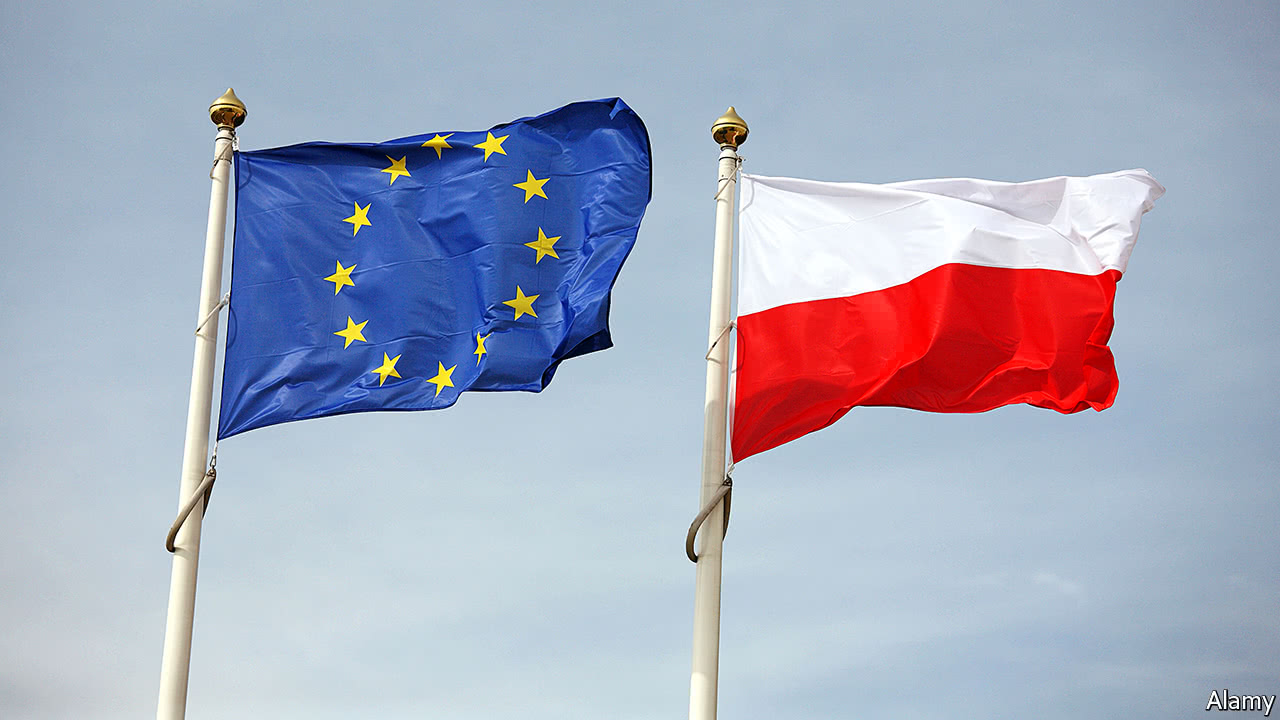 THERE was once no brighter star in Europe. Since shaking off communism in 1989 Poland has rivalled the bounciest Asian tigers in GDP growth. It has become a vital NATO ally. But it is also on the front line of what France’s president, Emmanuel Macron, calls a “European civil war” over the rule of law. The optimism that attended the EU’s great eastward expansion in 2004 has given way, in some places, to angry, nationalist “illiberal democracy”. In Hungary, having nobbled the courts, media and public prosecutor, Viktor Orban is squeezing civil society and using state (and EU) funds to nurture oligarchs. Romania’s leaders endlessly seek to weaken anti-graft laws that might otherwise ensnare them.
In Syria’s Complex War, Is Turkey’s Erdogan the Wiliest Player?
Frida Ghitis
One of the more intriguing aspects of the enormously complicated war in Syria is the position of Turkish President Recep Tayyip Erdogan, whose allegiance and convictions appear to shift with developments on the ground. Two weeks ago, Erdogan hosted a summit meeting in Ankara to discuss Syria’s future. For a photo-op, he literally joined hands with the presidents of Russia and Iran, the main backers of Syrian President Bashar al-Assad, whom Erdogan not long ago was still condemning as a “terrorist” and the roadblock to peace in Syria. It was a gesture, it seemed, that Moscow, Tehran and Ankara now stood on the same side of the conflict. That appearance, however, was shattered last weekend after the United States, France and the United Kingdom launched a barrage of missiles into Syria in retaliation for the suspected chemical attack in the Damascus suburb of Douma. As the governments of Syria, Iran and Russia decried the operation, Erdogan cheered, saying the U.S.-led mission sent an important message to Assad’s regime that “its massacres wouldn’t be left unanswered.”
The U.S., France, Syria, and Iran: Finding Winning Compromises
By Anthony H. Cordesman
The meeting between President Trump and President Macron can all too easily slip into one that either dodges the key issues that both countries need to address in dealing with Syria and Iran, or help cement the differences between the U.S. and European positions. President Trump has taken a strong, almost ideological, stand against the JCPOA nuclear agreement with Iran, and seems committed to leaving Syria as soon as possible. President Macron has endorsed the JCPOA and argued strongly for a continuing U.S. and European effort to go beyond the defeat of ISIS and bring some broader form of order and stability to Syria.
The Iran Nuclear Agreement
How Artificial Intelligence Could Increase the Risk of Nuclear War
How Artificial Intelligence Could Increase the Risk of Nuclear War
Could artificial intelligence upend concepts of nuclear deterrence that have helped spare the world from nuclear war since 1945? Stunning advances in AI—coupled with a proliferation of drones, satellites, and other sensors—raise the possibility that countries could find and threaten each other's nuclear forces, escalating tensions. Lt. Col. Stanislav Petrov settled into the commander's chair in a secret bunker outside Moscow. His job that night was simple: Monitor the computers that were sifting through data from satellites and radar, watching the United States for any sign of a missile launch. It was just after midnight, Sept. 26, 1983.
IMF: No Room for Complacency on Growth
By Anthony Fensom
 The world economy continues to pick up speed, but with threats including high global debt and a trade war, there is no room for complacency. The warning by the International Monetary Fund (IMF) follows forecasts that the upturn could be over in as little as two years, according to some estimates.
On April 17, the IMF unveiled the latest update to its global growth forecasts, painting a mixed picture for the outlook. “Three months ago, we updated our global growth forecast for this year and next substantially, to 3.9 percent in both years. That forecast is being borne out by continuing strong performance in the euro area, Japan, China, and the United States, all of which grew above expectations last year,” the IMF’s Maurice Obstfeld said.
Has a Bull Oil Market Returned?
Source Link
 Saudi Arabia and other major oil producers may reach their goal of reducing global oil inventories to their five-year average by the next OPEC meeting, scheduled for June.
Saudi Arabia and other major oil producers may reach their goal of reducing global oil inventories to their five-year average by the next OPEC meeting, scheduled for June.
With that part of the strategy complete, Saudi Arabia is seeing other reasons — including boosting the valuation of Saudi Aramco — to support higher prices. But it's not just Saudi Arabia's strategy that has helped bring oil prices to their highest level since November 2014; structural factors that have leaned heavily on oil producers like Venezuela and the prospects for production in Libya and Iran have contributed to the higher prices.
Why Israel is Keeping Its Warplanes Close to Home
 Israel has withdrawn a squadron of fighter jets from a high-profile multinational military exercise in the United States and given them orders to stay in country. The move highlights Israel's deepinging concern over rising tensions with Iran and its need for greater readiness along its northern border with Syria. Instead of participating in a high-profile U.S. military air combat exercise in Alaska that starts April 30, the Israeli Defense Forces ordered a squadron of its fighter jets — likely the 69th Squadron, equipped with F-15I Ra'am strike fighters — to remain in Israel, while other of its air force assets have been allowed to proceed. Given that the U.S. Red Flag exercises require substantial preparation and confer valuable experience, Israel would not have made the decision to keep its fighters home lightly. The withdrawal, announced April 17, indicates a heightened probability that a cycle of escalation and confrontation between Iran (and, by extension, Hezbollah) and Israel lies ahead.
HACKING A SATELLITE IS SURPRISINGLY EASY
Hundreds of multi-ton liabilities—soaring faster than the speed of sound, miles above the surface of the earth—are operating on Windows-95. They’re satellites, responsible for everything from GPS positioning, to taking weather measurements, to carrying cell signals, to providing television and internet. For the countries that own these satellites, they’re invaluable resources. Even though they’re old, it’s more expensive to take satellites down than it is to just leave them up. So they stay up. Unfortunately, these outdated systems makes old satellites prime targets for cyber attacks.
In new age of cyberwarfare, 'ungoverned' internet poses new threats to infrastructure, national security
By JULIA MACFARLANE
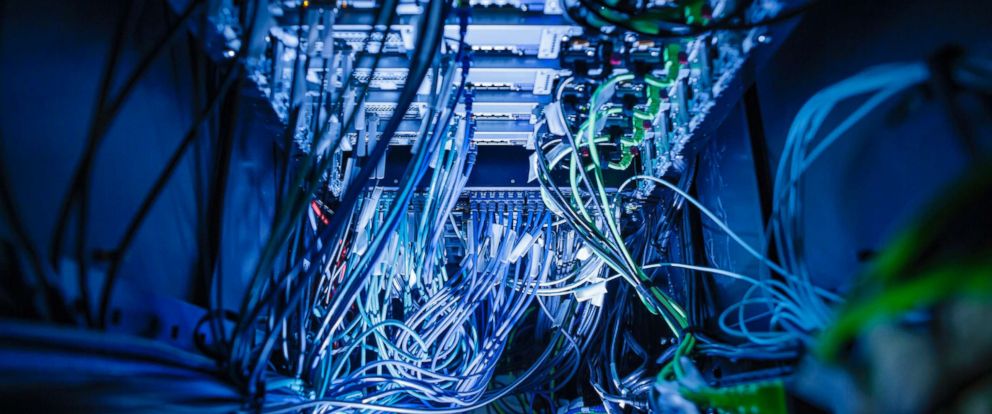
Not by terrorists with guns or knives or vehicles as weapons -- but instead by hackers who in March disabled the city's public services with ransomware. The cyber offensive left Atlantans unable to pay bills online, and visitors to the world's busiest airport, Hartsfield-Jackson Atlanta International Airport, unable to connect to WiFi. And around the same time yet nearly 700 miles away in Baltimore, in a seemingly unrelated attack, hackers disabled the computer system supporting emergency calls in that city.
Next generation of SCADA industrial controls will protect against cyber attack
Bill Goodwin
Oil, energy and chemical companies are rethinking how to control big manufacturing plants, replacing expensive control technology with cheaper, more secure systems, taking their cue from biology Oil refineries, paper companies and pharmaceutical firms are developing a new generation of secure industrial control technology that will offer better protection against attacks on critical manufacturing infrastructure from malware and state-sponsored hackers. More than 120 companies, including ExonMobil, DuPont and Lockheed Martin, are taking part in a fast-track collaborative project that aims to develop highly secure, lower-cost ways to control industrial plants.
How to Run a Cyber War…Game
MICHAEL SULMEYER AND DMITRI ALPEROVITCH
The Cipher Brief hosted its second annual threat conference at beautiful Cloister Resort on Sea Island, Ga., this month. While there, Dmitri Alperovitch and I ran cyber exercises that pushed participants, many of whom are former senior government leaders, to step into the shoes of U.S. national security decision-makers to resolve international crisis situations. Because the sessions were entirely off-the-record, I won’t discuss how specific participants reacted and what they recommended, but rather I will reflect on what lessons can be learned from these types of exercises and how The Cipher Brief’s can be a model for others.
How Quantum Computing Works and Why It’s Important
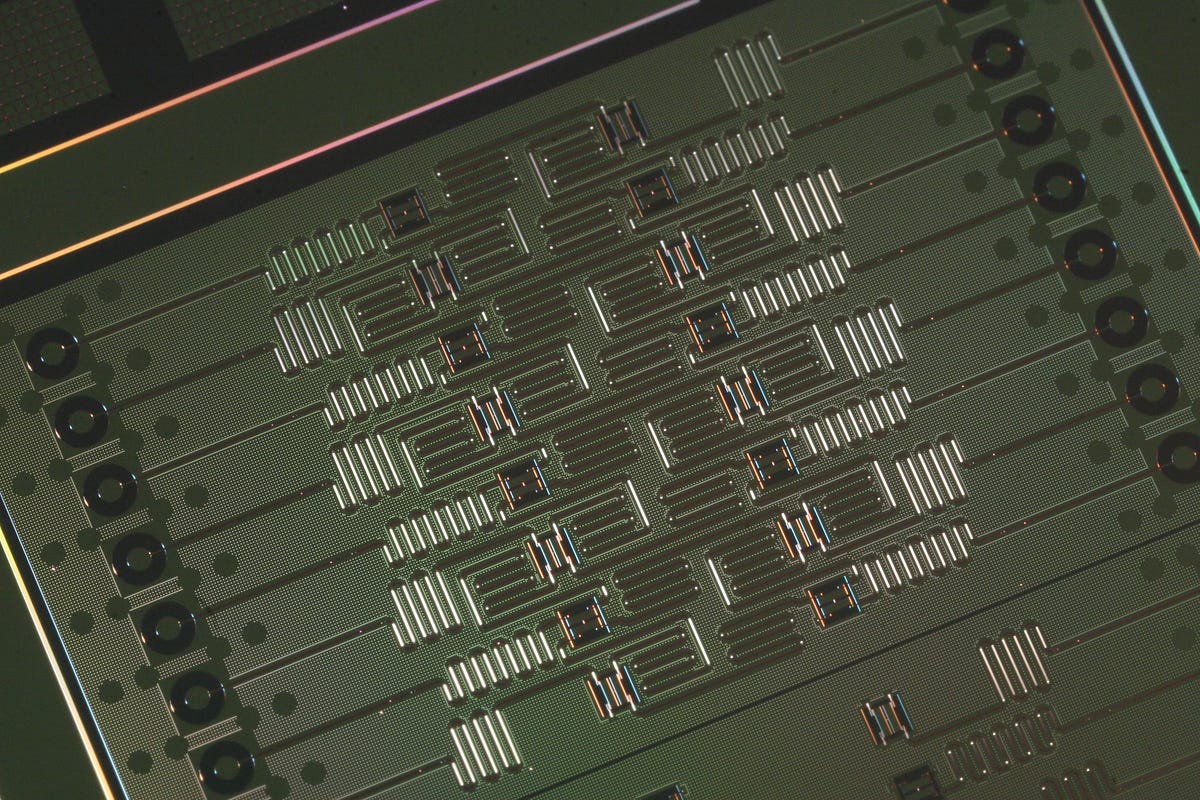 Computers have radically changed society. Shortly after the end of World War II, scientists were using computers to solve all sorts of problems. Progress was unbelievably fast. By the 1970s, the home computer was born. Yet for all that progress, some problems are still really hard. No matter how good computers get, challenges like factoring large numbers or optimizing courier routes remain difficult. But bits are not the only way to compute. Quantum mechanics — the rules that govern the world of atoms and molecules — can also be used to compute. And those computations are performed in a remarkably different manner.
The Future of Brexit in Six Scenarios
 Brexit will continue in all likelihood. At the same time, the United Kingdom probably will exit the European Union's single market. Keeping Northern Ireland in the customs union may be the only way to solve the Irish border question, but this is a scenario London will try to avoid. A comprehensive free trade agreement is the most likely outcome of the Brexit negotiations. Even the failure to reach an agreement would be a stepping stone for a trade agreement down the line.
Russia's S-300 or S-400: F-35 Killer or Overhyped?
Dave Majumdar
The Pentagon is casting doubt on the effectiveness of Russian-made air defense systems. The Pentagon’s move appears to be aimed at deterring Turkey from purchasing the Russian-made S-400. However, the Pentagon’s statements call into question why the United States and its allies are investing hundreds of billions of dollars into stealth aircraft and stealthy long-range cruise missiles if Russian-made surface-to-air weapons are completely ineffective. Until the Pentagon’s April 19 press briefing, the Defense Department would routinely scaremonger how the S-400 would effectively turn an area into an anti-access/area denial (A2/AD) bubble.
Battle of Mosul: Precision Fires Hindered by Urban Jungle
by Amos Fox
In a March–April 2015 Military Review article, Lt. Gen. H.R. McMaster wrote about a handful of fallacies that plague thinking about modern war. Specifically, in “Continuity and Change: The Army Operating Concept and Clear Thinking About Future War,” McMaster suggested, “These fallacies are dangerous because they threaten to consign the U.S. military to repeat mistakes and develop joint forces ill-prepared for future threats to national security.” The fallacies—the “vampire fallacy,” the “Zero Dark 30 fallacy,” the “Mutual of Omaha Wild Kingdomfallacy” and the “RSVP fallacy”—are a good starting point when thinking about modern warfare. However, the counter-Islamic State group in Iraq and Syria adds further legitimacy to McMasters’ vampire fallacy, which posits that technological innovation will deliver quick, easy and inexpensive victories while lifting fog and friction from the battlefield.