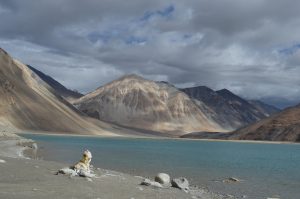
The India-China military crisis in eastern Ladakh entered a new phase over the weekend when the Indian army pushed back an attempt by the People’s Liberation Army (PLA) to alter the Line of Actual Control (LAC) between the two countries in a new area on the southern bank of Pangong Lake, in the Chushul/Spangpur gap, according to defense journalist Nitin Gokhale. An Indian government statement issued earlier today notes that on the intervening night of August 29 and 30, the PLA “carried out provocative military movements” there.The Profession of Arms: A Guide for Young Army Officers
It takes courage, especially for a young officer, to check a man met on the road for not saluting properly or for slovenly appearance, but, every time he does, it adds to his stock of moral courage, and whatever the soldier may say, he has respect for the officer who does pull him up.
Read Document →The Dragon's Teeth: Assessing China's Military Modernization
PLA has focused on modernising its capabilities across all warfare domains to achieve these goals. This includes land, air, and maritime operations, nuclear, space, counter-space, electronic warfare and cyberspace operations, aiming to become a fully integrated joint force.
Read Document →Transforming the PLA: A Decade of reorganisation from SSF to ISF
PRC has engaged in a sustained and broad effort to transform the PLA from an infantry-heavy, low-technology, ground forces-centric military into a high-technology, networked force with an increasing emphasis on joint operations and naval and air power projection.
Read Document →Eyes without Borders: Exploring the World of Open Source Intelligence (OSINT) in the Digital Age
Open Source Intelligence (OSINT) is gaining prominence with the rise of social media, the digital society and the vast growth of publicly and commercially available information (PAI and CAI).
Read Document →
The PLA’s Developing Cyber Warfare Capabilities and India's Options
Informationised warfare blurs the lines between peacetime and wartime. A nation in the information age cannot wait for the hostilities to break out to collect intelligence, carryout influence operations, develop antisatellite systems or design computer software weapons.
Read Document →
Galwan and After
Why did China did this when he is under tremendous pressure in all fronts, is this China's salami slice tactics being progressed rigorously, what will be new Rules of Engagement, what will be escalatory control mechanism, who has taken this decision, will there be some pressure put by China in India's North-East through insurgency.
Read Document →
India’s Joint Doctrine for Cyberspace Operations: A Critical Review
Chief of Defence Staff (CDS) General Anil Chauhan and Secretary, Department of Military Affairs, formally released declassified versions of the Joint Doctrines for Cyberspace Operations during the Chiefs of Staff Committee meeting in New Delhi.
Read Document →
Know your Enemy General(now Field Marshal) Syed Aseem Munir
Gen SA Munir's position in the hierarchy of Pakistan was not very comfortable. The state of economy, insurgency in Pakhtoonistan and Balochistan, attack on the Jaffar Express, constant protests by supporters of Imran Khan's supporters inside and outside of parliament.
Read Document →
Decoding Operation SINDOOR: Key Aspects and Implications
Precision strikes were carried out on nine sites—four in Pakistan and five in PoK—linked to anti-India terrorist groups such as the LeT, JeM and the Hizbul Mujahideen. The targeted sites included Muridke (LeT headquarters) and Bahawalpur (JeM headquarters).
Read Document →
Chinese Cyber Exploitation in India's Power Grid - Is There a linkage to Mumbai Power Outage?
The New York Times (NYT), based on analysis by a U.S. based private intelligence firm Recorded Future, reported that a Chinese entity penetrated India’s power grid at multiple load dispatch points. Chinese malware intruded into the control systems that manage electric supply across India, along with a high-voltage transmission substation and a coal-fired power plant
Read Document →3 September 2020
China Attempts to Shift Its Boundary With India in Ladakh – Again
The India-China military crisis in eastern Ladakh entered a new phase over the weekend when the Indian army pushed back an attempt by the People’s Liberation Army (PLA) to alter the Line of Actual Control (LAC) between the two countries in a new area on the southern bank of Pangong Lake, in the Chushul/Spangpur gap, according to defense journalist Nitin Gokhale. An Indian government statement issued earlier today notes that on the intervening night of August 29 and 30, the PLA “carried out provocative military movements” there.India And The Deepening Sino-Pak Alliance – Analysis
India-Pakistan: Turbulence At The Punjab Border – Analysis
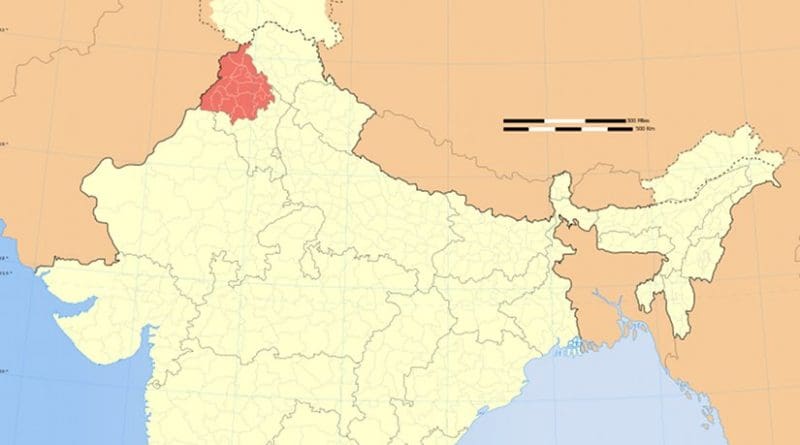
On August 22, 2020, Border Security Force (BSF) personnel shot dead five unidentified armed Pakistani intruders in the Tarn Taran District of Punjab. A BSF spokesperson said that after suspicious activity was noticed near the India-Pakistan International Border (IB) in the region, the troopers “cordoned the area and challenged the intruders to stop and surrender. The Pakistani armed intruders did not pay any heed to the challenge and opened fire on the BSF troops resulting in a gun-battle.” Later, the troopers recovered dead bodies of five slain intruders along with nine packets containing 9.92 kilograms heroin, an AK-47 rifle, four 9mm Beretta pistols, and some ammunition.The limits of Zoom diplomacy in Asia
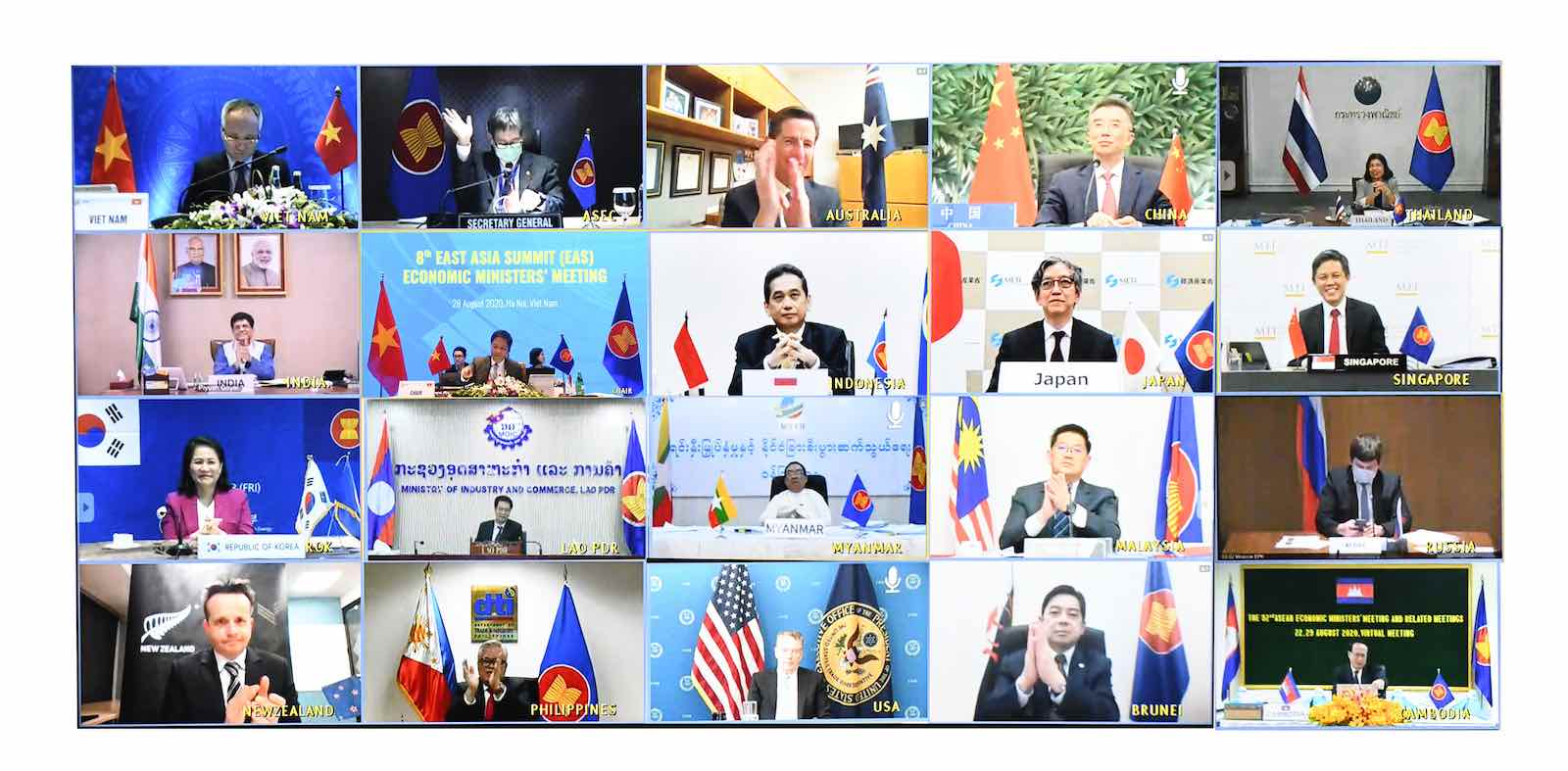
Say it quietly, lest the wrath of the pandemic gods be triggered. But the wheels of in-person diplomacy are starting to turn again across Asia. The smiling handshakes are gone, replaced by awkward elbow bumps and socially distanced photo opportunities. The negotiating tables have been moved further apart. And there are face masks and hand-sanitiser all round.Decoupling: Separation or Divorce?
Chinese AI companies speed global expansion despite US hindrance
Hacking group has hit Taiwan's prized semiconductor industry, Taiwanese firm says
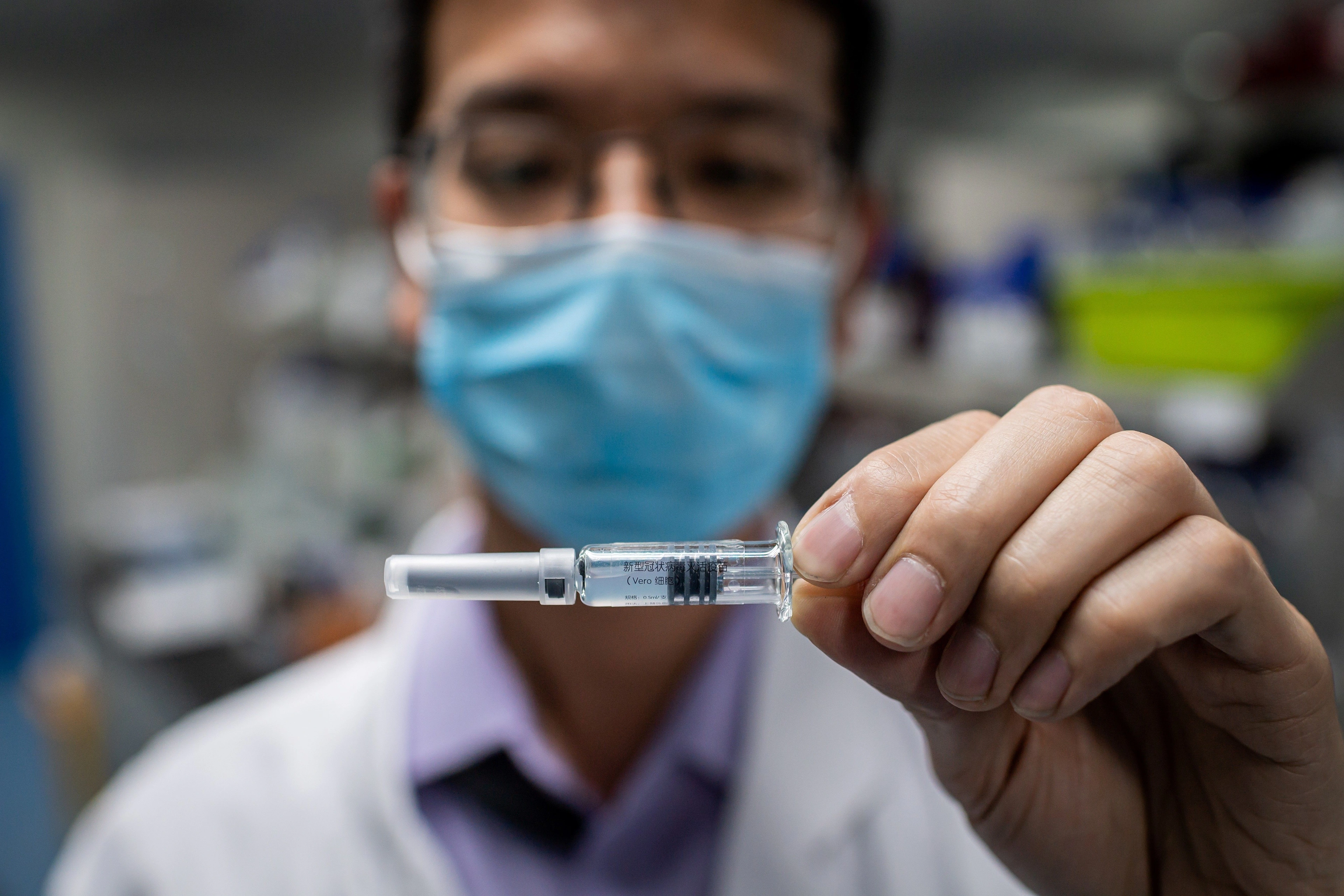
A coronavirus vaccine: China’s got one, Russia does, too. Will Trump rush one out?
Scientists say the Trump administration on Sunday authorized a COVID-19 treatment that hasn't been shown to have the benefits the administration is claiming. Experts are growing increasingly concerned the Trump administration is putting its political interest ahead of science as it pushes through COVID-19 medical products. Credit: White House. Tibet Was China’s First Laboratory of Repression
Upgrade air defenses to stave off PLA attack
Why is TikTok So Popular?
It Isn't Too Late For America To Deter China (Here's How Japan Can Help)
U.S. Defense Secretary Mark Esper is slated to visit Guam on Aug. 29 and meet with Japan’s Defense Minister Kono, who is flying in for the occasion aboard a Japan Air Self Defense Force airplane. According to Military Times, Secretary Esper will also visit the Republic of Palau, and Hawaii. Why China Will Support Russia in Belarus
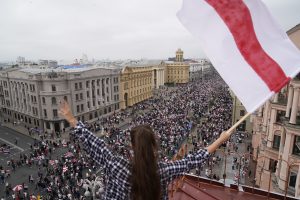
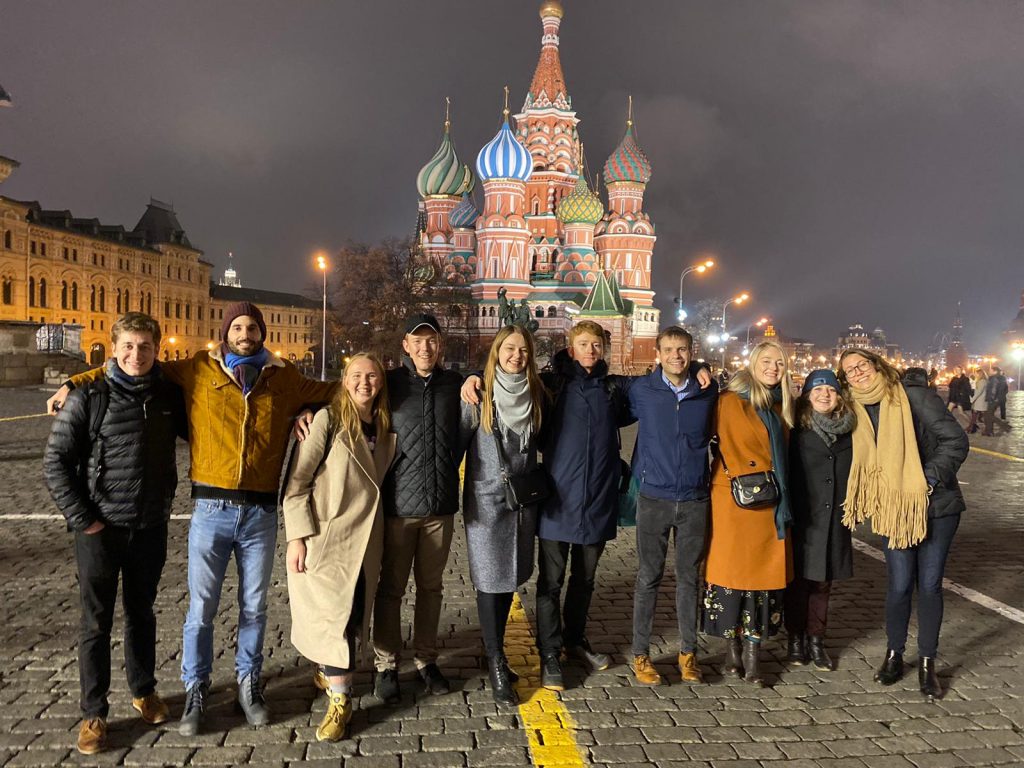
The political crisis in Belarus that erupted following the August 9 presidential election continues to evolve unpredictably, posing a daunting challenge for Russia in fashioning a response. President Alexander Lukashenko faces mass demonstrations by protesters alleging that the official election results, which showed the president winning a landslide re-election victory, were fraudulent. The outcome of the crisis remains uncertain. As Russia observes the volatile situation, weighing its options for shaping the future of the country, it can expect to receive support from China, which has rapidly expanded its own interests in Belarus.Will the UK Send Its Aircraft Carrier to the South China Sea?
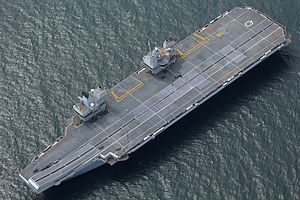
It is no secret that relations between the United Kingdom and China have soured in recent months. Already strained over issues such as Hong Kong, the countries’ links have suffered greatly during the fallout from the COVID-19 pandemic. Such issues have prompted London to reassess its relationship with Beijing, with the decision to deny Huawei an active role in Britain’s 5G network heralding a more confrontational approach to bilateral affairs. Despite this, silence over recent months has raised questions as to the Johnson administration’s long-term commitment to this change.Chinese Hydroelectric Investments In Central Asia: A Snapshot
Has the Dollar Started Its Long Decline?
One of the features of financial markets since early summer has been a decline in the value of the dollar against many currencies, and with it, an especially interesting acceleration in the price of gold. In addition to the usual professional market analysis about the dollar’s movement, this has led to speculation that it might be the beginning of the end of the dollar’s pre-eminence.Op-Ed: The U.S. faces new kinds of threats around the globe, but we have failed to adapt
Three major nuclear accidents, as seen by young American and Russian professionals
COVID-19 and climate change expose dangers of unstable supply chains
Deadly Restraints Are a Stain on the EU
Can Putin Change Russia’s Role From Spoiler to Global Power?
Russia occupies an unusual position on the world stage. Under President Vladimir Putin, Moscow has repeatedly demonstrated that it has the capacity to destabilize the international order, but not the capacity to fill the vacuum it is creating. While Russia lacks the military strength to challenge U.S. supremacy, no one—particularly not the NATO alliance—is ignoring its capabilities. Moscow’s use of arms sales and military engagements to build ties to countries in Asia, Africa, Latin America and especially the Middle East has also attracted attention. And its massive, and growing, exports of fossil fuels to Europe offers Russia additional leverage.In Algeria, Protests Pause for COVID-19 as the Regime Steps Up Repression
The coronavirus pandemic is challenging Algeria’s aging health care system, as the number of confirmed cases of COVID-19 approach 45,000, with some 1,500 deaths. Yet rather than the virus itself, it is the Algerian regime’s use of the pandemic to quell popular dissent that is pushing the country deeper into crisis. The authorities have seized on the public health emergency to arrest activists and clamp down on the flow of information, actions that will likely only worsen Algeria’s long-running political stalemate.