The Profession of Arms: A Guide for Young Army Officers
It takes courage, especially for a young officer, to check a man met on the road for not saluting properly or for slovenly appearance, but, every time he does, it adds to his stock of moral courage, and whatever the soldier may say, he has respect for the officer who does pull him up.
Read Document →The Dragon's Teeth: Assessing China's Military Modernization
PLA has focused on modernising its capabilities across all warfare domains to achieve these goals. This includes land, air, and maritime operations, nuclear, space, counter-space, electronic warfare and cyberspace operations, aiming to become a fully integrated joint force.
Read Document →Transforming the PLA: A Decade of reorganisation from SSF to ISF
PRC has engaged in a sustained and broad effort to transform the PLA from an infantry-heavy, low-technology, ground forces-centric military into a high-technology, networked force with an increasing emphasis on joint operations and naval and air power projection.
Read Document →Eyes without Borders: Exploring the World of Open Source Intelligence (OSINT) in the Digital Age
Open Source Intelligence (OSINT) is gaining prominence with the rise of social media, the digital society and the vast growth of publicly and commercially available information (PAI and CAI).
Read Document →
The PLA’s Developing Cyber Warfare Capabilities and India's Options
Informationised warfare blurs the lines between peacetime and wartime. A nation in the information age cannot wait for the hostilities to break out to collect intelligence, carryout influence operations, develop antisatellite systems or design computer software weapons.
Read Document →
Galwan and After
Why did China did this when he is under tremendous pressure in all fronts, is this China's salami slice tactics being progressed rigorously, what will be new Rules of Engagement, what will be escalatory control mechanism, who has taken this decision, will there be some pressure put by China in India's North-East through insurgency.
Read Document →
India’s Joint Doctrine for Cyberspace Operations: A Critical Review
Chief of Defence Staff (CDS) General Anil Chauhan and Secretary, Department of Military Affairs, formally released declassified versions of the Joint Doctrines for Cyberspace Operations during the Chiefs of Staff Committee meeting in New Delhi.
Read Document →
Know your Enemy General(now Field Marshal) Syed Aseem Munir
Gen SA Munir's position in the hierarchy of Pakistan was not very comfortable. The state of economy, insurgency in Pakhtoonistan and Balochistan, attack on the Jaffar Express, constant protests by supporters of Imran Khan's supporters inside and outside of parliament.
Read Document →
Decoding Operation SINDOOR: Key Aspects and Implications
Precision strikes were carried out on nine sites—four in Pakistan and five in PoK—linked to anti-India terrorist groups such as the LeT, JeM and the Hizbul Mujahideen. The targeted sites included Muridke (LeT headquarters) and Bahawalpur (JeM headquarters).
Read Document →
Chinese Cyber Exploitation in India's Power Grid - Is There a linkage to Mumbai Power Outage?
The New York Times (NYT), based on analysis by a U.S. based private intelligence firm Recorded Future, reported that a Chinese entity penetrated India’s power grid at multiple load dispatch points. Chinese malware intruded into the control systems that manage electric supply across India, along with a high-voltage transmission substation and a coal-fired power plant
Read Document →31 August 2023
India’s Space Cooperation With the Middle East

Conference Proceedings on Indian and U.S. Security Cooperation
Biden's Disastrous Withdrawal from Afghanistan Still Haunts the West
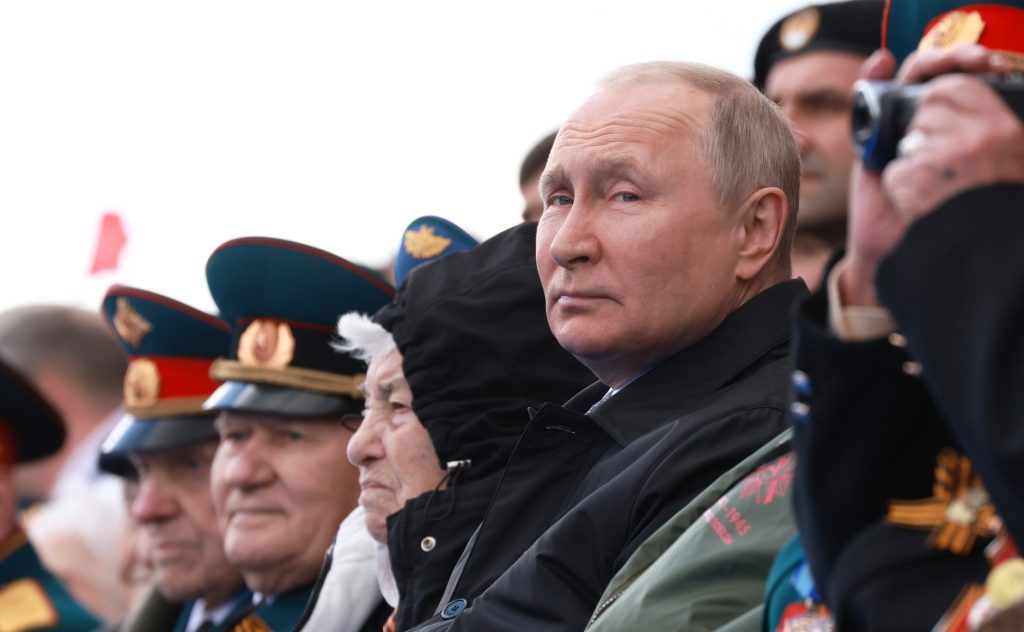
- Putin is nothing if not an opportunist, and the images of American forces and their British allies struggling to contain the surging crowds at Kabul airport who were desperately trying to flee the country will have confirmed the Russian leader's view that, so long as Biden remained in power, he had nothing to fear from the US.
- By ordering US forces to withdraw from Afghanistan, Biden effectively gave Putin the green light to press ahead with his invasion plans.
- In every sense, the invasion of Ukraine started in Kabul, so much so that the Russian military build-up on the border with Ukraine prior to the invasion only got seriously underway after the August 2021 withdrawal.
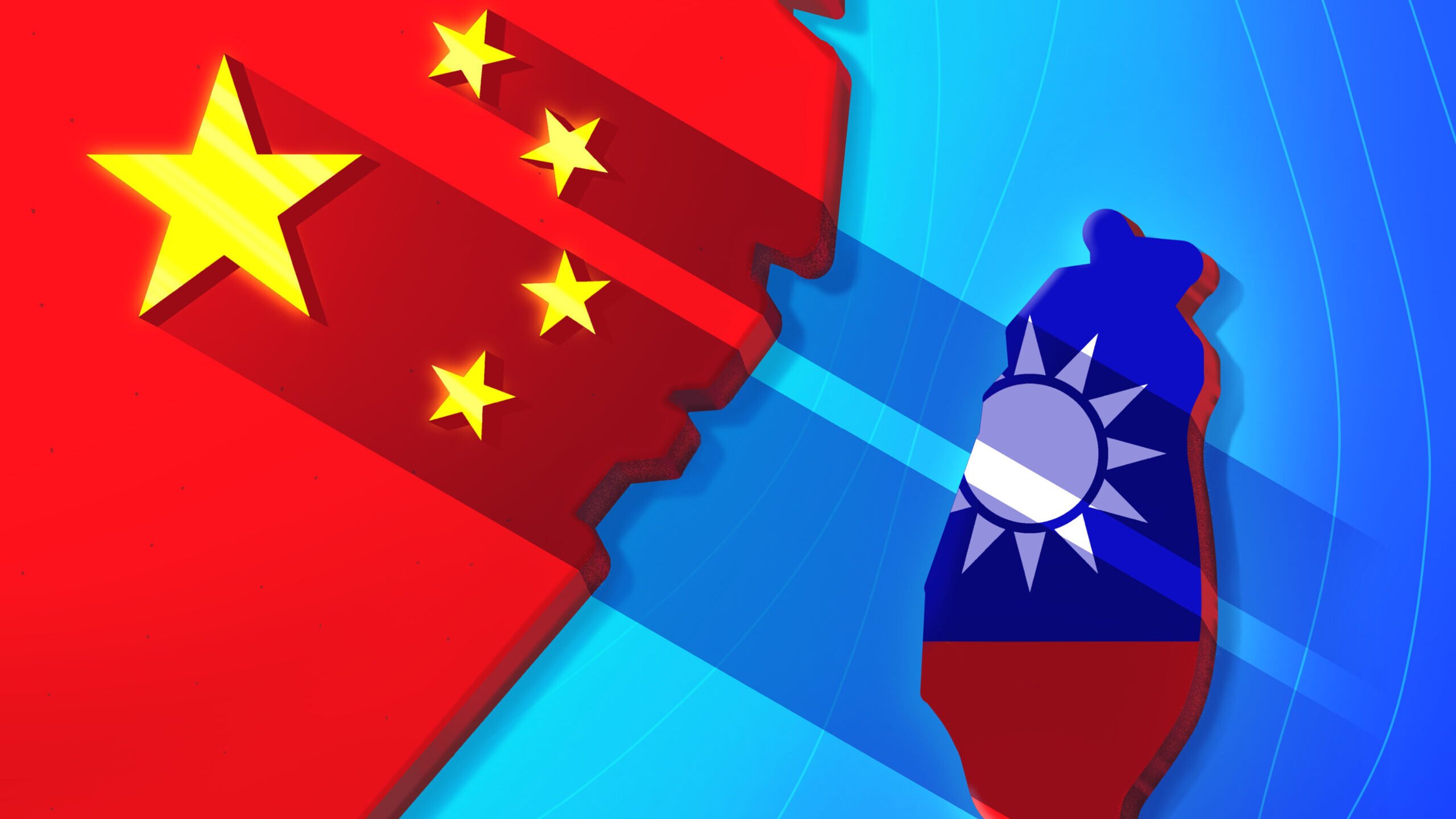
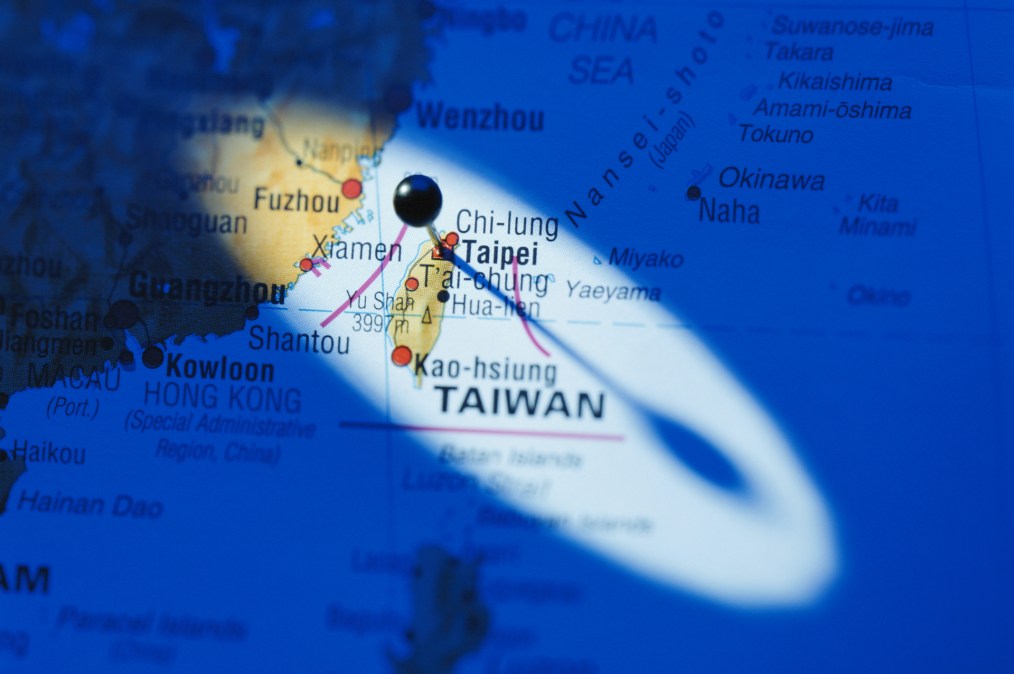
- Now, thanks to the utter incompetence of the Biden administration's handling of the Afghan crisis, Afghanistan, Ukraine, Saudi Arabia, the United Arab Emirates and most urgently Taiwan all find themselves struggling to deal with the disastrous consequences of the Biden administration's ineffectual leadership.
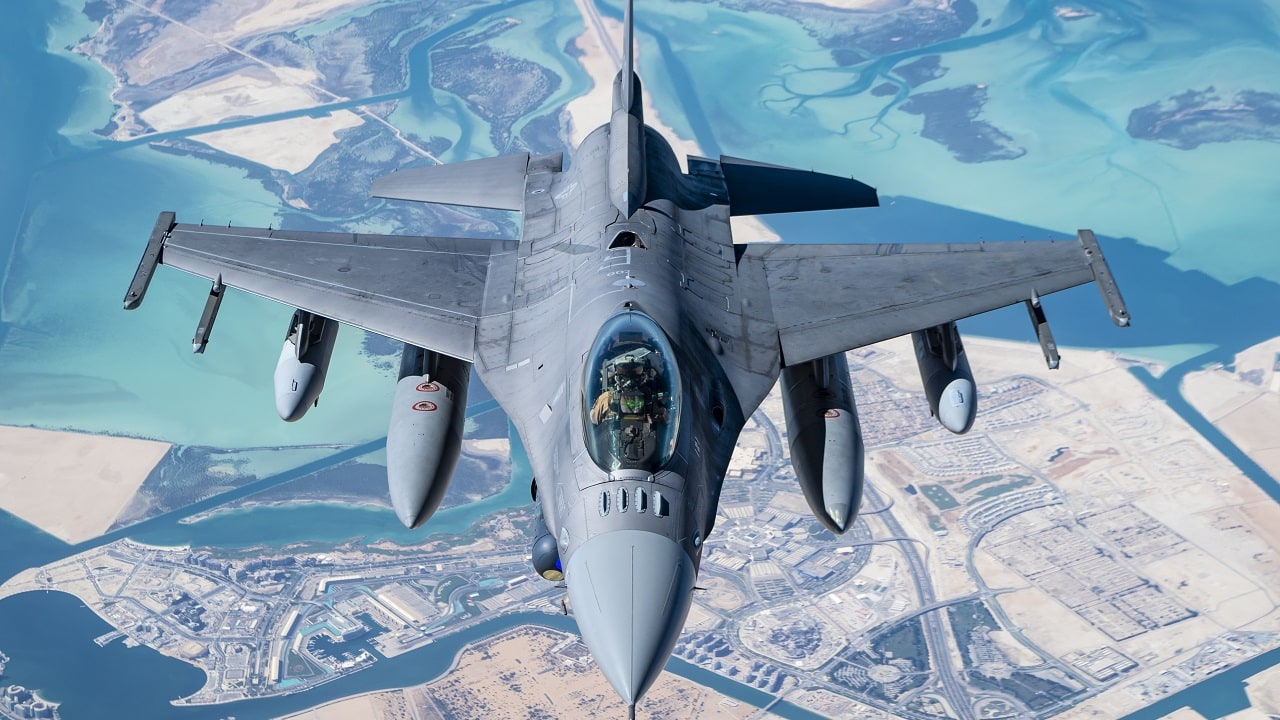
- Had the warplanes been provided when President Volodymyr Zekensky first requested them at the end of last year, they may have arrived in time to make a calculable difference to the Ukrainian ground offensive, where a lack of effective air cover has slowed the Ukrainian advance.
- Biden's dithering over the issue, with the White House initially ruling out approving the transfer of the jets before eventually changing its mind, now means that it is highly unlikely the warplanes will be in action this year, by which time the Ukrainian offensive will have ended.
- Chinese leader Xi Jinping, who has told his army to "prepare for war", appears to have reached the same conclusion as Putin.
- In such circumstances, the Ukrainian people and the Taiwanese could be forgiven for believing that, just as happened in Afghanistan, Biden's inability to provide effective leadership on the world stage will simply result in them being abandoned to their fates
RUSSIAN OFFENSIVE CAMPAIGN ASSESSMENT, AUGUST 25
China Wants to Run Your Internet
China Turned Upside Down: Life During Mao’s Bloody, Chaotic Cultural Revolution
What the 1939 Molotov-Ribbentrop Pact tells us about today’s war in Ukraine

China’s Road to Ruin: The Real Toll of Beijing’s Belt and Road
These technologies could defeat China’s missile barrage and defend Taiwan: Analysis

A Compound Problem: Dialing in U.S. Semiconductor Strategy
The US-Japan-South Korea summit was ‘historic.’ But what did it accomplish?
What Does Victory Look Like For Ukraine?

The Heated Debate Over Who Should Control Access to AI

U.S. conducts first Hunt Forward Operation in Lithuania
Microsoft says Chinese hacking crew is targeting Taiwan

Meta Terror?: The Threats and Challenges of the Metaverse
Discrepancies Between Social Media Policy and User Experience: A Preliminary Study of Extremist Content
Protecting point-to-point messaging apps: Understanding Telegram, WeChat, and WhatsApp in the United States
- First, how point-to-point platforms work, their varying degrees of security features, and how they deploy encryption.
- Second, understanding how diverse communities use the messaging platforms for different purposes.
- Third, understanding the variance among platform design and enforcement of terms of usage.
- Finally, how messaging app security is important for protecting and respecting rights—like privacy and freedom of expression—in this digital era.
Employing artificial intelligence and the edge continuum for joint operations
The Political Economy of Technology

Deep-fake content is worming its way into our lives through our newsfeeds

How the administration’s cyber strategy falls short

China says its ban on Japanese seafood is about safety. Is it really?

Entering the age of artificial truth

Why Can’t Sweden Sell Its Fighter Jets?
30 August 2023
What’s so bad about ‘aggressive neutrality’?
Another Anniversary Passes With Little Progress in Afghanistan

China’s 21st Century Empire Building

Winning the Influence War Against China

Early Intelligence Suggests Prigozhin Was Assassinated, U.S. Officials Say
China’s Crisis of Confidence in Six Charts
China Casts CIA as Villain in New Anti-Spying Push
Defecting Russian Mi-8 Helicopter Was Lured To Ukraine