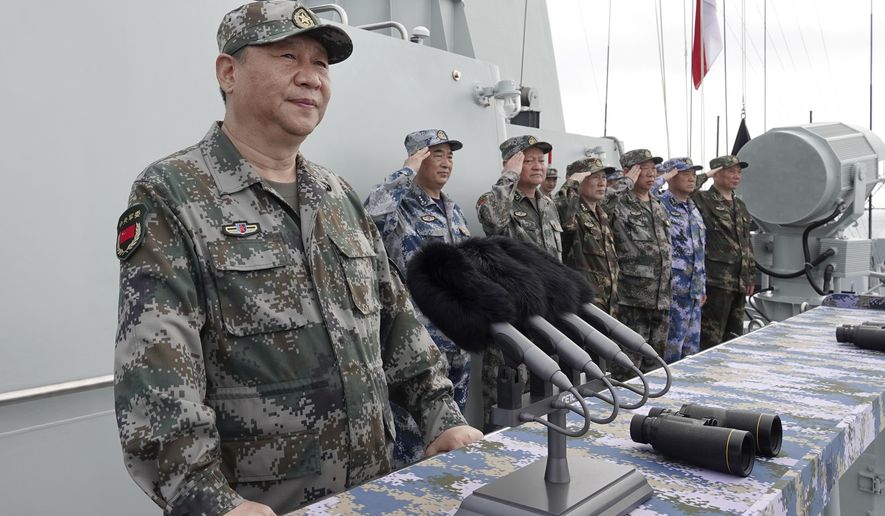
The latest announcement of the People’s Liberation Army (PLA) cutting its size by 50% is unsurprising yet consequential. This steep reduction brings about a structural transformation announced by President Xi Jinping and consistent with the military reforms introduced in 2015. The composition and disposition of Chinese military power today has changed significantly. The PLA’s transformation into a more streamlined fighting force has been nothing short of spectacular given the amount of internal bureaucratic and institutional resistance there was to bringing about a change in its force structure.The Profession of Arms: A Guide for Young Army Officers
It takes courage, especially for a young officer, to check a man met on the road for not saluting properly or for slovenly appearance, but, every time he does, it adds to his stock of moral courage, and whatever the soldier may say, he has respect for the officer who does pull him up.
Read Document →The Dragon's Teeth: Assessing China's Military Modernization
PLA has focused on modernising its capabilities across all warfare domains to achieve these goals. This includes land, air, and maritime operations, nuclear, space, counter-space, electronic warfare and cyberspace operations, aiming to become a fully integrated joint force.
Read Document →Transforming the PLA: A Decade of reorganisation from SSF to ISF
PRC has engaged in a sustained and broad effort to transform the PLA from an infantry-heavy, low-technology, ground forces-centric military into a high-technology, networked force with an increasing emphasis on joint operations and naval and air power projection.
Read Document →Eyes without Borders: Exploring the World of Open Source Intelligence (OSINT) in the Digital Age
Open Source Intelligence (OSINT) is gaining prominence with the rise of social media, the digital society and the vast growth of publicly and commercially available information (PAI and CAI).
Read Document →
The PLA’s Developing Cyber Warfare Capabilities and India's Options
Informationised warfare blurs the lines between peacetime and wartime. A nation in the information age cannot wait for the hostilities to break out to collect intelligence, carryout influence operations, develop antisatellite systems or design computer software weapons.
Read Document →
Galwan and After
Why did China did this when he is under tremendous pressure in all fronts, is this China's salami slice tactics being progressed rigorously, what will be new Rules of Engagement, what will be escalatory control mechanism, who has taken this decision, will there be some pressure put by China in India's North-East through insurgency.
Read Document →
India’s Joint Doctrine for Cyberspace Operations: A Critical Review
Chief of Defence Staff (CDS) General Anil Chauhan and Secretary, Department of Military Affairs, formally released declassified versions of the Joint Doctrines for Cyberspace Operations during the Chiefs of Staff Committee meeting in New Delhi.
Read Document →
Know your Enemy General(now Field Marshal) Syed Aseem Munir
Gen SA Munir's position in the hierarchy of Pakistan was not very comfortable. The state of economy, insurgency in Pakhtoonistan and Balochistan, attack on the Jaffar Express, constant protests by supporters of Imran Khan's supporters inside and outside of parliament.
Read Document →
Decoding Operation SINDOOR: Key Aspects and Implications
Precision strikes were carried out on nine sites—four in Pakistan and five in PoK—linked to anti-India terrorist groups such as the LeT, JeM and the Hizbul Mujahideen. The targeted sites included Muridke (LeT headquarters) and Bahawalpur (JeM headquarters).
Read Document →
Chinese Cyber Exploitation in India's Power Grid - Is There a linkage to Mumbai Power Outage?
The New York Times (NYT), based on analysis by a U.S. based private intelligence firm Recorded Future, reported that a Chinese entity penetrated India’s power grid at multiple load dispatch points. Chinese malware intruded into the control systems that manage electric supply across India, along with a high-voltage transmission substation and a coal-fired power plant
Read Document →9 February 2019
Military reforms have put China’s combat capability way ahead of India’s
The latest announcement of the People’s Liberation Army (PLA) cutting its size by 50% is unsurprising yet consequential. This steep reduction brings about a structural transformation announced by President Xi Jinping and consistent with the military reforms introduced in 2015. The composition and disposition of Chinese military power today has changed significantly. The PLA’s transformation into a more streamlined fighting force has been nothing short of spectacular given the amount of internal bureaucratic and institutional resistance there was to bringing about a change in its force structure.India doesn’t gain from talks with Taliban now: ex-Envoy Amar Sinha
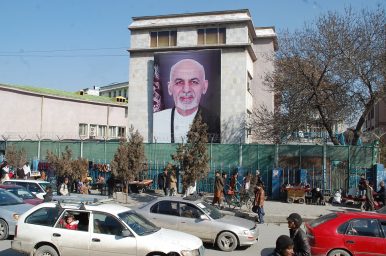
Afghanistan: what price tag do we put on strategic security?
One of the most galling whines that has characterised the take of Indian politicians, officials and analysts on the deteriorating situation in Afghanistan is the threat this poses to Indian investments in that country. Apart from being insulting to our Afghan allies and friends, it is also reflective of the pettiness and penny-pinching attitude of India's strategic community on an issue that they themselves label as being critical for India's strategic security.Peace, Politics, & Afghanistan's Next President
Through the Taliban’s Eyes: Peace Prospects in Afghanistan
The media, lost in Trump World, are ignoring the consequences of the Afghanistan war
Is Afghanistan Ready for Peace?
The Taliban’s Battle Plan
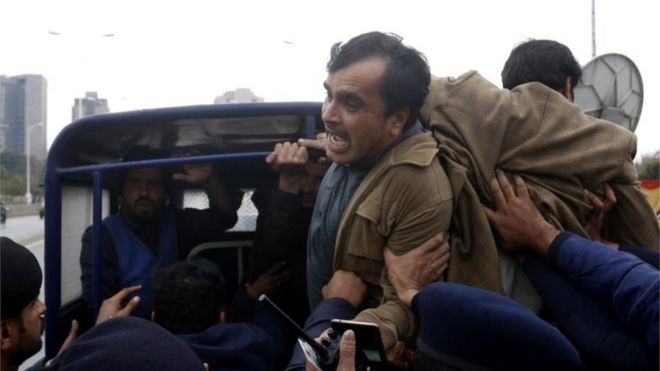
A protest Pakistan wants to hide from the world
Why do some protests get reported in Pakistan and others not? M Ilyas Khan examines a story of human rights abuses the media is reluctant to cover and the authorities do not want to be told.Understanding the Taliban will be key to peace in Afghanistan
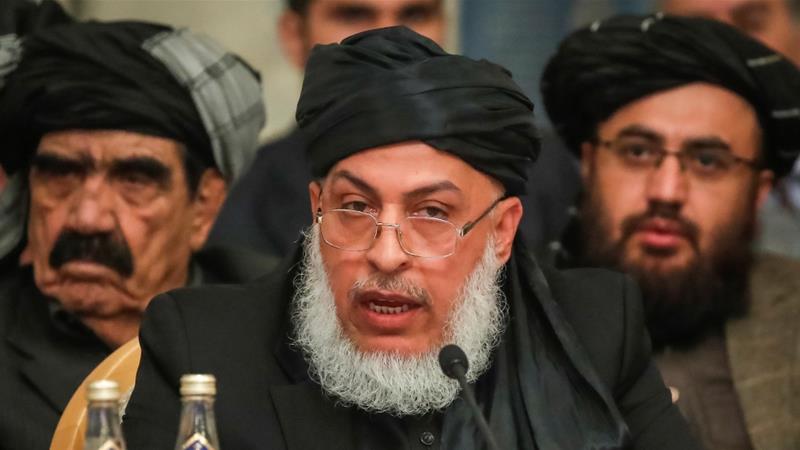
On January 28, following six consecutive days of talks in Qatar's capital Doha, Washington's main negotiator Zalmay Khalilzad announced that the US and the Taliban finally have a "draft framework" in place for a deal which could pave the way for peace talks with the Afghan government. China runs into Belt and Road barriers in South Asia
How China will help fuel the revolution in autonomous vehicles
Taking on China’s intellectual property theft
The Stealth Superpower How China Hid Its Global Ambitions
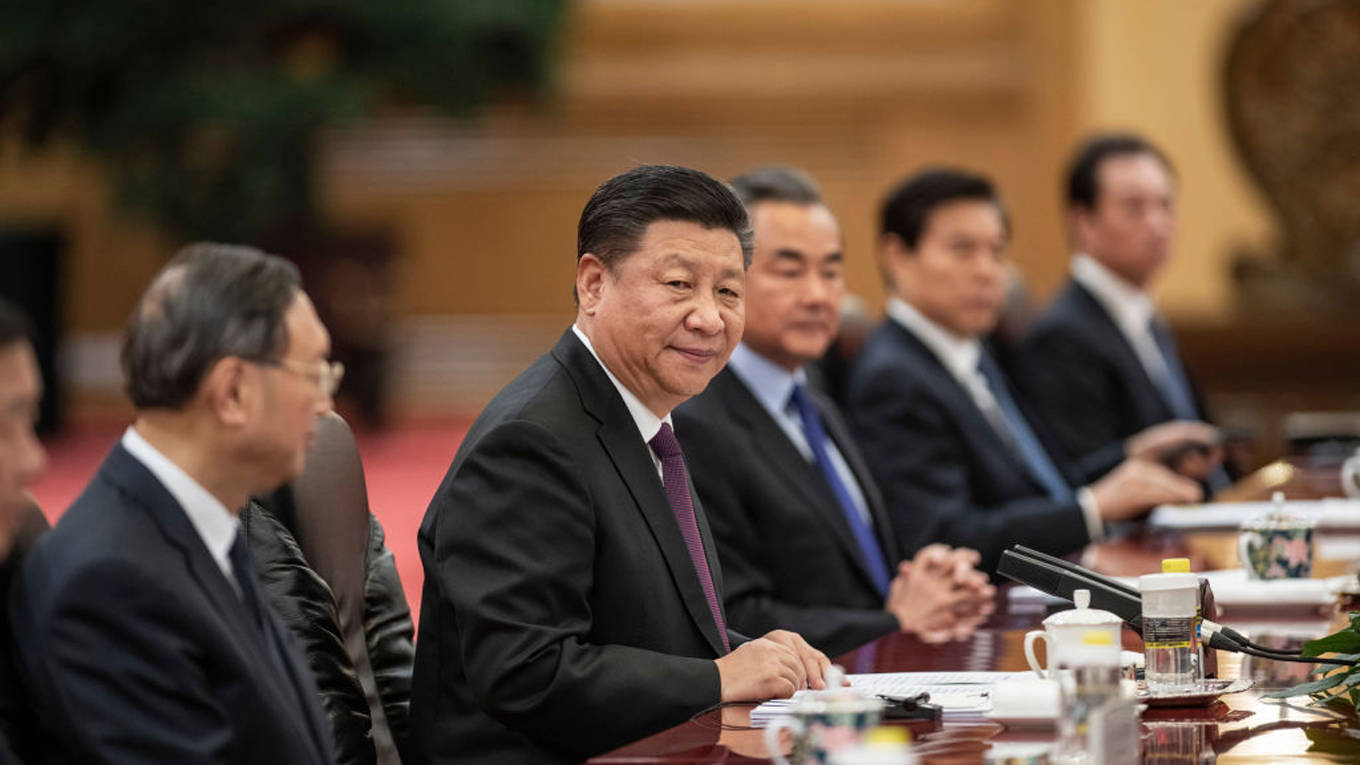
What Is Xi Jinping Thought?
LONDON – In October 2017, at the 19th National Congress of the Communist Party of China, the CPC enshrined in its constitution a new political doctrine: “Xi Jinping Thought on Socialism with Chinese Characteristics in a New Era.” At a time when a rapidly modernizing China is a leading global player, it is tempting to dismiss this doctrine as anachronistic “party-speak” from a bygone age. We succumb to that temptation at our peril.China developing battlefield AI for high-technology warfare
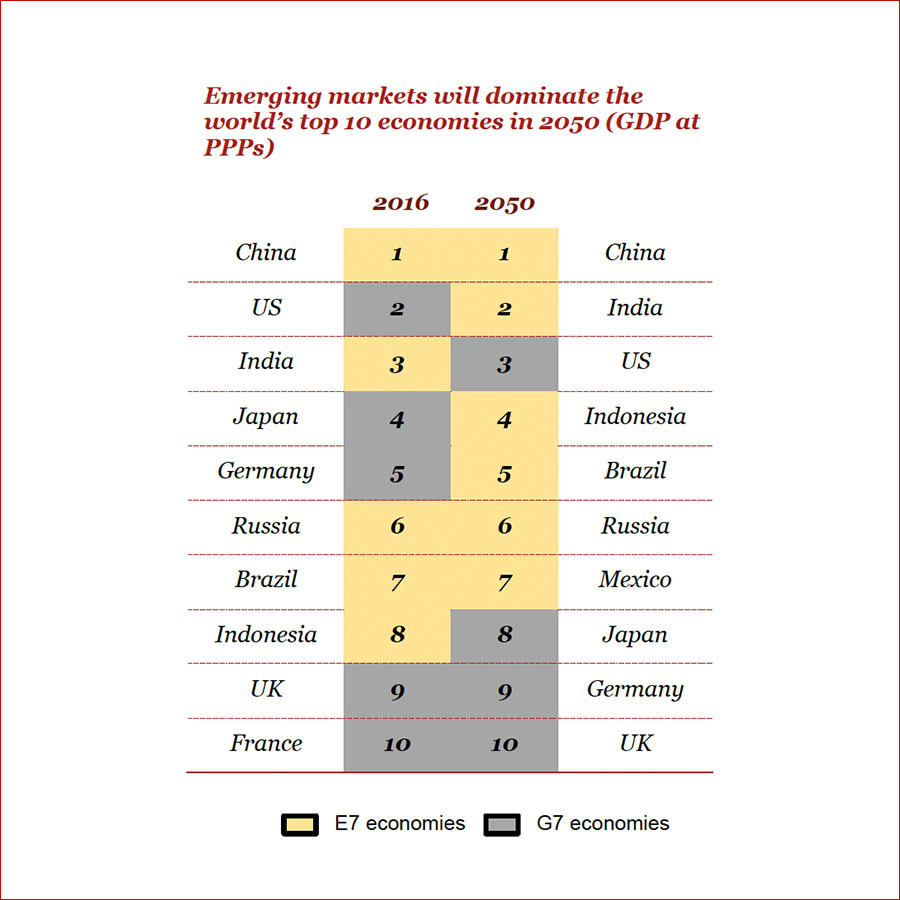
China to dominate global economy by 2050, US to fall behind India, Russia to top Europe – PwC

Is Japan’s Sun Rising?
At a time of rising populism and authoritarianism around the world, Japan stands out as a relative island of social and economic stability. And though it owes its current situation to unique economic and geopolitical circumstances, it might still have something to teach other developed countries.Why do we still use the term Middle East when West Asia is more relevant to Arab nations?
Israel Boosts Protection Of Gas Fields, Shipping
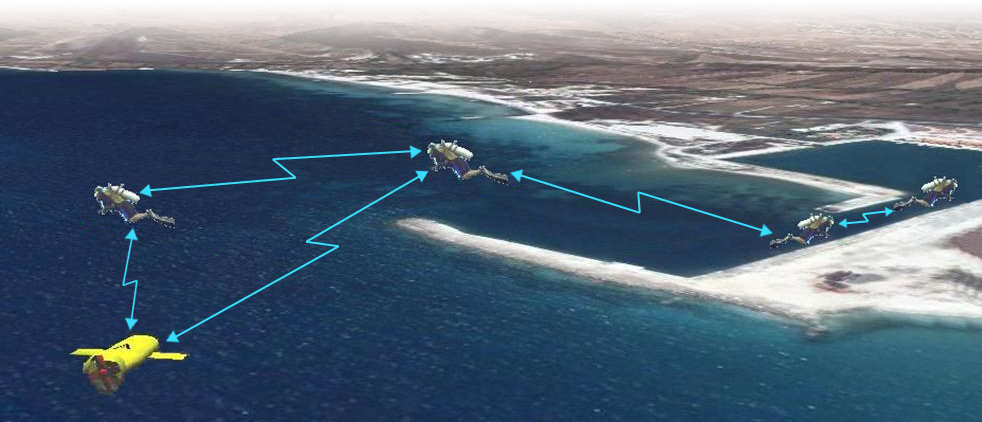
TEL AVIV: With over 80 percent of Israeli’s commerce carried by sea and its offshore gas fields crucial to the economy, the country is boosting spending on protecting its shipping lanes, littorals and ports with an array of weapons including underwater capabilities, heavily armed patrol boats and new submarines.Russia’s tango with Pakistan
From Yellow Vests to the Green New Deal
The grassroots movement behind the Green New Deal offers a ray of hope to the badly battered establishment: they should embrace it, flesh it out, and make it part of the progressive agenda. We need something positive to save us from the ugly wave of populism, nativism, and proto-fascism that is sweeping the world.Venezuela Could Force a Foreign Policy Reckoning for U.S. Progressives
The standoff pitting Venezuelan President Nicolas Maduro against National Assembly leader Juan Guaido, who declared himself interim president two weeks ago, continues to paralyze the country. It has also highlighted a political divide outside Venezuela—in particular in the U.S. between advocates and critics of the Trump administration’s pursuit of regime change in Caracas. That debate has broader implications for the formulation of a progressive foreign policy framework in the runup to the U.S. presidential election in 2020.Why Australia and others are reluctant to join Trump’s fight with China
The Globalization Chameleon
William Alan Reinsch
The Pentagon’s First AI Strategy Will Focus on Near-Term Operations — and Safety
The document is intended to make commander think through the implications of their new artificial-intelligence tools.When governments turn to AI: Algorithms, trade-offs, and trust
France Latest Nation to Acknowledge Offensive Cyber Operations
Why 5G is a big deal for militaries throughout the world
The public discussion of 5th generation (5G) mobile telephone service has been seen by many – perhaps most – in the United States as just another step in the evolution of mobile communications, a remarkable scientific and commercial development that has wrought a wide range of benefits world-wide over the preceding quarter-century.