The Profession of Arms: A Guide for Young Army Officers
It takes courage, especially for a young officer, to check a man met on the road for not saluting properly or for slovenly appearance, but, every time he does, it adds to his stock of moral courage, and whatever the soldier may say, he has respect for the officer who does pull him up.
Read Document →The Dragon's Teeth: Assessing China's Military Modernization
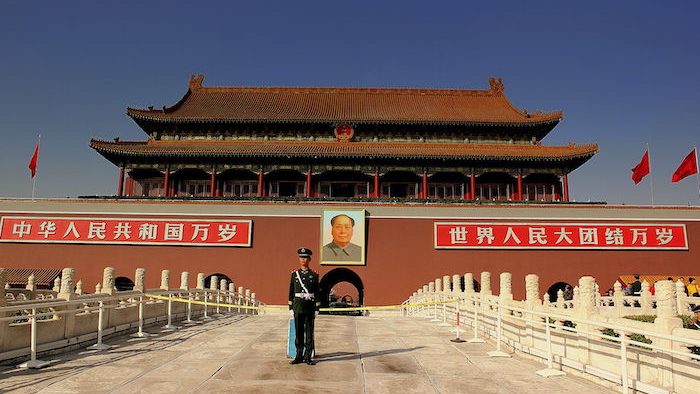
PLA has focused on modernising its capabilities across all warfare domains to achieve these goals. This includes land, air, and maritime operations, nuclear, space, counter-space, electronic warfare and cyberspace operations, aiming to become a fully integrated joint force.
Read Document →Transforming the PLA: A Decade of reorganisation from SSF to ISF
PRC has engaged in a sustained and broad effort to transform the PLA from an infantry-heavy, low-technology, ground forces-centric military into a high-technology, networked force with an increasing emphasis on joint operations and naval and air power projection.
Read Document →Eyes without Borders: Exploring the World of Open Source Intelligence (OSINT) in the Digital Age
Open Source Intelligence (OSINT) is gaining prominence with the rise of social media, the digital society and the vast growth of publicly and commercially available information (PAI and CAI).
Read Document →
The PLA’s Developing Cyber Warfare Capabilities and India's Options
Informationised warfare blurs the lines between peacetime and wartime. A nation in the information age cannot wait for the hostilities to break out to collect intelligence, carryout influence operations, develop antisatellite systems or design computer software weapons.
Read Document →
Galwan and After
Why did China did this when he is under tremendous pressure in all fronts, is this China's salami slice tactics being progressed rigorously, what will be new Rules of Engagement, what will be escalatory control mechanism, who has taken this decision, will there be some pressure put by China in India's North-East through insurgency.
Read Document →
India’s Joint Doctrine for Cyberspace Operations: A Critical Review
Chief of Defence Staff (CDS) General Anil Chauhan and Secretary, Department of Military Affairs, formally released declassified versions of the Joint Doctrines for Cyberspace Operations during the Chiefs of Staff Committee meeting in New Delhi.
Read Document →
Know your Enemy General(now Field Marshal) Syed Aseem Munir
Gen SA Munir's position in the hierarchy of Pakistan was not very comfortable. The state of economy, insurgency in Pakhtoonistan and Balochistan, attack on the Jaffar Express, constant protests by supporters of Imran Khan's supporters inside and outside of parliament.
Read Document →
Decoding Operation SINDOOR: Key Aspects and Implications
Precision strikes were carried out on nine sites—four in Pakistan and five in PoK—linked to anti-India terrorist groups such as the LeT, JeM and the Hizbul Mujahideen. The targeted sites included Muridke (LeT headquarters) and Bahawalpur (JeM headquarters).
Read Document →
Chinese Cyber Exploitation in India's Power Grid - Is There a linkage to Mumbai Power Outage?
The New York Times (NYT), based on analysis by a U.S. based private intelligence firm Recorded Future, reported that a Chinese entity penetrated India’s power grid at multiple load dispatch points. Chinese malware intruded into the control systems that manage electric supply across India, along with a high-voltage transmission substation and a coal-fired power plant
Read Document →26 February 2020
Is Trump Putting U.S.-India Partnership at Risk Ahead of Visit?
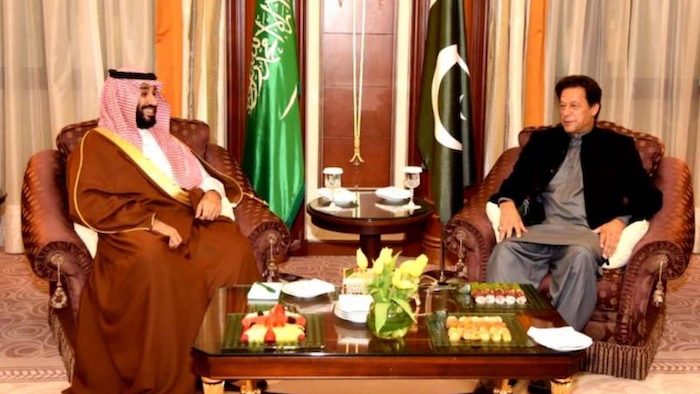
Opinion – The Contours of the Saudi Arabia-Pakistan Relationship
Saudi Arabia was one of the first countries to acknowledge the unique position of Pakistan in the Islamic world. Four years after the formation of Pakistan, Saudi Arabia and Pakistan signed the Treaty of Friendship. Saudi Arabia saw a partner in Pakistan which is militarily powerful and has no interest in meddling with the regional affairs of the Middle East and the Kingdom also had a fundamental base to accelerate the relationship because of the shared identity of a nation driven and formed by an Islamic character. The partnership between Saudi Arabia and Pakistan has grown over time and has remained to be one of the strongest alliances in the Islamic world; rightly defined by the late King Abdullah bin Abdelaziz al Saud as ‘brothers’. The intent to further strengthen the engagement is evident from the statement released by Pakistan’s Foreign Office after the recent conversation between Shah Mahmood Qureshi and his Saudi Arabian counterpart.A Looming Peace for Afghanistan’s Long Hard War?
What China has to fear from a US-Taliban peace deal in Afghanistan
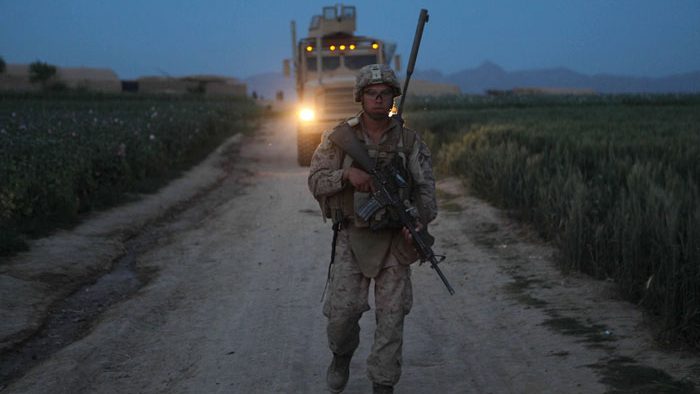
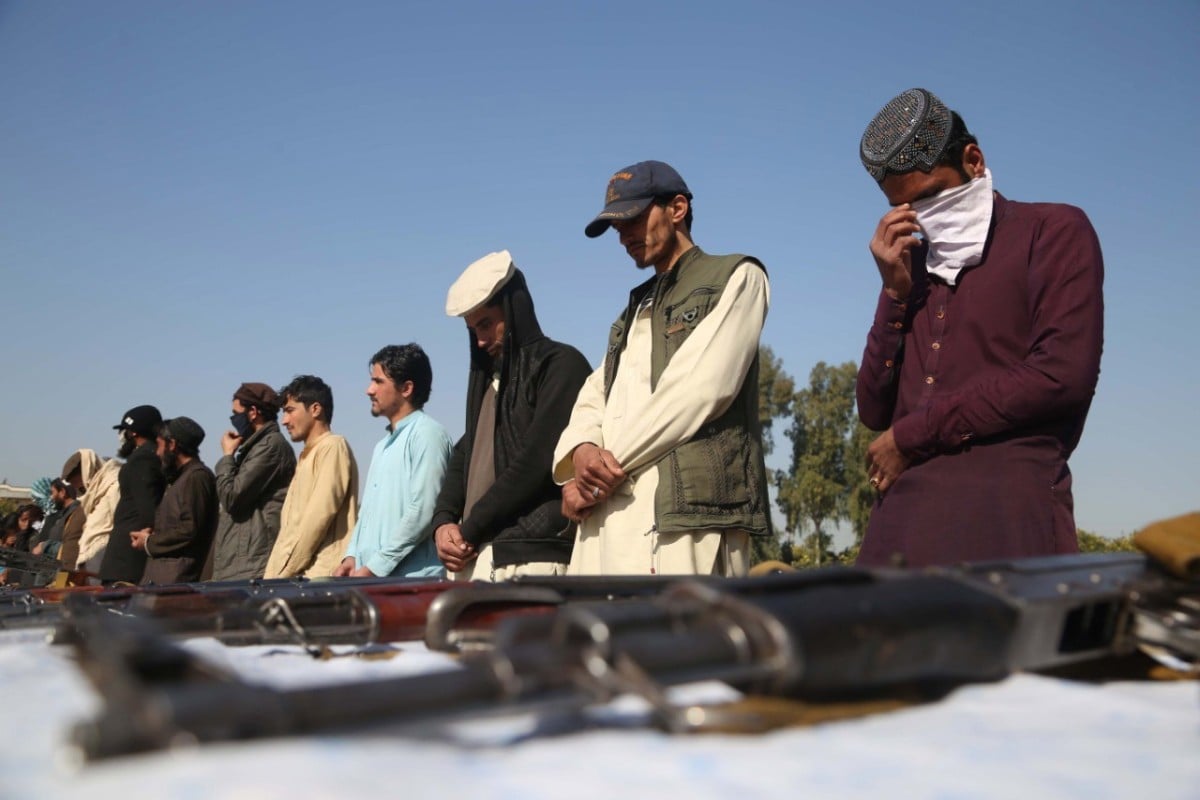
After more than 18 years of war, the Taliban has agreed to a week-long nationwide reduction of violence, setting the stage for the signing of a peace deal by the end of this month that would see all US military forces depart Why Afghanistan Is America’s Greatest Strategic Disaster
US Must Prepare For Military Conflict With China, Pentagon Official Warns
An Examination of Chinese Humanism
In the book, “Chinese Hegemony”, Zhang Feng (2015) introduces the concept of “ethical relationalism” (pp. 181) to argue that international relations (IR) are not merely about states pursuing “exclusive self-interest” but could include their attempts to sustain “long-term ethical relationships”. The idea of “ethical relationalism” was derived from the concept of Confucian relationalism, which seeks to minimize states’ pursuit of self-interest in return for sustainability in international relations. According to Zhang (2015), the concept of Confucian relationalism is based on the principles of “appropriateness and justice” (yi li; ไน็) (pp. 182), which highlights mutual assistance and ethical obligation in social interactions. The Confucian principle of dao yi (้ไน), or “the principle of righteousness”, was also introduced to reinforce the need for principles to guide state behaviour so that “amoral realpolitik” caused by states’ “extreme maximization of self-interest” could be reduced (pp. 182). In effect, it was argued that relational-politik centered on the principles of righteousness (yi; ไน) and moral justice (็; li) could lead to increased sustainability, cooperation and harmony in IR (pp. 182).Beijing’s Great Leap Backward
U.S. Car Industry Most Reliant On Chinese Parts
The Shanghai Composite And Coronavirus: A Revealing Perspective
China’s Military Power Projection and U.S. National Interests
Coronavirus Update: Rapid Construction of Medical Facilities
Opinion – Iran 2020: Election Polls, Panics and Predictions
Sirajuddin Haqqani, Terrorist
Climate Change and Food Security in the Pacific
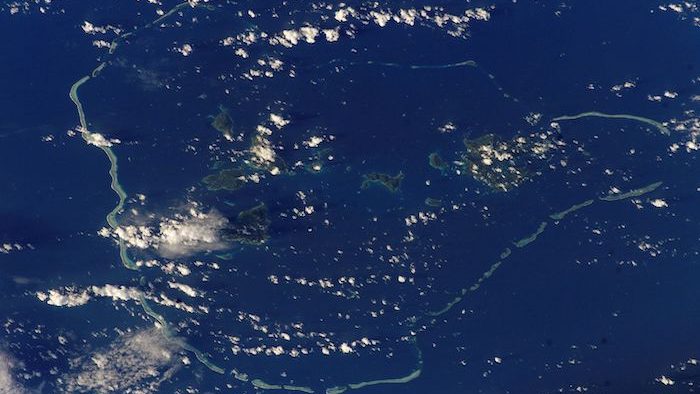
It is irrefutable that the vast Pacific Ocean with its small island nations are in the frontline of the catastrophic climate change which is already threatening food security where the majority of the people depend on the sea for food and on subsistence agriculture. Traditionally, Pacific Island diet consisted of fish, seafood and root crops such as taro, cassava, yams and sweet potatoes and in many rural communities of the region, fish is the only source of animal protein. Now with rising sea-levels, salt water inundation of agricultural land, frequency of cyclones and other climate-change-related-disasters, this livelihood on which 70% of the region’s population depends on is under threat and is one of the causes of chronic hunger and malnutrition in the region (WFP and SPC, 2018). Access to food and availability of food in the market are the two important components of measuring food security (Aliber and Mini, 2010 quoted in Masipa, 2017). Thus, from the Human Sciences Research Council (HSRC) perspective, food security means “food availability, food access and food use”. According to HSRC, food availability means there is adequate amount of quality food in the market which people can easily access and utilise. Food access “refers to the ability of the nation and its households to acquire sufficient food on a sustainable basis” (Masipa, 2017).Human Vulnerability to Climate Change
Human Vulnerability to Climate Change
Has the US Learned from Its Experience in the Vietnam War?
The White Swans Of 2020
In my 2010 book, Crisis Economics, I defined financial crises not as the “black swan” events that Nassim Nicholas Taleb described in his eponymous bestseller, but as “white swans.”Brexit’s Stealthy Rationality
ATHENS – At pivotal historical moments, rational political ruptures often are brought about for all the wrong reasons. UK Prime Minister Boris Johnson’s Brexit may prove to be a case in point.The U.S. Should Get Ready for Syria’s Return from War
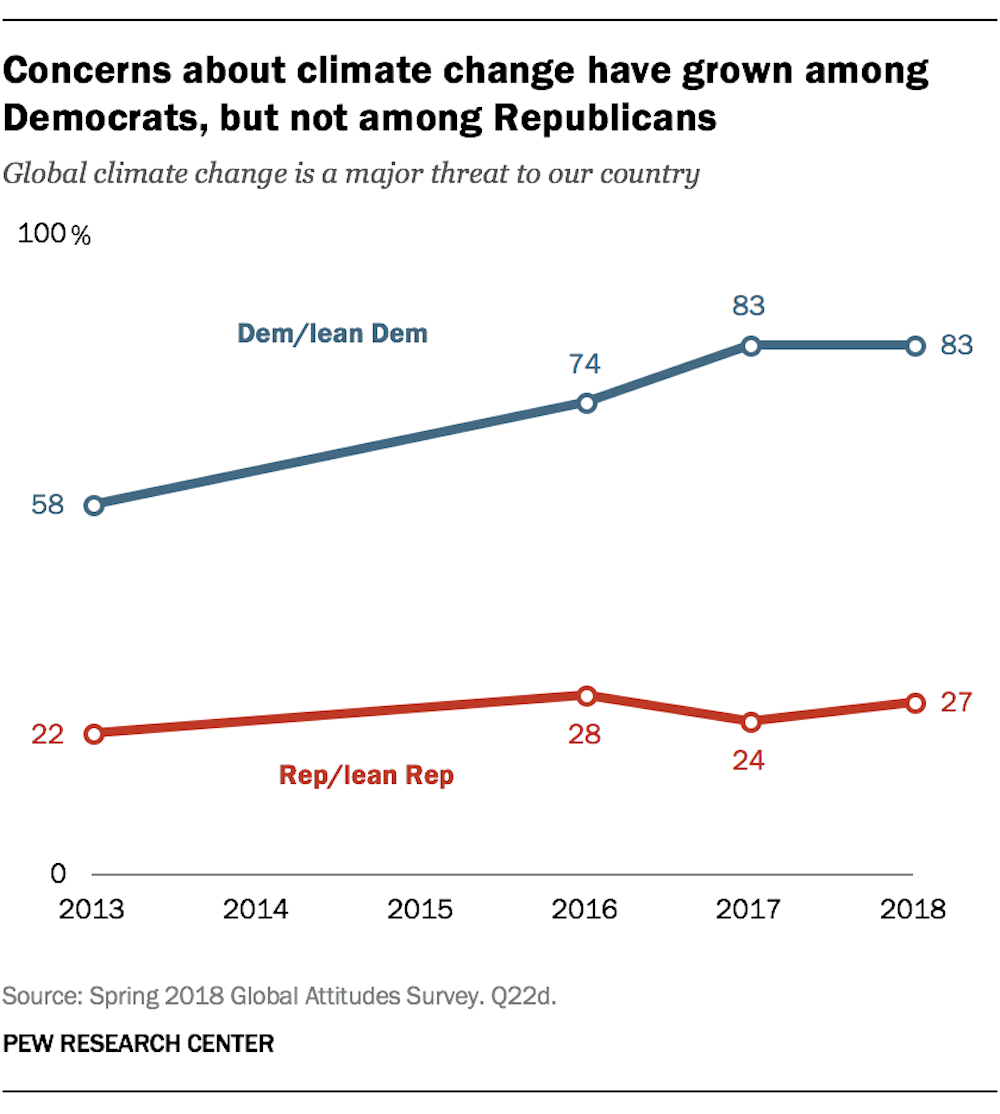
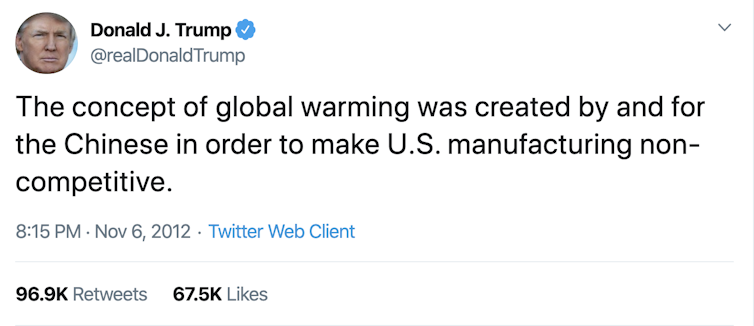
Why Do Donald Trump and Millions of Americans Think Climate Change is a Lie?
The reason? A handful of countries blocked significant action, in particular the United States, Brazil, Australia and Saudi Arabia, while China and India conveniently used the pretext of the historical responsibility of rich nations as an excuse for doing nothing.
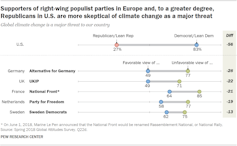
Global Threats. Pew Research Center
Twitter.Germany’s Ruling Conservatives Scramble for Direction After Merkel
BERLIN—German Chancellor Angela Merkel’s plan for a smooth retirement collapsed last week when her hand-picked successor unexpectedly resigned, throwing Merkel’s conservative Christian Democratic Union, or CDU, into turmoil. Germany’s most powerful political party is now frantically searching for a new leader, even as it grapples with a broader identity crisis after shedding supporters to both left-leaning and far-right parties.The New City States
O’Hare International Airport in Chicago is one of the most important transportation hubs on the earth. With 2,700 flights a day and more than 80 million passengers a year, it is one of the United States’ busiest airports and the world’s second-biggest connector airport, linking flights to points across the globe. It is also, in certain crucial areas, old and outdated; some of the runways and terminals have gone decades without an overhaul. And when O’Hare gets clogged up, the rest of the country does, too.The Art of Neverending Wars
Back in March 2007, a car bomb destroyed the booksellers’ market on Baghdad’s Al-Mutanabbi Street. No one claimed responsibility for the attack, which killed thirty people and wounded one hundred more. The market’s dense inventory of books, packed in shop shelves and arrayed on sidewalk tables and blankets—volumes of fiction and poetry, history and sociology, travel and religion—acted as fuel for the fire that accompanied the explosion. Al-Mutanabbi Street had long been a center of intellectual life in the city—a cherished haven for political, as well as literary, exchange—and the bombing exemplified one tragic consequence of the US-led conquest and occupation of the country: the erasure of Iraqi history and culture.