KATJA GRACE
The window of what AI can’t do seems to be contracting week by week. Machines can now write elegant prose and useful code, ace exams, conjure exquisite art, and predict how proteins will fold.
Experts are scared. Last summer I surveyed more than 550 AI researchers, and nearly half of them thought that, if built, high-level machine intelligence would lead to impacts that had at least a 10% chance of being “extremely bad (e.g. human extinction).” On May 30, hundreds of AI scientists, along with the CEOs of top AI labs like OpenAI, DeepMind and Anthropic, signed a statement urging caution on AI: “Mitigating the risk of extinction from AI should be a global priority alongside other societal-scale risks such as pandemics and nuclear war.”
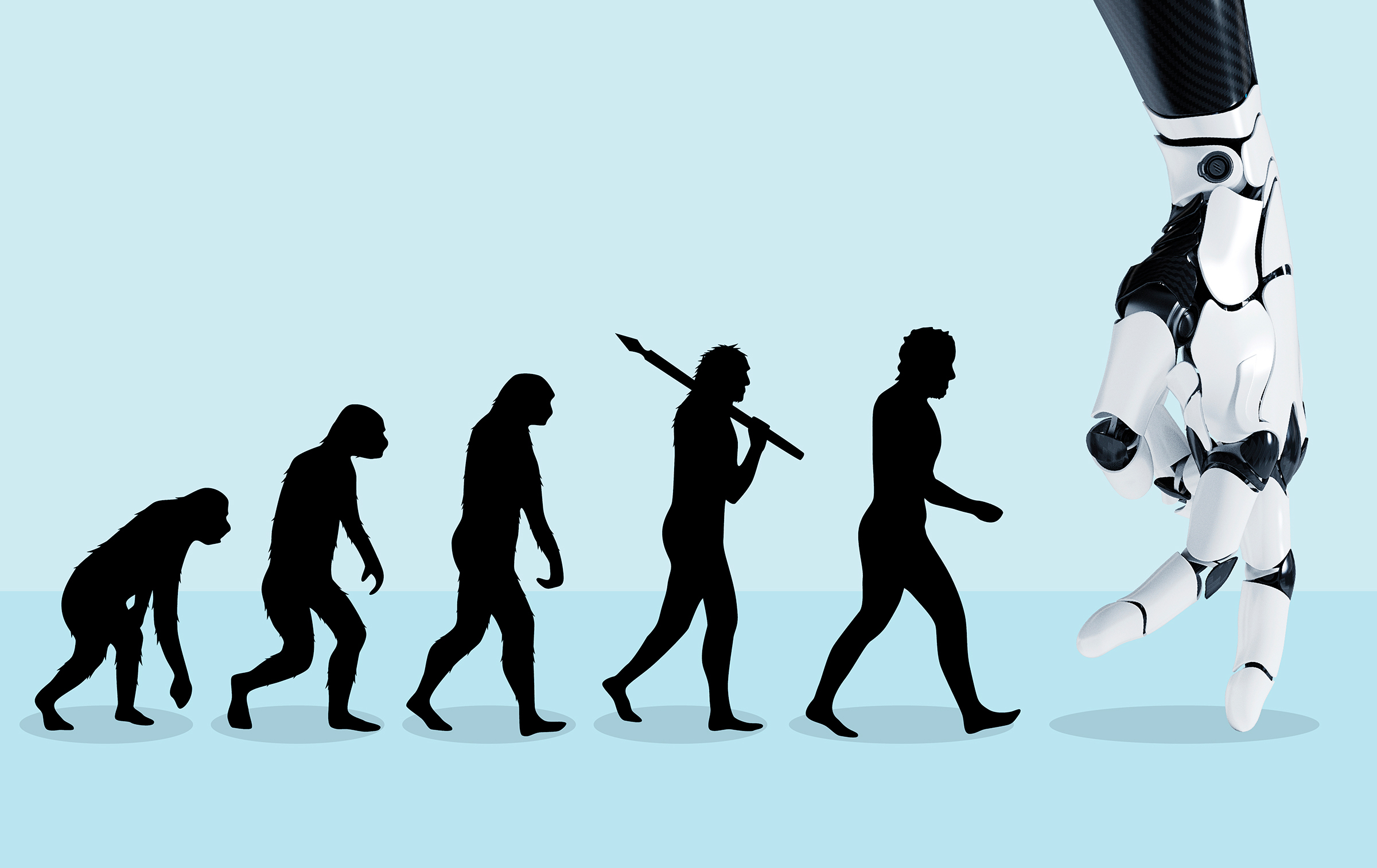
Why think that? The simplest argument is that progress in AI could lead to the creation of superhumanly-smart artificial “people” with goals that conflict with humanity’s interests—and the ability to pursue them autonomously. Think of a species that is to homo sapiens what homo sapiens is to chimps.
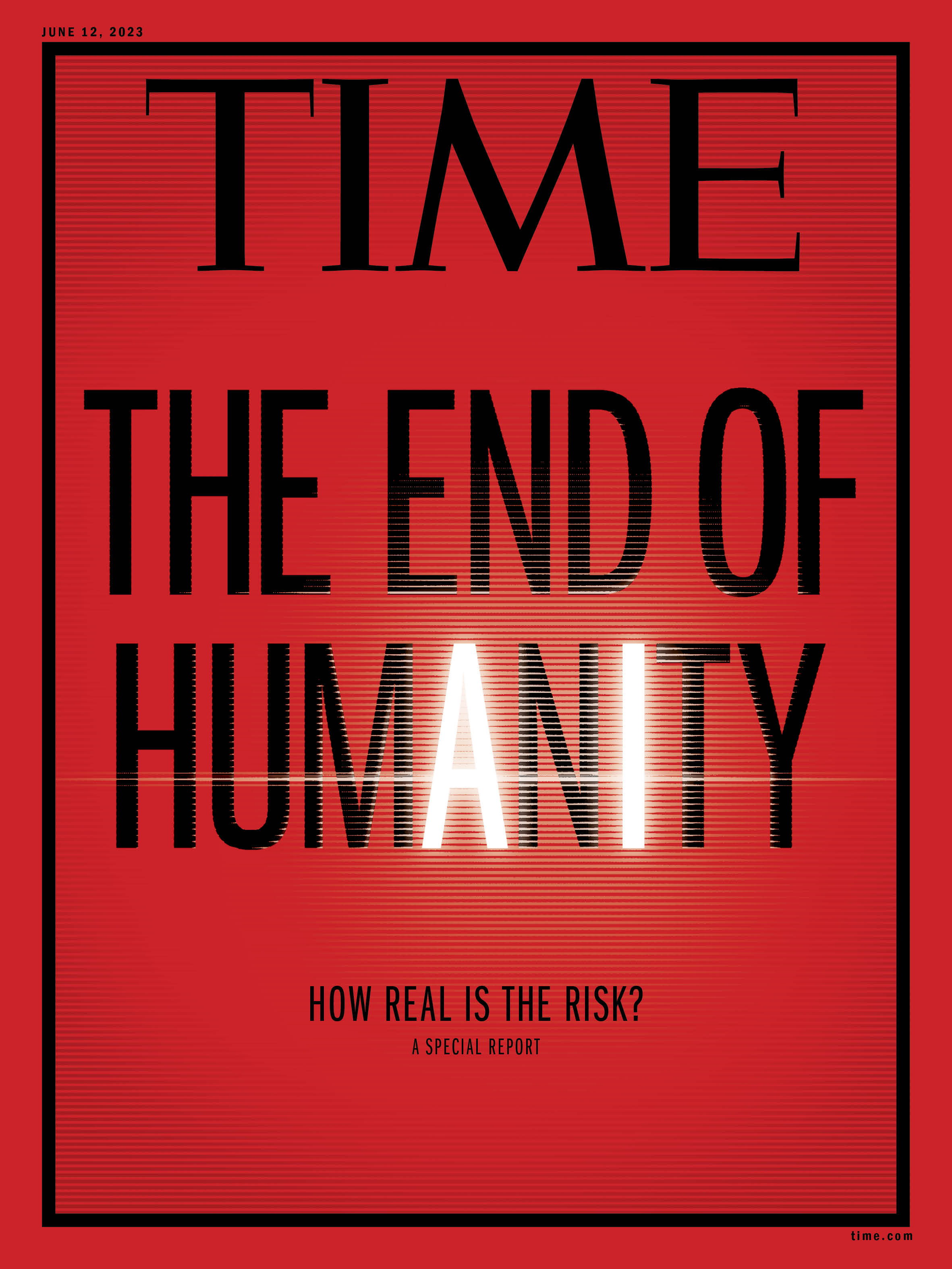
TIME illustration
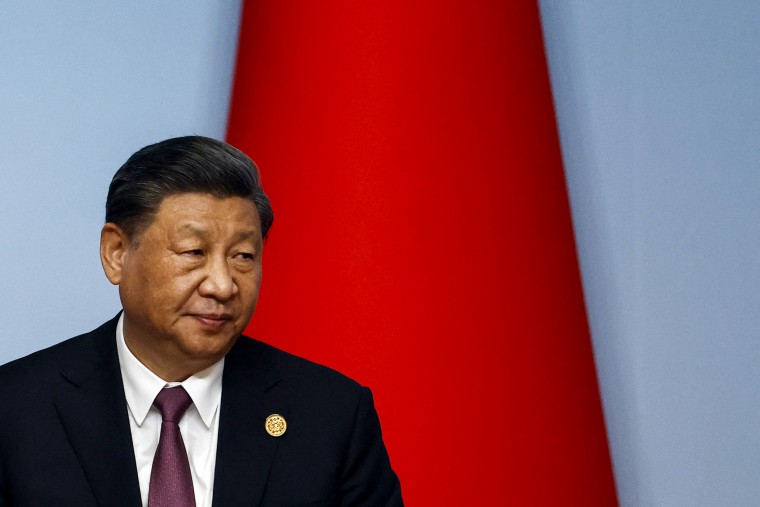
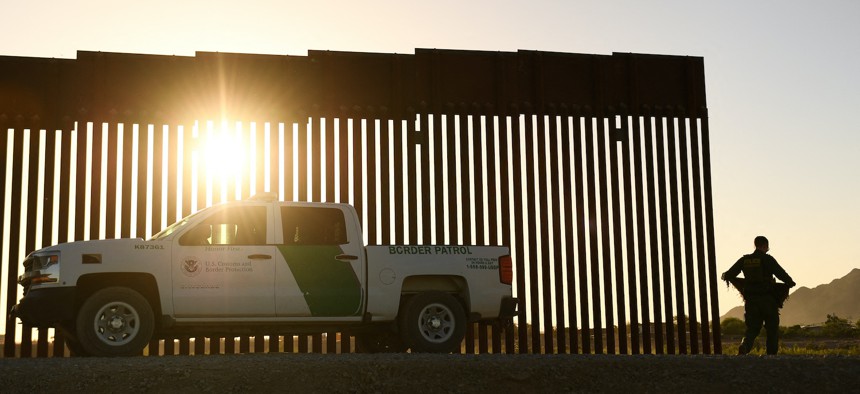
Yet while many fear that AI could mean the end of humanity, some worry that if “we”—usually used to mean researchers in the West, or even researchers in a particular lab or company—don’t sprint forward, someone less responsible will. If a safer lab pauses, our future might be in the hands of a more reckless lab—for example, one in China that doesn’t try to avoid substantial risks.
This argument analogizes the AI situation to a classic arms race. Let’s say I want to beat you in a war. We both spend money to build more weapons, but without anyone gaining a relative advantage. In the end, we’ve spent a lot of money and gotten nowhere. It might seem crazy, but if one of us doesn’t race, we lose. We’re trapped.
But the AI situation is different in crucial ways. Notably, in the classic arms race, a party could always theoretically get ahead and win. But with AI, the winner may be advanced AI itself. This can make rushing the losing move.
Other game-changing factors in AI include: how much safety is bought by going slower; how much one party’s safety investments reduce the risk for everyone; whether coming second means a small loss or major disaster; how much the danger rises if additional parties pick up their speed; and how others respond.