 Suicide bombings in 2019, despite a sharp decline in number from the previous year, remained one of the most effective tactics available to terrorist groups. The drop in number is in keeping with an ongoing (albeit more modest) decline seen in recent years, but the figures of 2019 can be attributed to the final military defeat of the Islamic State. Therefore, while the Islamic State and its affiliates - the organizations that since 2015 have committed the most suicide bombings – remain the groups primarily responsible for suicide bombings, the actual number of attacks plummeted. According to collected data in 2019, 149 suicide bombings were carried out in 24 countries by 236 suicide bombers, among them 22 women. In these suicide bombings, 1,850 people were killed and 3,660 were wounded.In 2019, around 149 suicide bombings were carried out worldwide (compared to around 293 in 2018 - a decline of around 49 percent). For the second consecutive year, the most active arena in this regard was Asia, where around 68 suicide bombings were carried out – primarily in Afghanistan - accounting for 45.5 percent of all suicide bombings globally. In the Middle East, around 47 suicide bombings were carried out in 2019, accounting for around 31.5 percent of all suicide bombings. In Africa, around 33 such attacks were carried out in 2019, accounting for around 22 percent of attacks during the year. Latin America saw a sole, rare attack, launched in Colombia, by the National Liberation Army, killing 21 people.
All suicide bombings listed and analyzed by the Terrorism and Low Intensity Conflict Program at the Institute for National Security Studies (INSS) are based on at least two independent sources. Combined assaults on multiple adjacent targets simultaneously, or as part of deliberate advance planning, are considered a single attack.
The Sharp Decline in Attacks by the Islamic State and its Affiliates
The gradual military defeat of the Islamic State intensified over the last two years, eliminating the entity’s control over swathes of Iraq and Syria and culminating with the loss in March 2019 of its last stronghold, al-Baghuz, in eastern Syria. In its stead, the ISIS organization remains operational in the Levant and cooperates with allied groups worldwide that still identify with and use the brand name Islamic State.
Despite the sharp decline in 2019 in the number of suicide bombings carried out by the Islamic State and its global affiliates - some 60 percent - it remained the main element perpetrating such attacks. The Islamic State/ISIS and their affiliates were responsible for some 69 suicide bombings, which constituted some 46 percent of all such attacks globally. These attacks killed around 850 people; in 2018, the Islamic State and its affiliates were responsible for around 172 attacks that caused the deaths of around 1,930 people. In parallel, 2019 also saw al-Qaeda and its affiliates - the rivals of ISIS in the Salafi-jihadist movement for the leadership of the global jihad camp - carry out around 52 attacks that comprised around 35 percent of all suicide bombings. Together, these organizations were unquestionably responsible for more than 80 percent of all suicide bombings worldwide.
2019 saw approximately another 17 suicide bombings, (accounting for around 11.5 percent of suck attacks) where the identity of the group responsible is not known, but given the locations of the attacks it most likely that at least 14 of them were carried out by members of the Salafi-jihadist movement. Additional suicide bombings were carried out by other groups that are identified with the Salafist-jihadist movement even if they do not formally belong to one of the two major camps. Overall data thus indicate that terrorist groups identified with the Salafi-jihadist movement were responsible in 2019 for some 97 percent of all suicide bombings.
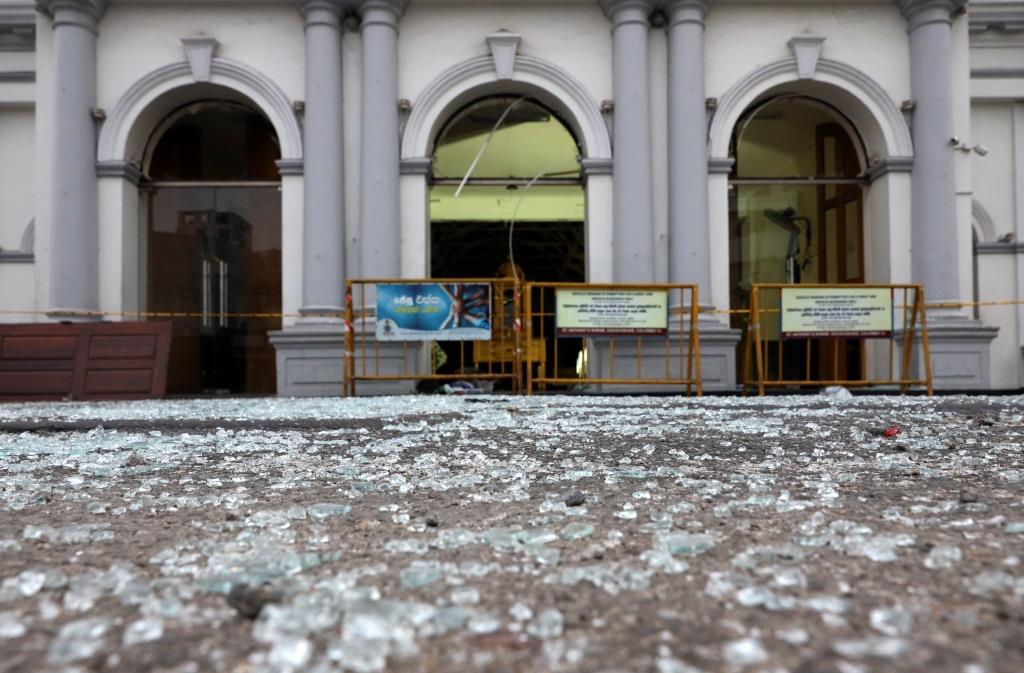
In contrast to the dominance of the Middle East, particularly Iraq, as the region where most suicide bombings were carried out for some 15 years (with the exception of 2009-2012), for the last two consecutive years it has been Asia – primarily Afghanistan – that was the main arena. In Asia overall, a total of around 68 suicide bombings were carried out in 2019 - a sharp decline of some 40 percent relative to the previous year (113 attacks). Afghanistan remained the most frequent site for suicide bombings, with around 43 suicide bombings in 2019 - a drop of around 48 percent relative to 2018. Khorasan Province, an Islamic State affiliate in Afghanistan depicted by the United States as the deadliest organization today, carried out around 6 suicide bombings in 2019 (a sharp decline of 83 percent from the previous year, when the group carried out around 35 such attacks). By contrast, the Taliban organization, al-Qaeda's main partner and patron in Afghanistan, remained active, conducting around 28 suicide bombings in 2019 compared to around 25 in 2018. Around 10 suicide bombings were carried out in Pakistan in 2019 (compared to around 22 the previous year, a drop of some 54.5 percent). Additional attacks were carried out in Indonesia (4 compared to 2 last year) and the Philippines (3 compared to a single one in 2018), while Bangladesh, China, India, and Iran each suffered one such attack. Four suicide bombings were carried out in Sri Lanka in 2019, the first such instances in many years. Previously, for more than a decade while in the midst of an ethnic conflict, Sri Lanka was a main arena for suicide terrorism by the Tamil Tigers. Before 2019, no suicide bombings by Islamist groups identified with the Salafi-jihadist movement occurred there. In 2019, a series of suicide bombings carried out by a local group in the name of the Islamic State killed around 270 people and wounded around 500.
Despite the reduction in the number of suicide bombings in the Middle East, the region remains a central arena for this tactic. In 2019, some 47 suicide bombings were carried out there, making up some 31.5 percent of all such attacks globally. This is in contrast to the previous year, when around 98 of suicide bombings took place in this region - a drop of around 52 percent. Syria was the site of the most suicide bombings in 2019 in the Middle East - around 29 - occurring amidst the ongoing civil war and the campaign to oust the Islamic State from territories in its control. Around 8 suicide bombings were carried out in Iraq - a reduction of around 76.5 percent over 2018 - with all attributed to the Islamic State. Additional such attacks in the Middle East took place in Egypt - 4 compared to 5 the previous year. Libya and Yemen each suffered 2 such attacks, which represents a sharp decline in suicide bombings: Libya saw around 13 such attacks in 2018 (a reduction of around 84.5 percent); around 7 were carried out in Yemen (a reduction of around 71.5 percent). In Lebanon and the Gaza Strip, one suicide bombing each was carried out in 2019. Since 2015, the Islamic State has remained the dominant force in the execution of suicide bombings in the Middle East, and in 2019 the Islamic State and its affiliates were responsible for around 34 suicide bombings that accounted for around 72.5 percent of all suicide bombings in the Middle East.
Some 33 suicide bombings were carried out in Africa in 2019, compared to around 81 the previous year prior - a reduction of around 59 percent - and these account for around 22 percent of all suicide bombings globally. The highest number of attacks occurred in Somalia - some 13 attacks, versus around 25 attacks in 2018, a decline of around 48 percent. Like Asia, Africa is targeted for infiltration by organizations supported by the Islamic State, chief among them Boko Haram, which is active mainly in Nigeria as well as Chad and Niger, and al-Shabaab, affiliated with al–Qaeda which is active mainly in Somalia and Kenya. These groups carried out the sweeping majority of suicide bombings on the continent. Around 6 additional attacks were documented in Nigeria, compared to around 39 the year before - a sharp decline of around 84.5 percent; in Mali, there were around 5 compared to 6 the year prior; in Niger, there were around 4 such attacks; in Tunisia, there were around 3, compared to around 2 in 2018. Chad and Kenya each suffered one such attack, compared to 2018, when no suicide bombings took place in either country.
Female suicide bombers: in 2019, around 22 women took part in around 14 suicide bombings that were executed in 9 countries. These attacks killed around 98 people and wounded approximately 230. In 2018, around 84 women took part in around 38 such attacks, causing the deaths of around 160 people. The 2019 figure thus represents a decline of around 74 percent in the number of female suicide bombers. Around 19 of the female suicide bombers belonged to the ISIS organization, either directly or indirectly, and in 2019, as with the year prior, it was the affiliated Boko Haram group that dispatched most female suicide bombers: around 15 women carried out around 7 suicide bombings, compared to around 74 women sent by the group to carry out around 31 suicide bombings in 2018.
In conclusion, despite the sharp decline in their number, suicide bombings remain a useful and effective modus operandi in the service of terrorist groups. In 2019, around 21 different organizations conducted suicide bombings, the sweeping majority of them adherents of the Salafi-jihadist movement. Thus, for example, in 2019 suicide bombings killed an average of around 12 people each, but in more than a dozen attacks the death toll was much higher. A salient example is the outcome of the simultaneous attack in Sri Lanka on April 21, 2019, in which around 253 people were killed.
Among the main factors in the reduction in the number of suicide bombings in 2019 was the military defeat and ongoing decline of the Islamic State, especially in the last two years, which led to a total loss of control over territory as well as a sharp erosion in income and, in the absence of new recruits, of operatives. Indeed, foreigners who joined the Islamic State carried out most suicide bombings in its name in the Levant. The decline of the Islamic State in 2019 has been felt on all fronts where it was active, especially in Iraq, which for many years was the main arena for operations of this kind, as well as in two other main operational theaters: Nigeria and Afghanistan.
The elimination of the caliph Abu Bakr al-Baghdadi, notwithstanding the appointment of a successor caliph, alongside the loss of Islamic State strongholds, prompted a period of regrouping and retrenchment for ISIS in the Levant and efforts to strengthen its ties to global partners. ISIS and its affiliates, and in parallel also al-Qaeda and its affiliates, see in suicide bombings not just an effective tactic but also a shared emblem of religious and moral values that proves their dedication to the “path of God.” They are thus not expected to stop using it as a main means of fighting their enemies. The scope and frequency of future such activity will be affected to a decisive degree by the pace of their recovery, internal organizational circumstances, and the situation within countries where they operate. ISIS, which has remained active in Syria and Iraq, is already proving its survivability and capacity to carry out terrorist and guerrilla attacks, mainly with tactics other than suicide bombings, though at a lower rate than in the past.
Against this backdrop, and despite the decline noted in 2019 in the number of suicide bombings worldwide and specifically those by the global jihad, a renewal of momentum for terrorist attacks – including suicide bombings – within and outside the Middle East can be expected. A resurgence of this activity may be based on fighters who are still in various areas in Syria and Iraq, assisted by reserve fighters who are in detention camps and displaced-persons camps in Syria, alongside the many hundreds of fighters who are affiliated with the Salafi-Jihadist movement and are now concentrated in Idlib province and may to leave Syria. Thus the decline in the number of suicide bombings in 2019, as a continuation of the trend noted in previous years, does not necessary attest to this tactic being any less alluring for groups that are disposed to use it and believe in its effectiveness. A regrouping the global jihad camp is thus liable to be manifested in a renewal of suicide bombings, and even perhaps an increase in their frequency.
No comments:
Post a Comment