http://econintersect.com/pages/contributors/contributor.php?post=201510102155&utm_medium=email&utm_campaign=Daily+Global+Economic+Intersection+Newsletter+Feed&utm_content=Daily+Global+Economic+Intersection+Newsletter+Feed+CID_2fecbae0e681283fdb4e8cc14cb41c3c&utm_source=newsletter&utm_term=From+Turkey+To+The+Baltics+NATO+Faces+Up+To+Russia
from The Conversation
-- this post authored by David J Galbreath, University of Bath
Jens Stoltenberg, secretary general of NATO, has said the organisation is "ready and able to defend all allies, including Turkey against any threats". This followed incursions into Turkish airspace by Russian planes. On the same day, UK defence secretary, Michael Fallon announced that around 100 British troops would be deployed to the Baltic region.

Arguably these actions and others are a response to what Admiral Mark Ferguson, the commander of US Naval Forces Europe, described as Russia's "arc of steel" - a chain of air, land and sea defence assets stretching from the Arctic to the Middle East.
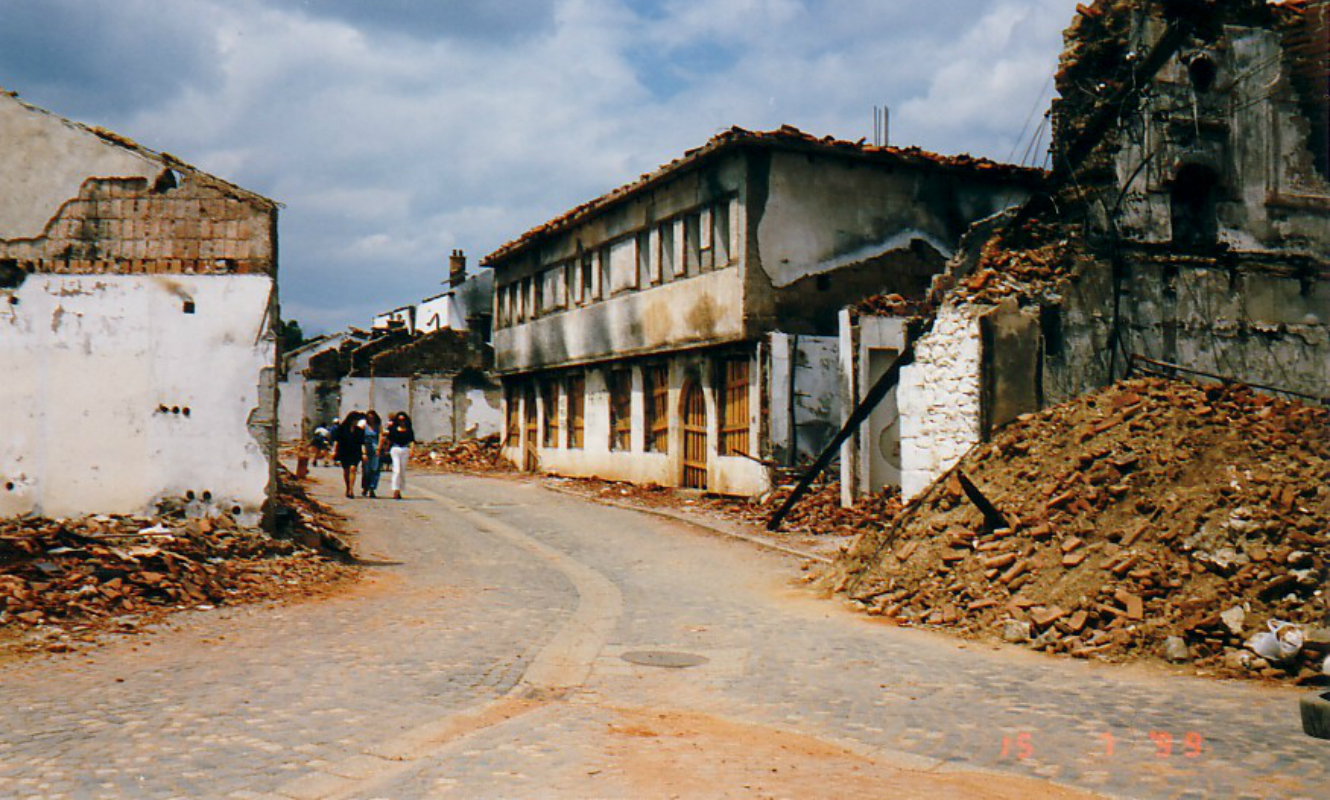
These gestures herald what many in NATO see as an ominous new turn in Russia's behaviour. This sea change in NATO-Russia relations has its roots way back in the Kosovo conflict, but finally seems to be coming full circle - first in Ukraine and now in Syria.
Deteriorating relations
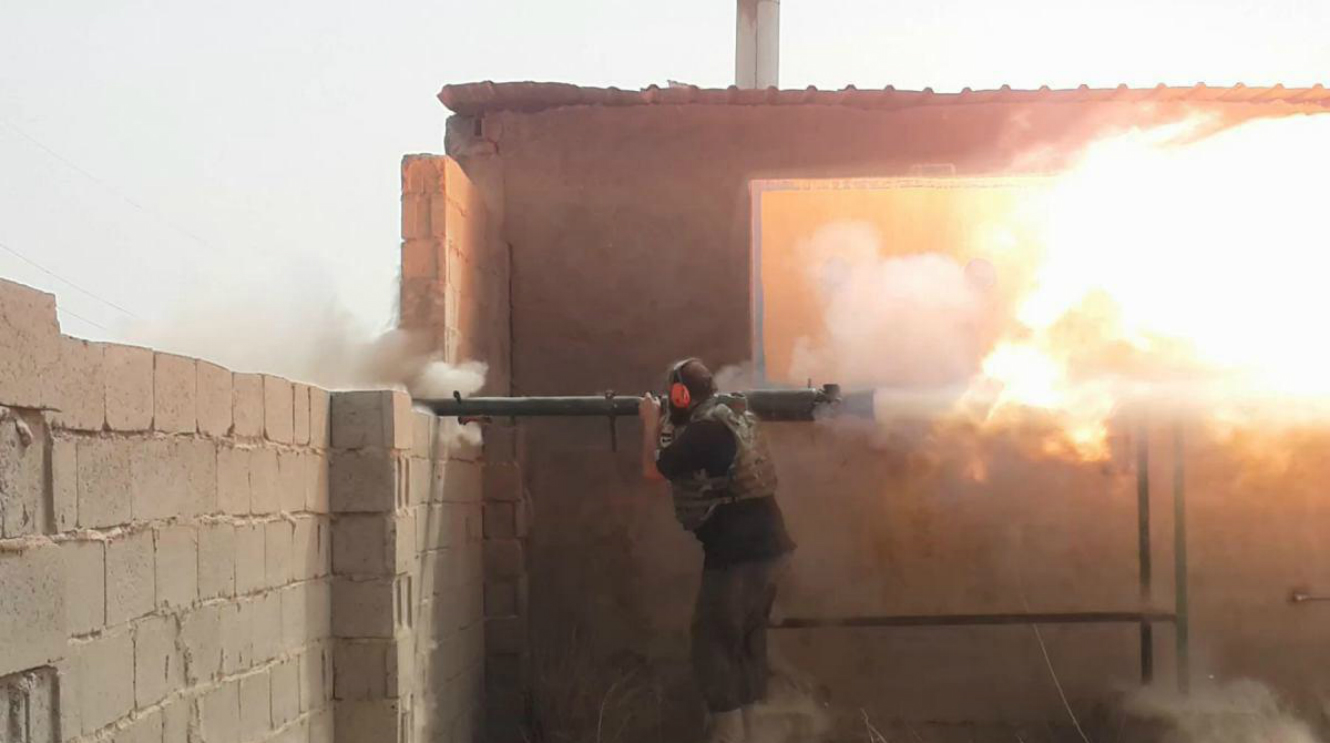
Russia has reportedly had both regular and irregular troops operating in eastern Ukraine, not to mention Crimea, and has now entered into the civil war in the air over Syria to help prop up the regime of Bashar al-Assad, along with the Iranians and Lebanon's Hezbollah. Now both Ukraine and Syria are being used to illustrate how Russia is a growing threat to European security. NATO's role is to give reassurance to not only the Baltic States and Poland but also now to Turkey.





 Tom Vanden Brook