Dave Majumdar
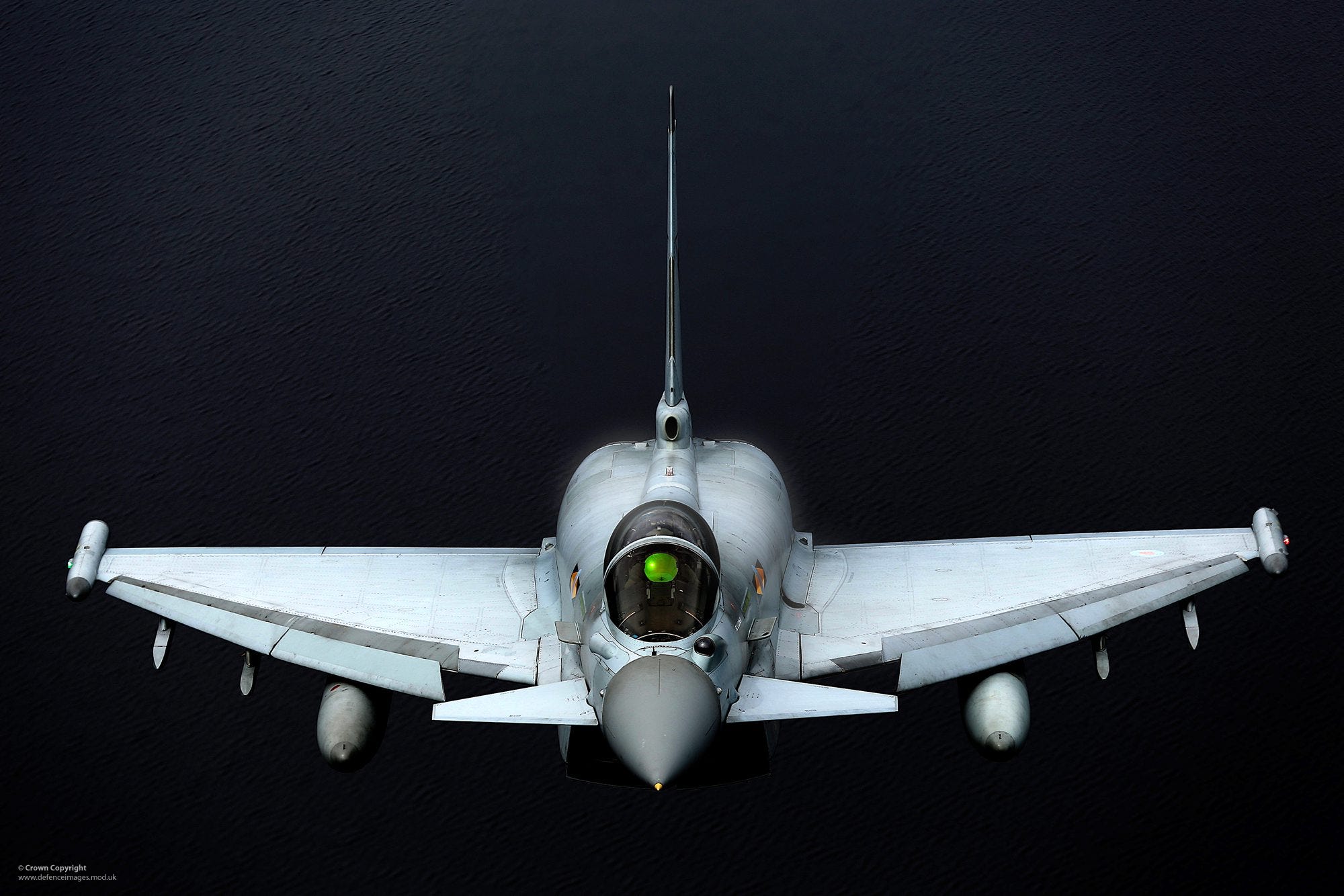
 The photo above—taken on December 15—is emblematic of the problems the Russian Air Force faces as it continues to rebuild its strength twenty-five years after the fall of the Soviet Union. While the Russian Air Force has received a lot of much-needed new equipment, such as the Sukhoi Su-30SM Flanker-H, the Su-34 Fullback and the Su-35S Flanker-E, the service is still challenged by a lack of trained personnel. Particularly, experienced pilots are in short supply.
“We have a serious problem with experienced pilots,” a Russian source told me.
While in recent years the Pentagon has faced training challenges as a result of budgetary turbulence—the U.S. Air Force, Navy and Marine Corps aviators are simply not receiving the number of flying hours they once used to—Russia’s problems are far greater. In the aftermath of the collapse of the Soviet Union, funding for the once mighty Soviet military machine collapsed during the 1990s. Post-Soviet Russia, suffering from an economic and social meltdown, essentially ceased modernizing its forces or training its troops during those troubled times.