By N. C. Bipindra
 Prime Minister Narendra Modi’s ambitious $250 billion plan to modernize India’s military is being tripped up by the country’s own best practices.
Rigid rules that forbid single bidders, cap prices and blacklist companies accused of graft -- together with a lengthy trials process and insistence on local manufacturing -- have pushed Modi’s administration to cancel at least $25 billion worth of tenders over the past three years. These include last month’s decision to withdraw an order to buy 44,000 light machine guns despite warnings of a serious shortage of weapons amid a tense eyeball-to-eyeball standoff with Chinese troops.
While the border dispute has since eased, Modi’s army chief warned that such encounters will only increase in the future. A report from India’s expenditure watchdog in July showed that the military lacks enough ammunition to fight an intense war and blamed "tardy progress in procurement."
"The idea of the defense procurement procedures is to ensure that the armed forces are equipped with the best the country can afford. It was never the intention to prevent procurements," said K.V. Kuber, a New Delhi-based independent defense analyst who has served on government panels shaping procurement policies. "By canceling imminent contracts, besides depriving the forces of the military platforms they need, it causes avoidable trust deficit in the industry, both domestic and foreign."
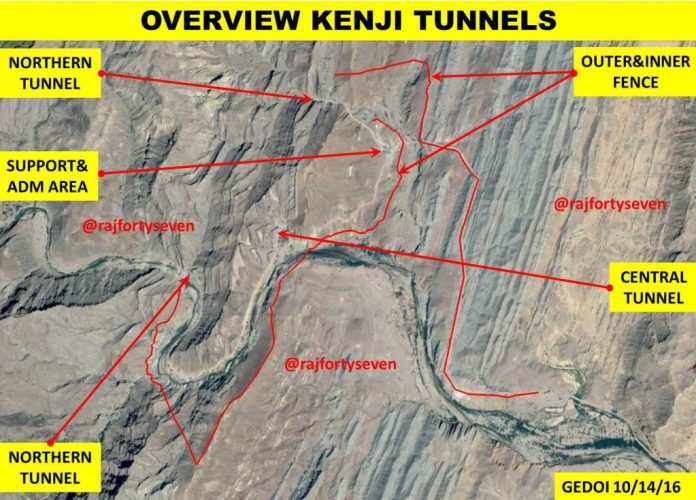 An overview of the new nuclear facility | Source: @rajfortyseven