By SYDNEY J. FREEDBERG JR.
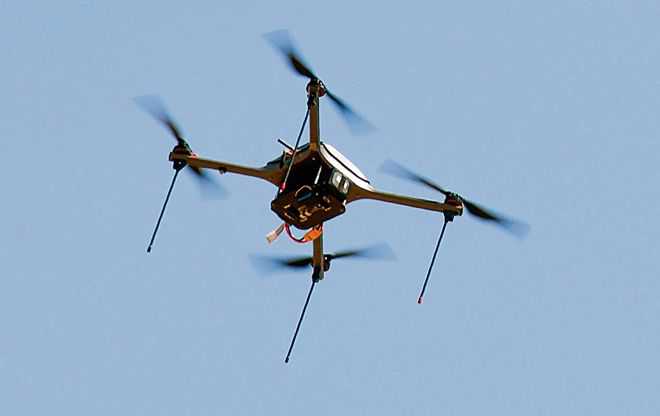
 WASHINGTON: From fake-news trolls subverting US elections to deniable drones blowing up Saudi oil facilities, America’s adversaries have found new ways to strike without giving the Pentagon a clear target to strike back at. That’s why the increasingly anxious armed forces are wrestling with so-called grey zone operations and information warfare. But a successful response requires far more than the military, the Army’s three-star senior futurist says. It will take a unified effort with civilian agencies and foreign allies.
US law and culture make that extremely difficult to do, Lt. Gen. Eric Wesley acknowledged. But it’s a challenge the Army can’t simply set aside, he said. Letting adversaries muddy the debate can dramatically affect whether and how the military will be employed.
After drones and missiles temporarily slashed Saudi oil production in half, which Secretary of State Pompeo immediately blamed on Iran, it took President Trump three days to publicly state “it’s looking that way” but the evidence was still “being checked.” It took nine days for Britain, France, and Germany, all vital US allies, to officially and publicly blame Tehran.








/arc-anglerfish-arc2-prod-mco.s3.amazonaws.com/public/VPE4G74LFNHWBIW2EW2VAF3FCI.jpg)