by Christian Whiton
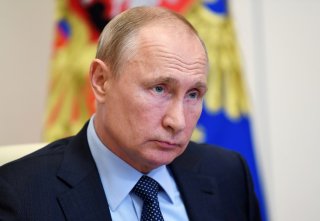
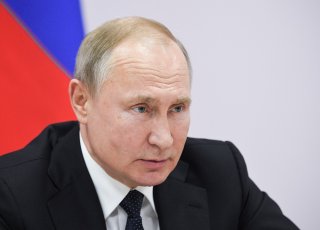 Russian President Vladimir Putin is thinking about his country’s place in the world. We in America should be thinking about that too, especially as the long-term conflict with China intensifies. This is a chance to focus more on what we might have in common.
Putin published a remarkable 9,000-word article in the National Interest ahead of this week’s delayed celebration in Moscow of the 75th anniversary of the defeat of Nazi Germany. He recounted the immense cost to the Soviet Union of that war, including the deaths of 27 million of its citizens, and defended Soviet leaders for cutting deals with Hitler to buy time to build defenses.
The foreign policy elite in Europe and the United States will be angered by Putin’s defense, including his observation that Britain and other European governments also cut deals with the Nazis. His mischaracterization of the absorption of the Baltic states by the Soviet Union detracts from his other revisionist arguments, which should interest historians and World War II buffs.
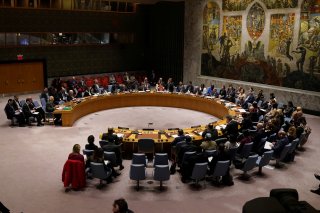
But whatever one thinks of Putin’s view of history, his intent is clear: to press for dialogue among the world’s great powers as a way to manage disagreements and limit conflict. The fact that he wrote such a long piece, walking readers through his thinking about the emergence of the modern world and his view of Russia’s place in that world, is helpful. The dialogue that Putin proposes suggests limited rather than expansive foreign policy objectives.