By Thomas Hundertmark, Kun Lueck, and Brent Packer
Source Link
Water is the lifeblood of humanity. With it, communities thrive. But, when the supply and demand of fresh water are misaligned, the delicate environmental, social, and financial ecosystems on which we all rely are at risk. Climate change, demographic shifts, and explosive economic growth all exacerbate existing water issues.
However, hope is not lost. Businesses can play a leading role in mitigating the water issue to limit not just their own risk but also the risk of all stakeholders relying on these systems. This can be accomplished by directing action through three spheres of influence: direct operations, supply chain, and wider basin health.
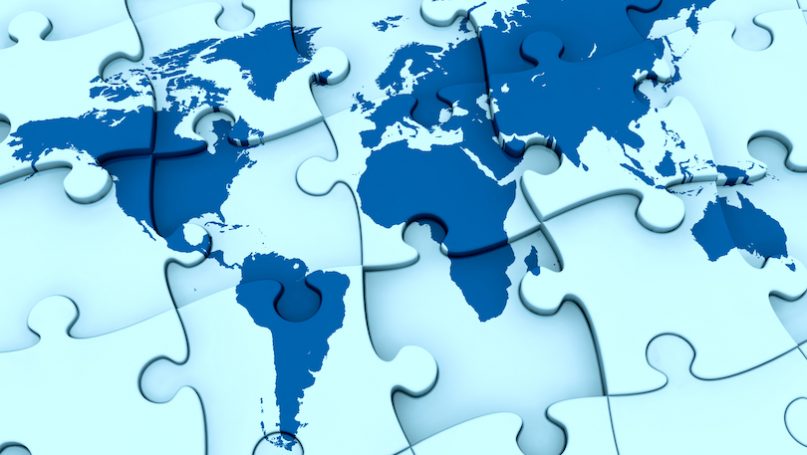
Water is as important to the world’s economy as oil or data. Though most of the planet is covered in water, more than 97 percent of it is salt water. Fresh water accounts for the rest, although most of it is frozen in glaciers, leaving less than 1 percent of the world’s water available to support human and ecological processes. Every year, we withdraw 4.3 trillion cubic meters of fresh water from the planet’s water basins. We use it in agriculture (which accounts for 70 percent of the withdrawals), industry (19 percent), and households (11 percent).