KENNETH ROGOFF
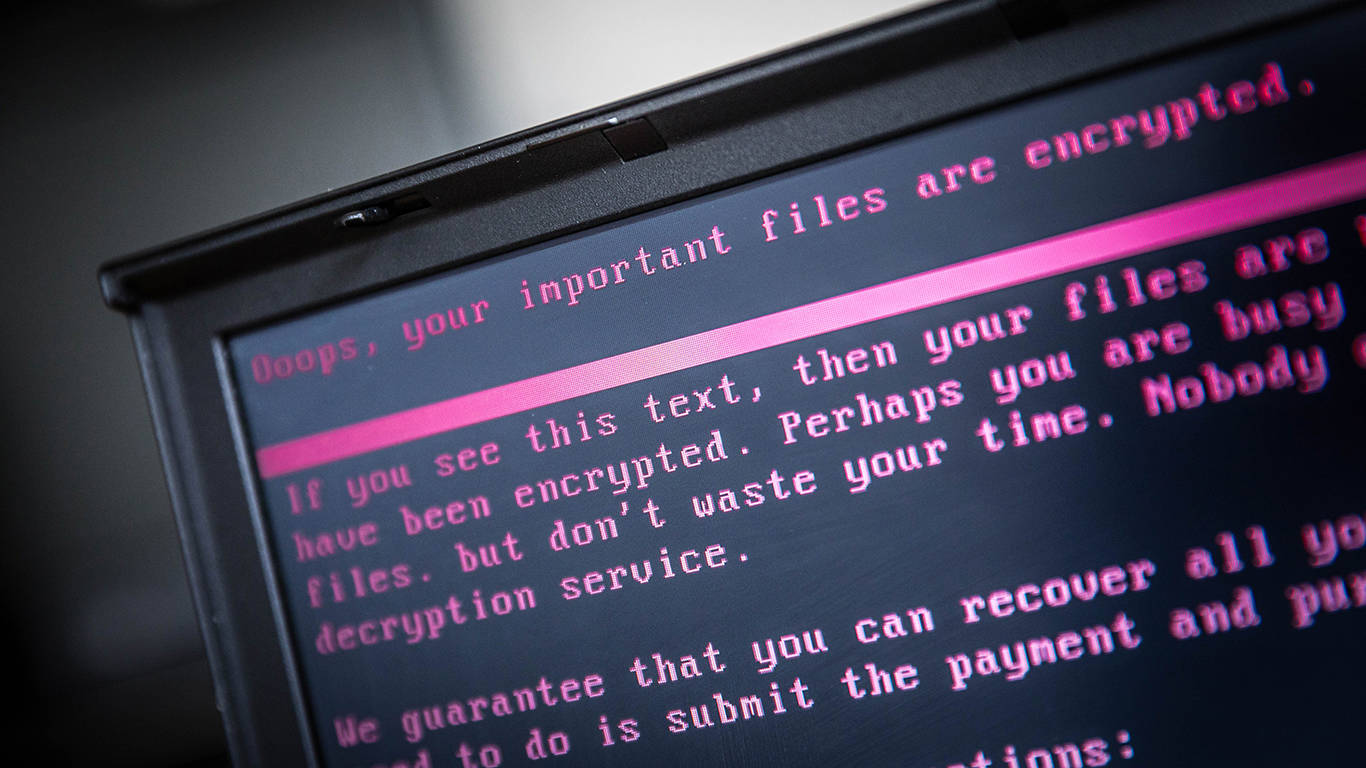
CAMBRIDGE – Ransomware – a type of malicious software that restricts access to a computer system until a ransom is paid – is not a good look for cryptocurrencies. Proponents of these digital coins would rather point to celebrity investors such as Tesla founder Elon Musk, Dallas Mavericks owner Mark Cuban, star football quarterback Tom Brady, or actress Maisie Williams (Arya in Game of Thrones). But recent ransomware attacks, and cryptocurrencies’ central role in enabling them, are a public relations disaster.
The attacks include last month’s shutdown of the Colonial Pipeline, which drove up gasoline prices on the US East Coast until the company paid the hackers $5 million in Bitcoin, and, even more recently, an attack on JBS, the world’s largest meat producer. Such episodes highlight what for some of us has been a longstanding concern: difficult-to-trace anonymous cryptocurrencies offer possibilities for tax evasion, crime, and terrorism that make large-denomination bank notes seem innocuous by comparison. Although prominent cryptocurrency advocates are politically connected and have democratized their base, regulators cannot sit on their hands forever.