Obaid Ali
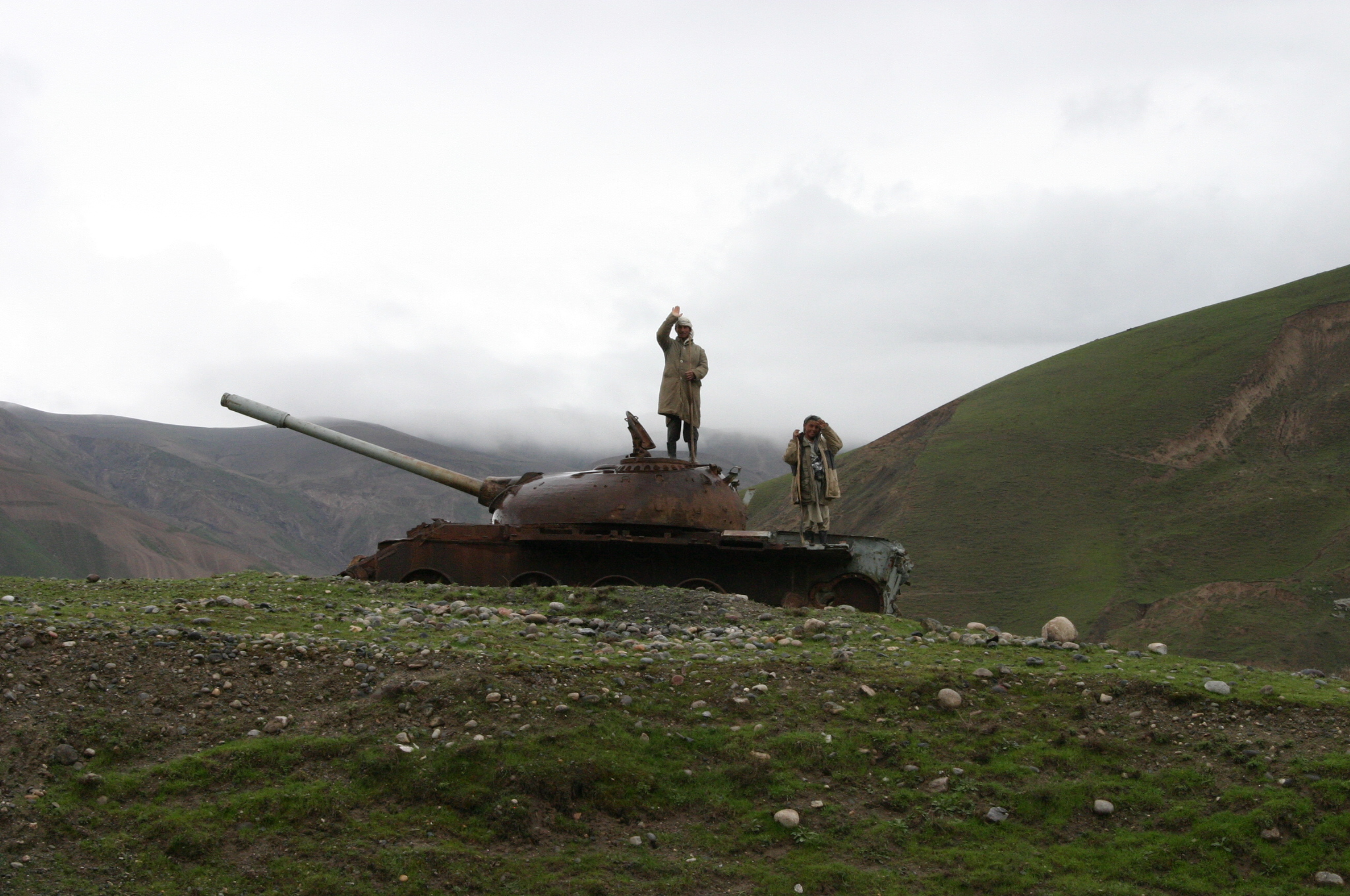 In 2004, as the insurgency began to gather pace, setting up a shadow administration was one of the Taleban’s major political strategies for controlling both territory and population. Over the years, in the Tajik and Uzbek-dominated provinces in the north, the movement increasingly appointed local non-Pashtuns, from shadow governors – both at the provincial and district level – to judges and heads of provincial committees. In Badakhshan, a Tajik-dominated province, most Taleban posts are now occupied by Tajiks.
The shift in the movement’s recruitment strategy seems to have had a visible impact on its battlefield gains in Badakhshan. To put this into historical perspective, a comparison of the Taleban’s recruitment in Badakhshan during the current insurgency period and the movement’s years of rule, is useful.
Badakhshan’s contribution to the Taleban regime during the 1990s










 ‘
‘
:quality(70)/cloudfront-us-east-1.images.arcpublishing.com/mco/U5HF5W64DVHANMW2QRRHMCWVSA.jpg)