Dan Sabbagh
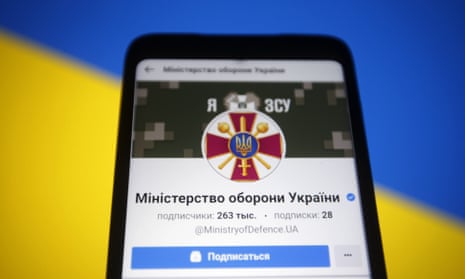
The attacks from Russia have often taken the form of destructive, disk-erasing wiper malware, said Viktor Zhora, a leading figure in the country’s SSSCIP agency, with “in some cases, cyber-attacks supportive to kinetic effects”.
Zhora’s comments came as he visited London’s National Cyber Security Centre (NCSC), a part of GCHQ, where he and Ukrainian colleagues were due to discuss how to work together to tackle the Russian threat.
Welcoming them, Tom Tugendhat, the UK security minister, said the fight “against Russian barbarism goes beyond the battlefield” and terror inflicted on civilians. “There is the real and persistent threat of a Russian cyber-attack on Ukraine’s critical infrastructure,” he added.
A day earlier, SSSCIP released an analysis of Russia’s cyberstrategy during the war so far, which concluded that cyber-attacks on Ukraine’s energy infrastructure last autumn were linked to its sustained bombing campaign.
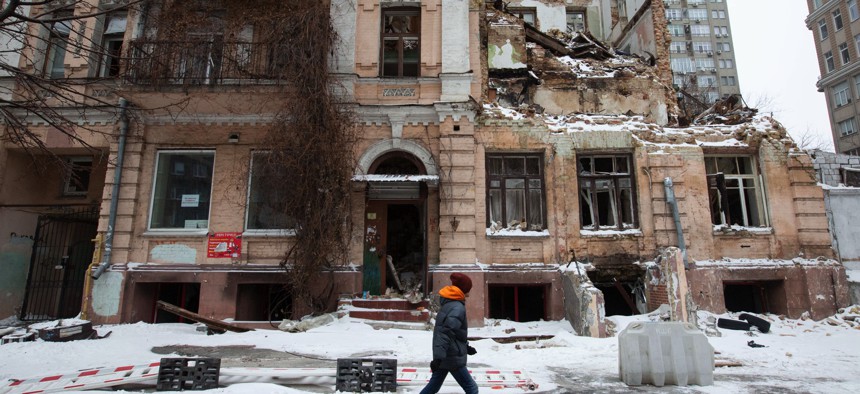
Russia launched “powerful cyber-attacks to cause a maximum blackout” on 24 November, the report said, in tandem with waves of missile strikes on Ukraine’s energy facilities that at the time had forced all the country’s nuclear plants offline.

















:quality(70)/cloudfront-us-east-1.images.arcpublishing.com/archetype/XOQPSUKAPFD2JDGPI4UON5O2AI.jpg)