Gregory C. Allen and Emily Benson

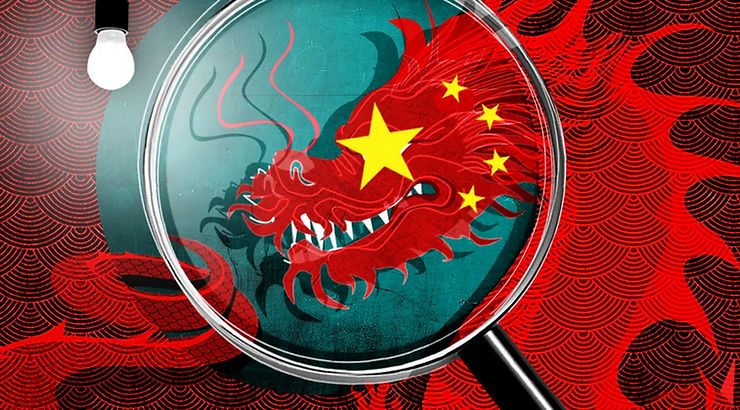
On October 7, 2022, the Biden administration upended more than two decades of U.S. trade policy toward China when it issued sweeping new regulations on U.S. exports to China of advanced artificial intelligence (AI) and semiconductor technology. These export controls were designed after consultation with key U.S. allies, but the United States originally implemented them unilaterally.
This was a major diplomatic gamble.
In the face of rapidly advancing Chinese AI and semiconductor capabilities, the United States wanted to move fast, so it was willing to take the risk of moving first alone. The United States has the strongest overall position in the global semiconductor industry, and it was by itself strong enough to reshape the Chinese semiconductor industry in the short term. Over the medium to long term, however, this move could have backfired disastrously if other countries, particularly Japan and the Netherlands, moved to fill the gaps in the Chinese market that the partial U.S. exit left.
But that is not going to happen. In late January 2023, the Biden administration’s gamble paid off when the United States secured a deal with both the Netherlands and Japan to join in the new semiconductor export controls. Some officials suggested to the Center for Strategic and International Studies (CSIS) that the result of the dialogues is better characterized as an “understanding” rather than a formal deal, as some details have yet to be worked out. Regardless, the United States has secured the top three international partners needed to ensure the policy’s success. Taiwan had already made a public announcement that it would support enforcement of the October 7 regulation’s application of the U.S. Foreign Direct Product (FDP) rule.








:quality(100)/cloudfront-us-east-1.images.arcpublishing.com/thesummit/NCTKAJKBV5DCBODNHAP23OD7TQ.jpg)