John Spencer and Liam Collins
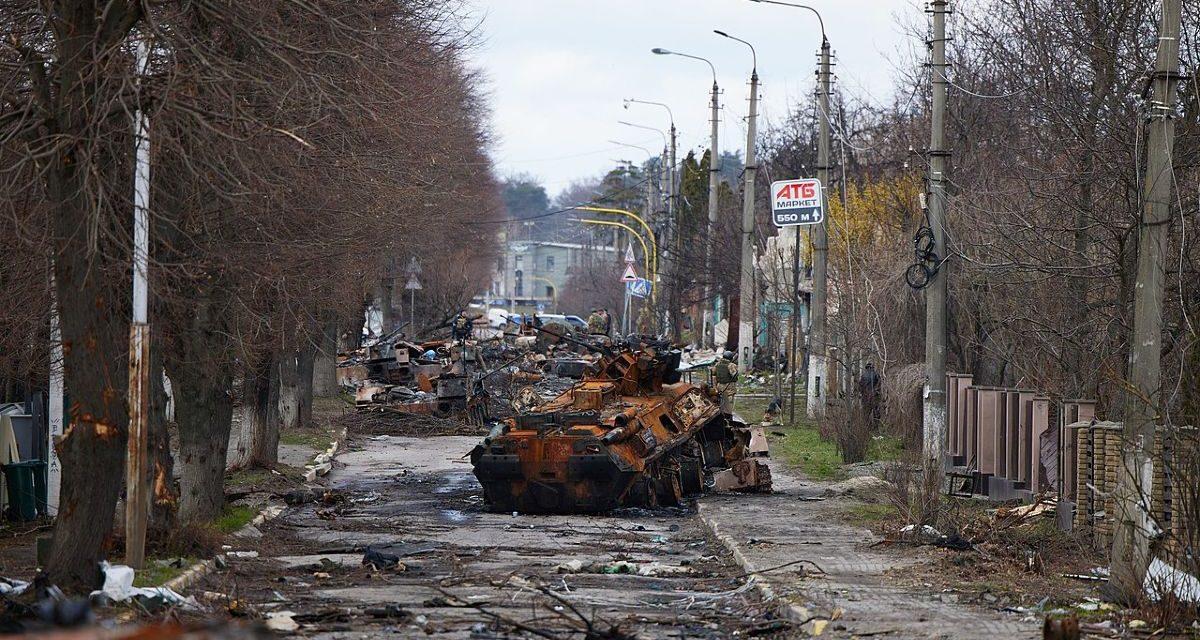
This week marks one year since Russia’s invasion of Ukraine kicked off a war that has offered up a wide range of lessons on the conduct of large-scale combat operations in the twenty-first century. In those twelve months, the war has touched all corners of Ukraine and yet its most defining features have been fights for control of cities. But while urban areas may be the war’s most important environment, at least to this point, no two urban battles have been the same. The battles in Kyiv, Mariupol, and Kherson, and the ongoing battle in Bakhmut have taken very different forms. This fact offers a valuable opportunity: by searching for elements common to each of these battles, despite the different contexts in which they occurred, we can illuminate fundamental lessons on urban warfare.
Four particular lessons stand out. Most of them are not new. Rather, they have been on display in previous wars, but too often ignored or forgotten. This is a mistake we should not make again. The US military must learn from the current war in Ukraine to avoid paying the penalty, in blood and treasure, when it finds itself in its own urban battles in the future.
1. In war, cities are important—even the ones with no military value.
Russia’s war in Ukraine demonstrates that cities often present strategic, operational, and tactical objectives in major land wars. Since the start of this war, urban areas have been the focal points—the places where much of the most intense fighting has occurred. When asked to identify one of the war’s major battles, most observers are likely to name one of the urban fights listed above—Kyiv, Mariupol, or Kherson. Others who have watched the conflict especially closely may even name Severodonetsk or Lysychansk, which Russia seized earlier in the war. In fact, most would be hard-pressed to name a major battle that did not occur in, or for, a city. Neither side has been able to avoid or bypass urban areas because they are tactically, operationally, and sometimes strategically important.