AHMAD MANSOOR RAMIZY
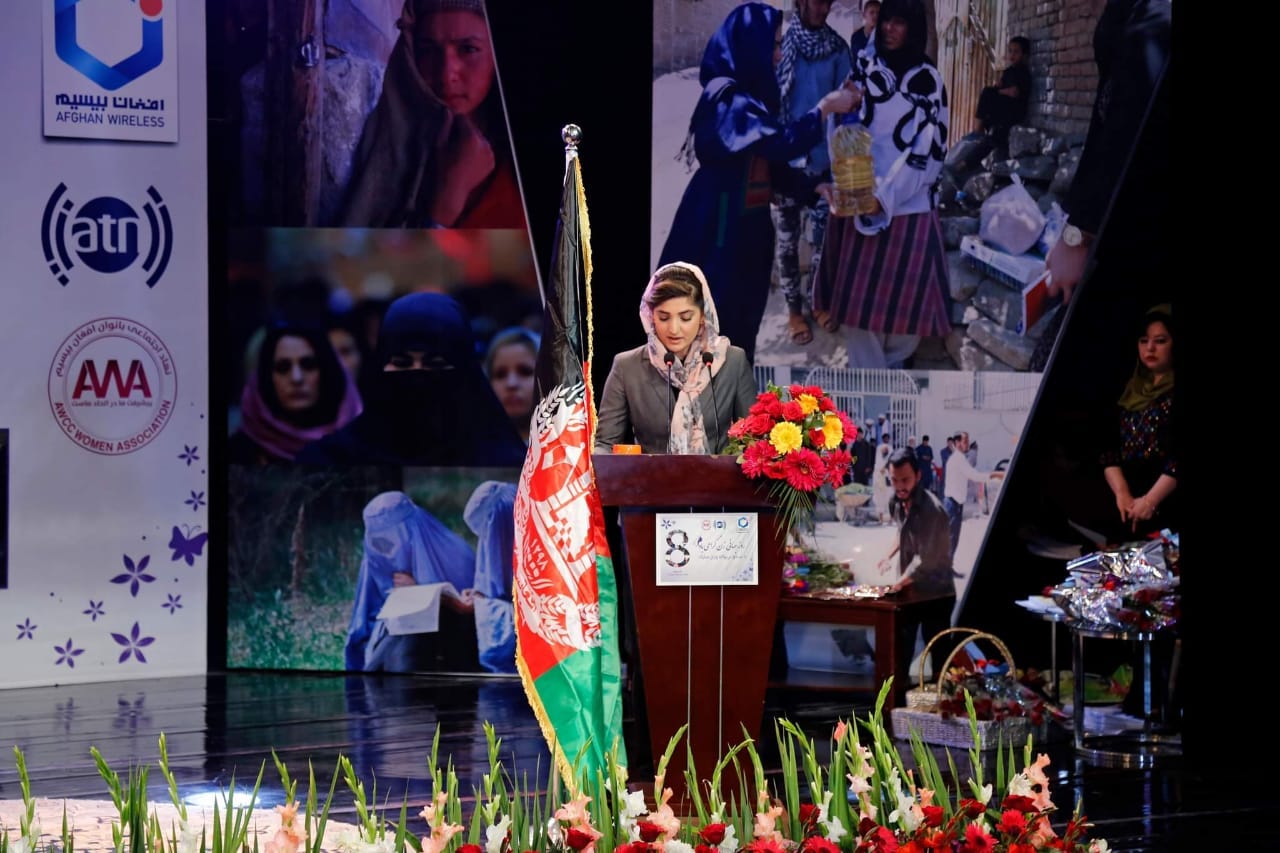
On August 15, 2021, Sonita Soroush, a proclaimed journalist, producer, manager, and reporter for Ariana News, found herself in the midst of a crowd of her colleagues and coworkers in front of the Ariana TV station discussing the following day’s schedule and program. Little did she know what was about to happen in the next few minutes and the following weeks. As they were chatting about what to put in front of their millions of viewers the next morning on Sob-e-Zindagi (the morning show), the show she was responsible for, one of their admin managers showed up and asked why they were still standing in front of the office. Shockingly, Sonita recalls, “Our manager told us that the Taliban might enter Kabul anytime now, and to go home, pack your bags, get your passport, and we will evacuate you all to safety.” She further said, “Shockingly, I stepped outside and noticed there was heavy traffic. I was halfway to getting to my home when I got another call from the News Department Manager asking me where I was.” Sonita told her manager that she was on her way to her house to get her passport and bags as per the office’s recommendation. “He abruptly told me, don’t come back, go and hide; the Taliban have entered the city gates.”
She recalls this moment in dismay and discomfort. Remembering the days when Afghanistan had one of the most open and free media outlets and agencies providing facts and stories to millions of people reignites her feelings of grief at what the country has lost since then. “Suddenly, everything seemed dark. Even with that image carved in my mind, I still thought maybe this would not be like the last time the Taliban were here,” she said. She would later understand that she could not have been more wrong. The Taliban are the same as they always have been, and even worse in many aspects.
Media and journalism have historically been vital yet underdeveloped aspects of Afghan society. The first official newspaper in Afghanistan, known as Shams -ul- Nahar or the Morning Sun, was established in 1873 during the reign of King Sher Ali Khan. On January 11, 1906, the second official newspaper, Siraj-ul-Akhbar, or Lamp of the News, was formed. However, due to widespread illiteracy in the country, the majority of Afghans relied on oral communications to receive news and information. Newspapers primarily catered to the educated elite, both men and women, who were literate. Research indicates that even during the early 20th century and the late 19th century, when newspapers existed, the monarchy, particularly the royal families, exercised control over the content intended for public consumption. Illiteracy empowers government officials and strips the citizenry of their agency to digest and interpret information for themselves.