JULY 20, 2014

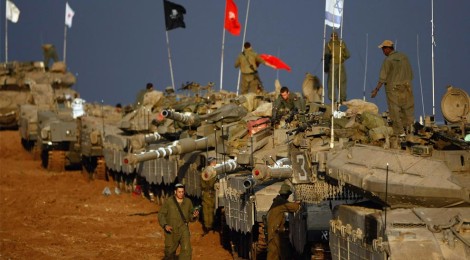
GAZA CITY — The mayhem began in the early hours of Sunday morning in Shejaiya, an eastern neighborhood of Gaza City, where Israeli forces battled with Hamas militants. Terrified civilians fled, sometimes past the bodies of those struck down in earlier artillery barrages. By dusk it was clear that Sunday was the deadliest single day for the Palestinians in the latest conflict and the deadliest for the Israeli military in years.
At least 60 Palestinians and 13 Israeli soldiers and officers were killed in Shejaiya alone, and the shattered neighborhood was quickly becoming a new symbol of the long-running Israeli-Palestinian conflict, underlining the rising cost of this newest Gaza war.
The death tolls and the withering assault on Shejaiya appeared to shake the international community, with world leaders continuing to carefully call for both sides to step back but with criticism of Israel rising. Within hours, President Obama had called the Israeli prime minister for the second time in three days, the United Nations Security Council had called an emergency session at the urging of the Palestinians, and Secretary General Ban Ki-moon had issued a statement calling the attack on Shejaiya “an atrocious action.

By early evening, the Obama administration announced that Secretary of State John Kerry would head to Cairo to meet with Egyptian officials in an attempt to negotiate a cease-fire to end the bloodshed.
Throughout Gaza, at least 87 Palestinians were killed by Israeli fire on Sunday, according to the Palestinian Health Ministry, bringing the death toll there since the Israeli air offensive began on July 8 to at least 425, with more than 3,000 injured. The toll includes more than 100 children.
Israel has lost 18 soldiers so far, as well as two citizens killed by rocket and mortar fire. Two Americans were among the soldiers killed in Gaza; Jen Psaki, the State Department spokeswoman, identified them as Max Steinberg and Sean Carmeli. Mr. Steinberg’s family lives in California, and Mr. Carmeli was from Texas, The Associated Press reported.
In Shejaiya, the panic Sunday was palpable. Some of the men, women and children who streamed out of the area were barefoot. Israeli shells crashed all around, rockets fired by Palestinian militants soared overhead in the direction of Israel and small-arms fire whizzed past. Asked where they were going, one woman said, “God knows.”
The casualties quickly overwhelmed local hospitals. Doctors treated some victims on the floor.
As the day wore on and the casualties mounted, it became apparent that what had begun on Thursday night as a limited ground invasion to follow 10 days of intense airstrikes had developed into a more extensive and dangerous phase for both sides.