James S. Robbins
February 12, 2015
 Denying Iran nuclear-weapons capability is not only a means of limiting the proliferation of weapons of mass destruction. It is also part of a broader ideological struggle that Tehran is taking much more seriously than is the United States.
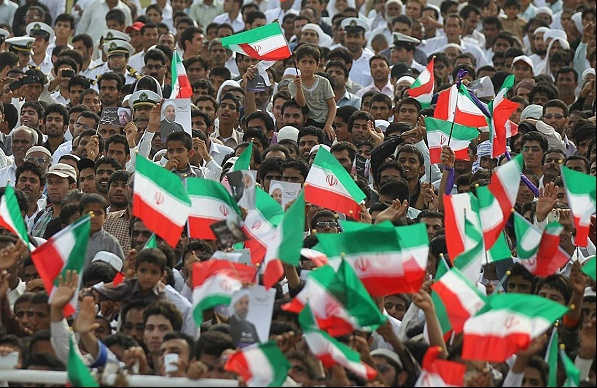
This month, Iran celebrates the 36th anniversary of the return of the Ayatollah Ruhollah Khomeini from exile in 1979 and the advent of the Islamic Revolution. In speeches, rallies and state-sponsored television shows, Tehran is reaffirming the messages of the heady days of the downfall of the Shah, the supremacy of Shi’a Islam and the destruction of Iran’s enemies, particularly Israel and the United States. The celebration reminds us that Iran is not just a Middle Eastern adversary state with dreams of regional hegemony. It is a revolutionary regime seeking to reshape the map of the region, and the belief system of the world.
Tehran remains committed to its revolutionary agenda. Today, Iran is active in promoting its ideology in Iraq and Afghanistan. Iran supports the largest international terrorist network in the world, including backing Hezbollah and Hamas. Iranian-backed Houthi rebels in Yemen have captured vast swathes of territory and disrupted the established government. This is a revolution in action, and it illustrates that Tehran is not simply seeking to extend its influence in the region. Rather, it is working to impose Khomeini’s Shi’ite Islamist agenda beyond its borders.
Yet the White House is loathe to wage a war of ideas with Iran. Given President Obama’s well-documented sensitivities regarding Islam, his administration prefers to focus on other aspects of the effort to achieve global stability. Jihadist terror groups such as the Sunni-aligned ISIS or pro-Tehran Houthis are termed “violent extremists.” The Western rivalry with Iran is reduced to the language of power politics, ignoring the ideological dimension.