ANDREW SHENG and XIAO GENG

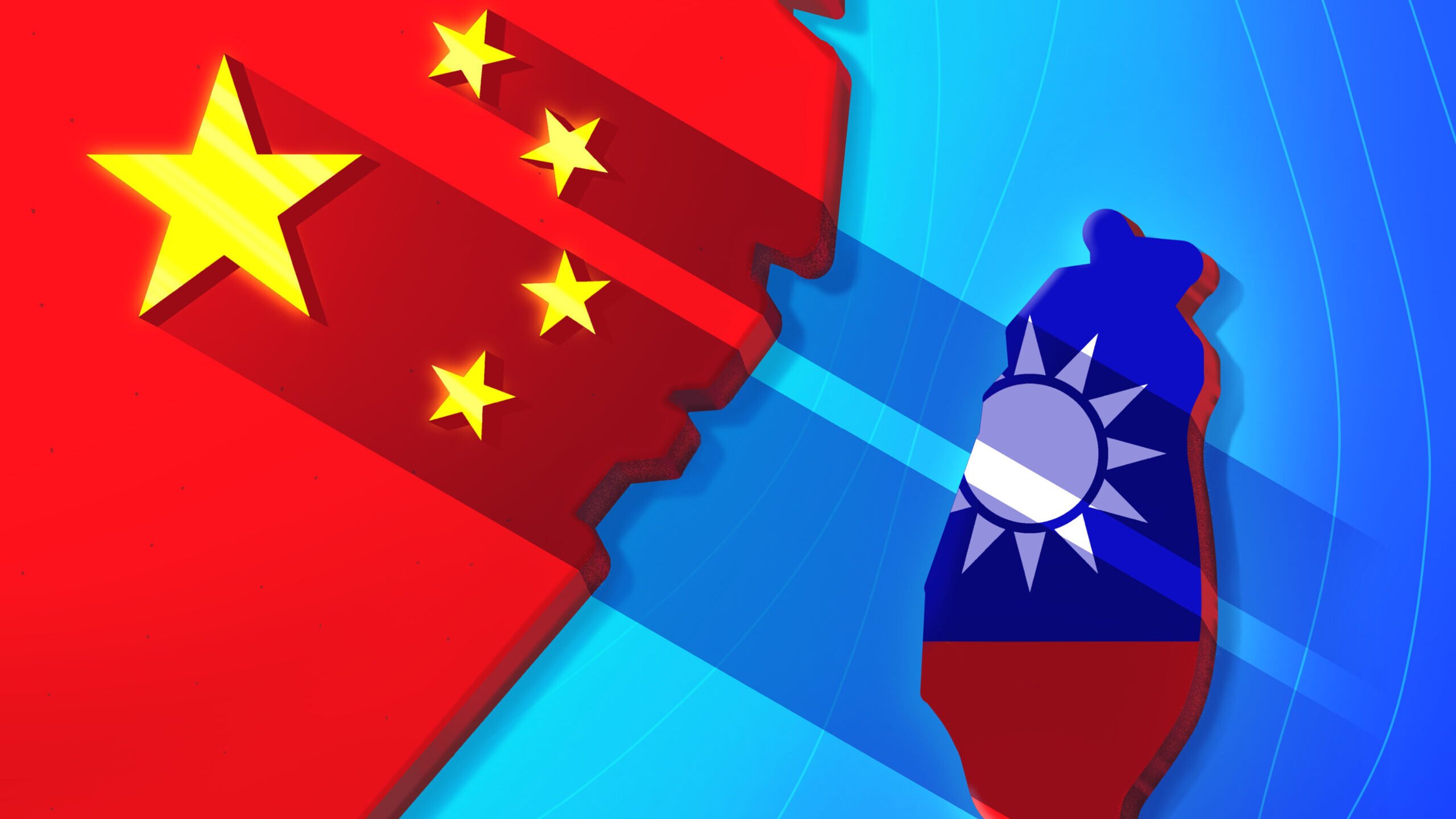
HONG KONG – US President Joe Biden’s recent executive order restricting American investments in Chinese semiconductors, microelectronics, quantum information technology, and artificial intelligence marks another escalation in the Sino-American tech war. In the context of the two superpowers’ intensifying geopolitical rivalry, the chances that this conflict will be resolved anytime soon are virtually zero, to the detriment of the global economy.
In his 2018 book Doing Capitalism in the Innovation Economy, venture investor William H. Janeway highlights the US government’s pivotal role in spurring innovation by funding research and development in critical defense technologies. Despite the significant expenditure associated with these technological advances, the scale of America’s economic reach effectively drove down the costs of cutting-edge tech products and services. These innovations were subsequently commercialized through private entrepreneurship, making them easily accessible to consumers. Simply put, the US innovation economy ushered in an era of rapid growth and prosperity by harnessing economies of scale and specialisation.
As China integrated into the global economy, it adopted a similar model, enabling Chinese companies to reduce the costs of new technologies such as solar panels, 5G infrastructure, and electric vehicles while building the country’s industrial and military capabilities. At the same time, China’s increasingly assertive foreign policy raised concerns among Democrats and Republicans in the United States.