3 December 2023

Truce ends, Israel's assault resumes on Gaza

PAUL R. PILLAR

The twice-extended “humanitarian pause” in the Gaza Strip has ended, and the bombs are dropping again.

The Israeli assault on the territory has been a tragedy on multiple grounds, with the tragedy only likely to deepen as the attack resumes.

The most obvious tragedy is the extreme suffering of the people who live in the Strip, with resumption of the assault adding to a death toll that the destruction itself makes hard to estimate but already is well into five figures. Additional suffering includes many maimed or injured persons, deprivation of food, water, and fuel, the displacement of well over a million residents from the northern part of the Strip, and little left for the displaced persons ever to return to other than rubble. Even for anyone who cares only about the lives and welfare of Israelis and cares nothing about Palestinians, implications of a continued war in Gaza are bad. The violent operation is the latest lethal chapter of an Israeli policy — of clinging to land captured in a previous war and never resolving Israel’s conflict with the Palestinians — which, as long as that policy continues, means that Israelis will always live by the sword and will never know true peace.

The myth underlying the declared Israeli objective of “destroying Hamas” is that there is some clearly delineated hostile capability that can be destroyed and elimination of which will end violence emanating from Gaza. The myth disregards how even if whatever capability in Gaza Hamas used in its attack on October 7 were to disappear, Hamas has long used other lethal capabilities, such as individual suicide bombers, to strike Israel. It disregards how the added suffering that Israel has been inflicting on Gaza increases the pool of recruits who are enraged at Israel and willing to replace whatever capability the Israeli Defense Forces manage to destroy.


Lessons the US Marine Corps Should Learn From Gaza and Ukraine

GARY ANDERSON

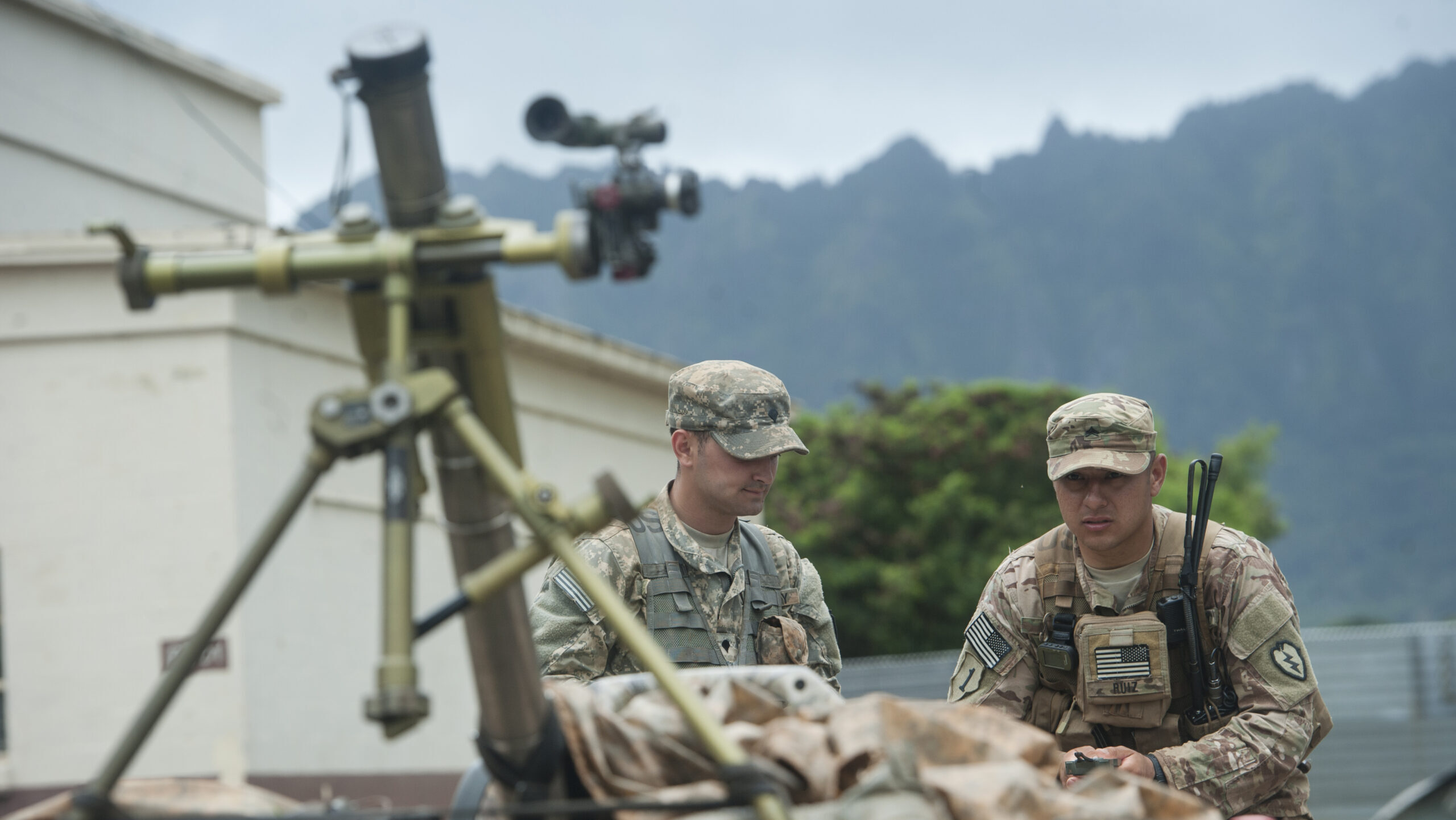
US Marines practice entering buildings during a military operations on urban terrain exercise at Marine Corps Base Camp Lejeune, 2015. Photo: Lance Cpl. Aaron Fiala/US Marine Corps

At the beginning of the Ukraine war, Marine Corps Commandant General David Berger confidently predicted the disastrous rout of Russian armored columns and Ukraine’s successful use of Hellfire missiles, justifying his having done away with the Marine Corps tank force.

The Ukrainians would disagree.

Tanks are the number one item on the Ukrainian military aid wish list. Not much further down is heavy engineer assault breaching capabilities against Russian fortifications — another aspect General Berger eliminated.

The Ukrainians also make skilled use of medium-range general artillery to enable ground maneuver. The only thing the Ukrainians don’t like about artillery is that they don’t have enough ammo at any given time. Again, although not eliminating conventional artillery, Berger drastically reduced the Corps’ inventory.
Tanks and Urban Warfare

As the Israeli ground incursion into Gaza generates analysis, the Marines might relearn some lessons from their 1990s urban warfare experiments in cities such as Fallujah and Ramadi in Iraq.

Inside India’s Gargantuan Mission to Clean the Ganges River


IN THE MORNINGS in Varanasi, the air on the banks of the Ganges fills with the scent of burning bodies. On the steps of the Manikarnika ghat—the holiest of the city’s stepped riverbanks, upon which Hindu dead are cremated—the fires are already lit, and mourners assemble by the hundred to accompany their loved ones at the end. Pyres of sandalwood (for the rich) and mango wood (for everyone else) are already burning; on one, a corpse wrapped in white is visible in the flames.

Down at the river, where I’m watching from a boat, some families are engaged in the ceremonial washing of their dead, the corpses shrouded in white linen and decorated with flowers. A few meters away, a man from another family (usually, the honor is bestowed on the eldest son) wades into the water, casting in the ashes of an already cremated relative so that the Ganges might carry their spirit onwards to the next life or even moksha, the end of the rebirth cycle, and transcendence.

The funeral ceremonies, held against the backdrop of the ancient city, are undeniably beautiful; but the same can’t be said of the river itself. The water’s surface is flaked with ashes; ceremonial flowers linger in the eddies. Just downstream, a couple of men are diving for discarded jewelry. Not 50 meters upstream, another group, having finished their rites, are bathing in the filthy water. An older man, clad in white, finishes his bathing with a traditional blessing: He cups the fetid Ganges water in one hand and takes a sip.

The Ganges is one of the most densely populated river basins in the world, providing water for an estimated 600 million people. But to Hindus, it is more than a waterway: It is Ma Ganga, the mother river, formed—according to the sacred text the Bhagavata Purana—when Lord Vishnu himself punctured a hole in the universe and divine water flooded into the world. Water from the Ganges is widely used in Hindu prayer and ceremony; you can buy plastic bottles of it from stalls all over the subcontinent—or order one on Amazon in the UK for as little as £3.

China’s Role in Pakistan’s Economic Crisis

Osama Ahmad, Aleena Gul

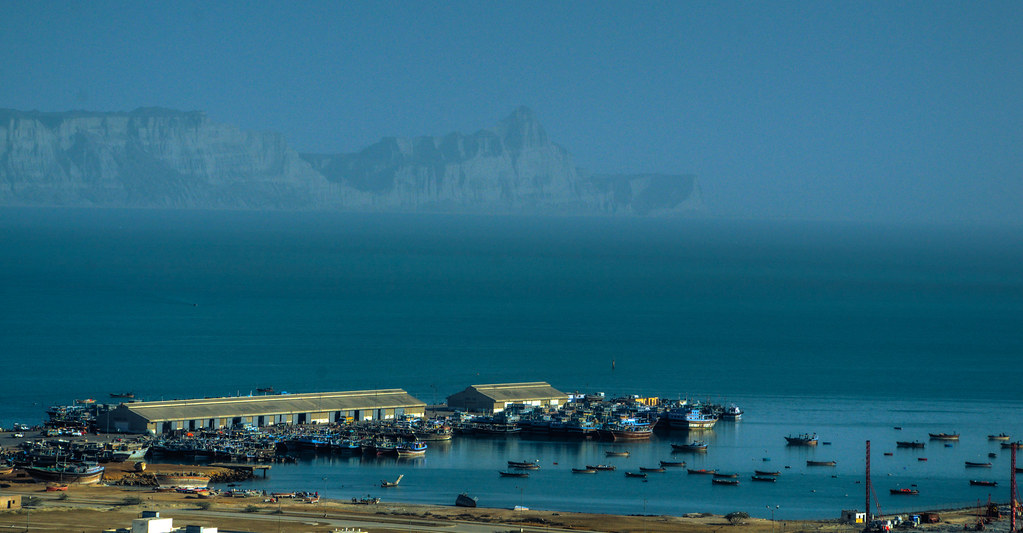
Pakistan has been experiencing one of the worst economic crises in its history. Although many factors have contributed to the country’s current economic predicament, China’s role has largely been ignored in domestic debates. Pakistan’s economic struggles have often been attributed to the International Monetary Fund (IMF), which is seen as the primary cause of the country’s financial woes. However, Pakistan’s economic crisis has also deepened because of China’s increasing involvement in its economy. Numerous Chinese loans and the China-Pakistan Economic Corridor (CPEC) contributed to Pakistan’s worsening economic crisis when the country was relieved at the eleventh hour by the IMF.

Pakistan’s Economic Crisis

As the economic situation of the country worsens, the World Bank has issued a statement warning that Pakistan’s economic stability is hanging by a thread and the economy needs immediate restructuring. Inflation has skyrocketed, with the prices of petroleum and diesel soaring, making these commodities too expensive for the common person. Electricity has also become very expensive, which has angered the citizenry. The World Bank Country Director for Pakistan, Najy Benhassine, said that Pakistan’s current economic model, which deprioritizes human development, cannot reduce poverty.

The IMF Bail-out Loans

Pakistan narrowly escaped default after soliciting a USD $3 billion stand-by arrangement with the IMF on June 29, 2023. This bailout package is just the most recent in a long history of IMF agreements that have brought Pakistan out of similar crises. The first standby arrangement between the IMF and Pakistan was in 1958. Since then, Pakistan has received 23 loan packages on various occasions totaling USD $7.4 billion.

The Taliban’s Plan To Rebuild And Legitimize Al-Qaeda – Analysis

Sajjan M. Gohel and Victoria Jones

In addition to plunging the Middle East back into turmoil, the Israel-Gaza crisis has resulted in entities around the world seeking to exploit the palpable tensions, and has even led some young Americans to re-evaluate al-Qaeda’s past comments on Palestine. At the same time, the global jihadist group itself is showing concerning signs of revival, having found refuge in Afghanistan under the Taliban.

The current Taliban regime has renewed its symbiotic relationship with the remnants of al-Qaeda. And though their global return may not be imminent, it must be remembered that the terrorist group is laying low by choice. Under this arrangement, al-Qaeda has agreed to stay under the radar, for now, in order to aid the Taliban’s international image of upholding their promise to prevent extremist organizations from using Afghanistan as a safe haven. Yet al-Qaeda views the Taliban-controlled country as precisely that—a base in which they can regrow and expand.

Those who lobby to recognize the Taliban make the case that they have changed and acknowledged their missteps. These individuals claim that security in Afghanistan has increased under the Taliban, seeming to forget or ignore the fact that the Taliban themselves were the biggest threat to civilian lives prior to seizing power. They argue the Taliban has stopped opium production, but appear oblivious to the fact that that’s due to the group’s diversification into methamphetamines. They insist that the Taliban is committed to rebuilding the nation and that engaging with the group will help to moderate them when it comes to issues like state-sanctioned misogyny and harboring terrorists. There is even a perception that al-Qaeda is unlikely to reconstitute in Afghanistan. But ground realities prove otherwise.

The Qosh Tepa Canal: A Source of Hope in Afghanistan

Freshta Jalalzai

In Afghanistan, a desolate landscape almost entirely secluded from the rest of the world and burdened by starvation and severe climate changes, my father finds comfort in embracing hope.

For my father, an Afghan educator in his 70s, who intermittently engages in bookkeeping and gardening, contingent upon his health, dreary post-retirement mornings commence with switching on the TV with purpose.

What is he watching with such ritual and devotion? The progress of the Qosh Tepa canal.

He began to closely follow its progress when the Taliban started construction of the canal in earnest earlier this year.

As a guardian to seven girls, he grapples with the Taliban’s persistent closure of schools for girls in Afghanistan and the exclusion of women from the workforce – causes he’s ardently championed throughout his life. But there are other pressing issues too: acute hunger that affects millions, disproportionately Afghan children and women, and soaring unemployment.

The Qosh Tepa canal’s potential sparks an otherwise elusive note of optimism.

When finished, the canal may potentially provide enough food for the entire country and create thousands of jobs. The pressing needs for food and employment in Afghanistan are deeply intertwined with the historical and nationalistic significance of the project for individuals like my father.

The U.S.-China Technology War and Taiwan’s Semiconductor Role in Geopolitics


In the dynamic landscape of global geopolitics, Taiwan has emerged as a pivotal player in the U.S.-China technology war, particularly in the realm of semiconductor production. With a remarkable contribution of over 60% of advanced chips, Taiwan has positioned itself as a critical hub for technologies driving artificial intelligence, 5G, and advanced military weaponry. This paper by Jiann-Chyuan Wang, delves into the intricate interplay between the U.S.-China trade and technology war, the Chips & Science Act, and Taiwan’s semiconductor industry.

The U.S.-China trade war, initiated in 2018, was initially anticipated to have adverse effects on Taiwan’s semiconductor sector. However, a surprising turn of events occurred as a consequence of the high tariff rates imposed by the U.S. on China’s semiconductor exports. This resulted in a significant shift of orders towards Taiwan, propelling a boom in the country’s semiconductor industry. The ensuing economic and geopolitical implications have thrust Taiwan into the international spotlight.

Wang argues that individual countries, particularly in Europe, have the potential to reshape the global semiconductor landscape. By offering attractive incentives, robust infrastructure support, and implementing assertive industrial policies, these nations can attract semiconductor companies from Taiwan and Korea.

This paper is part of the Europe in the Indo-Pacific Hub (EIPH) Guest Author Series: Access or Absence in an era of geopolitical competition: insights on critical resources, global value chains, and maritime security. Edited by Paul van Hooft, Benedetta Girardi and Alisa Hoenig.

Evolving China-based cyberwarfare demands greater regional resilience


Tim Wellsmore

In a speech at this year’s Shangri-La Dialogue, hosted by the International Institute for Strategic Studies in Singapore, Australian Prime Minister Anthony Albanese set out a balanced approach to handling China’s aggressive regional expansion: ‘Australia’s goal is not to prepare for war,’ he said, ‘but to prevent it through deterrence and reassurance and building resilience in the region.’

He went on to say that Australia and its regional allies need to ‘make it crystal clear that when it comes to any unilateral attempt to change the status quo by force, be it in Taiwan, the South China Sea, the East China Sea or elsewhere, the risk of conflict will always far outweigh any potential reward’.

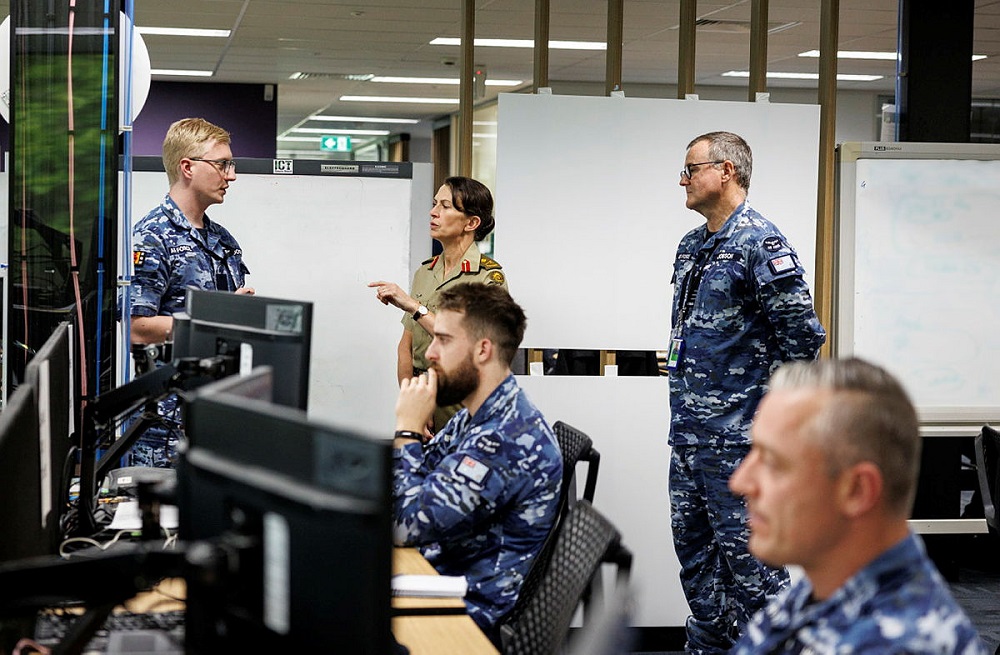
China has recently shown a greater willingness to test the boundaries of physical confrontation. In the cyber domain, however, it has long engaged in aggressive tactics, where the rewards significantly outweigh the potential risks. This is bad news for Australian government organisations, local companies and their counterparts across Southeast Asia, which are having to divert significant resources to protect themselves against evolving Chinese cyber espionage, intellectual property theft and other cyberattacks.

CrowdStrike Intelligence is highly confident that China-nexus adversaries will continue to target both Southeast Asia and Australia in the government, telecommunications, military and civil-society sectors in support of national intelligence-collection priorities. We also expect to see a ramping up of cyber espionage in the AUKUS area as Australia strengthens its defence ties with the US and UK.

China’s military buildup enough to win a war with US

GRANT NEWSHAM

The United States Department of Defense recently published its annual report “Military and Security Developments Involving China.”

This “China Power” report provides a detailed description of the People’s Republic of China‘s military as well as its capabilities and likely objectives. The section on China’s rapid nuclear weapons expansion created a particular stir – especially as it caught many observers by surprise.

A friend asked what this writer made of it all.
But is there really a Chinese military buildup?

American analysts now mostly agree there is a rapid expansion of China’s nuclear arsenal. It reflects the broader, rapid growth of People’s Liberation Army (PLA) capabilities over the last 20 years.

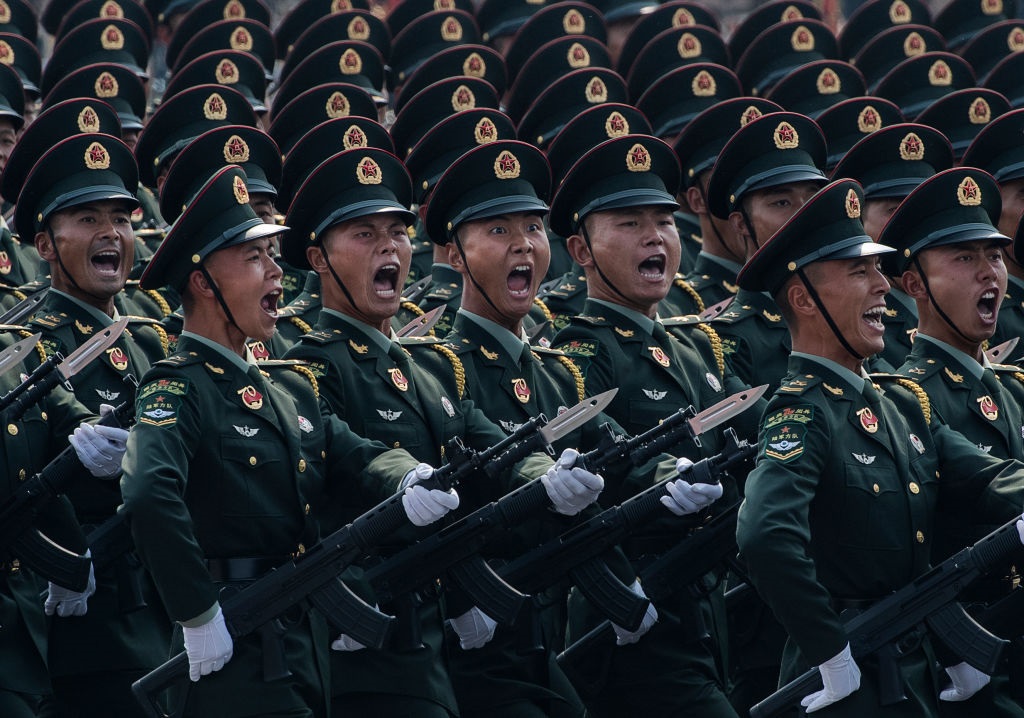
That growth is fairly considered the biggest, fastest military buildup seen in any country since World War II – possibly the fastest in human history.

For many years the expert consensus on China’s nuclear warhead inventory was it numbered around 300 or even fewer. Then, in 2021, that estimate changed – all of a sudden – to over 400. And now it’s estimated to be 500 warheads, with that number expected to double by 2030.

Be alert to China’s military weaknesses

Paul Dibb

Some of those who want to appease Beijing assert that China’s military superiority would enable it to defeat the US over Taiwan. Like the supposed superior strengths of the Chinese economy, these arguments are based on false premises. The fact is China’s military strength is entirely unproven in practical terms and, like its ally Russia, China has serious military weaknesses.

As the well-regarded Swedish Defence Research Agency has recently observed, a rethink of Moscow’s military capability is clearly warranted to understand the causes of the current malaise in Russia’s military capabilities. The agency says that is needed both for the West to adjust to its demonstrable shortcomings and weaknesses and, equally importantly, to understand their causes and long-term strategic implications. In my view, Western intelligence analysts and policymakers have consistently overrated Russia’s and the Soviet Union’s military strengths. And precisely the same mistakes are now being made about China’s PLA.

What are the reasons for this? First, as Professor Zoltan Barany of the University of Texas has argued: when the adversary is a totalitarian state it is easier to make judgements based on quantitative assessments of counting weapons—tanks, jet fighters, and missiles—and raw manpower, rather than on the qualitative and psychological characteristics that often determine the military’s performance on the battlefield.

Second, because of Russia’s and China’s autocratic systems and pervasive corruption, it has proved difficult for them to bring the kinds of innovation, adaptability, and versatility that tend to produce the best outcomes on the battlefield. The fact is it is easy to concentrate on the material strengths of both China and Russia that can be counted by overhead means of intelligence, while neglecting crucial intangibles such as the quality and experience of their troops.

Relying on old enemies: The challenge of Taiwan’s economic ties to China

Jeremy Mark and Niels Graham

Global attention to Taiwan tends to focus on China’s military threats and punitive economic actions.1 Combined with US officials’ periodic warnings about an imminent Chinese invasion, these developments suggest that the balance of power between China and Taiwan has tilted decidedly to Beijing’s advantage, underlining Taipei’s increasing vulnerability.2

But a wider view highlights an uneasy economic equilibrium that has constrained Beijing’s worst impulses. Cross-strait relations are anchored in global supply chains built around Taiwan-made semiconductors and Taiwanese electronics manufacturers’ investments on the mainland.3 If anything, China is becoming more dependent on its business ties to Taiwan as it experiences an unprecedented economic downturn and as foreign multinationals begin to move their factories to other countries. China’s economic vulnerabilities are deep, and its reliance on Taiwan is profound.

Dependence works both ways. Taiwan’s exports to China have enabled its economy to enjoy strong growth, especially after receiving a lift from the COVID-19 electronics boom. This has made China more important to Taiwan’s economic well-being—no matter how ambivalent many Taiwanese feel about the trend. Clearly, a war in the Taiwan Strait or a Chinese blockade of Taiwan would have catastrophic implications for both countries, not to mention the impact on the global economy, as Atlantic Council and Rhodium Group colleagues have written.4 Neither Beijing nor Taipei is comfortable with this mutual dependence, and each government has been driven to seek alternatives. Beijing has expended vast resources on a largely unsuccessful effort to become technologically self-reliant. Taipei has sought new export markets and bases for manufacturing investments, especially in Southeast Asia and India. While Taiwanese companies have expanded to new markets, the economic ties across the Taiwan Strait will take decades to unwind—if such an outcome ultimately is possible—even with the push currently under way from Washington to restrict semiconductor sales to China.

How America's New Nuclear Bomber Is Using AI

Nick Mordowanec

The United States is at the forefront of developing and incorporating artificial intelligence as part of its military, though advancements must continue to keep up with adversaries, according to experts.

AI has become rampant in private and public sectors regarding software created for defense purposes and ubiquitous programs like ChatGPT. This intersection between technology and human ingenuity has drawn praise and concern for the rapid speed at which it is occurring, spurred by how the U.S., its allies and adversaries are incorporating such intelligence into people's everyday lives.

More than 50 percent of Americans recently polled as part of a National Defense Survey conducted by the Ronald Reagan Institute said China poses the greatest risk to the United States' future, exemplifying a bigger push toward subsidizing AI through defense spending to maintain a technological advantage.

The U.S. continues to modernize in other ways, including more funding for nuclear testing and revitalizing aircraft and naval vessels. The recent unveiling of the new B-21 Raider nuclear stealth bomber, developed by Northrop Grumman, for the U.S. Air Force could be considered the next step into a new military frontier due to the "invisible" aircraft's clandestine ability to penetrate air defenses and reach targets worldwide that approximately 90 percent of current U.S. bombers are incapable of doing.
B-21's AI-driven software ushers in a new era

The B-21 is a prime example for its physical build and ability to carry nuclear warheads and for how technology is speeding up testing and design, according to Tate Nurkin, a nonresident senior fellow with the Atlantic Council's Forward Defense and Indo-Pacific Security Initiative.

Judging Henry Kissinger Did the Ends Justify the Means?

Joseph S. Nye, Jr.

How should one apply morality to Henry Kissinger’s statesmanship? How does one balance his accomplishments against his misdeeds? I have wrestled with those questions since Kissinger was my professor, and later colleague, at Harvard University. In April 2012, I helped interview him before a large audience at Harvard and asked whether, in hindsight, he would have done anything differently during his time as secretary of state for U.S. Presidents Richard Nixon and Gerald Ford. At first, he said no. On second thought, he said he wished he had been more active in the Middle East. But he made no mention of Cambodia, Chile, Pakistan, or Vietnam. A protester in the back of the hall shouted out: “war criminal!”

Kissinger was a complex thinker. As with other postwar European émigrés, such as the international relations theorist Hans Morgenthau, he criticized the naive idealism of pre–World War II U.S. foreign policy. But Kissinger was not an amoralist. “You can’t look only at power,” he told the audience at Harvard. “States always represent an idea of justice.” In his writings, he noted that world order rested on both a balance of power and a sense of legitimacy. As he once told Winston Lord, his former aide and the ambassador to China from 1985 to 1989, the qualities most needed in a statesman are “character and courage.” Character was needed “because the decisions that are really tough are 51–49,” so leaders must have “moral strength” to make them. Courage was required so leaders could “walk alone part of the way.” In the case of Vietnam, he believed he had a mandate to end the Vietnam War. But, he said, he did not have a mandate to end it “on terms that would undermine America’s ability to defend its allies and the cause of freedom.”

Evaluating ethics in international relations is difficult, and Kissinger’s legacy is particularly complex. Over his long tenure in government, he had many great successes, including with China and the Soviet Union and the Middle East. Kissinger also had major failures, including in how the Vietnam War ended. But on net, his legacy is positive. In a world haunted by the specter of nuclear war, his decisions made the international order more stable and safer.

VALUE JUDGMENT

As US Army transforms, it’s gleaning lessons about high- and low-tech fighting from Ukraine, Israel

JASPREET GILL

I/ITSEC 2023 — After closely examining conflicts in Israel and Ukraine, as well as technological advances by China, a senior Army official said the service has learned that a future fight is going to require a mix of high- and low-tech tactics.

“If you look at … how we’re actually thinking about the Army in 2040, we’re taking a lot of lessons learned from the current conflicts that are going on right now, whether it’s Ukraine, Russia, lessons learned with Israel, our shift to our peer threats, and there’s a combination of low-tech and high-tech that’s really incorporating … pushing into our guiding principles,” said Young Bang, principal deputy assistant secretary of the Army for acquisition, logistics and technology.

Speaking at the I/ITSEC 2023 conference here in Florida, Bang was specifically talking about how the Army is racing towards a “digital transformation” that “really now allows us to accelerate the speed of delivering capabilities to our soldiers.”

Bang did not elaborate on the lessons the Army was taking from Israel and Ukraine, but both conflicts have seen a sometimes surprising mix of high- and low-tech systems — like quadrotor drones that drop “dumb” grenades on tanks, as seen in Ukraine.

The Army’s digital transformation, meanwhile, has been a push to drag the service into the modern, cutting edge era. It has several focus areas in its digital transformation journey, Jen Swanson, deputy assistant secretary of the Army for data, engineering and software, said today, including implementing modern software practices, evolving its open architectures towards to a modular open systems architecture approach and digital engineering.

Ukrainian Combat Formations Cherry-Pick High-Priority Russian Tactical Assets – Analysis

Can KasapoÄŸlu

Russia hit Ukraine with an unprecedented barrage of Iran-manufactured loitering munitions. Ukrainian forces demonstrated notable innovations in robotic warfare. Mounting armor losses in Avdiivka forced the Russian military to alter its offensive operations there.

1. Battlefield Update

The Ukrainian front lines held firm this week, with defensive operations dominating the battlefield everywhere except in the Kherson sector. There, Ukraine’s counteroffensive picked up steam at the tactical level along the Orikhiv assault axis.

Ukrainian combat formations have begun to cherry-pick high-priority Russian tactical assets, predominantly using first-person view (FPV) drones to inflict damage. Ukraine’s target set includes TOS-1A thermobaric rocket launcher systems, Russian drone warfare command-and-control nodes, and air defense systems. In reporting on their TOS-1A kills, Ukrainian sources drew attention to this weapons system’s role in disrupting Ukrainian bridgeheads along the Dnipro River.

Russian forces sustained their push near Avdiivka and the eastern sector, escalating combat action near Bakhmut despite achieving limited advancements. The intensity of the shelling there remained high, suggesting that Russia is likely relying on supplies of shells from North Korea. Nonetheless, there have been no strategic alterations in the overall battlefield geometry.

In the northeast, Russian assaults continued without territorial gains. Elsewhere in this region, ground activity was minimal, with no significant changes evident. In the south, both sides registered some progress, leading to limited changes of territory. Russian air strikes sustained their assault on civilian targets, with a continued focus on Ukrainian infrastructure in Kharkiv Oblast.

WHAT KISSINGER DIDN’T UNDERSTAND

George Packer

Henry Kissinger spent half a century pursuing and using power, and a second half century trying to shape history’s judgment of the first. His longevity, and the frantic activity that ceased only when he stopped breathing, felt like an interminable refusal to disappear until he’d ensured that posthumous admiration would outweigh revulsion. In the end none of it mattered. The historical record—Vietnam and Cambodia, the China opening, the Soviet détente, slaughter in Bangladesh and East Timor, peace in the Middle East, the coup in Chile—was already there. Its interpretation will not be up to him.

Kissinger is a problem to be solved: the problem of a very human inhumanity. Because he was, undoubtedly, human—brilliant, insecure, funny, gossipy, curious, devious, self-deprecating, cruel. In Martin Indyk’s book Master of the Game, about Kissinger’s successful efforts to end the 1973 Yom Kippur War, you meet a diplomat with a deep knowledge of the region’s history and personalities, operating with great subtlety and stamina to bring about a state of equilibrium that led to peace between Israel and Egypt. If you read Gary J. Bass’s The Blood Telegram, about the 1971 Pakistani civil war that created Bangladesh, you meet a policy maker with a shocking indifference to human life, willing to aid Pakistan in committing genocide so that Islamabad would continue to be a conduit between Washington and Beijing.

The role of nuclear weapons in a Taiwan crisis

Gregory Weaver

Executive summary

The potential for a conflict over Taiwan is increasing due to China’s nuclear and conventional military buildup and the threat of two simultaneous conflicts with China and Russia, which would severely stress the ability of US and allied conventional forces to win in both theaters. Nuclear weapons will cast a long shadow over a Taiwan conflict and could play multiple roles in the deterrence and warfighting strategies and operations of both the United States and the People’s Republic of China (PRC). A conflict over Taiwan has a number of attributes that will shape those roles. Those attributes make the potential for limited nuclear escalation real and uncontrolled nuclear escalation possible.

In order to prevent war and escalation in war, US policymakers and military planners must take the role of nuclear weapons in a Taiwan conflict seriously. The United States should communicate four focused deterrent messages to China and reassure its allies and partners that it can deter Chinese nuclear use. The United States should reevaluate its theater nuclear capability requirements for a Taiwan conflict and carefully analyze options to defeat a Chinese amphibious invasion of Taiwan with limited nuclear strikes if necessary. Finally, the United States must credibly address the potential for collaborative or opportunistic aggression by China and Russia in an environment in which both are peer nuclear adversaries. This requires determining what the US strategy should be to address the two-peer threat, optimizing US and allied conventional forces to address it, and reshaping US nuclear capabilities if necessary. The United States needs to know now whether it is going to require a nuclear force that is larger, or different, or both, because changing the current modernization program requires immediate action to address the threats in time.

Background

The emerging global crisis of land use

CHATHAM HOUSE REPORT

Pressures around land use are emerging as one of the defining environmental challenges of modern times. Competition for productive and ecologically valuable land, and for the resources and services it provides, is set to intensify over the coming decades, as growing demand for land for farming, climate change mitigation and other essential uses contributes to a deepening ‘land crunch’.

This report examines the drivers of, and potential solutions to, this emerging crisis. It explores the nature of ‘land wealth’, recognizing that globally important resources are unevenly distributed between nations. Inequalities and tensions will increase if competition between land uses, and land users, is not addressed by policies that acknowledge national constraints without surrendering the ambition to reduce global resource use. Tackling the land crunch is thus an intrinsically global and political problem, dependent on international cooperation.

Ultimately, creating a sustainable, ‘land-wealthy world’ will require transformational changes to land use and its governance. This means reducing humanity’s land footprint, governing global land resources systemically and cooperatively, and changing how land is valued and its stewardship financed. Perhaps most fundamentally, governments must make land an urgent priority, and put in place institutional changes that embed land crunch planning at the centre of domestic, foreign and economic policy.

The report summary is also available to download via this link.

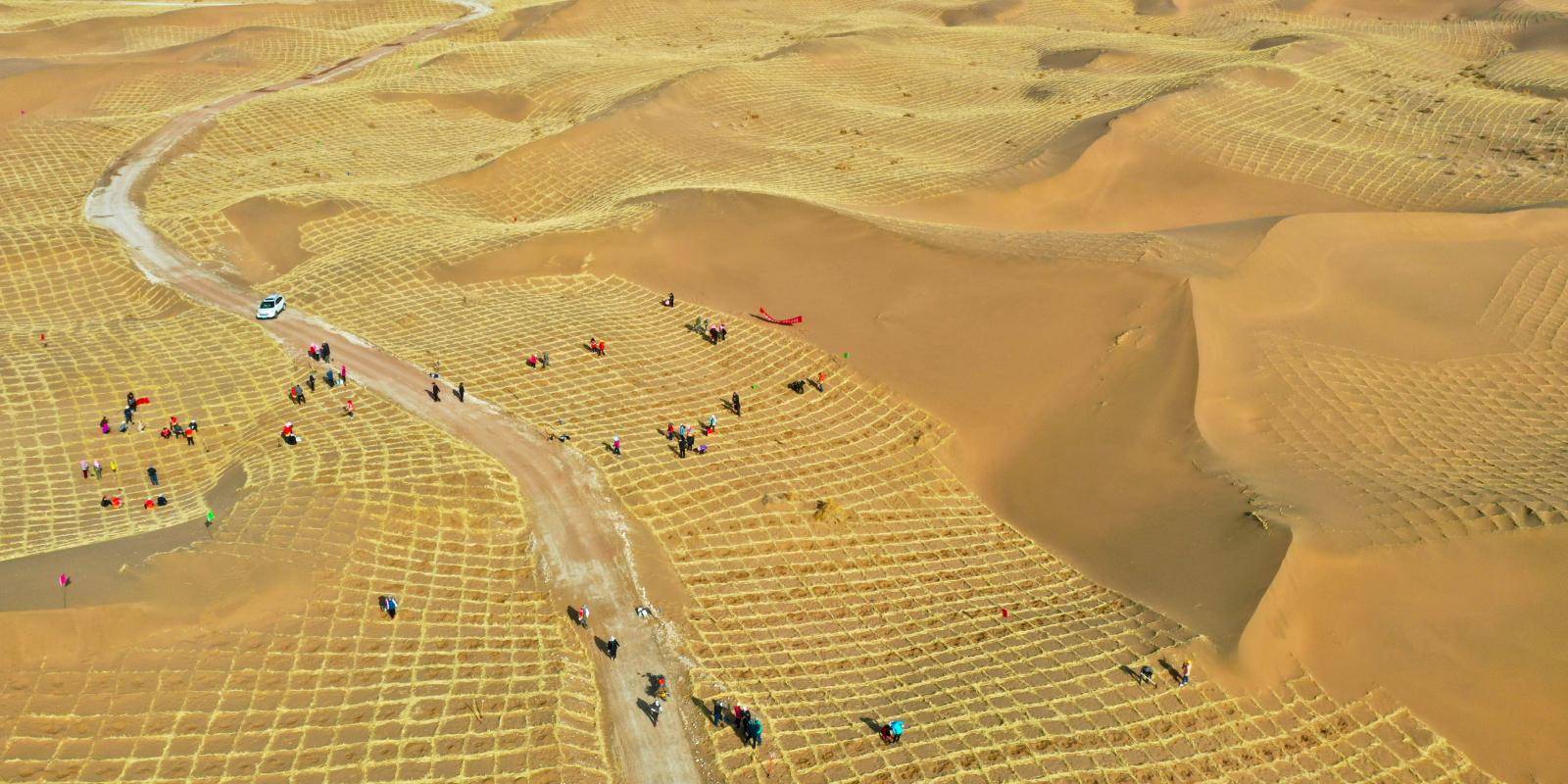
Image — People participating in a voluntary afforestation campaign at the edge of the Badain Jaran Desert in Linze County, Gansu Province, on China’s 43rd national tree-planting day, 12 March 2021. Photo: Copyright © Wang Jiang/VCG/Getty Images

Rethinking Geopolitical Strategies: from Conflict Management to Conflict Resolution in the Middle East

Bernard Siman 

The Gaza war, the broader Israeli-Palestinian conflict, the Yemeni civil war, the Syrian civil war, and the Nagorno-Karbach conflict, to name a few conflicts on the edges of Europe, have one thing in common: the various actors, regional and international, opted, over decades, for conflict management rather than for conflict resolution. This has clearly failed.

Transactional geopolitics, history has demonstrated, almost always end up in armed conflicts erupting typically from the periphery of the contested geopolitical spheres of influence to subsequently make their way towards the centres of the competing powers. The ‘July Crisis’ of 1914 is a good example. Sergei Sazonov, the last tsarist Russian foreign minister, recorded in his memoires that WW1 started in 1909 when Austria-Hungary annexed Bosnia. The intervening five years (to the start of the war in 1914) amounted to no more than attempts at ‘conflict management’ rather than ‘conflict resolution’. Transactionalism is synonymous with conflict management and, in the view of this writer, almost always leads ultimately to armed conflict.

Terrorism Monitor, November 17, 2023, v. 21, no. 22

Brief: Western Far-Right Aligns with Pro-Palestinian Activists After Hamas’ 10/7 Attacks

Brief: Window of Opportunity for Peace Between ISGS and JNIM Closes

Hezbollah’s Calculations in the Israel-Hamas War in Gaza

TPNPB Rebels Adopt New Tactics in Indonesia’s West Papua Province

Microsoft president says no chance of super-intelligent AI soon

Muvija M and Martin Coulter

LONDON, Nov 30 (Reuters) - The president of tech giant Microsoft (MSFT.O) said there is no chance of super-intelligent artificial intelligence being created within the next 12 months, and cautioned that the technology could be decades away.

OpenAI cofounder Sam Altman earlier this month was removed as CEO by the company’s board of directors, but was swiftly reinstated after a weekend of outcry from employees and shareholders.

Reuters last week exclusively reported that the ouster came shortly after researchers had contacted the board, warning of a dangerous discovery they feared could have unintended consequences.

The internal project named Q* (pronounced Q-Star) could be a breakthrough in the startup's search for what's known as artificial general intelligence (AGI), one source told Reuters. OpenAI defines AGI as autonomous systems that surpass humans in most economically valuable tasks.

However, Microsoft President Brad Smith, speaking to reporters in Britain on Thursday, rejected claims of a dangerous breakthrough.

"There's absolutely no probability that you're going to see this so-called AGI, where computers are more powerful than people, in the next 12 months. It's going to take years, if not many decades, but I still think the time to focus on safety is now," he said.

Sources told Reuters that the warning to OpenAI's board was one factor among a longer list of grievances that led to Altman's firing, as well as concerns over commercializing advances before assessing their risks.

What Google and Facebook Owe News Publishers

HAARIS MATEEN, HARIS TABAKOVIC, and PATRICK HOLDER

HOUSTON/CAMBRIDGE/SAN FRANCISCO – It’s the same story around the world. Faced with an avalanche of misinformation and disinformation online, declining trust in media and government, and the proliferation of “news deserts,” governments, philanthropists, and publishers are desperately looking for ways to fund quality journalism.

In 2021, Australia broke new ground by passing the News Media Bargaining Code, compelling Alphabet (Google) and Meta (Facebook) to pay media outlets for news content shared on their platforms. This model has since gained traction worldwide, with Canada adopting its own version of the Australian law (C-18) in June and South Africa launching an investigation into the digital advertising market. Countries like Indonesia, Japan, New Zealand, and Switzerland have all considered similar bills, and Brazil’s ambitious Fake News Law, which was thwarted in May, has recently been revived.

Meanwhile, in the United States, the Journalism Competition and Preservation Act, aimed at allowing news publishers to engage in collective bargaining, was introduced in March by US Senator Amy Klobuchar and has since stalled. In June, California’s State Assembly passed the California Journalism Preservation Act, which would require large tech companies to share their advertising revenues with news outlets. But the bill has been put on hold until 2024.

In opposing these laws, tech giants like Google and Facebook have downplayed the importance of news content on their platforms, asserting that it can be dropped easily since audiences do not really need it. Google has also resorted to paying publishers directly, hoping that a modest sum will discourage media companies from supporting platform remuneration laws.

Why Great Powers Launch Destructive Cyber Operations and What to Do About It

Dr. Valentin Weber

2010 was a seminal year. Stuxnet, an American-Israeli cyber operation sabotaged Iranian uranium enrichment centrifuges. It became publicly known as the first cyber operation in history that destroyed physical objects. This operation had the clear goal of degrading Iran’s uranium enrichment capability, but in general there has been little research as to why hegemons launch destructive cyber operations. This brief argues that the main motivations are threefold: territorial conquest, threat prevention, and retaliatory actions.

KEY FINDINGS

Iran, North Korea, South Korea, Ukraine and Taiwan have been the main targets of destructive great power cyber operations.

For the US, future targets will possibly be limited to countries that aim to acquire nuclear weapons – Iran and North Korea.

Given ongoing border disputes, China and Russia will likely target neighboring countries with such destructive campaigns – for China those are Vietnam, the Philippines, and Japan, and for Russia they are Georgia, Moldova, and Japan.

To prevent destructive cyber operations, Germany and other EU states have been engaged in cyber capacity building and threat-intelligence sharing across continents. But Berlin needs to set priorities.

When it comes to combatting state-sponsored cyber campaigns, Germany should deepen ties with non-EU countries that have been or likely will be targets of damaging rather than merely disruptive operations, i.e., in Southeast Asia, East Asia, the Caucasus, and Southeast Europe.

The online version of this Policy Brief doesn't contain footnotes. To see the footnotes, please download the pdf version here.

A Military Necessity: Clear Thinking and Terminology

Forrest Marion

Military history offers no shortage of examples in which imprecise thinking and terminology contributed to failure at some level; as well cases of clear and concise thought and language employed by leaders that contributed to military success. During World War II, U.S. Army chief of staff General George C. Marshall insisted upon clarity and brevity in all military orders and official communications. Anything less risked confusion, an improper understanding of the commander’s intent, and wasted precious time.

Marshall was not alone. The British Army’s Bernard Montgomery decried terminology he deemed unhelpful, or worse, defeatist. As his biographer Nigel Hamilton wrote, when in 1941 “Monty” was responsible for defending 215 miles of English beaches against a possible German invasion, Montgomery forbade the use of the previously employed terms, “Beach Battalion” and “beach defense.” The future field marshal was offensive-minded, and he realized that both terms conveyed a “defensive beach-bound mentality,” if not a defeatist one.
“Aerospace” or “Air and Space”

The history of the relatively new domain of space bears the same lesson. In 1957, U.S. Air Force chief of staff General Thomas White stated, “I want to stress that there is no division, per se, between air and space. Air and space are an indivisible field of operations.” Until 2001, that was the Air Force’s basic position. While it probably represented the thinking of most air leaders at the time, it also justified the Air Force’s acquisition and management of the vast majority of funding intended for both air force and space functions. Famously over the years, the service helped itself to dollars that Congress intended for space in order to beef up its own needy air programs. In the 1990s, the F-22 fighter program was one example.

Data Brokers and the Sale of Data on U.S. Military Personnel

Justin Sherman, Hayley Barton, Aden Klein, Brady Kruse, and Anushka Srinivasan

The data brokerage ecosystem is a multi-billion-dollar industry comprised of companies gathering, inferring, aggregating, and then selling, licensing, and sharing data on Americans as well as providing technological services based on that data. After previously discovering that data brokers were advertising data about current and former U.S. military personnel, this study sought to understand (a) what kinds of data that data brokers were gathering and selling about military servicemembers and (b) the risk that a foreign actor, such as a foreign adversary government, could acquire the data to undermine U.S. national security. This study involved scraping hundreds of data broker websites to look for terms like “military” and “veteran,” contacting U.S. data brokers from a U.S. domain to inquire about and purchase data on the U.S. military, and contacting U.S. data brokers from a .asia domain to inquire about and purchase the same. It concludes with a discussion of the risks to U.S. military servicemembers and U.S. national security, paired with policy recommendations for the federal government to address the risks at hand.

Major Takeaways:It is not difficult to obtain sensitive data about active-duty members of the military, their families, and veterans, including non-public, individually identified, and sensitive data, such as health data, financial data, and information about religious practices. The team bought this and other data from U.S. data brokers via a .org and a .asia domain for as low as $0.12 per record. Location data is also available, though the team did not purchase it.

Data broker methods of determining the identity of customers are inconsistent and evidence a lack of industry best-practices.

Currently, these inconsistent practices are highly unregulated by the U.S. government.

The inconsistencies of controls when purchasing sensitive, non-public, individually identified data about active-duty members of the military and veterans extends to situations in which data brokers are selling to customers who are outside of the United States.

2 December 2023

IDF Faces 'Surprising' Strength and Sophistication of Hamas Tunnels in Gaza

Tom O'Connor

An Israel Defense Forces (IDF) engineer officer has expressed to Newsweek surprise at the vast scope of tunnels said to be used by the Palestinian Hamas movement in Gaza amid the ongoing war.

Such tunnels have been central to Hamas' military strategy and a leading target of Israeli forces throughout a conflict laden with uncertainties for both sides.

"We knew this is what we expected to see, but I didn't expect these tunnels to be so strong, meaning there's a lot of concrete, stairs, a lot of intersections in these tunnels," the IDF engineer officer told Newsweek. "Of course, we don't usually go in, but we explore them, and we see it, so this is really surprising."

"I thought it would be a little more primitive, but this is really sophisticated," the officer added.

The Gaza Strip has long been known to host sprawling underground networks, even dating to the near four-decade period of Israeli occupation. When Hamas took over the territory in 2007 following the IDF's withdrawal and a bloody rift with the West Bank-based Palestinian National Authority's leading Fatah faction amid elections, this network expanded significantly.

"That's the lifeline," the IDF officer said. "When Israel used to control the Gaza Strip, we had operations against these smuggling tunnels, and it was not just military goods, also civilian goods, but mostly military. And after Israel left, it just became more and more their lifeline."

Now, the IDF officer said, tunnels constitute Hamas' "main assets" and continue to serve as a challenge to Israel's efforts to deliver a decisive defeat to the group in the deadliest war yet to beset the 75-year Israeli-Palestinian conflict.

The Gaza Cease-Fire Is a Major Military Victory for Hamas

James Stavridis

We should all rejoice to see Israeli hostages being released following the barbaric attacks by Hamas nearly two months ago. But under the short pause in fighting, the terrorists are exchanging kidnapped Israelis — in agonizingly slow fashion — to purchase time to rearm, refresh and reset their forces. There is not a shred of humanitarian impulse here. Hamas cynically measures the price of human lives and then doles them out 10 at a time for another day of military advantage.

Although the Israeli government has understandably agreed to extend the pause to gain more hostage releases, it needs to be clear-eyed from a military perspective about the costs. What are the ramifications for the Israel Defense Forces?

We’ve seen this type of humanitarian and diplomatic pause in warfare before. I experienced it firsthand as the North Atlantic Treaty Organization’s military commander during the six-month air campaign over Libya in 2011. Our mission, authorized under a United Nations Security Council resolution, was to use air assets (no boots on the ground) to degrade Moammar Al Qaddafi’s ability to kill his own people.

Our bombing campaign was relentless and highly effective. Yet working closely with the International Committee of the Red Cross, we used a series of tactical pauses to enable the transport of humanitarian supplies. Each time we did so, government forces would refit to continue their fight.

Further back, during the long, painful course of the US war in Vietnam, there were moments when Washington slowed its bombing operations to facilitate diplomatic discussions in Paris. The principal air campaign, Operation Rolling Thunder, was used on and off throughout negotiations in the 1960s. During those pauses, North Vietnam took advantage.

Will U.S. Revelation of Plot to Kill Sikh Activist Strain Ties With India?

Sumit Ganguly

The United States has charged an Indian citizen with attempting to assassinate a prominent Sikh activist and U.S. citizen, according to an indictment unsealed on Wednesday. The man charged, Nikhil Gupta, was arrested in the Czech Republic in June after prosecutors say he paid $100,000 to someone that he believed was a hit man to carry out the killing on U.S. soil. The charges mark yet another revelation that could add strain to the U.S.-India relationship, raising questions about the method and timing of the public disclosure.

Conditional restraint: Why the India-Pakistan Kargil War is not a case of nuclear deterrence

Arzan Tarapore

In the summer of 1999, India and Pakistan went to war, again. Pakistan had secreted a sizeable force in remote outposts in the high mountains near Kargil, in the northern part of the Indian state of Jammu and Kashmir. When India discovered the Pakistani forces build-up, it mounted a hurried and initially haphazard response to dislodge the invaders, deploying heavy reinforcements near Kargil and mobilizing its air force for daring air strikes. India’s forces fought tenaciously, for weeks, with soldiers often scaling sheer cliff-faces and fighting hand-to-hand against the enemy, to painstakingly recapture the mountainous territory, peak after peak.

India also did something surprising. Unlike in previous wars against Pakistan, in 1965 and 1971, Indian forces never crossed over into Pakistani territory during the 1999 Kargil War. The cabinet had set a limit: None of India’s ground or air forces were to cross the Line of Control (LoC), a line that separates Indian- and Pakistani-controlled parts of disputed Kashmir and serves as the de facto boundary between the two countries. Even when Indian operations were failing in initial weeks and the Army prepared for a large counter-offensive elsewhere into Pakistan, the order to expand the war never came. India, it turns out, fought with remarkable restraint.

To many observers, the obvious reason for this restraint was India and Pakistan’s new status as declared nuclear-armed countries. Both nations had first tested nuclear weapons in May 1998, only one year before the Kargil War started. India and Pakistan had possessed deployable nuclear weapons for years beforehand, including during previous crises (Hagerty 1995). But now they were two openly-declared nuclear powers at war. For nuclear deterrence optimists, the Kargil War is a clear-cut case of nuclear-armed countries at war intentionally limiting their military operations to avoid escalation (Ganguly 2008). From this perspective, deterrence almost self-evidently worked.

Is India Repeating Its Maldives Mistake in Bangladesh?

Mushfique Wadud

Bangladesh’s cricket team was not among the two teams that played in the final of this year’s Cricket World Cup. However, cricket fans in Bangladesh turned their enthusiasm instead toward rooting against the Indian cricket team.

On November 19, when the Australian cricket team won the final match against India, it was like a festival in Bangladesh. Thousands gathered at the Dhaka University campus and chanted slogans against the Indian team. On Facebook, many commented that this day was like the Eid for them (Eid is the most significant festival in Muslim-majority Bangladesh). The Indian newspaper India Today reported videos of Bangladeshi people celebrating India’s defeat, which went viral in Bangladesh and India.

The anti-Indian sentiment in Bangladesh is not only limited to the Indian cricket team. People in this Muslim-majority neighbor of India are turning increasingly anti-Indian. This phenomenon of anti-Indian sentiment has been visible in Bangladesh for quite some time. In 2011, then-Indian Prime Minister Dr. Manmohan Singh commented that 25 percent of Bangladeshi are anti-Indian. There is no survey about the current figures. However, anyone who knows Bangladesh would acknowledge that anti-Indian sentiment has increased significantly in recent years.

Several reasons can be cited for that. The anti-Muslim rhetoric of Bhartiya Janata Party (BJP) leaders must be one of them. But the most crucial reason is India’s backing of the ruling political party, the Awami League, which has been in power for the last 15 years in Bangladesh thanks to two disputed elections.

If you talk to any activist of the opposition Bangladesh Nationalist Party (BNP), they will tell you that the AL was able to rule for 15 years only because of India’s backing. This was reflected in the statement of a key leader, Ruhul Kabir Rizvi the senior joint secretary general of the BNP, who claimed that India has “taken a stance against the people of Bangladesh” by supporting the “authoritarian government” of Prime Minister Sheikh Hasina. It is apparent that the opposition parties in Bangladesh are not happy with India’s approach to Bangladeshi politics.

Managing Dissent Within: The Taliban Way

Shanthie Mariet D’Souza

The chronic failure of governance and unyielding attachment to regressive values notwithstanding, the Taliban’s hold over Afghanistan appears to be consolidated. Initial hopes that the Taliban 2.0 would be a different species have been belied. Even the anticipation that a contestation between the moderates or dissenters and the hardliners within the group would weaken it and possibly force it to revisit its policies has also not materialized.

To an outsider, it appears that the divergent factions within the former insurgent group are choosing cohesion over discord. However, internally, the consolidation is the product of an iron-hand policy of dissent management.

The supreme leader of the Taliban, Haibatullah Akhundzada, has made only three public appearances since the Taliban took power in August 2021. His reclusive existence, disrupted mostly to dispel doubts about his health, has not stopped him from building Kandahar as the real power center of the regime, protected by a 40,000-strong military force comprising of loyalists, which was allegedly created by spending 60 billion Afghanis. In October 2023, Akhundzada appointed Abdul Ahad Talib, the former governor of Helmand and the former commander of the Taliban suicide squad, as his “Special Forces Commander.”

The enormous power enjoyed by Akhundzada has been inversely proportional to the influence of the moderates and dissenters within the Taliban, who have been systematically sidelined. For instance, in September 2022, Akhundzada ousted the acting education minister, Noorullah Munir, who was replaced by the head of Kandahar’s provincial council, Maulvi Habibullah Agha. Munir himself represented the old school and was known for public statements dismissing the importance of higher education. But his apparent support for opening school to girls did not go down well with the top leadership. Kandahar-born Agha, on the other hand, is known to lack formal education himself, although he functioned as a judge in the first Taliban regime between 1996 and 2001. Agha began his tenure by announcing, “Open criticism of the Islamic Emirate officials is forbidden.”