5 September 2022

A Strategist’s Cast of Characters: The Critical Attributes and Skills of Strategic Decision-Makers

Roni Yadlin

Since the day when Thespis made dramatic history and first took to the stage as a character in a play, the ancient Greeks used theatrical productions to provide social commentary, impart lessons, and inspire action. These publicly funded events helped the audience understand their history and role in society. The Greek use of drama imbued a tragic sensibility in the citizenry, warned them of dangers facing their community, reminded them of their responsibility to the collective and helped them develop national strategy.[1]

A key tool in these dramas was symbolic characterization in which the characters on stage represented moral concepts and imparted desired lessons. Greek drama was itself embodied in the masks representing Melpomene, the Muse of tragedy, and Thalia, the Muse of comedy. This concept of characterization also provides an allegorical framework through which to consider some of the critical characteristics and skills necessary for strategists. Strategists need to have the ability to reconcile and balance opposing tensions, as represented by Thalia and Melpomene, engage in both reflection of the past and anticipation of the future like the Roman God Janus, emulate the contemplation and discernment of Judeo-Christian cherubim, and seek the aims of the embodiment of Lady Justice.

Melopmene, Ny Carlsberg Glyptothek, Copenhagen (Wolfgang Sauber/Wikimedia)

Originating in ancient Greece, the smiling and crying faces of Thalia and Melpomene still symbolize drama today. These characters, embodying comedy and tragedy, represent opposites in life and the tensions between them. Although strategic decision-makers are concerned with issues extending far beyond drama, they must know how to balance the tensions they encounter.

Roman statue of Muse Thalia, Spanish Royal Collection (Ana Belén Cantero Paz/Wikimedia)

Intelligence, according to F. Scott Fitzgerald and quoted by John Lewis Gaddis, is “the ability to hold two opposed ideas in the mind at the same time, and still retain the ability to function.”[2] This concept of holding two ideas simultaneously, whether they are directly opposing or not, represents the need for strategic decision-makers to balance. Strategy is a complex process that comprises a number of elements in a world where chance, uncertainty and ambiguity are ever-present.[3] The complexity inherent in strategic challenges presents decision-makers with conflicting priorities and concerns. Strategic success requires the ability to maintain equilibrium between those competing imperatives.

There are many avenues through which strategists can develop the skills required to adequately balance tensions. Carl von Clausewitz argues military leaders can gain their requisite knowledge and skills through reflection, study, thought, and experience.[4] St. Augustine frames his teachings as checklists that provide recommendations, rather than prescriptions.[5] This kind of framework allows those who use it to react to changing circumstances and become comfortable with contradictions.

Strategic decision-makers must balance the tensions inherent in their own minds. They also need to resolve the structural tensions within the strategic decision-making landscape. Because strategy is the “alignment of potentially unlimited aspirations with necessarily limited capabilities,” strategists need to be able to balance competing goals and requirements.[6]

Determining priorities among the various aspirations and appropriately managing all the tools of national power is an exercise in balancing tensions.[7] Additional tensions arise from the opposing desires and motivations of individuals within the decision-making apparatus. Each participant in the decision-making structure, be they individual or a collective, has their own goals, objectives, and motivations.

Consequently, strategic decision-makers must balance these often-conflicting priorities to reach a single choice. These decisions will likely be the product of the pulling and hauling of political bargaining and not match the desire of any particular player.[8] President Barack Obama’s decision to intervene in Libya, albeit in a limited and restricted role, demonstrated one such instance of political decision-making. Differing recommendations, as well as potential political and financial costs, led to a compromise that did not entirely reflect the desires of any particular party, but it was ultimately a successful strategic intervention.[9] Because of the complexity inherent in strategic choices, the ability to balance both individual and group tensions, to include those that are in direct opposition to each other, is a critical requirement for strategic decision-makers.

Thalia and Melpomene are two different characters who represent opposing tensions. By contrast, the Roman god Janus is a single character with two faces, one looking forward and the other backward. Strategic decision-makers must similarly look both forward and back; they need the ability to appropriately reflect on the past and forecast the future. Strategists routinely look to historical analogy when confronted with difficult situations, but they often learn the wrong lessons and thus make bad decisions.[10]


A Roman coin depicting Janus (Britannica)

Analogies provide useful shortcuts, but they obscure aspects of the present that may differ from the past.[11] When considering American intervention in Vietnam, President Lyndon Johnson drew connections to the 1938 Munich negotiations and the Korean War to inform his decision-making. These events did not, however, accurately mirror the current situation and instead the French defeat at Dien Bien Phu may have been a more appropriate historical analogy.[12]

Hindsight can contaminate judgment and decision-making.[13] When looking backwards, decision-makers are prone to outcome bias and may judge past choices not on the quality of the decision but on the desirability of the outcome. This is evident in the belief that officials in the George W. Bush administration should have anticipated and prevented the attacks of September 1. Because of the emotional desire to have avoided the trauma of the attack, hindsight caused observers to point to intelligence reports prior to the event as overwhelming evidence of its impending occurrence.[14]

Strategic decision-makers need to temper the lessons they draw from history with an understanding of the pitfalls of analogizing. To do so, Yeun Foong Khong recommends using analogies whose lessons appear more ambiguous. This forces decision-makers to augment their answers elsewhere and seek several relevant past occurrences, rather than rely solely on a single historical instance.[15] Colin Gray suggests that historical analogies are useful to strategists so long as they approach their analysis of the past on different levels.[16] By considering the analogy at the tactical, operational, and strategic level, and garnering specific conclusions from each strata, decision-makers can avoid some of the traps of misapplying historical analogy.

In addition to historical analogies, strategists can use their own experiences to ground their strategies in lessons from the past. This can also be fraught with difficulty. Firsthand experiences often exercise too great an influence on a person’s predispositions. The impact a past event had on a decision-maker will influence the likelihood that they attempt to apply that event to their current situation. If, for example, the event was particularly traumatic or brought the individual significant attention, it will weigh heavier in their mind.[17] Firsthand experiences also contribute to the illusion of familiarity. Familiarity is confused with truth such that personal experiences bias expectations and lessons learned.[18]

French officer David Galula was successful in his counterinsurgency efforts in the Greater Kabylia district of Algeria. However, this success proved detrimental when he tried to apply the same tactics and strategy to the Bordj Menaiel sector.[19] His previous successes blinded him, and this made him unable to recognize differences between the two regions and fail to see how those differences would impact the utility and effectiveness of the strategy.

Despite the risks inherent in learning from experience, there are still significant benefits to using the past to make strategic decisions. J.F.C Fuller argues that all knowledge is derived from experience and that knowledge can drive a decision through observation and reflection. Without experience, strategists cannot develop the reason required to make decisions and formulate strategy.[20] Emile Simpson defines strategy as a dialogue between theory and experience. Simpson asserts that effective strategy requires balance between those factors.[21] Examining the past through historical analogy and personal experience provides strategists context to apply to and frame their decision-making.

In addition to appropriately interpreting the past, strategists must also make reasonable and useful predictions about the future. There are pitfalls in this endeavor as well, some of which are related to the difficulties of understanding the past. Because it is easy to construct plausible narratives about what has previously happened, individuals develop the illusion that they understand the past. This gives them overconfidence in their ability to predict the future.[22]

In addition to heuristic biases, strategists must grapple with the presence of chance and uncertainty when making their predictions about the future. Clausewitz considers uncertainty and chance two of the elements that make up the climate of war and includes chances in his trinity. Because of the presence of uncertainty and chance, guesswork and luck become a significant part of war and strategy.[23] Additionally, the presence of chance precludes strategists from controlling circumstances enough to ensure they can achieve their desired effects.[24]

The German parachute assault on the Maleme airfield on Crete suffered from several setbacks related to chance. First, excessive dust from the propellers of the aircraft prior to takeoff disrupted the planned spacing of the aircraft and drops. Additionally, the tow-rope of the glider flown by the operational commander General Wilhem Sussmann snapped, and he crashed to his death. Finally, the Germans had little control over their parachutes and thus many of them landed in water, drowning nearly immediately. Chance so completely impacted the effectiveness of the parachute assault that Adolf Hitler refused to approve another parachute operation for the remainder of the war.[25]

Despite the inherent difficulties, strategy nonetheless requires prediction. Decision-makers can employ several tools and frameworks to make reasonable and useful predictions. Khong recommends mitigating the dangers by subjecting predictions to a test.[26] One such test might be a “premortem” wherein decision-makers conduct a thought experiment arguing that their forecasts and plans have failed. Attempting to trace the reasons for the failure can provide decision-makers a check on their prescriptions and inspire improvements.[27] Another predictive framework involves using strategic foresight to imagine multiple futures. In this type of planning, which Herman Kahn used to contemplate nuclear strategy, decision-makers imagine a set of plausible futures and then build strategies that could be useful across a range of those futures.[28]

Having several frameworks for prediction can help provide better projections that may be more resilient to the inevitable uncertainty and chance. These projections then inform policy decisions that, when accurate, can bring strategic success. China’s Premier Deng Xiaoping chose to invade Vietnam in part because he predicted the Soviet Union would refrain from attacking China in response. Deng anticipated that moving troops away from other theaters would go against Moscow’s strategic interests and thus the Soviet Union would not pose a risk to Chinese action. This accurate forecast informed Deng’s decision-making and allowed Beijing to achieve its strategic objectives.[29]

While some strategies have a specific timeframe with which to bookend a prediction, when it comes to national objectives, strategy never ends. Everett Dolman characterizes strategy as a plan for attaining a continuing advantage and considers it an unending process seeking continuation rather than culmination.[30] This means that strategists’ foresight must have an infinite horizon. However, because of uncertainty, the future is unlikely to play out as predicted.

Therefore, strategists need to implement feedback into their strategic processes to continually adjust their plans as reality diverges from their prediction. Despite the difficulty and risk inherent in both historical analogy and future predictions, strategic decision-makers must embody Janus’s ability to look backwards and forwards to appropriately apply historical analogy and experience to their predictions for the future. This dual perspective will help them make better informed strategic decisions.
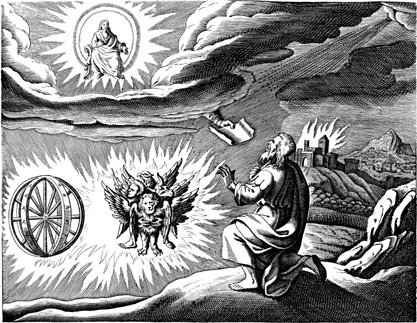
Engraved illustration of the "chariot vision" of the Biblical book of Ezekiel. (Matthäus Merian/Wikimedia)

While Janus has two faces on a single head, the Judeo-Christian cherubim, heavenly creatures described in the book of Ezekiel, each have four heads.[31] These creatures represent the highest levels of contemplation and discernment, two related attributes that are also critical to strategic decision-makers.[32] Contemplation, or considering something deeply and thoughtfully, is necessary when grappling with the difficult challenges that strategists face.

Competing priorities, limited resources and the presence of uncertainty combine to create difficult strategic problems that require contemplation. Because contemplation is a cognitive act, it is subject to cognitive biases like the tendency to address difficult questions by oversimplifying them and answering a related, but easier, question.[33] Throughout the war in Vietnam, the United States military failed to make meaningful progress towards their objectives. Rather than reevaluate their strategy and consider what changes might be necessary to achieve their political aims, the military instead focused on easy metrics of body counts, missions flown, and bombs dropped.[34] The inclination to simplify is understandable because the world is complex and strategic decision-making is difficult. However, these cognitive shortcuts sacrifice methodological rigor; strategic decision-makers cannot afford to take shortcuts and instead need to engage in contemplative thinking to address the challenging questions they face.

Like contemplation, strategic decision-makers need discernment, or the ability to judge well, to reconcile the attainment of possibly unlimited ends with necessarily limited means.[35] Strategists must know how to appropriately limit the desired objectives and how to properly allocate the available capabilities. Knowing the difference between respecting constraints and denying their existence is fundamental in strategy; successful strategy rests on that ability.

President Abraham Lincoln held his objective of maintaining the Union constant, but was able to recognize shifts in his available means. Lincoln chose to curtail certain civil liberties and Constitutional protections but was not willing to suspend the Presidential election. He kept his options within the appropriate physical, emotional and moral tolerances of the time and was able to recognize and adapt as those tolerances changed.[36] In contrast, President Woodrow Wilson was unable to reconcile his means and his ends following the First World War. The goals of his Fourteen Points far exceeded the abilities of American foreign policy officials tasked with negotiating its implementation.[37] Wilson lacked the cherubim’s skill of discernment required to align his objectives and capabilities and thus achieve his strategic goals.

While the cherubim’s multiple heads allow for the wide ranging vision necessary for contemplation and discernment, strategic decision-makers must also seek the aims of a character usually depicted as blind: Lady Justice. John Lewis Gaddis argues justice should be a goal for strategic decision-makers, defining history as a search for justice through order.[38] Strategists must aim for justice both in the ends they seek and the means by which they seek them.

Statue of Lady Justice in Frankfurt, Germany (Pablo Pola Damonte/Flikr)

The just war theory of jus ad bellum is not only relevant in the direct lead-up to armed conflict. It is also pertinent long before, and independent of, the use of force. As such, jus ad bellum should guide strategists as they make decisions in times of peace.[39] Strategy should seek the common good, which loosely equates to a combination of peace, justice, and order. Other aspects of proper strategy include human life, physical security, honor, dignity, and material, moral, economic and spiritual well-being.[40] Strategists should seek to achieve these elements alongside their political objectives. B.H. Liddell Hart argues the objective of war should be a better state of peace and that strategists should consider their desired state of peace as they conduct war.[41] These ideas should drive and guide decision-makers, particularly as they consider foreign policy interactions.

Lady Justice carries a set of scales with which she balances evidence in order to render judgment and make decisions. While strategists do not necessarily balance evidence, they do need to consider a wide range of other factors when making strategy. As previously discussed, they must balance priorities, resources, and tools to achieve their aims. Additionally, strategic decision-makers often have to balance short term goals with their ultimate long-term objective, driving the choice between action and prudence. Lincoln made such a strategic choice in the timing of the Emancipation Proclamation. Lincoln delayed the decision by understanding that many of the slave-holding Union states might defect if he freed the enslaved population too early in the war.[42] This choice required him to balance justice and expediency. He understood, as Clausewitz argued, that individual aspects of war, and by extension strategy, cannot be considered in isolation from their overall purpose. Lincoln did not allow his quest for justice in freeing the slaves to impact his overall objective of preserving the Union.[43]

As Lady Justice balances the evidence in front of her to render judgment and make decisions, she wears a blindfold. This lack of sight represents her impartiality and ability to consider evidence without regard to the status or power of either side. Strategic decision-makers must similarly be able to impartially approach their strategic challenges and put aside personal biases. Individual policymakers and political operatives are likely to have their own personal and group preferences based on the organization they are a member of, the position they hold within that organization, and their own personal views. Graham Allison and Philip Zelikow argue that individuals involved in decision-making will usually make recommendations that reflect his or her own preferences.[44] The final decision-maker needs to consider all the preferences of these individuals but, like Lady Justice, should do so impartially and without bias or preferential treatment.

In addition to the scales, Lady Justice carries a sword, underscoring the fact that retribution may be a part of achieving justice when she finds someone guilty. This desire to seek justice impelled the Obama administration to intervene in Libya and protect the values of human rights, the rule of law, and constitutional government.[45] Proponents of intervention understood that allowing Muammar Qaddafi to continue killing Libyan civilians would amount to a failure to uphold the international community’s moral responsibility to protect innocents.[46] Strategic decision-makers must compare the costs of going to war with the harm of failing to intervene and make decisions guided by justice and the common good.

Gaddis recommends, "if you turn your ideas into animals, they’ll achieve immortality.”[47] The attributes and abilities of a strategic decision-maker lend themselves well to such characterization, not as animals, but as part of three particular mythical embodiments. First, the Greek Muses Melpomene and Thalia, representing the opposites of tragedy and comedy, remind strategic decision-makers of the importance of appropriately balancing tensions. Second, the two faces of the Roman God Janus represent the strategic decision-makers’ requirement to properly draw lessons from the past and make forecasts regarding the future. Those historical analogies and future predictions can drive better informed decisions. Contemplation and discernment, attributes of the many headed cherubim, are critical to strategic decision-makers. They must be able to recognize cognitive biases and use tools and frameworks to judge well and avoid the downfalls of those biases. Finally, strategic decision-makers should seek to uphold the attributes of Lady Justice by impartially balancing evidence and taking action to ensure the achievement of justice. Strategic decision-makers must embody these characters, embrace their attributes, and utilize their abilities to build a successful strategy.

Europe is heading for recession. How bad will it be?


Every single warning light is flashing red. Russia’s war on Ukraine, an uneven recovery from the covid-19 pandemic and a drought across much of the continent have conspired to create a severe energy crunch, high inflation, supply disruptions—and enormous uncertainty about Europe’s economic future. Governments are rushing to try to help the most vulnerable. Amid the nervous confusion, there is broad agreement on one thing: a recession is coming.

Quite how bad the downturn will be depends on how the energy shock plays out, and how policymakers respond to it. This week energy prices reached once-unimaginable heights: more than €290 ($291) per megawatt hour (mwh) for benchmark gas to be delivered in the fourth quarter of the year (the usual pre-pandemic price was around €30); and more than €1,200 per mwh for daytime electricity for the same quarter in Germany (up from around €60). Because gas is the marginal fuel in most European electricity markets, it sets the price for power more broadly.

The European economy entered the crisis in a reasonably strong position. The labour market is still relatively healthy, with unemployment at 6.6%—meaning that the economy is near to full employment by Europe's mediocre standards. Wage growth will probably pick up in the coming months, as long-term contracts are renegotiated. Consumer confidence fell at the beginning of the war, but consumption didn’t slump. Inflation expectations have subsided somewhat.

Russia’s longstanding problem with Ukraine’s borders

Kataryna Wolczuk and Professor Rilka Dragneva

As Russia’s second invasion of Ukraine drags on, many are keen to see the end of fighting, with some international elites and political leaders arguing for a truce with Russia.

While their motives and goals may differ, they all hope that with the right concessions Russia can be brought to the negotiating table to agree on a ceasefire, Ukraine’s borders, and its place in Europe’s security.

But such thinking is sharply at odds with Putin’s professed goal of fulfilling Russia’s historical mission to ‘conquest and fortify’, denying Ukraine’s right to exist as a sovereign country.
Russia’s historical approach to Ukraine

In the early years of Vladimir Putin’s regime, a sense of ‘mission’ was not articulated in public, but it was on display for those who sought to see it.

The truth about Xi Jinping’s ‘One China’ policy


As the representative of Her Majesty’s Government in Beijing entered the room through the tall and heavy doors, he was met with a sight of Imperial splendour. At the far end of the glorious room were two comfortable chairs facing down the room, separated by a marble table on which sat a huge vase of flowers. The Chinese government representative sat impassively in one chair, while to his left, a harsh wooden bench stretched down the side of the room, occupied in strict hierarchy by various government functionaries numbering about 15.

The British minister took his seat in the other seat, his view of his counterpart blocked by the flowers, while his rather smaller contingent of officials began to occupy the parallel wooden bench, and not in any hierarchical order. And so the ceremony began: two formal speeches which had been agreed between the parties beforehand, and delivered to the mute officials on either side rather than to each other. Nobody else was allowed to speak, clap or express themselves in any way. The formal signing of a document would follow.

All very much what you would expect from an event held in the Qing dynasty, which was finally deposed in 1912. Except this was 2013 and I was the British minister. The emperor’s new clothes are being worn by the hard-nosed apparatchiks of the Chinese Communist party and in ways that go far beyond, and are far more significant, than the superficial conduct of ceremonies.

The Air-To-Air War In Ukraine No One Saw Coming

Sebastien Roblin

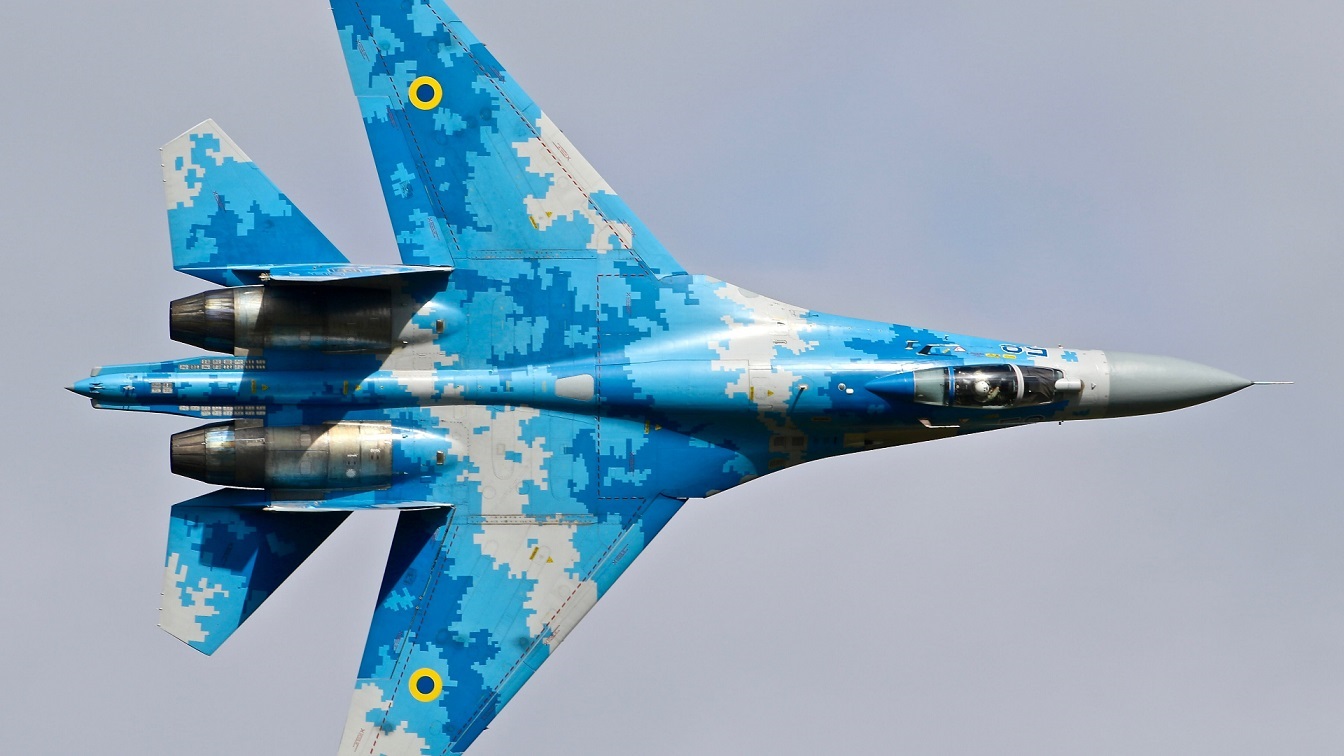
Russia’s invasion of Ukraine has resulted in the most sustained air-to-air combat in decades, pitting the Ukrainian Air Force’s prewar fleet of roughly 110 operational Soviet-era warplanes (not one purchased after the collapse of the Soviet Union) versus roughly 1,200 fixed-wing Russian Aerospace Force (VKS) combat aircraft, many relatively new and the rest extensively modernized.

Many observers (including this writer) believed this imbalance of power would result in a one-sided and short-lived contest when Russia invaded Ukraine on February 24.

But that’s not what happened: the Ukrainian Air Force wisely dispersed prior to the war. The Air Force sustained only modest losses from Russia’s initial airbase attacks. Meanwhile, Ukrainian warplanes were visibly fighting on day one.

A half year later, Ukrainian and Russian fighters continue to joust, mostly with long-range missiles, while both sides’ ground attack aviation remains active at low altitudes near the frontline. After heavy losses early in the war, neither side is willing to penetrate deep into enemy airspace.

Can India Defeat China and Pakistan’s Air-to-Air Missiles?

Girish Linganna

In June, India took an important step toward self-reliance by placing an order for the Astra Mk-1 beyond visual range (BVR) missile. BVR missiles can engage targets beyond a pilot’s visual range, which is typically about thirty-seven kilometers. The Astra Mk-1 has a range of 100 kilometers and a ceiling of twenty kilometers. It has satisfied all the consumers who intend to integrate them into their aircraft, including the Indian HAL Tejas multirole fighter. However, will this new capability give India an edge over Pakistan and China?

A Tall Order

Pakistan’s F-16 fighter jets are armed with U.S. AIM-120 advanced medium-range air-to-air missiles (AMRAAM). It is a fire-and-forget active transmit-receive radar guidance weapon with a range of over 100 kilometers capable of traveling at Mach 4 speed. In retaliation to the 2019 Balakot airstrike, Pakistan launched Operation Swift Retort where it fired the AIM-120 AMRAAM at six locations in Jammu and Kashmir.

The Taliban’s Triumph Has Been Afghanistan’s Tragedy

Mirwais Parsa

Afghanistan has long been a rentier state dependent on international aid. Aid has had a mixed impact on the long-run performance of the Afghan economy. From 2001 to 2021, the flow of aid undoubtedly shaped the contextures of a modern economy and bureaucracy, boosted a nascent but thriving civil society and private sector, and integrated Afghanistan’s economy into the world economy. Meanwhile, international assistance created a culture of dependency, increased systemic corruption, and hampered state legitimacy. Upon the collapse of the Afghan republic, international grants covered about 75 percent of the government’s public expenditures. Economic growth slowed with a gradual decline in international assistance starting in 2014, while poverty and unemployment kept rising. The pandemic and the intensified conflict in the later years of the republic had already led the economy to the brink of a collapse.

When the Taliban took over on August 15, 2021, Afghanistan became a pariah state. The country was isolated from the international financial markets, and its economy began a free fall. An absolute majority of the population lost its purchasing power due to loss of employment, distorted civil service salary payments, reduced household incomes (particularly for the female-headed households who are denied the right to work), and the suspension of development aid. Total domestic expenditure declined by 60 percent. More than 82 percent of households lost their wages, 18 percent of families resorted to the negative coping mechanisms of child marriage or child labor, and 7.5 percent of families started begging for survival. Of those still employed, at least 70 percent lost a significant portion of their incomes.

Spirals of Delusion How AI Distorts Decision-Making and Makes Dictators More Dangerous

Henry Farrell, Abraham Newman, and Jeremy Wallace

In policy circles, discussions about artificial intelligence invariably pit China against the United States in a race for technological supremacy. If the key resource is data, then China, with its billion-plus citizens and lax protections against state surveillance, seems destined to win. Kai-Fu Lee, a famous computer scientist, has claimed that data is the new oil, and China the new OPEC. If superior technology provides the edge, however, the United States, with its world class university system and talented workforce, still has a chance to come out ahead. For either country, pundits assume that superiority in AI will lead naturally to broader economic and military superiority.

But thinking about AI in terms of a race for dominance misses the more fundamental ways in which AI is transforming global politics. AI will not transform the rivalry between powers so much as it will transform the rivals themselves. The United States is a democracy, whereas China is an authoritarian regime, and machine learning challenges each political system in its own way. The challenges to democracies such as the United States are all too visible. Machine learning may increase polarization—reengineering the online world to promote political division. It will certainly increase disinformation in the future, generating convincing fake speech at scale. The challenges to autocracies are more subtle but possibly more corrosive. Just as machine learning reflects and reinforces the divisions of democracy, it may confound autocracies, creating a false appearance of consensus and concealing underlying societal fissures until it is too late.

Britain After Ukraine A New Foreign Policy for an Age of Great-Power Competition

Tom Tugendhat

Six months after Russian President Vladimir Putin’s unprovoked invasion of a European democracy, the West is awakening to a startling reality: the nation-state is back. The institutions built to constrain rogue actors are vulnerable, and technology has given autocracies new forms of leverage. Rather than the last gasp of nationalism, the attack on Ukraine shows the new direction of power.

Risks that were only possible now look probable. The Baltic states’ paranoia about Russia now seems well founded, and Finland and Sweden’s once vaunted neutrality no longer appropriate. Even Beijing’s threats against Taiwan look less performative and more preparatory.

The severity of the international response to Russia’s aggression is just as notable. For years, Moscow made clear its plans—cyberattacks on Estonia in 2007, the occupation of Georgia in 2008, the attack on Ukraine in 2014—but Europe and the West treated these events as business as usual. This time is different. Governments from Tokyo to Stockholm are proving their resolute support for Ukraine with military aid and unprecedented economic sanctions on Russia.

How to Teach Beijing a Lesson in Ukraine

Robert C. O’Brien

The world is becoming more dangerous. Russia’s war on Ukraine is entering its seventh month, while China has become increasingly aggressive toward Taiwan, with recent large military exercises around the island and the regular crossing by fighter jets of the median line that divides the Taiwan Strait. The lessons the Chinese Communist Party (CCP) learns from Moscow’s invasion of Ukraine will inform Beijing’s decision-making on Taiwan.

What could be called the Davos view that China is “communist in name only” is fading. In its place, an understanding of the strength of both ethnonationalist and Marxist-Leninist conviction among the Chinese leadership is taking hold. It was once common to believe that China would be transformed into a more liberal polity if the United States kept making concessions and ignored its unfair trade practices, intellectual property theft, and genocide—just the opposite has occurred. China has become more authoritarian and aggressive, especially over the past decade. The United States is now paying a price for its past naivete and tendency toward appeasement of Beijing.

Since Chinese President Xi Jinping and Russian President Vladimir Putin publicly embraced a “no limits” partnership on the eve of Russia’s invasion of Ukraine, there have been worries that Beijing would seize the moment to invade and annex Taiwan. Although the prospects of an immediate invasion are slim, with China distracted at home by economic crisis and the run-up to the critical 20th Party Congress, the threat remains.

MIT’s New Battery Will Change The World

Will Lockett

The future is battery-powered. All of our next-gen and planet-saving technology, like solar power and electric vehicles (EVs), require batteries to function. But as these brilliant pieces of technology become more widely adopted, we find that our current batteries aren’t quite up to the job. Lithium-ion, the most commonly used type of battery, is expensive, slow charging, bulky, fast to degrade, has a tendency to catch fire, and isn’t the kindest to the environment. Fortunately, MIT just created an entirely new type of battery that solves all of these issues in one fell swoop. So, is this the battery of the future? Or is there a catch?

When I say entirely new, I mean it. Every part of this battery uses different materials from anything currently available. Its electrodes (the parts at the ends of the battery which carry current into the circuit) are made from aluminium and pure sulphur rather than the complex metals and graphite electrodes of lithium-ion batteries. Its electrolyte (the part of the battery in the middle, which carries ions to and from the electrodes) is also different, being made of molten chloro-aluminate salts rather than the organic solution with lithium salts found in lithium-ion batteries.

The truth about Xi Jinping’s ‘One China’ policy


As the representative of Her Majesty’s Government in Beijing entered the room through the tall and heavy doors, he was met with a sight of Imperial splendour. At the far end of the glorious room were two comfortable chairs facing down the room, separated by a marble table on which sat a huge vase of flowers. The Chinese government representative sat impassively in one chair, while to his left, a harsh wooden bench stretched down the side of the room, occupied in strict hierarchy by various government functionaries numbering about 15.

The British minister took his seat in the other seat, his view of his counterpart blocked by the flowers, while his rather smaller contingent of officials began to occupy the parallel wooden bench, and not in any hierarchical order. And so the ceremony began: two formal speeches which had been agreed between the parties beforehand, and delivered to the mute officials on either side rather than to each other. Nobody else was allowed to speak, clap or express themselves in any way. The formal signing of a document would follow.

All very much what you would expect from an event held in the Qing dynasty, which was finally deposed in 1912. Except this was 2013 and I was the British minister. The emperor’s new clothes are being worn by the hard-nosed apparatchiks of the Chinese Communist party and in ways that go far beyond, and are far more significant, than the superficial conduct of ceremonies.

Some of the first troops into Afghanistan celebrate victories, lament failures

Michael Lee

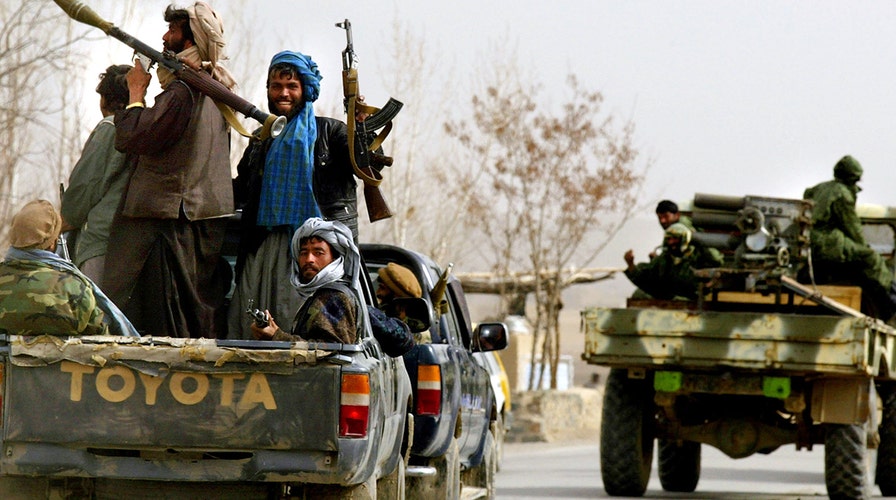
Americans involved in the 2001 invasion of Afghanistan took part in one of the most unique victories in U.S. military history, but some have expressed sadness over the way the war ended nearly 20 years later.

"There was no reason to leave Afghanistan… just like I don't believe there was any reason to leave Iraq at that time," Perry Blackburn, the founder of AFG Free and a former commander with 5th Special Forces group during the 2001 invasion of Afghanistan, told Fox News Digital.

Blackburn, one of the first veterans of America's longest war, expressed sadness over how the U.S. military effort in Afghanistan concluded, noting the people the U.S. left behind when it departed the country and arguing that American military power could have still helped bring about generational change in Afghanistan.

Lessons from history for the future of work

Robert C. Allen

Today is not the first time that people have worried that machines will render human labour obsolete, making a few very rich and the majority very poor.

Since the Industrial Revolution, mechanization has been controversial. Machines pushed up productivity, raising incomes per capita. But they threatened to put people out of work, to lower their wages and to divert all the gains from growth to the owners of businesses. The stocking-frame operators of Nottingham, UK (the Luddites), wrecked improved knitting machines that threatened their jobs. Mobs burnt down the first mills housing spinning and weaving equipment in the 1760s and 1790s.

Now, it is robots that threaten work, wages and equality1. Are the gains of technological progress destined to benefit only the top 1% of earners?

Economists' stock answer to this question is 'no'2. Technical progress in the past three centuries has led to incomes in the West (that is, the developed nations of today) that are much higher than they were in 1700 in real terms, and the fraction of the adult population employed in these countries is at record levels. Despite mechanization, automation and computerization, people have found jobs. Somehow the economy has always adjusted; somehow in the future it always will.

Six months into the war, what is the state of Russia's economy?

Andrey Ostroukh

Russia's economy has avoided the meltdown many predicted after Moscow sent its forces into Ukraine six months ago, with higher prices for its oil exports cushioning the impact of Western sanctions, but hardships are emerging for some Russians.

After predicting at one point that the economy would shrink more than 12% this year, exceeding the falls in output seen after the Soviet Union collapsed and during the 1998 financial crisis, the economy ministry now expects a 4.2% contraction.

High global energy prices have helped the Kremlin follow through on President Vladimir Putin's pledge in March to reduce poverty and inequality despite crippling Western sanctions and inflation. Some economists have compared the situation to the COVID-19 pandemic, when authorities increased payments for those most vulnerable to the crisis.

"So far, there are no signs that the drop in living standards could lead to unrest," said Alexei Firsov, founder of social studies think tank Platforma.

Marine Hone Future Concepts with Dune Buggies, Liaison Officers, and Many Radios

CAITLIN M. KENNEY

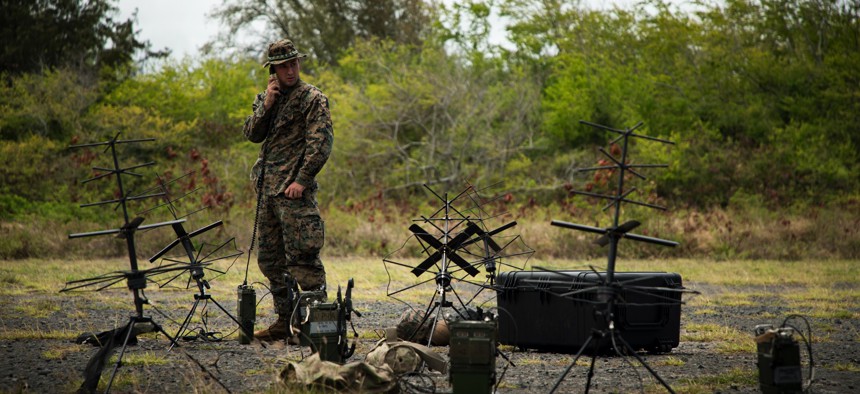
MARINE CORPS BASE HAWAII—For one senior leader in the Pacific, the changes coming to the way Marines fight were acutely demonstrated by the small teams zipping around in Polaris ATVs during a recent exercise.

Brig. Gen. Joseph Clearfield, the deputy commander of U.S. Marine Corps Forces Pacific, recalled how years ago he had to move around in Humvees or amphibious assault vehicles, and stop to put up a 30-foot antenna whenever he wanted to talk to the rest of his unit.

The commander of MAGTF-7’s battalion landing team “is running all around Oahu right now with four [ultra-light tactical vehicles], so these little dune buggies with four Marines each, and he's able to communicate on the move and do and have better capability than I did in 11, 12 years ago,” Clearfield said at the bi-annual Rim of the Pacific exercise, or RIMPAC, in July.

I’m a Ukrainian Soldier, and I’ve Accepted My Death

Artem Chekh

IVANKIV, Ukraine — Recently, one of the companies in our battalion returned from a mission in eastern Ukraine. When we saw our comrades a month earlier, they were smiling and cheerful. Now they don’t even talk to one another, never take off their bulletproof vests and don’t smile at all. Their eyes are empty and dark like dry wells. These fighters lost a third of their personnel, and one of them said that he would rather be dead because now he is afraid to live.

I used to think I had seen enough deaths in my life. I served on the front line in the Donbas for almost a year in 2015 and ’16 and witnessed numerous tragedies. But in those days the scale of losses was completely different, at least where I was. Each death was carefully fixed, investigations were conducted, we knew most of the names of the killed soldiers, and their portraits were published on social networks.

This is another kind of war, and the losses are, without exaggeration, catastrophic. We no longer know the names of all the dead: Dozens of them daily. Ukrainians constantly mourn those lost; there are rows of closed coffins in the central squares of relatively calm cities across the country. Closed coffins are the terrible reality of this cruel, bloody and seemingly endless war.

When Israel Struck Syria’s Reactor: What Really Happened – Analysis

Ehud Barak

When I joined Ehud Olmert’s government on June 18, 2007, as minister of defense, it was almost three months since planning of the destruction of the Syrian reactor in Deir az-Zor had begun (in late March). I was aware of this activity, having been briefed in late April about the reactor’s existence by Olmert, Mossad head Meir Dagan, and IDF head of intelligence Amos Yadlin. Asked for my opinion on what should be done, I answered on the spot: “We must destroy it.” This issue was why I insisted on entering the defense ministry as soon as possible. I assumed that the Israel Defense Forces (IDF) was deep into preparations to execute an operation, and I believed I could contribute to the operation’s success.

Two Flawed Plans

On my first day at the ministry (I had already served as defense minister alongside my premiership, 1999-2001), I convened a “status of operation” discussion with participation of all relevant operational arms—Intelligence, Mossad, and Air Force (IAF), as well as experts on nuclear reactors. The two operational plans for the reactor’s destruction on which the Air Force and others had been working were presented to me in full detail. The prevailing view in the room, as well as the conventional wisdom in the Prime Minister’s Office, was that of an urgent, immediate need to implement the plan, preferably within a week or two. It was also perceived as critical to proceed swiftly lest our awareness of the reactor’s existence became public, which would significantly complicate its destruction, and before the reactor became “hot” and rendered the operation impractical. There was a general unanimity regarding the need “to destroy the reactor and avoid a wider clash with Syria.” To my surprise, I found that both plans, quickly nearing “D-day,” failed to meet these requirements.

A Reminder that the position of Under Secretary for Public Diplomacy and Public Affairs actually exists

MATT ARMSTRONG

Since 2011, I have been tracking the ridiculously short tenures of the Under Secretary of State for Public Diplomacy and Public Affairs. By the way, the average tenure is 517 days, and the median tenure is 477 days. I also tracked how often the office was empty, which was equally if not more critical since senior positions can be stressful and some churn might be expected. For example, in December 2011 when my staff at the Advisory Commission for Public Diplomacy and I first looked at the Under Secretary turnover, for the six Under Secretaries for Public Diplomacy and Public Affairs since 1999, there had been five Under Secretaries for Political Affairs in the same period. However, as of December 2011, the political affairs office lacked a confirmed appointment to the office 5% of the time, a stark difference from the public diplomacy office being empty 30% of the time. What follows is far less commentary than my June 2021 post reminding people the office was empty.

Today, there has not been a confirmed appointment to the position of Under Secretary of State for Public Diplomacy and Public Affairs over 44% of the days since the position was first occupied in October 1999. Imagine if a division president was absent nearly seven months of every year in the corporate world. I’ll leave aside that each new Under Secretary brings a new concept of how the office should be run, which led to a now largely forgotten (because fewer now care?) parlor game of wondering how the new Under Secretary would redefine “public diplomacy.”

4 September 2022

China's psychological war for Taiwan

Paul Szoldra

Taiwanese military radar operators deserve a raise following U.S. House Speaker Nancy Pelosi’s (D-Calif.) trip to Taipei in early August. More foreign delegations are coming, and the radar screen may be busy for a while.

China, which has long vowed to “unify” the tiny island democracy situated about 100 miles from its shores, has been conducting regular flights into Taiwan’s air defense identification zone (ADIZ) throughout the month. According to Radio Free Asia, two of those sorties featured strategic bombers with nuclear strike capability. And dozens of Chinese aircraft and several ships were seen operating around Taiwan this past weekend, its defense ministry said.

SO TODAY, I’m unpacking China’s saber-rattling toward Taiwan and its meaning. The good news is that these sorts of moves are mostly bluster from China, and an invasion isn’t likely to happen soon. It’s psychological warfare meant to intimidate the U.S. and Taiwan—and those radar operators are certainly feeling the strain.

A Draft for Russia’s Army? Putin Opts for Domestic Stability Instead.

Anton Troianovski

President Vladimir V. Putin says Russia is fighting for its very existence in Ukraine, taking on a country that is conspiring with the West to destroy his nation. In high-octane talk shows on state television, the war is presented as a continuation of the Soviet Union’s fight for survival against Nazi Germany.

But if the battle is existential, the Kremlin’s actions do not bear that out. Six months into the biggest land war in Europe since World War II, Russia continues to wage it with a military that is essentially at peacetime strength — even as the invasion’s loudest cheerleaders increasingly clamor for Mr. Putin to declare a draft and put his nation on a war footing.

The debate over a draft has grown more urgent in recent weeks as Ukraine has gained momentum on the southern front and the killing of an ultranationalist commentator in a car bombing outside Moscow has magnified the voices of Russia’s most radical hawks. To those hawks, the Kremlin — which continues to refer to the war as a “special military operation” and insists it is going “according to plan” — is underestimating the enemy and lulling Russian society into a false sense of security.

Ukrainian Soldiers Say They Are Advancing in the South, but at a Cost

Matthew Luxmoore

Ukrainian army units pushing toward Kherson in the south are retaking ground held for months by Russia’s invading troops amid extremely fierce fighting, according to Ukrainian soldiers taking part in the offensive.

The Ukrainians said that Russian soldiers seemed well-equipped and were putting up stiff resistance.

“They’re throwing everything against us,” said a 22-year-old Ukrainian soldier who said Russians were fighting with artillery, tanks, helicopters and mortars. “They have a lot of equipment but few men.”

Interviews with eight soldiers who took part in fighting—and were being treated for injuries at a hospital behind the front lines—offered the most detailed on-the-ground picture yet from an offensive that Ukraine hopes will help it seize the initiative in the conflict and show its Western backers, and its own people, that its military can take on Moscow’s army and win.

US war-gamed with Ukraine ahead of counteroffensive and encouraged more limited mission

Katie Bo Lillis and Natasha Bertrand

Washington (CNN)In the buildup to the current Ukrainian counteroffensive, the US urged Kyiv to keep the operation limited in its objectives and geography to avoid getting overextended and bogged down on multiple fronts, multiple US and western officials and Ukrainian sources tell CNN.

Those discussions involved engaging in "war-gaming" with Kyiv, the sources said -- analytical exercises intended to help the Ukrainian forces understand what force levels they would need to muster to succeed in different scenarios.

The Ukrainians were initially considering a broader counteroffensive, but narrowed their mission to the south, in the Kherson region, in recent weeks, US and Ukrainian officials said.
Pentagon spokesperson Brig. Gen. Pat Ryder told CNN that "the United States has routine military-to-military dialogue at multiple levels with Ukraine. We will not comment on the specifics of those engagements. Generally speaking, we provide the Ukrainians with information to help them better understand the threats they face and defend their country against Russian aggression. Ultimately, the Ukrainians are making the final decisions for their operations."

Officials say they believe there is now increased parity between the Ukrainian and Russian militaries. But western officials have been hesitant to label the nascent Ukrainian operation -- which appeared to begin on Monday in the southern province of Kherson -- a true "counteroffensive."

How successful Ukraine is likely to be in regaining lost territory remains an open question, sources familiar with the latest intelligence tell CNN. Ukrainian officials have already said this offensive will likely be a slow operation, and punishingly cold winter weather is coming and then an early spring mud, both of which could force pauses in the fighting.

Still, there is a distinct feeling amongst Ukraine's US and western advisers that the Ukrainian military is on much more even footing with Russia than was believed even just a few short months ago, multiple officials told CNN. Russia still maintains superior numbers in overall manpower and massed artillery.

But Ukrainian capabilities, bolstered by sophisticated western arms and training, have closed an important gap, officials say -- particularly the High Mobility Artillery Rocket Systems, or HIMARS, that Ukraine has been using to launch attacks behind Russian front lines in recent months.

"It shows you what the sustained training and weapons provision can do when the force is highly motivated and capable in its employment," a senior NATO official told CNN.

Another US military source put it more bluntly: Ukraine has made up for Russia's advantage in sheer volume of fire with its "competence."

Growing momentum

Ukraine has been publicly signaling for months that it intended to launch a major counteroffensive to retake territory lost to Russia in the six-month war. And even before Monday, when Ukrainian forces began increasing their artillery rocket and missile fire on the frontlines in southern Ukraine, Kyiv had been actively disrupting Russian resupply efforts and command and control across the region.
For weeks, Ukraine has used a mix of partisan supporters, long-range fire and special operations forces to launch a series of attacks far behind Russian lines -- including in Crimea -- that have targeted logistics and command and control hubs in preparation for the southern offensive.

"I don't think it's possible yet to confirm the extent of Ukrainian advances, but they've certainly impacted Russia's ability to move north and south across [the Dnieper River] with their attacks on bridges," the senior NATO official said on Wednesday. "And in terms of future prospects, I'd note that Ukraine is much closer to parity in troop numbers in Kherson than it has been in recent weeks" in the country's eastern provinces, where fighting has ground on for months.

One official said that attacks in Crimea have been a particularly smart strategy because Russia has been using the peninsula as a launchpad for its operations in southern Ukraine.

Russia has also been forced to pull resources from the east "simply because of reports that the Ukrainians might be going more on the offense in the south," John Kirby, the communications coordinator for the National Security Council, said on Monday.

"And so they've had to deplete certain units ...in certain areas in the East in the Donbass, to respond to what they clearly believed was a looming threat of a counter offensive," Kirby said.

A narrower mission
US and Ukrainian sources tell CNN that earlier plans for the Ukrainian operation were initially broader, and involved a more ambitious effort to regain other territory lost to the Russian invasion over the last six months, including the southeastern oblast of Zaporizhzhia.

But by Monday, Ukrainian officials appeared laser-focused on retaking the Kherson region.
An administration official told CNN that Ukraine has been asking the US for weapons specifically suited to their planned southern counteroffensive in recent months. The US fulfilled many of those requests -- including additional ammunition, artillery and javelins -- over the course of several presidential drawdown assistance packages provided to Ukraine over the last two months, the official said.

The planning exercises also helped the United States better grasp what kind of equipment, munitions or intelligence it could offer that would be most useful to Ukraine. Over the course of the war, the US has been regularly providing Ukraine with military advice and intelligence, along with billions of dollars in equipment and weaponry.

'A slow operation to grind the enemy'

Officials say that Ukraine now appears more evenly matched with Russian forces not only because of the advanced western weaponry that Ukraine has been using effectively, but also because the Ukrainians still have the advantage in terms of morale, unit cohesion, tactical acumen, and a superior ability to improvise on the fly.

They have another advantage, too, two officials said: a population that is largely appalled by the Russian occupation, and willing to engage in partisan attacks to expel them -- such as assassinations and sabotage efforts behind enemy lines.

Still, despite a more bullish assessment of Ukrainian fighting capabilities, US officials aren't making any bets that Ukraine will successfully retake Kherson.

"I'm not sure this is going to be the big, massive counteroffensive that folks might be waiting on — it might be a smaller number of forces," the US military source cautioned. Much will depend on how well Russia is able to defend newly-claimed territory, the source said—something that it has not yet been called upon to do in the last six months.

A Ukrainian presidential adviser also warned that the offensive will be a "slow operation to grind the enemy."

"This process will not be very fast," Oleksiy Arestovych, an adviser to the Head of the Office of the President of Ukraine, said in a statement posted on his Telegram account late Monday, "but will end with the installation of the Ukrainian flag over all the settlements of Ukraine."

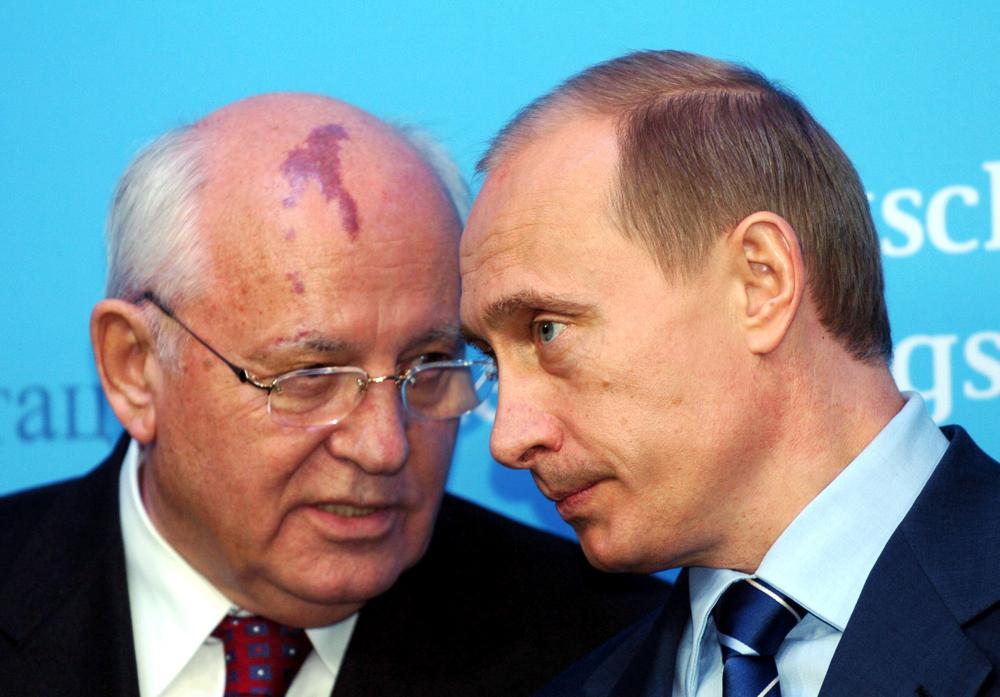
History’s bookends: Putin reversed many Gorbachev reforms

ANDREW KATELL

NEW YORK (AP) — One stood for freedom, openness, peace and closer ties with the outside world. The other is jailing critics, muzzling journalists, pushing his country deeper into isolation and waging Europe’s bloodiest conflict since World War II.

Such are history’s bookends between Mikhail Gorbachev, the Soviet Union’s last leader, and Vladimir Putin, Russia’s president.

In many ways, Gorbachev, who died Tuesday, unwittingly enabled Putin. The forces Gorbachev unleashed spun out of control, led to his downfall and the Soviet Union’s collapse.

Since coming to power in 1999, Putin has been taking a hard line that resulted in a near-complete reversal of Gorbachev’s reforms.

When Gorbachev came to power as Soviet leader in 1985, he was younger and more vibrant than his predecessors. He broke with the past by moving away from a police state, embracing freedom of the press, ending his country’s war in Afghanistan and letting go of Eastern European countries that had been locked in Moscow’s communist orbit. He ended the isolation that had gripped the USSR since its founding.

To China’s fury, UN accuses Beijing of Uyghur rights abuses

KEN MORITSUGU and JAMEY KEATEN

BEIJING (AP) — The U.N. accused China of serious human rights violations that may amount to “crimes against humanity” in a long-delayed report examining a crackdown on Uyghurs and other mostly Muslim ethnic groups. Beijing on Thursday denounced the assessment as a fabrication cooked up by Western nations.

Human rights groups have accused China of sweeping a million or more people from the minority groups into detention camps where many have said they were tortured, sexually assaulted, and forced to abandon their language and religion. The camps were just one part of what the rights organizations have called a ruthless campaign against extremism in the far western province of Xinjiang that also included draconian birth control policies and all-encompassing restrictions on people’s movement.

The assessment from the Geneva-based U.N. human rights office was released in the final minutes of High Commissioner for Human Rights Michelle Bachelet’s four-year term. It largely corroborated earlier reporting by researchers, advocacy groups and the news media, and it added the weight of the world body to the conclusions. But it was not clear what impact it would have.

U.N. Says China May Have Committed ‘Crimes Against Humanity’ in Xinjiang

Nick Cumming-Bruce and Austin Ramzy

GENEVA — In a long-awaited report released on Wednesday, the United Nations’ human rights office accused China of serious human rights violations that “may constitute international crimes, in particular crimes against humanity,” in its mass detention of Uyghurs and other predominantly Muslim groups in its far western region of Xinjiang.

The assessment was released shortly before midnight in Geneva and minutes before Michelle Bachelet, the U.N. high commissioner for human rights, was set to leave office.

The release ended a nearly yearlong delay that had exposed Ms. Bachelet and her office to fierce pushback by rights groups, activists and others who had accused her of caving to Beijing, which had sought to block the report.

Tiger can’t slouch in face of menacing dragon

Ajai Sahni
Source Link

The docking of the Chinese surveillance vessel Yuan Wang 5 at Hambantota Port in Sri Lanka, is, in itself, of little significance. Chinese submarines and a warship had earlier docked in the Colombo Port in 2014, with little lasting ramification.

As part of a wider strategy of dominance, testing the waters for a ‘nibbling expansion’, however, such events have critical consequences, unless India evolves a blueprint to effectively counter China’s persistent intent, as well as the growing resources it brings to the contest.

China seeks ‘a powerful and strong two oceans layout’ in the Pacific and Indian Oceans for its People’s Liberation Army Navy (PLAN), strong enough to challenge both the US and Indian dominance in the region. It uses the Belt and Road Initiative (BRI) and its debt trap diplomacy as strategic instrumentalities to this end.

It is useful to recall the trajectory of the Doraleh Base at Djibouti, which started as a commercial and logistics base in 2017. The pressure of debt forced Djibouti to allow the establishment of a full-fledged military hub. China’s debt trap strategy, compounded by Beijing’s rising military power, is likely to force many weak states to eventually concede similar facilities. China has already established a presence—principally civilian but potentially military—in Pakistan’s Gwadar and Keti Bandar (Karachi) ports, Bangladesh’s Chittagong Port, the Maldives’s Feydhoo Finolhu Port, Cambodia’s Sihanoukville Port, Myanmar’s Kyaukpyu Port and Thailand’s Laem Chabang Port. In March 2021, China signed a $400-billion deal with Iran, and alarms have been raised about Tehran being ensnared in a potential debt trap as well. Beijing may then secure multiple berths at Iranian ports, potentially hemming in the Chahbahar Port developed by India.

‘No Dumb Questions’: Is there a climate change silver bullet?

Dave Levitan,  Jake Garcia, and Tom Nagorski

Climate change is of course a vast problem — global in scope, involving every aspect of society and concerning nothing less than the future of the planet. Given that, it’s not surprising that policymakers and millions of ordinary people crave easy or quick solutions.

In January, Grid’s Climate Reporter Dave Levitan joined forces with Grid’s data visualization team for a look at roughly a dozen measures, from grand-scale change (meeting all the Paris Agreement pledges, weaning all Americans off fossil fuels, among others) to smaller-scale policy prescriptions (cuts in cement and steel production, and limits on deforestation), to assess the relative difference such measures would make, if any or all were implemented. It was at once a hopeful and sobering look — all under the heading of what Levitan called “paths to a cleaner, cooler world.”

This week, in our video series “No Dumb Questions,” Levitan takes up a fundamental question about the climate crisis and possible ways to mitigate against its effects: “Is there a climate change silver bullet?”