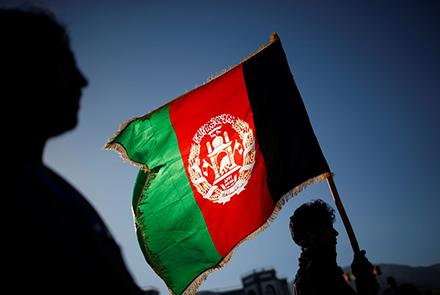
Despite the Afghan government’s attribution, the Taliban’s denial of the Kabul maternity hospital attack indicates the group’s efforts to distance itself from indiscriminate violence against civilians fearing negative political outcomes ahead of the expected peace talks.
Terrorism is communicative violence that draws attention to perpetrating groups’ ideological narratives. Beyond the terrorist outfits’ use of the violence to kill or maim, there is their need to highlight their political grievances and demands through intimidation. Yet, the empirical data indicates that majority of the terrorist attacks go unclaimed; only one in seven attacks is claimed by the terrorist groups. Attacks are claimed if the expected political outcomes are positive and vice versa.
In May, two high-profile attacks in Afghanistan targeting a maternity hospital in Kabul and a mosque in central Parwan province went unclaimed. Though the Afghan government blamed the Taliban, the group has denied responsibility. Contrary to the Afghan government’s allegations, the US blamed the Islamic State of Khorasan (ISK) for the attack.
Why Some Attacks Remain Claimed
The terrorist groups are less likely to claim attacks which target the civilians ahead of major political developments such as ceasefire agreements or peace negotiations. Indiscriminate violence against civilians carries more political risks as compared to selective violence against military targets.