JOHN GRADY
The “secret sauce” for Special Operations Command in quickly closing capability gaps is its acquisition executive, its top general told a House panel Wednesday.
Army Gen. Bryan Fenton said “that’s first and foremost” the difference between SOCOM and other major commands. He added, “and [the executive] works for us” using the authorities given by Congress to the command in how it can spend money and cooperation with contractors.
“We bring industry forward with us into theater,” he told the House Armed Services Intelligence and Special Operations subcommittee.
To guarantee speed and agility under those circumstances, Fenton added, “we’re willing to work as fast as industry.” The example he used came from developing counter-unmanned aerial system (UAS) defenses.
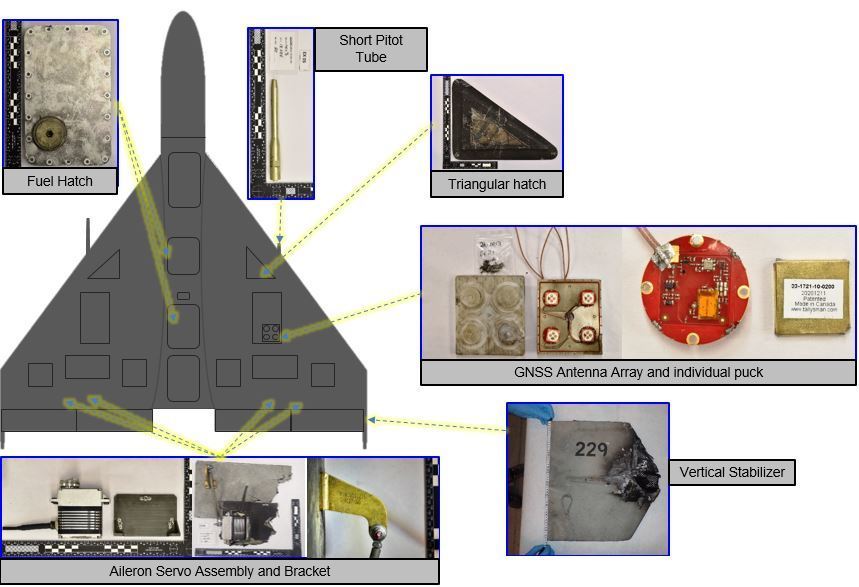
The need for these defenses is urgent and growing as groups like the Houthis in Yemen use advanced unmanned systems in their attacks. Three American soldiers were killed in Jordan in late January in a drone strike on an outpost monitoring the Syrian civil war and the continuing presence of ISIS.
Fenton called UAS threats a “scourge,” and said SOCOM is partnering with Central Command in a layered defense across the Middle East to not only “sense” the threat, but also “to defeat and destroy.” He said the command has learned much on UAS offensive and defensive operations from the war in Ukraine.
In prepared testimony, he and Christopher Maier, assistant secretary for Special Operations/Low-Intensity Conflict, said the command “is a trailblazer for data-driven decision-making to both inform and execute our service-like and combatant command responsibilities, focused on the talent, architecture and processes needed to capitalize on data and Artificial Intelligence (AI)-related technologies.”