23 November 2022

The Attack on America’s Future Cyber-Enabled Economic Warfare

Samantha F. Ravich and RADM (Ret.) Mark Montgomery

Introduction

In 2018, the Foundation for Defense of Democracies (FDD) published a series of monographs analyzing cyber-enabled economic warfare (CEEW) as practiced by Russia, China, North Korea, and Iran. The four studies brought together for the first time an assessment of each adversary’s CEEW attacks on America’s economic infrastructure. At the time, the term CEEW was only beginning to seep into the consciousness of the U.S. national security community. The White House had used the term in its 2017 National Security Strategy, noting how adversaries are using technology to “weaken our businesses and our economy.”1 But the connection between such malicious activities and the overall strategies of America’s four principal adversaries remained unclear.

The risks associated with CEEW are now clearer, thanks less to the rigorous analysis of adversarial intentions than to the increased scale, scope, and frequency of attacks across the American economic landscape. Still, the federal government has a blind spot that leaves the United States vulnerable to a catastrophic strategic surprise — one that could simultaneously destabilize the U.S. electrical grid, water supply, banking system, transportation sector, or other critical infrastructure necessary for survival. That blind spot is intelligence that anticipates the adversary’s strategy. For too long, the United States has tried to patch its way to safety with the enemy inside its networks.

Roberta Wohlstetter’s 1962 book Pearl Harbor: Warning and Decision warns of the perils of missing “a particular enemy move or intention” amidst a vast amount of intelligence.2 The book has remained relevant over the decades as the United States successfully avoided a thermonuclear surprise attack by the Soviets, on the one hand, but failed to anticipate jet planes flying into skyscrapers, on the other. Wohlstetter informed generations of Cold War and counterterrorism intelligence analysts that signals not only must be gathered and illuminated to inform policymakers but must also be broken down and dissected to help guide future intelligence collection. Only then can the United States decipher the enemy’s decision-making structures and gain insight into the adversary’s larger strategic plan.

LESSONS FOR TAIWAN FROM UKRAINE

SASCHA GLAESER

KEY POINTS

The Russo-Ukraine war is analogous in several ways to a hypothetical war between China and Taiwan. Like Ukraine, Taiwan is a relatively weak state, threatened by a neighboring great power with a sizable nuclear arsenal who makes historical claims to its territory, and has some backing from the United States. Ukraine’s experience provides several lessons for Taiwan.

War remains an instrument of statecraft that great powers use in pursuit of their perceived national interests; smaller, weaker states should plan accordingly. In Taiwan’s case, that means a continuation of the status quo which has helped provide peace for decades.

Taiwan should assume the United States will not engage in direct conflict with China on its behalf. This assumption should encourage Taiwan to focus its military strategy on securing an advantage by acquiring more anti-access, area-denial capability and reforming its reserve force to help it deter or resist an invasion.

While Ukraine shows Taiwan could expect an outpouring of global humanitarian and military aid if attacked, its island geography and the likely course of the war means it might not manage to receive or access those supplies, and should therefore maintain strategic stockpiles of weapons, ammunition, food, fuel, and other supplies.

The Naval War

Seth Cropsey

Ukraine’s victory in Kherson Oblast has confirmed the centrality of sea access in the war with Russia. As Ukraine plans its next move, and Russia responds to Ukraine’s advances, Western policymakers must prioritize Ukraine’s victory at sea, and ensure that Kyiv has the tools it requires to break Russian sea control. Like World War II’s struggle for the continent the Ukraine War may be fought on land, but it can be won at sea.

The Russian retreat from Kherson demonstrates the effectiveness of Ukraine’s operational approach. Ukrainian troops never conquered Kherson, replicating the vicious urban assaults that have defined the Russian invasion. They instead played to their strengths, patiently eroding Russia’s position with long-range artillery strikes against supply depots and logistical hubs. This strategy won the Battle of the Donbas, halting the apparently overwhelming Russian onslaught at Severodonetsk/Lysychansk. It also ultimately won the Kherson Offensive. In both cases, Russian forces became too degraded to undertake effective offensives.

Unlike in the Donbas, however, Ukraine could present Russia with an operational dilemma. Right-bank Kherson Oblast held political and strategic importance, as the key to the Crimea Canal, the area in which a newly annexed Russian Oblast’s ostensible capital was and is still located, and as the most viable staging point for new offensives. But maintaining a stable position in Kherson required around 20,000 soldiers at any given time, complete with heavy artillery, armored vehicles, and the requisite ammunition and supplies to fight, even from static lines.

US approves arms sales to Switzerland, Lithuania and Belgium

Zamone Perez

WASHINGTON — The U.S. State Department cleared $700 million in a possible foreign military sale to Switzerland, along with other sales to Lithuania and Belgium, as the neutral European country works to modernize its Air Force by 2030.

Switzerland now has approval to purchase up to 72 Lockheed Martin-made Patriot Advanced Capability-3 Missile Segment Enhancement missiles. The agreement also includes related launching technology as well as logistics and technical support, according to the Defense Security Cooperation Agency.

The missiles will improve Switzerland’s Patriot air defense system, which is used to defend the country’s territorial integrity, DSCA said in a statement Tuesday.

Switzerland has worked to revamp its air defense capabilities over the past few years. Since 2018, the government has set a goal of acquiring aircraft and ground-based missiles for more than $8 billion. The Patriot missiles were among the weapons on its short list.

Keith B. Payne, Tilting at Windmills: Nuclear Disarmament Advocacy in an Anarchic World Order, No. 540, November 22, 2022

Dr. Keith B. Payne

Introduction

Nuclear weapons and deterrence once again are in the daily spotlight given Moscow’s recent excessive use of nuclear threats in its war against Ukraine. After seemingly disappearing from public consciousness following the end of the Cold War, public commentary on nuclear weapons and deterrence is once again flourishing. Immediately following the peaceful end of the Cold War, many leaders, academics and commentators were convinced that a “new world order” was emerging—one in which nuclear weapons would play little if any role and great power wars would be a thing of the past. A common theme emerged in the commentary offered by many churches and nuclear disarmament advocates that the solution to the threat of nuclear war is global nuclear disarmament. This theme continues to dominate activism on behalf of the contemporary nuclear ban treaty.[1]

The typical advocacy for nuclear disarmament, past and present, begins with a graphic description of the horrors of nuclear war to capture attention and support, and from that starting point quickly moves to the claim that because nuclear war would be horrific beyond description, nuclear weapons must, and can be eliminated if leaders can be pressed to muster the good sense to eliminate them.[2] This long-standing approach to the policy argument includes advocacy of nuclear disarmament as the solution to the threat of nuclear destruction. The general thrust of this argument is that nuclear weapons are so destructive that it should be self-evident to all rational leaders that they must accept and advocate for nuclear disarmament.

US Army weighs multiyear contracts for munitions to aid Ukraine

Jen Judson

WASHINGTON — The Army is weighing which munitions programs are best suited for multiyear contracts should Congress approve these authorities to replenish supplies sent to Ukraine.

Bipartisan legislation introduced in the Senate would grant the Pentagon wartime procurement powers, allowing it to use multiyear contracts to buy massive amounts of high-priority munitions to help Ukraine fight Russia and refill U.S. stockpiles.

The proposed legislation is an amendment to the annual defense authorization bill and was offered instead of the critical munitions acquisition fund sought by the Pentagon and some lawmakers but rejected by Senate appropriators.

The munitions programs most likely to see this approach would be ones the service is already buying at large scale and with hot production lines, Doug Bush, the Army’s acquisition chief, told reporters Monday.

How Can We Do What We Do Better?

Flavius Belisarius

The first thing to keep in mind is there are over 5,000 years of recorded military history, starting with the battle of Kadesh. Second, each generation studying and engaging in the science and art of warfare suffer from amnesia. The third thing to keep in mind is one can over-think, just like one can over-engineer.

The fear of failure is real and understandable. If we get things wrong in the profession of arms, people die, wars are lost and national interests are compromised. Fear of ignorance is more complex. In the profession of arms, it surfaces in professionals not wanting to admit they either don’t know something, how something works or what will happen next. Often the “wiz-kids” who have great ideas and/or workable & actionable theories are often shut down. The reasons are many: Fears of being professionally shown-up, embarrassment of not coming up with the bright idea or theory sooner or the sense of being reputationally challenged. There are more, but these illustrate the point.

The Once and Future Reformer

What does reform actually mean in the professional sense? In bureaucratic circles, “reform” can be a nasty word for anything that challenges a status quo or forces less-proficient practitioners to step out of their comfort zones. Seniors sometimes say we need it. Most don’t want to go down that road. Why? Because there usually isn’t enough clarity about what needs to be reformed and why? How many times has someone said, “We need to get back to the basics?” “Think outside of the box?” “We need to tear down silos.” All are valid points, if you know what basics require attention and the actual dimensions of the box. Reformers whose theories were successfully exploited by our opponents or otherwise proven effective are often praised by later generations who ask why they weren’t their voices heard before the war or national crisis. The reason is the profession of arms can be a treacherous beast, especially when it comes to what I mentioned above – fear of the unknown or insecurity over a challenge to “conventional wisdom.”

Thoughts on Xi Jinping’s Third Term

KAWASHIMA Shin

Xi Jinping’s third term as general secretary of the Chinese Communist Party (CCP) has begun. Xi’s own speech and the personnel announcements made to date have exhibited a strong emphasis on national security to further strengthen control over Chinese society, while persuading CCP members and the Chinese people, including minority groups and the Taiwanese, to share the same “dream.” Moreover, although the unity required for this has also been a point that Xi has emphasized, personnel announcements have made it evident that this “unity” is not defined by diversity, but rather by everyone facing the same direction and supporting Xi Jinping.

Here are some takeaways from Xi’s speech and the personnel announcements.

First, the general secretary system has been favored over the party chairmanship system, meaning a collective leadership system was maintained. Almost all members of the CCP Central Committee are now people believed to belong to Xi’s faction, and none of the Central Politburo members are women. This is perhaps to show that unity means belonging to the Xi faction. However, although the decision-making process of CCP personnel affairs has always been opaque, it is even more so this time. One example: The number of Central Politburo members is now 24, one less than the usual 25.

Will the new US Congress still pay for its Pacific promises?

JESSICA COLLINS

After more than a week of waiting, the Republican Party finally got over the line to win control of the US House of Representatives. It was somewhat of an expected outcome, even if not the “red wave” as predicted by pundits, but still one that can frustrate Biden’s agenda and the passage of legislation. For matters of foreign policy, this could include the “first ever” Pacific Partnership Strategy announced earlier this year, tipped to cost US$810 million. The fate of this most recent bout of Pacific promises from the United States government will be watched closely in the region.

Just two months ago, in response to a more assertive and active China in the Pacific, the Biden administration invited Pacific Island leaders to Washington to participate in a US-Pacific Island Country Summit. Biden used the meeting to commit to broader regional engagement, recognising the United States’ relative neglect of Pacific Island countries over the decades.

The resulting Pacific Partnership Strategy came laden with many promises. Highlights included opening new embassies in Solomon Islands, Tonga and Kiribati as well as a regional mission for the US Agency for International Development (USAID) in Fiji. A plan was announced to appoint a US envoy to the Pacific Islands Forum and expand the Peace Corps presence across the region.

‘Tyranny and turmoil’ in Russian invasion, US defense secretary says

Rob Gillies

HALIFAX, Nova Scotia — U.S. Defense Secretary Lloyd Austin warned Saturday Russia’s invasion of Ukraine offers a preview of a world where nuclear-armed countries could threaten other nations and said Beijing, like Moscow, seeks a world where might makes right.

Austin made the remarks at the annual Halifax International Security Forum, which attracts defense and security officials from Western democracies.


“Russia’s invasion offers a preview of a possible world of tyranny and turmoil that none of us would want to live in. And it’s an invitation to an increasingly insecure world haunted by the shadow of nuclear proliferation,” Austin said in a speech.

Ukraine Is Getting Nervous About Elon Musk

PATRICK TUCKER

HALIFAX, Canada—Starlink's satellite-based internet hotspots have been the "signal of life" for beleaguered Ukrainians, but the unpredictable behavior of CEO Elon Musk has the Ukrainian government looking for alternatives, a deputy prime minister said.

As well, Musk's drastic changes at Twitter have Kyiv worried that the social-media platform will become a “major source” of media manipulation, Olha Stefanishyna, Ukraine’s deputy prime minister for European and Euro-Atlantic integration told reporters at the Halifax International Security Forum here.

Stefanishyna said the Ukrainian government had begun procuring “some elements of equipment"—mostly European, but she also said she was working with American partners. These Starlink alternatives are “not as sophisticated" but are “something that would allow us to substitute and to make sure that at least at the level of the government communications and government connection, we preserve the sustainability.”

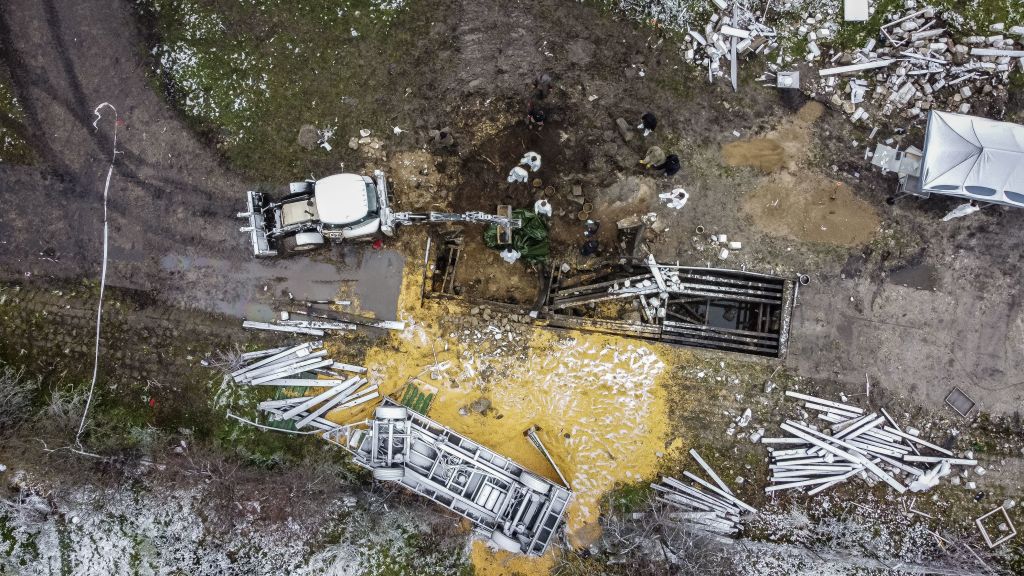
The missile attack that wasn’t


The rocket strike that killed two Poles near their country’s border with Ukraine on 15 November proved to be a test not so much of defence policy as of the information policy of Poland, Ukraine and NATO. Only the Americans passed. The European allies and Ukraine floundered, revealing a shocking lack of preparation for a scenario that could have been predicted almost from the beginning of the war.

Poland is the largest country on NATO’s eastern flank and serves as the most important logistical hub for a war that concerns almost the whole world. Firmness and unity on the part of the West are essential to Ukraine’s defence and Russia’s defeat, which may decide the fate of the world for decades. Tuesday’s explosion in Poland, however, surprised everyone except the United States, and triggered an astonishing sequence of events, driven by astonishing bungling.

Poles learned about the rocket impact, which took place at 3.40 pm, a little before 8.00 pm from the Associated Press. The Polish government remained silent until after midnight, when the foreign ministry issued a statement claiming that the incident involved a ‘Russian-produced missile’ and demanding an explanation from Russia’s ambassador. The government placed some military units on combat alert.

Israel must reclaim its Arab citizens

MARK DUBOWITZ, JONATHAN SCHANZER

The rise of right-leaning candidates in Israel’s November 1 election has been derided by a gaggle of breathless commentators, notably The New York Times’ Thomas Friedman, lamenting the end of Israel as we once knew it. First, it should be noted that such prognostications are wildly premature; Israel’s government has yet to be formed. Moreover, it’s worth noting what these observers have until now ignored: the elections were heavily influenced by the 11-day war in May 2021, also known as Operation Guardian of the Walls.

Amid heavy rocket fire by the Iran-backed terrorist group Hamas, significant numbers of Arab-Israeli citizens staged a series of riots, attacking Israeli homes, schools, synagogues and hospitals. A little more than a year later, with troubling questions still lingering about coexistence, votes gravitated to the pugilistic law-and-order campaign of the Religious Zionist bloc led by Bezalel Smotrich and Itamar Ben-Gvir.

Scrap the Iran nuclear deal once and for all

DAVID ALBRIGHT AND HENRIK F. RASMUSSEN

Rapper Toomaj Salehi, actress Nazanin Boniadi, and the daily witness of thousands of like-minded Iranians rising up for freedom and dignity have made it clear that now is not the time to revive a nuclear deal that would entrench and legitimize Iran’s current regime.

The killing of 22-year-old Mahsa Amini by security forces in September laid bare the oppressiveness and brutality of Iran’s rulers, especially toward women. The regime’s willingness to kill protestors astounds, as an increasing number of teenage girls are killed for little more than voicing their opinions of how they want to dress. The United States and the European Union have responded to these human rights abuses with stronger sanctions. European decision-makers soon may follow America’s lead in classifying the Islamic Revolutionary Guard Corps as a terrorist organization. This is the exact opposite of what Iran would demand in exchange for a revival of the 2015 nuclear deal, the so-called Joint Comprehensive Plan of Action (JCPOA).

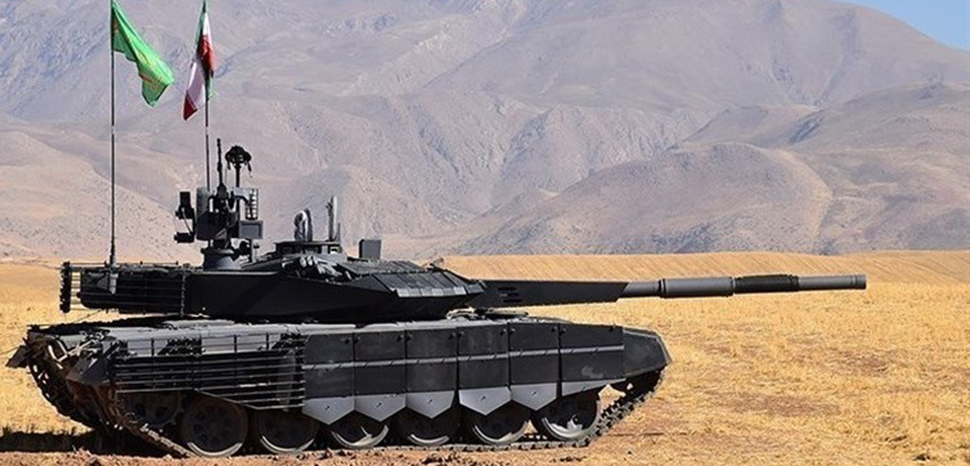
Then there are the Iranian drones in Ukraine, killing civilians and destroying critical energy production infrastructure, guaranteeing a brutal winter for many Ukrainians. The supply of drones violates the United Nations’ missile embargo on Iran, a central tenet of the JCPOA and its establishing mandate, UN Security Council resolution 2231. That violation will grow even more menacing if Iran delivers advanced ballistic missiles to Russia, which could well happen in the very near future.

Army Secretary lays out plan to overcome the Army’s negative image and win over Generation Z

NICHOLAS SLAYTON

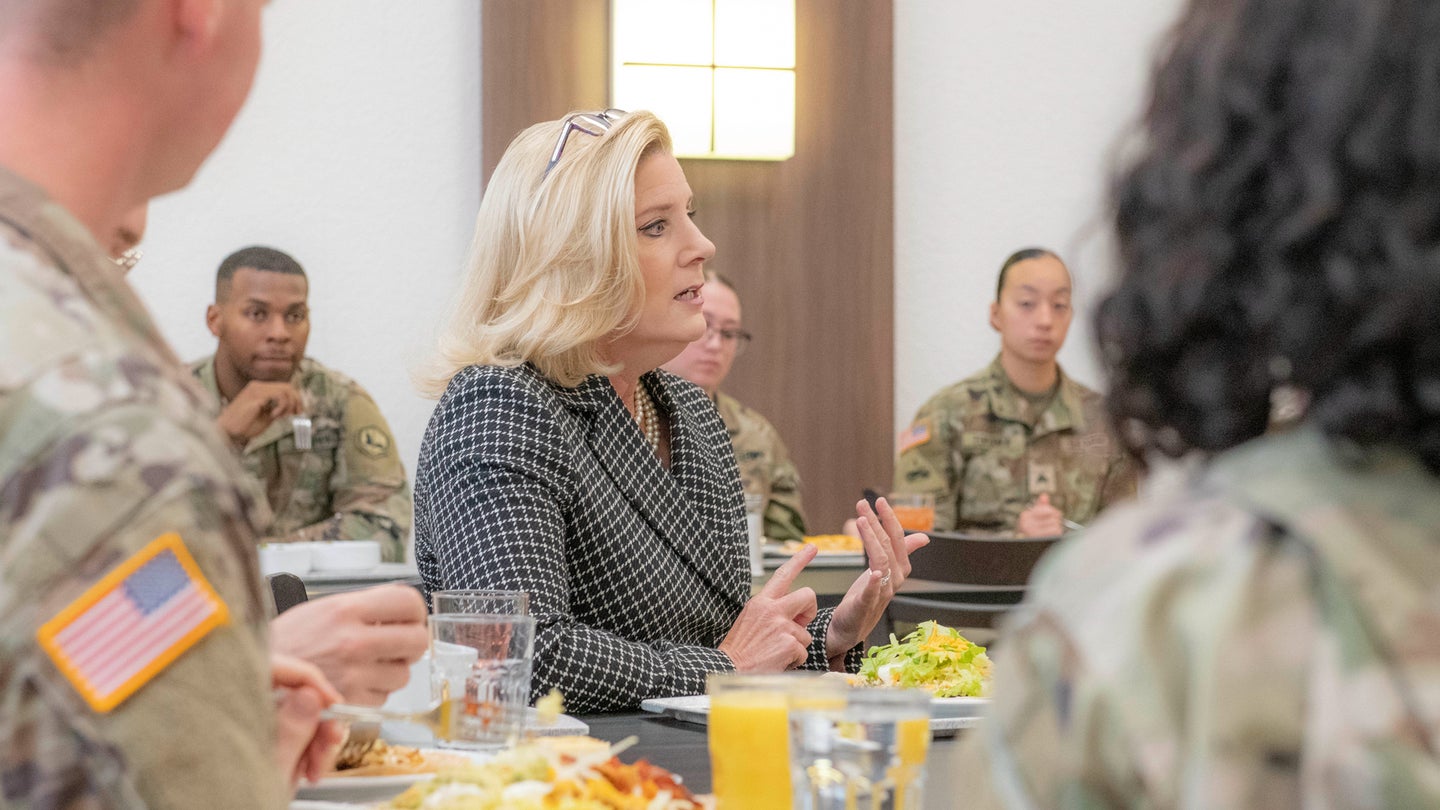
Secretary of the Army Christine Wormuth acknowledged that the Army has struggled to recruit from Generation Z. But on Friday, she laid out potential ways for the service branch to overcome young Americans’ doubts in the Army.

Stars and Stripes first reported on Wormuth’s comments. The Army Secretary was speaking at a dinner hosted by the think tank the Center for New American Security on Friday, Nov. 18. She laid out the challenges the Army was facing in recruiting. The Army had aimed to recruit 60,000 new soldiers in the previous fiscal year. It only got 45,000. The Army’s total force is approximately 465,000.

“It’s a pretty big shortfall,” Wormuth said, according to Stars and Stripes. The Army was facing a series of obstacles in making the service appealing. Some of those challenges have been clear for months. In May, Wormuth told Task & Purpose that the Army needed to do more to address concerns about assaults, sexual harassment and suicide within Army ranks.

China’s New Politburo Has Taiwan in Its Crosshairs

Simone Gao

On the day of the U.S. midterm elections, as most Americans shifted their attention away from China, Chinese leader Xi Jinping made his most alarming speech since securing his historic third term at the Chinese Communist Party’s (CCP) 20th National Party Congress. Speaking as commander-in-chief of the Joint Operations of the Central Military Commission, Xi said, “Today, I and members of the Central Military Commission came…to make it clear to all of you that the new Central Military Commission will solidly align itself with the spirit of the 20th National Congress to comprehensively strengthen our position of troop training to prepare for war.” This remark was made during a visit to the joint operations command center, a bunker buried several hundred meters deep on the outskirts of Beijing.

Is this troop training an indication that Xi is preparing China for war over Taiwan? While many people are reluctant to acknowledge that as an immediate reality, determining instead that Xi’s remarks are standard rhetoric for the commander of a war unit whose purpose is to get ready for battle, ambiguity over Taiwan is rarely Xi’s intention. On the contrary, Xi wants to be very clear to the world about his intention to take control of Taiwan.

Later in the same speech, Xi said that the People’s Liberation Army (PLA) must prioritize the only fundamental standard: combat effectiveness. The Chinese military must focus all its energy on fighting and enhancing its ability to win wars.

Is the U.S. Abdicating Global Leadership?

Dominique L. Plewes

In March 2022, in his first State of the Union address, President Joe Biden called the current competition for global influence “the battle between democracy and autocracy.” Introducing the National Defense Strategy, Secretary of Defense Lloyd Austin, called China the “most consequential strategic competitor for the coming decades.” This may be true but the post-Cold War struggle is more complicated than that.

The United States has yet to fully embrace the notion that future conflicts will likely occur in the so-called “gray zone,” the space between war and peace, in which there will be a race for mineral resources, ports, investment, governance, alliances, technical expertise, narrative and of course, military prowess.

U.S. foreign policy tends to focus on the military aspects of the struggle while our adversaries take a more nuanced approach. Our competitors may not challenge the United States in the traditional sense but they methodically undermine U.S. national security as their influence grows.

Will Renewables Dominate Great Power Competition?

Mark Temnycky

As Europe prepares for a “brutal, cold winter,” its inhabitants are belatedly beginning to realize that they heavily rely on Russian gas. According to Goldman Sachs, European households may spend up to €500 a month in 2023 on energy bills. Numerous families may not be able to afford these skyrocketing gas prices, possibly leading to social unrest.

But what if there was a way to ease these expensive energy prices? How would the rise of alternative energy impact the relationship between nations at a global level? Would green energy find itself similarly dependent on hostile foreign actors? Since the days of the British Empire chasing after oil in Persia, Adolf Hitler rushing to the Baku oil fields in 1942, and rising energy prices after the 1974 Arab oil embargo, it is no secret that energy is a national security matter. So, what will the role of alternative energy in national security be in the years to come?

Milley Doubles Down on Support for Ukraine Negotiations

Mark Episkopos

Chairman of the Joint Chiefs of Staff Gen. Mark A. Milley reiterated his case for a negotiated settlement to end the Russo-Ukrainian War at a press briefing this week.

Ukraine “did a tremendous job in defeating the Russian offensive,” Milley said, citing Kyiv’s battlefield successes in the northeastern Kharkiv and southern Kherson regions. “But Kherson and Kharkiv, physically, geographically, are relatively small compared to the whole [area of Russian occupation], so that—the military task of militarily kicking the Russians physically out of Ukraine is a very difficult task,” he added. “And it's not going to happen in the next couple of weeks unless the Russian army completely collapses, which is unlikely.” Milley argued that Ukraine is unlikely to achieve victory, defined as “kicking the Russians out of all of Ukraine” including Crimea, “anytime soon.”

Milley voiced the Biden administration’s position that it is “up to Ukraine to decide how and when or if they negotiate with the Russians” and that the U.S. will support Kyiv against the Russian invasion "as long as it takes,” but doubled down on his earlier suggestion that now is a good time for Ukraine to cement its gains at the negotiating table. “The Russian military is really hurting bad. So, you want to negotiate at a time when you're at your strength and your opponent is at weakness. And it's possible, maybe that there'll be a political solution. All I'm saying is there's a possibility for it. That's all I'm saying.”

U.S.–China Relations in the Tank: A Handbook for an Era of Persistent Confrontation


Edited by Jude Blanchette of CSIS and Hal Brands of SAIS, the Marshall Papers is a series of essays that probes and challenges the assessments underpinning the U.S. approach to great power rivalry. The Papers will be rigorous yet provocative, continually pushing the boundaries of intellectual and policy debates. In this Marshall Paper, Michael J. Mazarr argues that amid escalating U.S.-China tensions, American policymakers are gravely underprepared to manage the episodic crises that form an inevitable part of great power rivalry. Effective crisis response can not only prevent escalation, but also strengthen U.S. strategic advantage within the larger rivalry. Drawing lessons from the Cold War, Mazarr distills six principles to guide crisis management among U.S. policymakers navigating an increasingly crisis-prone U.S.-China relationship.

22 November 2022

The United States and Canada Share Critical Minerals Goals, but Different Critical Minerals

Frank Fannon

The United States, Canada, Australia, and other countries have issued critical minerals lists, but relative “criticality” varies. This variability could unintentionally frustrate free nations’ shared objective of developing a secure and responsible clean energy supply chain.

The United States Geological Survey (USGS) determination of whether a mineral should be considered “critical” includes a complex, multifactor test, which considers relative (1) U.S. import dependence, (2) production concentration, and (3) market dynamics. The service found that 35 minerals meet this definition. Copper was excluded from the United States’ critical minerals list under both the Trump and Biden administrations because the United States still produces some copper domestically, and most copper was produced in then-business friendly and reliable Chile and Peru.

Times have changed, and the industry has learned more about the copper market and geopolitical dynamics. Copper is a foundational metal for the energy transition, electrification, and global growth. The World Bank found that over the next 23 years, the copper industry needs to produce as much copper as humanity has produced in the last 5,000 years to meet demand. In a seminal report, S&P Vice Chairman Daniel Yergin found that copper demand will double by 2035 and that “there will not be enough supply to meet the demand of Net-Zero-Emissions by 2050.” While U.S. copper production has dropped to nearly half in the last 25 years, China controls much of the clean energy minerals supply chain.

In a First, Rich Countries Agree to Pay for Climate Damages in Poor Nations

Brad Plumer, Lisa Friedman, Max Bearak and Jenny Gross

SHARM EL SHEIKH, Egypt — Negotiators from nearly 200 countries concluded two weeks of talks early Sunday in which their main achievement was agreeing to establish a fund that would help poor, vulnerable countries cope with climate disasters made worse by the pollution spewed by wealthy nations that is dangerously heating the planet.

The decision regarding payments for climate damage marked a breakthrough on one of the most contentious issues at United Nations climate negotiations. For more than three decades, developing nations have pressed for loss and damage money, asking rich, industrialized countries to provide compensation for the costs of destructive storms, heat waves and droughts fueled by global warming.

But the United States and other wealthy countries had long blocked the idea, for fear that they could be held legally liable for the greenhouse gas emissions that are driving climate change.

An iPhone Factory Needs Workers. The Chinese Government Wants to Help.

Chang Che and John Liu

Apple’s largest iPhone factory, in the city of Zhengzhou, has been beset with production problems caused first by a Covid lockdown and then by a shortage of workers. Now, that plant is getting help from an unlikely source: the Chinese government.

Officials in central China have tapped the government’s vast network of party members, civil servants and military veterans to help Foxconn, the Taiwanese-based assembler of Apple’s iPhones, with its recruitment drive. They called on them to “respond to the government’s call” and “aid in the resumption of production” at the factory, according to county notices and state media reports.

The mobilization campaign highlights the Communist Party’s concerns over its reeling economy in a time of severe business disruptions, low demand and record-high debt. As businesses falter under the tough pandemic prevention measures of the nation’s top leader, Xi Jinping, the authorities are turning to party-led mechanisms to keep them humming.

Autonomy With Limits Essential For Future Drones Air Force Generals Say (Updated)

JOSEPH TREVITHICK

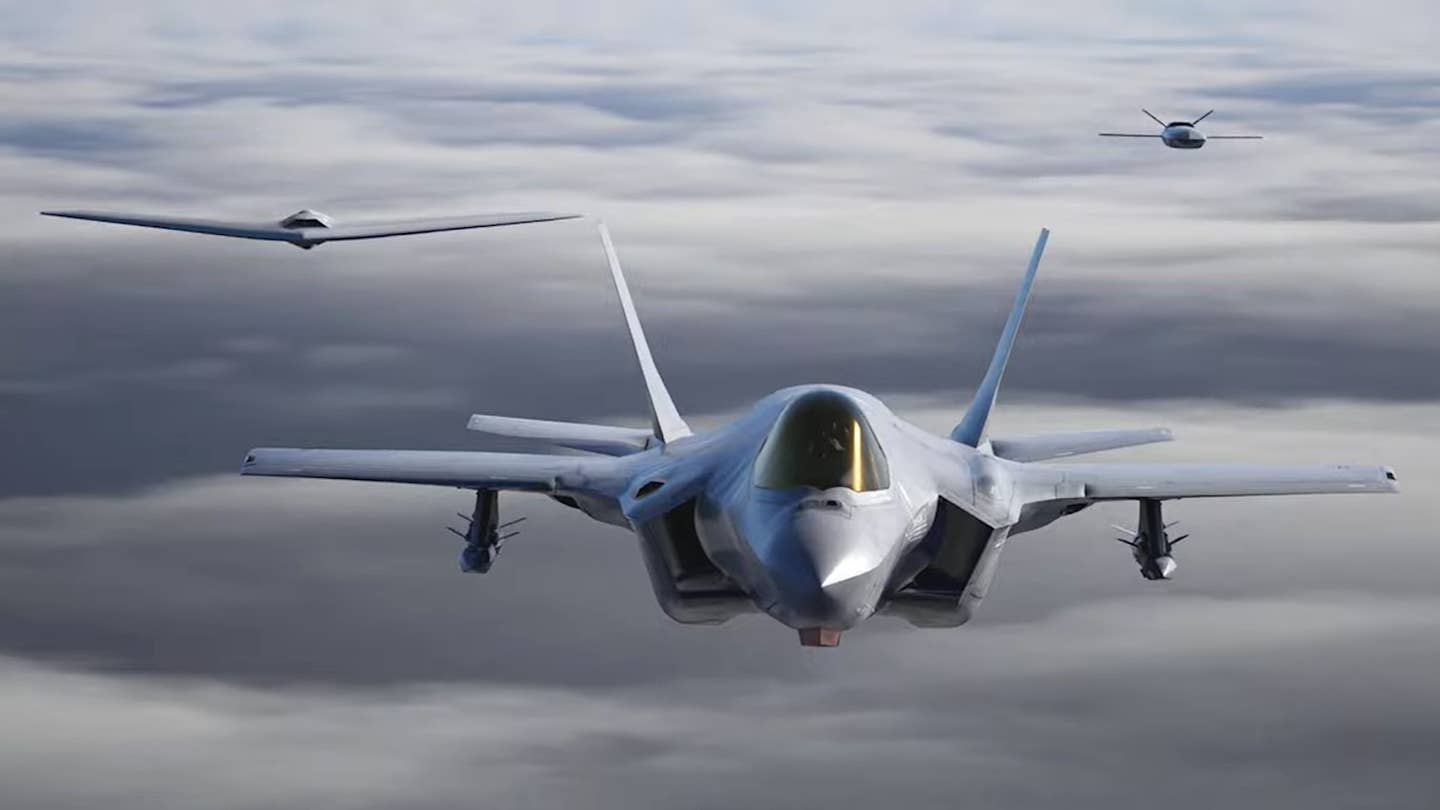
Senior U.S. Air Force officials have provided new details about the service's vision for integrating an evolving set of autonomous capabilities onto new uncrewed aircraft, as well as the groundwork that has already been laid through various recent testing initiatives. The Air Force views advances in autonomy as absolutely at the core of its plans for a forthcoming fleet of drones designed to work collaboratively with crewed platforms. However, humans are expected to remain heavily 'in the loop' for the foreseeable future when it comes to certain sensitive tasks, especially decisions about whether or not to employ lethal force.

This new information about what the Air Force is currently referring to as the Collaborative Combat Aircraft (CCA) effort came during a roundtable at the Pentagon that The War Zone and other outlets attended yesterday. CCA is a part of the Air Force's broader Next Generation Air Dominance (NGAD) program, which includes work on advanced stealthy crewed and uncrewed aircraft, as well as sensors, networking and battle management capabilities, weapons, next-generation jet engines, and more, as you can read more about here.

Army acquisition chief sees autonomy, system hardening as key to overcoming comms challenges in future drone wars

Jon Harper

As drones and counter-drone systems become more ubiquitous, developing hardened platforms with greater autonomy will be critical for reducing the burden on Army networks and defeating enemy jammers, the service’s top weapons buyer said Wednesday.

Robotic systems are a top modernization priority for the Pentagon, and Department of Defense officials are taking note of what’s happening in the Ukraine-Russia conflict.

“We in the Army have seen a few things so far. First, this is by far the largest drone war — to use a loose term — with both sides using unmanned aircraft of all sizes for a wide variety of battlefield missions. Second, this is also the largest anti-drone war with both sides again using all kinds of technologies from simple to high tech to try to counter their adversary’s unmanned aerial systems. We’ve even seen drone versus drone aerial combat. I’m sure a lot of you may have seen those videos online — a likely harbinger of something that will become ever more common in the future,” Assistant Secretary of the Army for Acquisition, Logistics and Technology Doug Bush said at a DARPA Forward event in College Station, Texas.

One of the challenges the service is facing as it looks toward the future is the need to develop autonomous UAS and ground vehicles which are higher tech than the robotic platforms that are currently in the inventory.

The Sneaky Way China Could Win a War Against America

James Holmes

Kill the Logistics Fleet: The U.S. armed forces can accomplish little in the Western Pacific without ample and regular supplies of all types, from fuel to ammunition to foodstuffs. Prospective foes—read China—know this. They will go after the logistics fleet hauling matΓ©riel to the fighting forces, making it a priority target set.

And why not? That’s what I would do were I in charge of the People’s Liberation Army (PLA). Deprive hostile forces of what they need to accomplish their combat missions and you may as well have defeated them in a decisive battle. They slink away when they run out of supplies.

Better yet, they may never even reach the battleground.

The U.S. Army gets this. Or at least army chieftains are saying the right things. Army Chief of Staff James McConville recently told an event hosted by Politico, “we believe we’ll have what we call contested logistics” and intend to devise ways to assure that stores get through. Adds Army Secretary Christine Wormuth, supply “isn’t the sexiest thing, frankly, the Army does, but it is very important. Just look at how the Russian military in Ukraine has struggled to resupply and feed its soldiers. That shows you the importance of logistics today on a contested battlefield.”

Why Dual-Use and Defense Technologies are the Next Growth Sectors

Reed Simmons

Dual-use and defense technologies are at an inflection point. The return of great power competition has demonstrated the geopolitical importance of technological dominance. From semiconductors to AI, maintaining advantages in critical technologies is key to both national security and economic prosperity. As such, commercial and government investment incentives are increasingly aligned, presenting a growth opportunity for entrepreneurs and investors alike.

Haven’t we heard this hype before? A decade ago, the Obama Administration spearheaded many initiatives to bring Silicon Valley technology to government. But divides remained -- symbolized by Google’s 2018 Project Maven revolt.[i] For builders and investors in sectors where commercial interests and the public purpose interact, it is easy to conflate what one wants to succeed with what is profitable and technically feasible.

Yet there are reasons to believe the dual-use and defense technology sectors are on sure footing. Driven by the confluence of geopolitical, technological, and market forces, a transformation is occurring that describes a secular growth story – one that is resilient to the current market fluctuations. This is reinforced by four trends:

Seabed Mining Will Help Break China's Grip on Critical Minerals

Tom LaTourrette

China dominates global supply chains for nearly all critical mineral resources. Especially important are elements such as nickel, cobalt, lithium, copper, and the rare earths that power decarbonization technologies such as batteries, electric motors, and turbines. The rapidly increasing demand for these minerals has rekindled interest in extracting polymetallic nodules from the deep seabed.

China controls the supply of these resources through extraction, either within its borders (especially in the case of rare earths) or through ownership of critical foreign mineral resources (for example, cobalt in the Democratic Republic of the Congo). It also dominates mineral processing, controlling the vast majority of global operations. A recent study by S&P Global Inc. found that 11 of the 16 companies that make nickel sulfate are in China. The study projects that China will produce 824 billion metric tons of nickel sulfate per year by 2030, while North America and Europe will produce just 146 billion metric tons.

China’s dominance is the result of a long-term, dedicated effort to secure mineral resources, build extensive processing capacity, and make that capacity available at rates that underbid its competition. This strategy has benefitted from Chinese government support through state-owned-enterprises and financial backing.

Russia’s Missing Peacemakers Why the Country’s Elites Are Struggling to Break With Putin

Tatiana Stanovaya

Even in a war that has gone poorly for Russia, the Russian Defense Ministry’s November 9 announcement of a full retreat from the city of Kherson marked a special kind of disaster. Kherson was the first major Ukrainian city seized by Moscow after the invasion, and it was one of the four regions that Russia had illegally annexed just five weeks earlier, following sham referendums. In October, the city’s occupying authorities had plastered its streets with billboards declaring that Russia would be there “forever,” and Moscow had told Russian citizens that the city’s occupation was one of the war’s major successes. But by the time of the annexation, Russian forces were already struggling to hold their lines in the face of continued Ukrainian advances. Eventually, Russian leaders were forced to withdraw and to shore up defenses around Crimea and in the east.

This embarrassing retreat—which follows Ukraine’s successful counteroffensive in Kharkiv province in September—has caused many Russian elites to question and challenge the invasion. People who opposed the war from the outset (but who stayed silent to stay safe) have been joined by many people who actively supported the war but are now convinced that the invasion has been mishandled from the start and privately want it to end. Some of them worry that Russian President Vladimir Putin is unfit to lead, prone to missteps, and overly emotional in his decision-making.

China’s Xi attempts to claim diplomatic victory in battle for global influence after summit whirlwind

Nectar Gan

Xi Jinping may have rejected US President Joe Biden’s description of the 21st century as a battle between democracies and autocracies, but as the G20 and APEC summits showed, the Chinese leader remains intent on pushing back at American influence overseas.

Still basking in the afterglow of a Communist Party Congress that last month saw him consolidate and extend his grip on power at home, the strongman leader emerged from China’s zero-Covid isolation with a flurry of in-person meetings in Bali and Bangkok last week.

In contrast to his self-cultivated image as an ideological hardliner, Xi attempted to portray himself as a broad-minded statesman, telling Biden in their meeting last Monday that leaders “should think about and know how to get along with other countries and the wider world.”

This sweeping diplomatic outreach appeared specifically targeted at US allies and regional leaders caught in an intensifying rivalry between Washington and Beijing. Since taking office, Biden has shored up relations with allies and partners to counter China’s growing influence.

Takeaways From China’s Zhuhai Air Show 2022

Zachary Williams

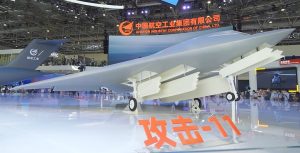
The Zhuhai Air Show in Guangdong China is the largest aviation and military trade expo in all of China. The event ran from November 7-13 and provided an unusually large glimpse into the developmental gains in military technology in a wide array of categories. Everything from small arms to commercial shipping technology had a presence at the show, but the real gains were shown in missile, radar, unmanned systems, and fighter technology. The weapons showcased at this year’s show, undeniably highlight what the People’s Liberation Army (PLA) and ultimately the Chinese Communist Party (CCP), hold in high regard when it comes to flexing its military might in the future.

Parked at the air show was an H-6K bomber carrying the YJ-21E anti-ship ballistic missile. The YJ-21E has been considered in some circles as China’s deadliest weapon, in a conventional sense, and until now it has largely been kept out of the public eye. This missile has previously been known to be employed in a ground or ship-launched interface with a range assessed to upwards of 1,500 kilometers and has a terminal velocity of over Mach 10. The configuration with China’s strategic bombing force would seem to indicate the importance of anti-naval counter intervention when it comes to their strategic focus on Taiwan and the first island chain. It is unknown if this weapon will be developed on a larger scale, but the impact this missile could have in an anti-access, area-denial (A2AD) campaign could be astounding.

War a Possibility as Iran-Azerbaijan Tensions Flare

Taras Kuzio

Iran is a modern-day Persian empire, with Azerbaijanis accounting for a third of its population, and other national minorities also in sizeable numbers. Iran’s revanchism towards Azerbaijan has made it a long-term ally of Russia and Armenia.

Iran, because of Azerbaijan’s history, culture, and Shite religion, has always viewed Azerbaijan as either a lost territory that should be part of Iran or at the very least within its sphere of influence, which it views as the entire South Caucasus. In many ways, Iran views Azerbaijan in the same manner as Russia views Ukraine: as part of its homeland that has gone astray, but will one day “return home.”

During the last three decades up to the Second Karabakh War in 2020, Iran was content with Russian influence in the Caucasus and two manufactured frozen conflicts in Azerbaijan and Georgia. Iran’s double standards of being supportive of country’s territorial integrity was evident in how it ignored, but de facto supported, Armenia’s occupation of a fifth of Azerbaijan’s territory. At the same time, Iran is hyper sensitive about threats to its own territorial integrity. In the same manner, Iran is also supporting Russia’s annexation of Ukrainian territory. Therefore, Iran and Russia would both prefer a weak Azerbaijan and Ukraine, rather than revived countries with alliances to Turkey or the West. Armenia concurs, also preferring a weak to a strong Azerbaijan.

Qatar's Double Game: Funding Islamists While Pretending to Be America's Ally

Khaled Abu Toameh

A recent meeting in Doha, Qatar, between the Palestinian group, Hamas, and Afghanistan's Taliban, has served as yet another reminder of Qatar's double game of harboring and sponsoring Islamic extremists while simultaneously pretending to be an ally of the US and other Western countries.

This meeting, which took place on October 26, was attended by Hamas leader Ismail Haniyeh who, together with several officials from that Islamist group, relocated from the Gaza Strip to Qatar over the past few years.

Last year, Haniyeh, now based in Doha, was quick to telephone Taliban leaders to "congratulate" them on the "defeat of the American occupation of Afghanistan." Haniyeh said that Hamas sees the US withdrawal from Afghanistan as a prelude for the elimination of "all forces on injustice," especially Israel.

Struggle and Success of Chinese Soft Power: The Case of China in South Asia

Ashmita Rana

Soft power is a significant attribute for a state that is a great power or that aspires to be one. While hard power is more visible in the international system in the form of military and economic might, it is soft power that often works subtly in the background. Joseph S. Nye defined soft power or the “second face of power” as the ability to get others to want the outcomes one wants using co-option and not coercion” (Nye 2004: 5). Essentially, soft power deals with the ability to shape the preferences of others. In world politics, this can be translated as a state’s ability to shape the international agenda and attract the support of other states without having to threaten them with military force or economic sanctions. Nye pointed out three sources of the soft power of a state—its culture, its political values and its foreign policy (Nye 2004: 11). All these factors determine the attractiveness that a state enjoys in the world, and shapes international politics in ways that even hard power does not. The increasing acknowledgement of the utility of soft power in world politics can be seen in the ways states, especially great powers, have reoriented their international conduct in recent times. Most states today continue to invest in the promotion of their cultures and values. Moreover, these states also more actively seek to justify their actions (whether domestic or international) in a bid to win approval and moral legitimacy in the world.

The Danger of Passive Containment and Ignoring North Korea

Stephen Morgan

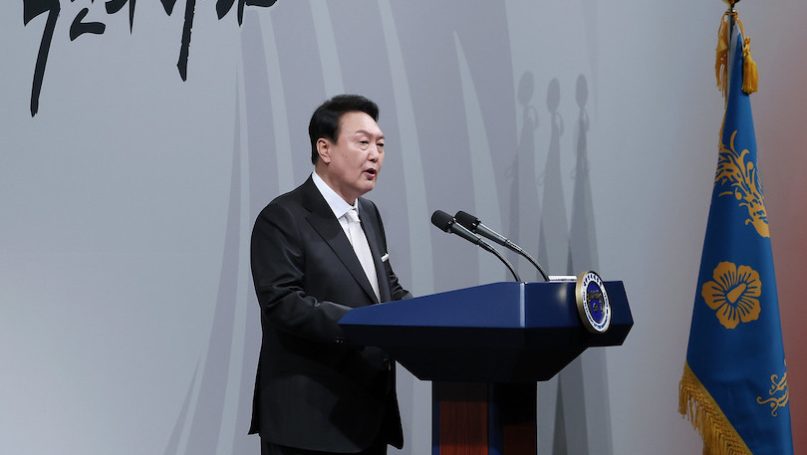
News of North Korean missile strikes are now so routine they tend to raise no more than a passing curiosity in the western media. So familiar is the story that the visual template for such reports are instantly recognisable, usually depicting South Korean citizens watching a domestic broadcast about a North Korean missile launch on a big screen in a bank or airport. As such, it is easy to just treat the latest fusillade of more than two dozen missiles fired into the sea off the east coast of Korea on November 2nd this year as another one of Pyongyang’s petulant cries for attention during joint US and South Korean military drills. And yet this launch stands out as it saw the first instance of a missile fired over the Northern Limit Line (NLL) from the North in the history of the divided Korean Peninsula. It also triggered the first air raid alert in the South since 2016 for Ulleung Island residents before landing in the waters of the Sea of Japan off the coast of South Korea’s Gangwon Province (which borders North Korea). This follows a series of increasingly aggressive provocations by the North following South Korean President Yoon Seok-yeol’s announcement about his vision for reviving the peace process with the North in August. Since then, his overtures have been met only with personal rebukes and for the Democratic People’s Republic of Korea (DPRK) to officially declare themselves a nuclear state.

This article explores how the domestic political divide in South Korean politics has shaped North Korea policy and why the legacy of the authoritarian military regime (1961-1987) still casts a powerful shadow over modern and democratic South Korea. President Yoon’s announcement of a ‘Bold Plan’, rather than providing a blueprint for reconciliation, instead reveals far more about how the internal South Korean political battle over North Korea has seen policy lurch between containment and engagement. This article will illustrate how ignoring the North and letting the peace process whither in the face of North Korea’s provocations is fraught with danger. In light of the high political stalemate in inter-Korean relations, this article also seeks to provide a possible way forward through what has now become a moribund peace process. The most urgent question is therefore: How can the Korean peace process be reimagined so as to bypass the deadlock at the inter-governmental level and revive the cause of engagement?