Bradley Perrett
Armed forces usually adapt slowly in peacetime, resisting change. Well, only the most hidebound will be ignoring the revolution in military affairs under way in Ukraine and the Red Sea.
For want of a better name, call it the cheap-drone revolution.
Just one example highlights how it’s changing things. Formerly a guided missile would hardly be used to kill a single enemy soldier. The missile would cost hundreds of thousands of dollars, so it would be in limited supply and reserved for a much more important target, typically an armoured vehicle.
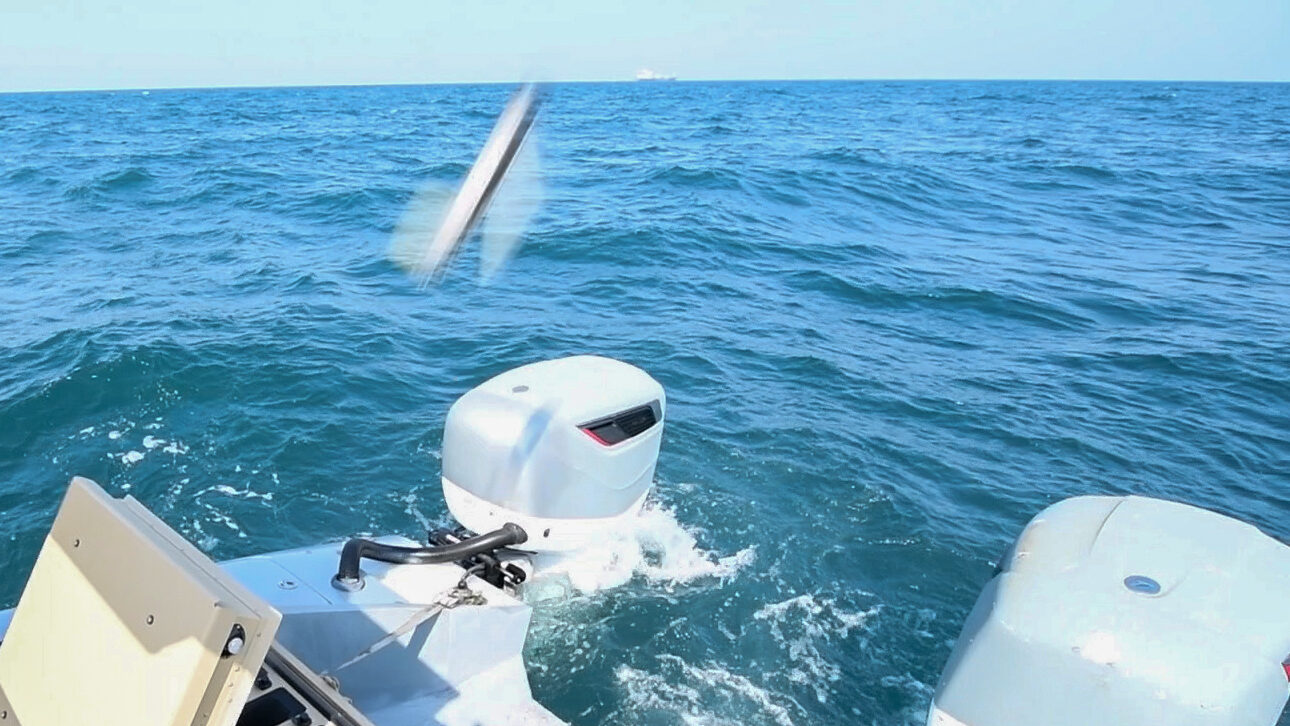
Now in Ukraine a guided missile may indeed be aimed at just one soldier. We’d recognise the weapon as a drone, but functionally it’s a guided weapon with a revolutionary characteristic: by military standards, it’s incredibly cheap.
That cheapness is upending warfare. A big change in military affairs has long been predicted, one in which big, costly and scarce weapons would be challenged by things that would be small, cheap and numerous. In the Middle East and especially in Ukraine, the revolution is upon us.
What’s missing so far is another predicted characteristic in little weapons and sensors of the future: high autonomy. For that, just wait.
Drones that aren’t expended as missiles are cheap, too. In Ukraine they’re doing the work of crewed aircraft costing 10 or even 10,000 times as much and doing it without risking the lives of anyone aboard.
So these miniature missiles and tiny attack and reconnaissance aircraft are suddenly abundant in warfare. Some are small aeroplanes; others are little helicopters with four or more rotors for lift. In a wide variety of sizes, they’re swarming over the battlefield in Ukraine, multiplying the risks faced by valuable targets such as armoured vehicles, trucks, command posts, artillery, air-defence batteries and ammunition depots.