


Shira Ovide
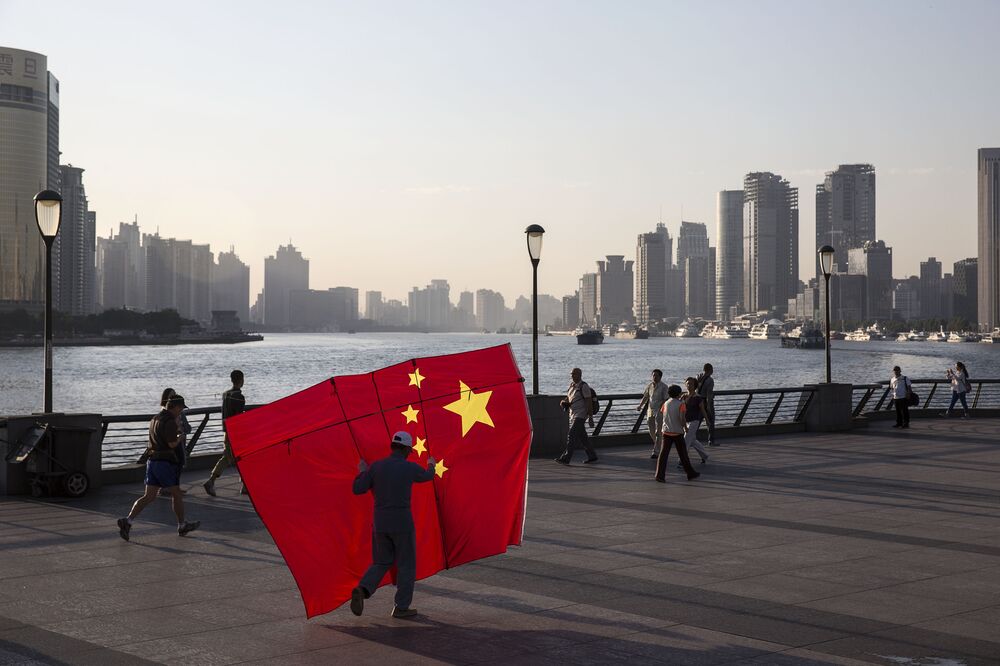 At the risk of understatement, it is complicated to be a Chinese company with global ambitions. The tariff tiff with the U.S. has made business challenging. China’s government tends to whipsaw between support and censure for homegrown companies embarking on asset-buying binges outside of China. And, more than ever, China’s companies are finding barriers thrown up in the developed world to their potential investments in everything from semiconductors to money transfer services.
President Donald Trump recently signed legislation that gives the U.S. government more leeway to block even minority and passive investments by foreign companies for reasons of national security. The new rules were widely believed to be aimed at discouraging Chinese companies from acquiring U.S. businesses that would strengthen that country's technological prowess. The problem, writes Nisha Gopalan, is that it’s tough for potential acquirers in China to know what might trigger a close U.S. review of deals involving companies that handle “personal data” or deal with critical infrastructure.
It’s not just the U.S., either, with its … umm … complicated relationship with foreign trade and investment. Nisha notes that this month, Germany’s ruling government vetoed for the first time a proposed takeover of a German company by a Chinese one. A controversial purchase two years ago of German robotics firm Kuka made that country reconsider the ability of Chinese companies to buy Germany’s industrial stars.
All this comes as China has sought to open up a bit to foreign investment in response to longstanding gripes from world governments. That may eventually be seen as the kind of reciprocal treatment Western governments want, Nisha writes. For now, though, the world’s doors are shutting to Chinese investments.
Another Typical, Completely Insane Day at Tesla
You might think a securities investigation sparked by a hastily considered tweet might make Elon Musk step back from Twitter. Nope. The Tesla Inc. CEO instead fired off a Twitter response to Arianna Huffington’s concern about Musk’s apparent lack of sleep — and linked his long hours to a hardly reassuring mention of Tesla not going bankrupt. Why is Musk still tweeting at all, Liam Denning wonders?
Tesla insanity must come in pairs, so there was also a report that Saudi Arabia’s government investment fund — the same fund on which Musk based his claim of “funding secured” for a Tesla take-private deal — is considering writing a big check to a different electric vehicle company based in the San Francisco Bay Area. The funding for a Tesla deal looks less “secured” by the day. Click here to read the whole thing.
Out of the Grecian Frying Pan ...
The good news: Greece is exiting what is supposed to be the last of its three painful bailouts. Bad news, Bloomberg’s editors write: The country is emerging with a crushing debt burden. European Union creditors insist that the load is bearable, and estimate Greece’s debt will decline from an alarming 180 percent of gross domestic product, to a still-staggering 100 percent of GDP by the year 2060. That assumption is based on very optimistic scenarios, the editors say, and the obvious solution is for the EU to provide Greece with genuine debt relief.
You Can’t Blame This on Avocado Toast
People in many desirable cities from Auckland to Toronto are complaining that they can’t afford to buy a home, and the blame has even fallen on millennials’ love of avocados on bread. There are, of course, less ridiculous culprits for unaffordable housing: an unusually long stretch of low interest rates, driven by government monetary policies; restrictions on new building construction; and growing populations driving up home demand.
Chris Bryant also points his finger at another: overseas property buyers. They are the target of a new ban by New Zealand’s government, which is apparently sick of nonresident billionaires buying property in their country as a hedge against the end of the world. New Zealand’s new law is a crude tool, Chris says, but an understandable one as speculative international capital has helped inflate the global housing bubble.
Chart Attack
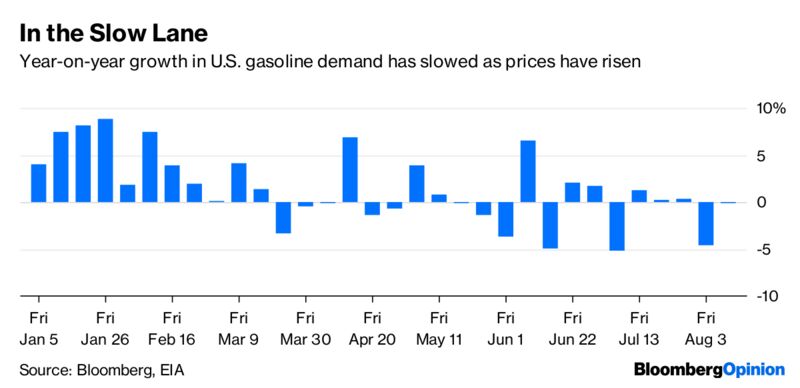
U.S. gasoline prices are the highest in four years, despite prices for crude oil that remain about 40 percent below the level just before a 2014 crash. The dynamics could add up to cooling demand for oil, writes Julian Lee:
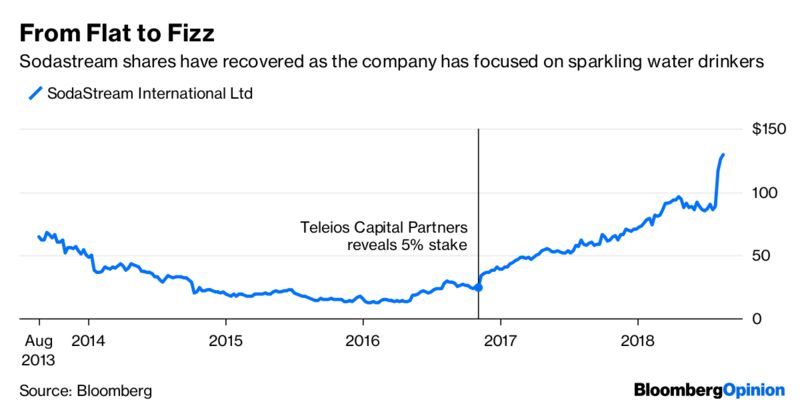
PepsiCo Inc.’s $3.2 billion deal for the fizzy-drink machine maker SodaStream comes six weeks before Pepsi’s CEO steps down, and after a nearly 50 percent jump in SodaStream’s stock price just this month. It will be up to Indra Nooyi’s successor to make sure the pricey deal doesn’t fall flat, says Chris Hughes.
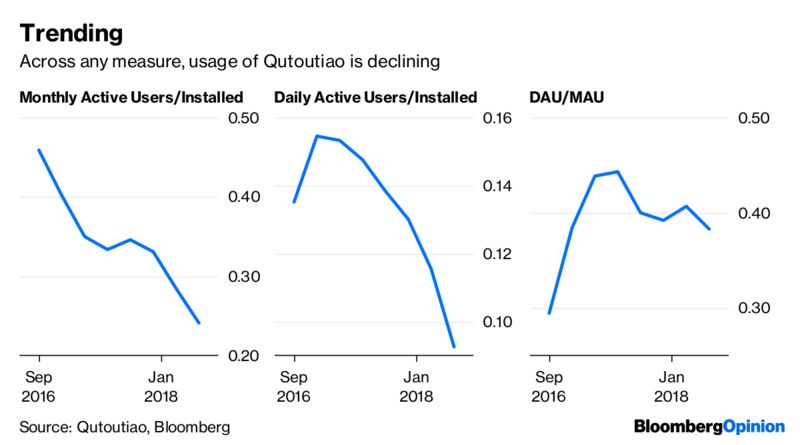
Tim Culpan sniffs out weaknesses in Qutoutiao, one of many news aggregation apps in China, and the country’s latest technology firm to pursue an IPO in the U.S.
Quick Hits
In Turkey, “the choice is between a short and sharp recession, or a longer and much more painful one.”– Marcus Ashworth
The U.K. investor who rescued the failing department store chain House of Fraser needs to maintain good relations with the luxury goods industry and other key suppliers. – Andrea Felsted
The 2020 U.S. presidential race has already started in Iowa. – Albert R. Hunt
The key to poor countries becoming rich might be governments pushing domestic manufacturers to export a lot. – Noah Smith
Nearly half of U.S. households headed by a person under 35 carried student debt. – Danielle DiMartino Booth
Sociologists would get more attention for important research if they, you know, made the research easily available to the public. – Justin Fox
The best way to curb a harmful fixation on short-term corporate financial results is to make companies report their financials even more frequently. – Barry Ritholtz
ICYMI
After President Trump complained in public about the Federal Reserve’s interest rate increases, he also complained about the Fed in private. The CEO of American Airlines looks likely to lose his bet over a bottle of wine. It took six decades to complete the most traveled highway in the U.S.
Kickers
A New Zealand government minister rode her bicycle to the hospital to give birth.
People in London aren’t happy about this New York Times travel article that belatedly heralds the city’s culinary turn away from bland oatmeal and blah meat dishes.
Technical problems at London’s Gatwick Airport forced staff to write flight information on whiteboards.
Hospital emergency departments are seeing a rash of electric scooter-related injuries. (Important context: There are more than 40,000 deaths in the U.S. each year related to motor vehicle crashes.)
Now we can start blaming things on Generation Z instead of on millennials.
A history in tweets of the 1970s great calculator wars.
Note: I’m filling in this week for the esteemed Mark Gongloff. Please send nominees for New Zealand’s toughest government official, suggestions and kicker ideas to Shira Ovide at sovide@bloomberg.net.
New subscribers can sign up here.
Like Bloomberg Opinion Today? Subscribe to Bloomberg All Access and get much, much more. You'll receive our unmatched global news coverage and two in-depth daily newsletters, The Bloomberg Open and The Bloomberg Close.
No comments:
Post a Comment