The Profession of Arms: A Guide for Young Army Officers
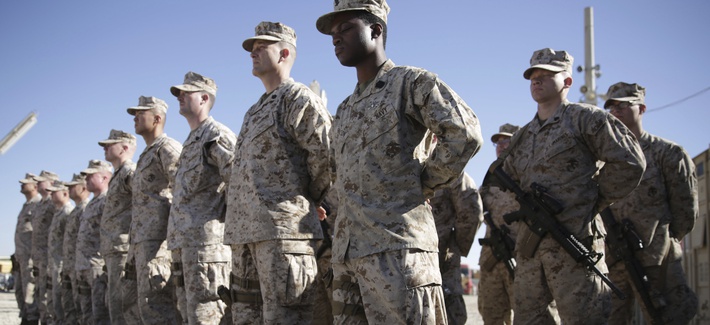
It takes courage, especially for a young officer, to check a man met on the road for not saluting properly or for slovenly appearance, but, every time he does, it adds to his stock of moral courage, and whatever the soldier may say, he has respect for the officer who does pull him up.
Read Document →The Dragon's Teeth: Assessing China's Military Modernization
PLA has focused on modernising its capabilities across all warfare domains to achieve these goals. This includes land, air, and maritime operations, nuclear, space, counter-space, electronic warfare and cyberspace operations, aiming to become a fully integrated joint force.
Read Document →Transforming the PLA: A Decade of reorganisation from SSF to ISF
PRC has engaged in a sustained and broad effort to transform the PLA from an infantry-heavy, low-technology, ground forces-centric military into a high-technology, networked force with an increasing emphasis on joint operations and naval and air power projection.
Read Document →Eyes without Borders: Exploring the World of Open Source Intelligence (OSINT) in the Digital Age
Open Source Intelligence (OSINT) is gaining prominence with the rise of social media, the digital society and the vast growth of publicly and commercially available information (PAI and CAI).
Read Document →
The PLA’s Developing Cyber Warfare Capabilities and India's Options
Informationised warfare blurs the lines between peacetime and wartime. A nation in the information age cannot wait for the hostilities to break out to collect intelligence, carryout influence operations, develop antisatellite systems or design computer software weapons.
Read Document →
Galwan and After
Why did China did this when he is under tremendous pressure in all fronts, is this China's salami slice tactics being progressed rigorously, what will be new Rules of Engagement, what will be escalatory control mechanism, who has taken this decision, will there be some pressure put by China in India's North-East through insurgency.
Read Document →
India’s Joint Doctrine for Cyberspace Operations: A Critical Review
Chief of Defence Staff (CDS) General Anil Chauhan and Secretary, Department of Military Affairs, formally released declassified versions of the Joint Doctrines for Cyberspace Operations during the Chiefs of Staff Committee meeting in New Delhi.
Read Document →
Know your Enemy General(now Field Marshal) Syed Aseem Munir
Gen SA Munir's position in the hierarchy of Pakistan was not very comfortable. The state of economy, insurgency in Pakhtoonistan and Balochistan, attack on the Jaffar Express, constant protests by supporters of Imran Khan's supporters inside and outside of parliament.
Read Document →
Decoding Operation SINDOOR: Key Aspects and Implications
Precision strikes were carried out on nine sites—four in Pakistan and five in PoK—linked to anti-India terrorist groups such as the LeT, JeM and the Hizbul Mujahideen. The targeted sites included Muridke (LeT headquarters) and Bahawalpur (JeM headquarters).
Read Document →
Chinese Cyber Exploitation in India's Power Grid - Is There a linkage to Mumbai Power Outage?
The New York Times (NYT), based on analysis by a U.S. based private intelligence firm Recorded Future, reported that a Chinese entity penetrated India’s power grid at multiple load dispatch points. Chinese malware intruded into the control systems that manage electric supply across India, along with a high-voltage transmission substation and a coal-fired power plant
Read Document →11 January 2019
Significant steps towards modernization of armed forces, but challenges remain
India walking a tightrope with US and Russian defense systems
The US Isn’t Really Leaving Syria and Afghanistan
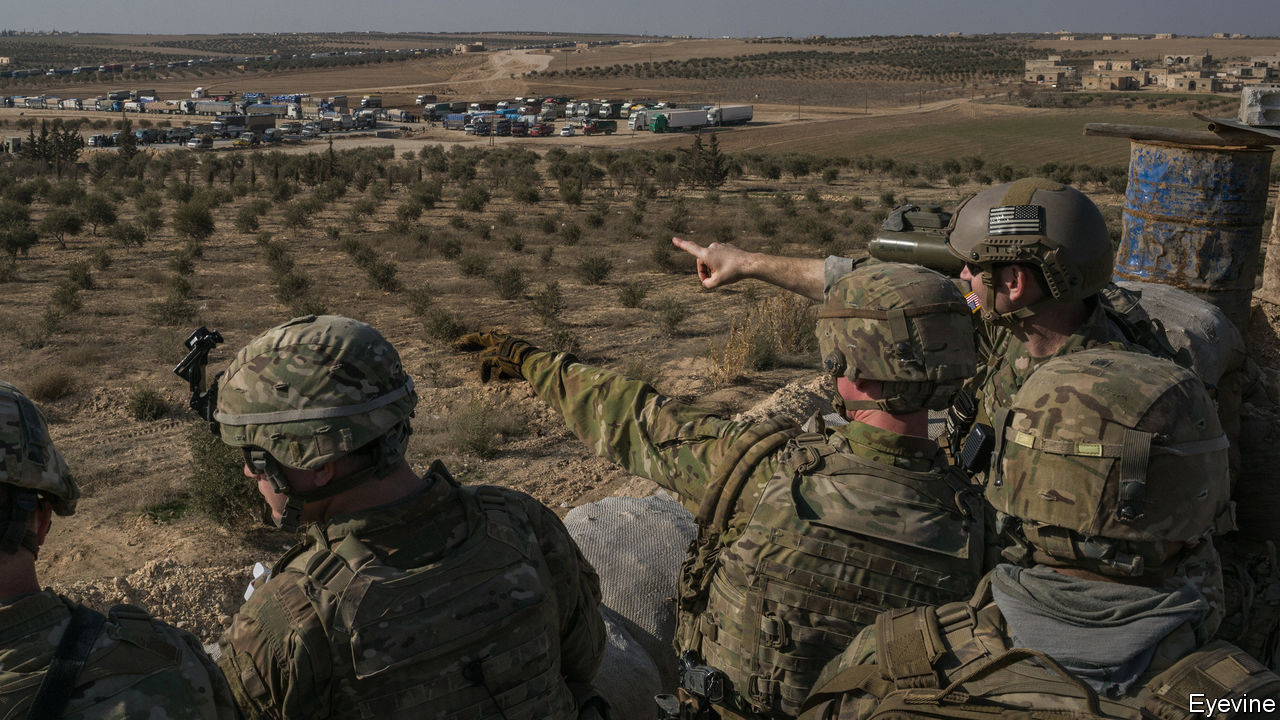
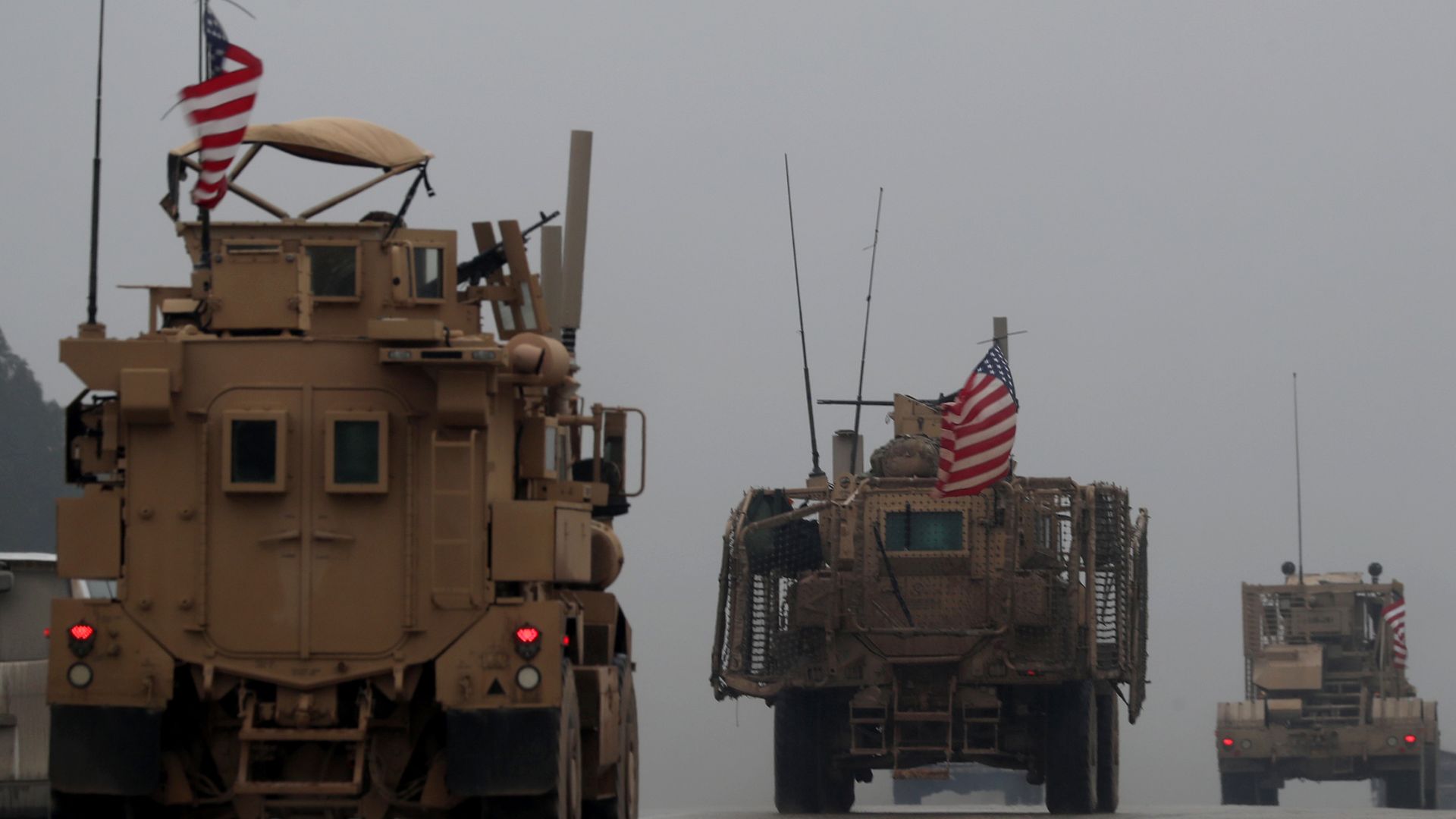
President Donald Trump caused a political furor when he announced in December that he would quickly withdraw all 2,000 American troops in Syria, together with half of the 14,000 U.S.soldiers in Afghanistan. Democrats (and many Republicans) condemned the exit strategy as a boon for America’s enemies. Secretary of Defense James Mattis resigned in protest, as did the special envoy for the counter-ISIS campaign, Brett McGurk, and the Pentagon chief of staff, Kevin Sweeney. Other prominent voices praised the drawdown. In The New York Times, for example, Robert Kaplan called the campaign in Afghanistan “a vestigial limb of empire, and it is time to let it go.” These critics and defenders of Trump’s decision have one thing in common: They share the assumption that Washington is actually getting out of Syria and Afghanistan.Trump wanted a big cut in troops in Afghanistan. New U.S. military plans fall short.
Sri Lanka: After the Crisis, What Next?
The United States and China - A Different Kind of Cyberwar
America’s Freedom of Navigation Operations Are Lost at Sea
On Jan. 7, the USS McCampbell conducted a freedom of navigation operation near three features in the Paracel Islands chain. This was the ninth known operation conducted by the Trump administration, which has undertaken South China Sea excursions more regularly despite risky Chinese challenges. The operation followed Vice President Mike Pence’s assertion last November that “the United States is taking decisive action to protect our interests and promote the Indo-Pacific’s shared success.”A New Cold War Has Begun
In June 2005, I published a cover story in the Atlantic, “How We Would Fight China.” I wrote that, “The American military contest with China … will define the twenty-first century. And China will be a more formidable adversary than Russia ever was.” I went on to explain that the wars of the future would be naval, with all of their abstract battle systems, even though dirty counterinsurgency fights were all the rage 14 years ago.The three elements of China’s innovation model
In November 2018, the New York Times published a series that began with a story titled, The Land that Failed to Fail. The central argument of the piece is that defying Western expectations, the Communist Party has maintained its control in China while adopting elements of capitalism, eschewing political liberalisation, and pursuing innovation. The last of these three — innovation — is the subject of this piece.Why China’s Military Wants to Beat the US to a Next-Gen Cell Network
The race for 5G — the next-generation cell-network technology that promises high speed, low latency, and high throughput — has emerged as a new frontier of rivalry in U.S.-China relations. The technological advances by Huawei, ZTE, and other companies may allow China to become the first country to deploy 5G on a wide scale, giving its economy an edge. But 5G’s dual-use and military potential introduces another dimension of geostrategic significance — one that the Chinese military and defense industry are avidly exploring.A New Cold War Has Begun
In June 2005, I published a cover story in the Atlantic, “How We Would Fight China.” I wrote that, “The American military contest with China … will define the twenty-first century. And China will be a more formidable adversary than Russia ever was.” I went on to explain that the wars of the future would be naval, with all of their abstract battle systems, even though dirty counterinsurgency fights were all the rage 14 years ago.The Geopolitics of the Quad
In the wake of the Quadrilateral Security Dialogue, or Quad, meeting in Singapore on November 15, Arzan Tarapore considers how this informal grouping of Australia, India, Japan, and the United States could mount a response to China’s revisionism.At the Dawn of Belt and Road
What is China's political and diplomatic, economic, and military engagement with the Developing World, region by region? What states in each region does China consider pivotal to its security and external relations? What are the consequences of the Chinese strategy toward the Developing World for the United States?Japan Slams China for Unauthorized Research Around Okinotori Island
The Japanese Embassy in Beijing has filed official protest with China after they admitted to conducting marine surveys around the Japan-held Okinotori island without permission. In mid-December last year, the Japanese Coast Guard intercepted a Chinese research vessel in waters surrounding Okinotori Island. Japan claims the uninhabited Okinotori island in the Pacific Ocean as its southernmost territory, which is 1700 kilometers south of Tokyo, and holds that Okinotori generates a 200 nautical mile exclusive economic zone (EEZ)China's Stability Is at Risk
China Is Shooting Itself in the Foot Over Huawei
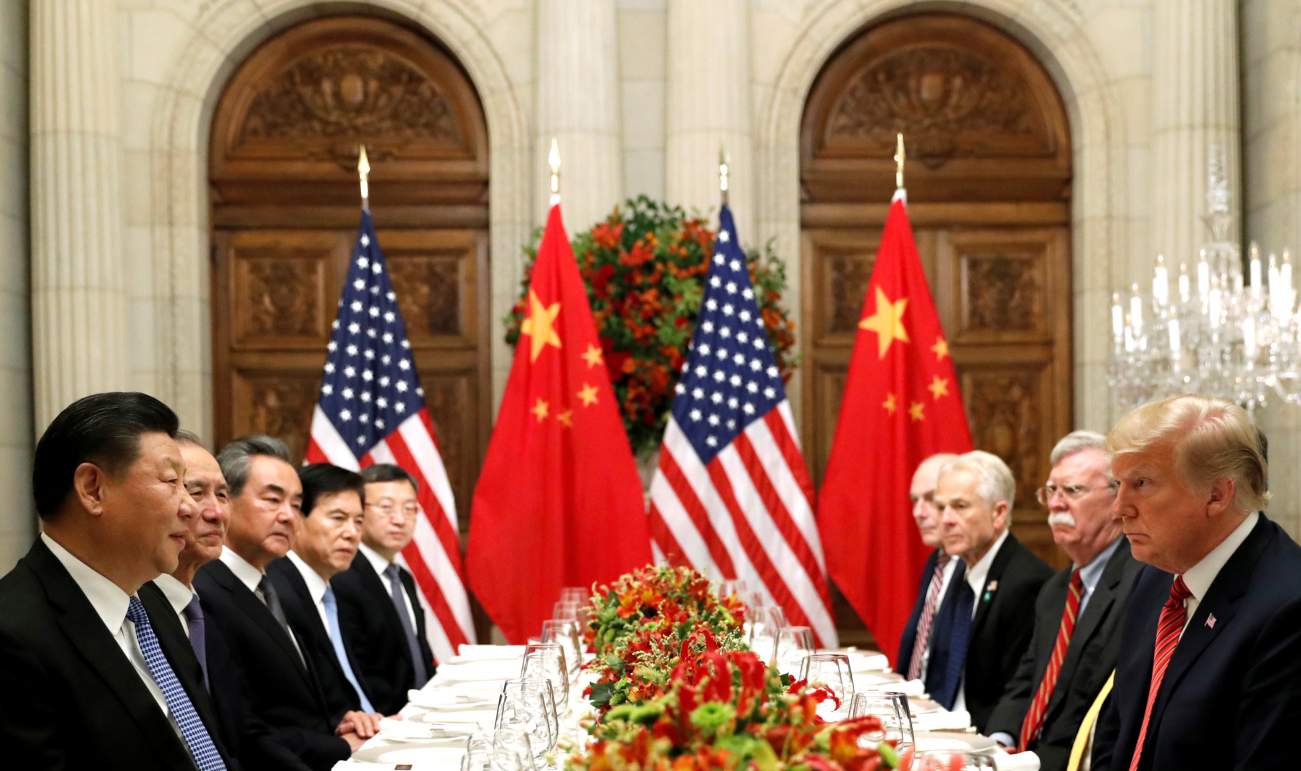
The conflict between the United States and China is not just a competition over economic prowess or technological might but also a clash over values—whether government power should be restrained, whether dissent is tolerated, and whether citizens are prepared to give up individual liberty for the pursuit of common good spelled out by those in power. Countries with geopolitical or economic interests tied to both of these great powers find themselves caught between a rock and a hard place.The Year of Trump?
If Trump Wants to Get Out of Syria, He Should Strike a Deal With Russia
Italy’s Writing on the Wall
The Curious Story of an American Arrested by the Kremlin
Russia has arrested an American corporate security director, Paul Whelan, but he doesn't have the profile befitting a non-official cover intelligence officer, even though there are elements in his background that would bring him to the attention of the Kremlin's security services. Russian authorities arrested Whelan not long after Russian citizen Maria Butina pleaded guilty in a U.S. court to being an unregistered foreign agent, but it doesn't appear that Moscow is seeking a prisoner swap. The Kremlin could try to hold Whelan to exchange him in the future for any "illegal" Russian operative caught operating in the United States.Pentagon: Military Logistics System Not Ready For War With China Or Russia
The strategic American military system for moving troops, weapons, and supplies over long distances has decayed significantly and needs rapid upgrading to be ready for any future war with China or Russia, according to a report by the Pentagon’s Defense Science Board.Apple’s Troubles in China Predict Problems for Other U.S. Firms
America’s damaging flip-flops in Syria
Editor’s note: This is an updated version of an article that originally appeared in the print edition of January 5th 2019. It has been changed to reflect comments made by John Bolton, America’s national security adviser, on January 6th 2019.The U.S. is leaving Syria, and will stay as long as it takes
President Trump’s sudden announcement that the U.S. would pull out of Syria stunned the key players in the conflict, prompted America’s panicked Kurdish allies to turn to Syrian dictator Bashar al-Assad, and led to the resignation of Defense Secretary James Mattis.What Motivates Workers in the Gig Economy?
2019 Forecast: Hard Choices On Invisible Warfare
After a quarter-century of post-Cold War neglect, the Department of Defense has once again become serious about electronic warfare: the art of detecting, disrupting, and deceiving enemy radio and radar. But battles between electrons are invisible, literally and often politically as well, and EW must fight for attention and resources with higher-profile efforts from hypersonic missiles and missile defense to combat readiness for everything from fighter jets to nuclear submarines.