The Profession of Arms: A Guide for Young Army Officers
It takes courage, especially for a young officer, to check a man met on the road for not saluting properly or for slovenly appearance, but, every time he does, it adds to his stock of moral courage, and whatever the soldier may say, he has respect for the officer who does pull him up.
Read Document →The Dragon's Teeth: Assessing China's Military Modernization
PLA has focused on modernising its capabilities across all warfare domains to achieve these goals. This includes land, air, and maritime operations, nuclear, space, counter-space, electronic warfare and cyberspace operations, aiming to become a fully integrated joint force.
Read Document →Transforming the PLA: A Decade of reorganisation from SSF to ISF
PRC has engaged in a sustained and broad effort to transform the PLA from an infantry-heavy, low-technology, ground forces-centric military into a high-technology, networked force with an increasing emphasis on joint operations and naval and air power projection.
Read Document →Eyes without Borders: Exploring the World of Open Source Intelligence (OSINT) in the Digital Age
Open Source Intelligence (OSINT) is gaining prominence with the rise of social media, the digital society and the vast growth of publicly and commercially available information (PAI and CAI).
Read Document →
The PLA’s Developing Cyber Warfare Capabilities and India's Options
Informationised warfare blurs the lines between peacetime and wartime. A nation in the information age cannot wait for the hostilities to break out to collect intelligence, carryout influence operations, develop antisatellite systems or design computer software weapons.
Read Document →
Galwan and After
Why did China did this when he is under tremendous pressure in all fronts, is this China's salami slice tactics being progressed rigorously, what will be new Rules of Engagement, what will be escalatory control mechanism, who has taken this decision, will there be some pressure put by China in India's North-East through insurgency.
Read Document →
India’s Joint Doctrine for Cyberspace Operations: A Critical Review
Chief of Defence Staff (CDS) General Anil Chauhan and Secretary, Department of Military Affairs, formally released declassified versions of the Joint Doctrines for Cyberspace Operations during the Chiefs of Staff Committee meeting in New Delhi.
Read Document →
Know your Enemy General(now Field Marshal) Syed Aseem Munir
Gen SA Munir's position in the hierarchy of Pakistan was not very comfortable. The state of economy, insurgency in Pakhtoonistan and Balochistan, attack on the Jaffar Express, constant protests by supporters of Imran Khan's supporters inside and outside of parliament.
Read Document →
Decoding Operation SINDOOR: Key Aspects and Implications
Precision strikes were carried out on nine sites—four in Pakistan and five in PoK—linked to anti-India terrorist groups such as the LeT, JeM and the Hizbul Mujahideen. The targeted sites included Muridke (LeT headquarters) and Bahawalpur (JeM headquarters).
Read Document →
Chinese Cyber Exploitation in India's Power Grid - Is There a linkage to Mumbai Power Outage?
The New York Times (NYT), based on analysis by a U.S. based private intelligence firm Recorded Future, reported that a Chinese entity penetrated India’s power grid at multiple load dispatch points. Chinese malware intruded into the control systems that manage electric supply across India, along with a high-voltage transmission substation and a coal-fired power plant
Read Document →5 April 2024
What 10 Years of Modi Rule Has Meant for India’s Economy

Beyond the Coastline: India’s Land Connectivity Options around the Bay of Bengal
Sela Tunnel: India’s Border Infrastructure Push Makes Progress

Is BRICS Offering An Alternative Model For Global Governance? – Analysis

The US needs a new paradigm for India: ‘Great Power Partnership’

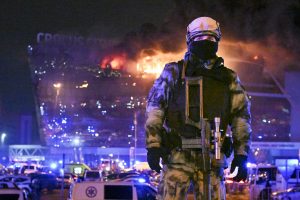
Islamic State Escalates Anti-Russian Militant Campaign

Deepfakes with Chinese Characteristics: PRC Influence Operations in 2024
- The PRC’s potential to interfere in elections with deepfakes has been noted, with strategies including creating false narratives around candidates and misleading information on electoral processes. Advanced AI tools could further sophisticate these interference efforts, impacting democratic processes worldwide.
- Beijing appears to have a dual stance on deepfakes—strict regulation domestically due to potential socio-economic and security threats, coupled with an ambition to leverage them for international influence operations.
- Beijing is likely to integrate deepfakes with AI to conduct smear campaigns against critics, amplify PRC propaganda by creating fake personae, and interfere in elections, exacerbating the spread of disinformation.
Foreign Intelligence Hackers and Their Place in the PRC Intelligence Community

- Leaked files from iS00N reveal deep insights into the PRC’s intelligence operations, highlighting an intensified global security offensive as well as issues within the intelligence community.
- iS00N’s growth is tied to Xi Jinping’s aggressive policies and demonstrates the importance of private contractors in fulfilling the PRC’s increased intelligence and security needs.
- The leaks expose employee dissatisfaction and underscore iS00N’s critical role in intelligence gathering and job provision, reflecting the contractor’s complex relationship with the PRC government.
- The exposure raises questions about the role and regulation of hacking contractors in the PRC, potentially leading to investigations and reforms that could affect the PRC’s intelligence strategy and international relations.
China’s Pursuit of Copper Is Changing Latin America

Israel-Iran Conflict Threatens to Spill Into Open Warfare
‘Everything, Everywhere, All At Once’: U.S. Officials Warn of Increased Cyberthreats

Barrage of Russian attacks aims to cut Ukraine's lights

The True Obstacles To A Palestinian State | Opinion
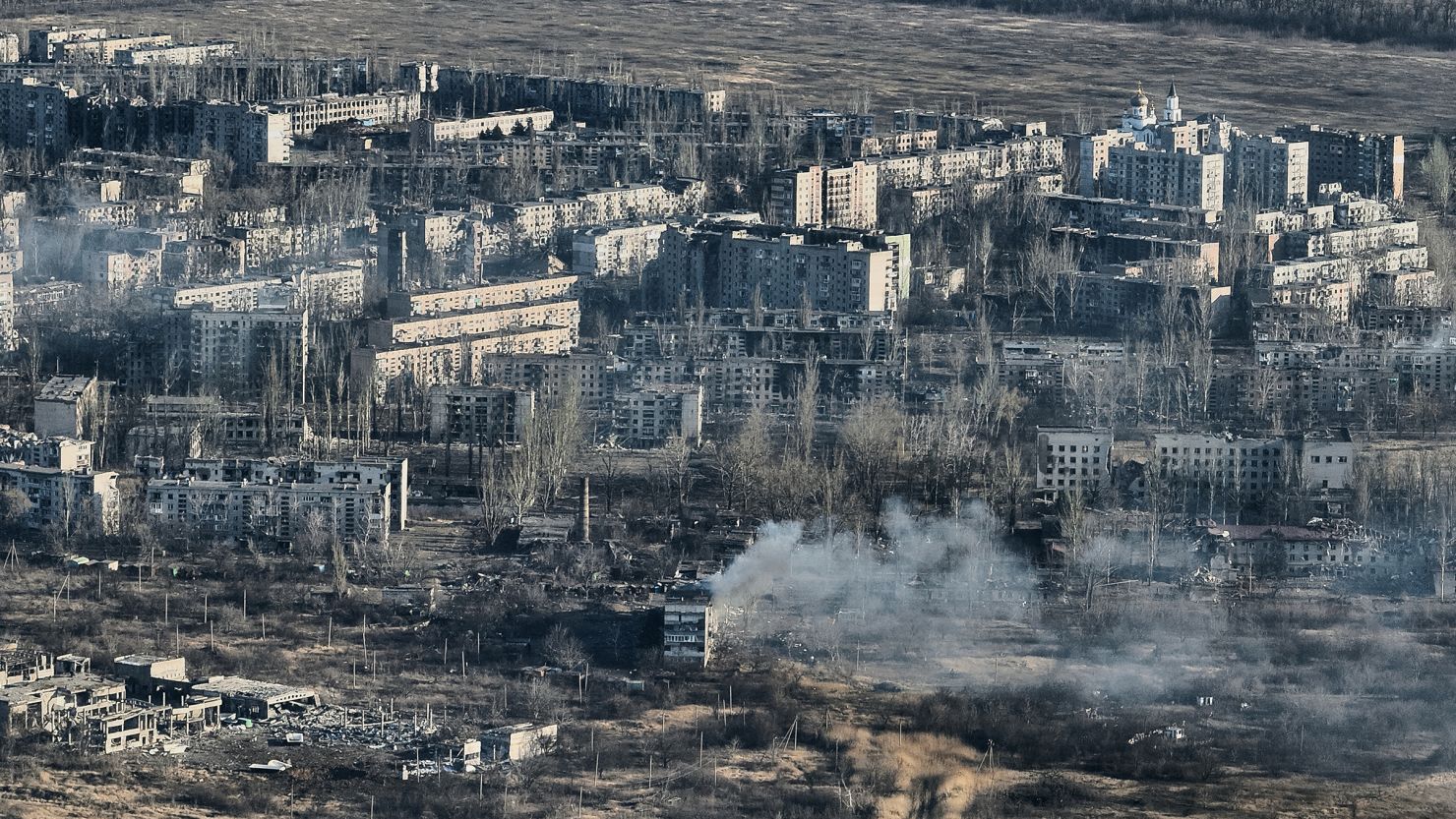
Russian assault piles pressure on fragile Ukrainian defensive line in the east


The Baltimore Bridge Collapse: Conspiracy As Mother’s Milk – OpEd

Deep State, The Revolution In American Foreign Policy And Southeast Europe – OpEd

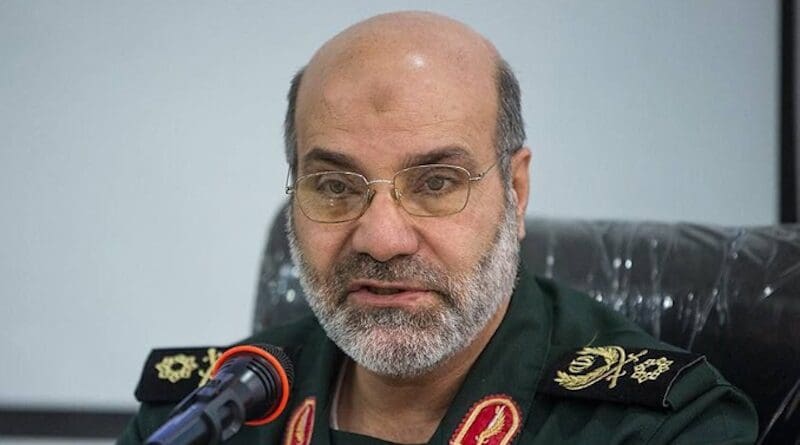
Suspected Israeli Air Strike ‘Flattens’ Iranian Consulate In Damascus, Kills Top Quds Commander

US Was World’s Largest Liquefied Natural Gas Exporter In 2023 – Analysis

Friendshoring the Lithium-Ion Battery Supply Chain
Can We Accelerate Foreign Military Sales? Arm Our Allies Faster?
US Air Force tests drone mesh network
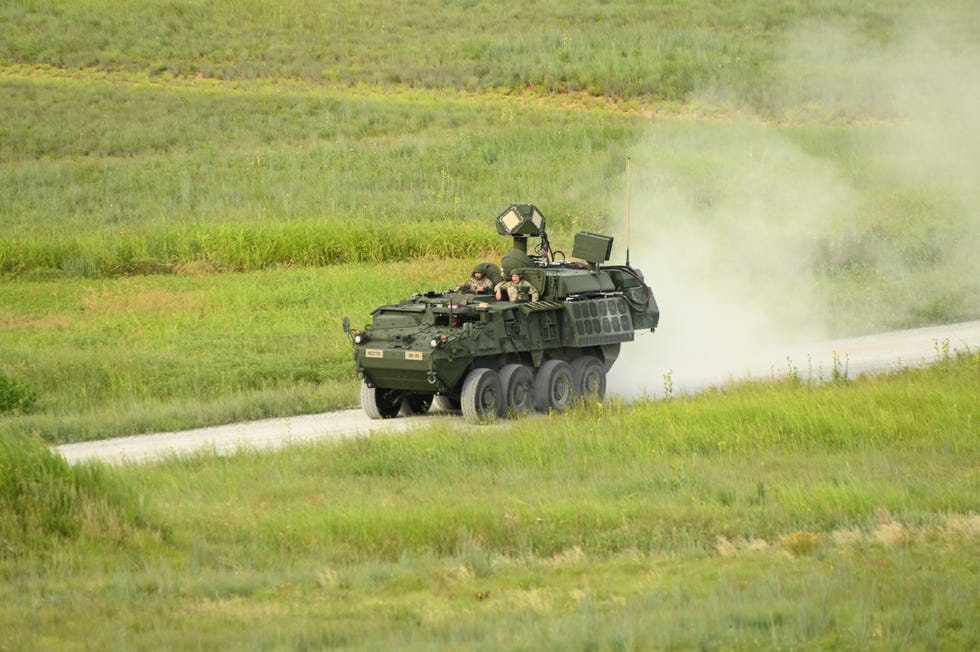
The Army’s Menacing Laser Weapon Has Finally Beamed to the Battlefield

- The U.S. Army has sent its latest air defense system, armed with high powered lasers, to Iraq.
- The DE M-SHORAD system uses lasers to destroy or disable enemy drones, rockets, and artillery.
- U.S. forces in Iraq, Syria, and Jordan have faced more than a hundred attacks from drones and artillery that killed three soldiers and wounded dozens more.

The Rafah conundrum: Crafting an effective strategy to crush Hamas

The Biggest Cybersecurity Issues and Challenges in 2024
- Evolving Capabilities: Ransomware operators are constantly working to optimize and improve their attacks. The introduction of intermittent encryption, breach-only attacks, and advanced evasion techniques make these attacks more difficult to detect and shut down before damage is done.
- Zero-Day Exploitation: In 2023, CL0P stood out for its use of zero-day vulnerabilities to perform large-scale ransomware attack campaigns. The group commonly targets file transfer tools (GoAnywhere, MOVEit, and Accellion’s File Transfer Appliance) to perform attacks that impact hundreds or thousands of organizations at a time. Other groups using zero-days for ransomware attacks include Akira, Lockbit, DarkCasino, and Nokoyawa.
- Selective Targeting: Ransomware groups are increasingly selecting their targets for maximum impact. Companies with large numbers of customers or the potential to spread ransomware to other organizations are prime targets because they maximize the potential payoff of the attack.
A stealth attack came close to compromising the world’s computers