Sandor Fabian
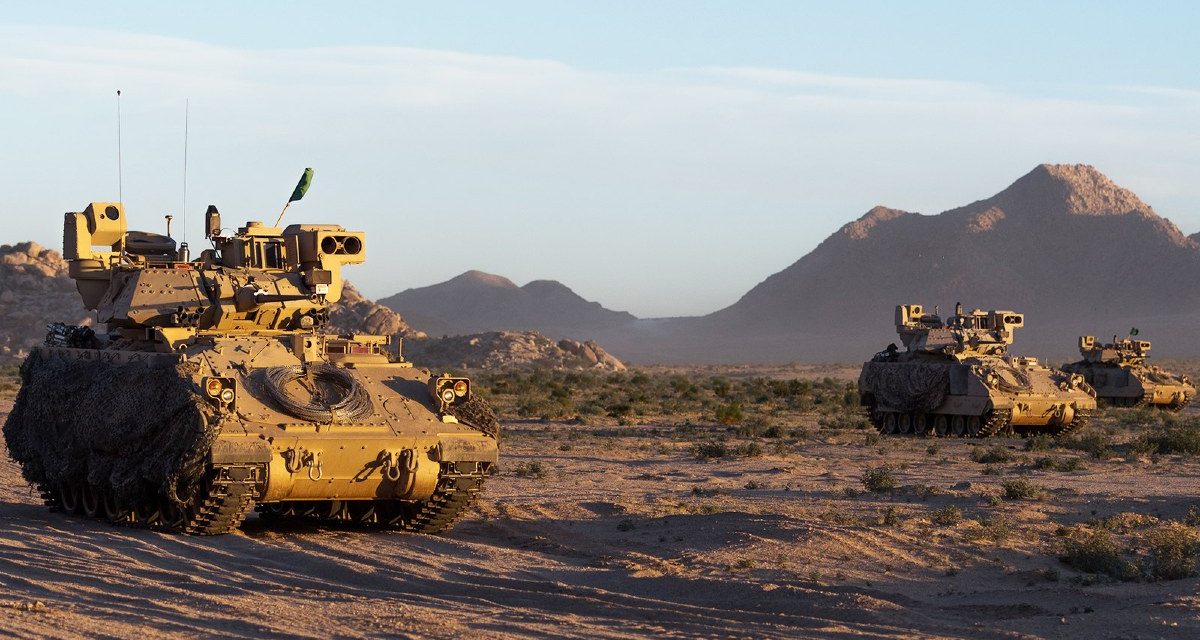
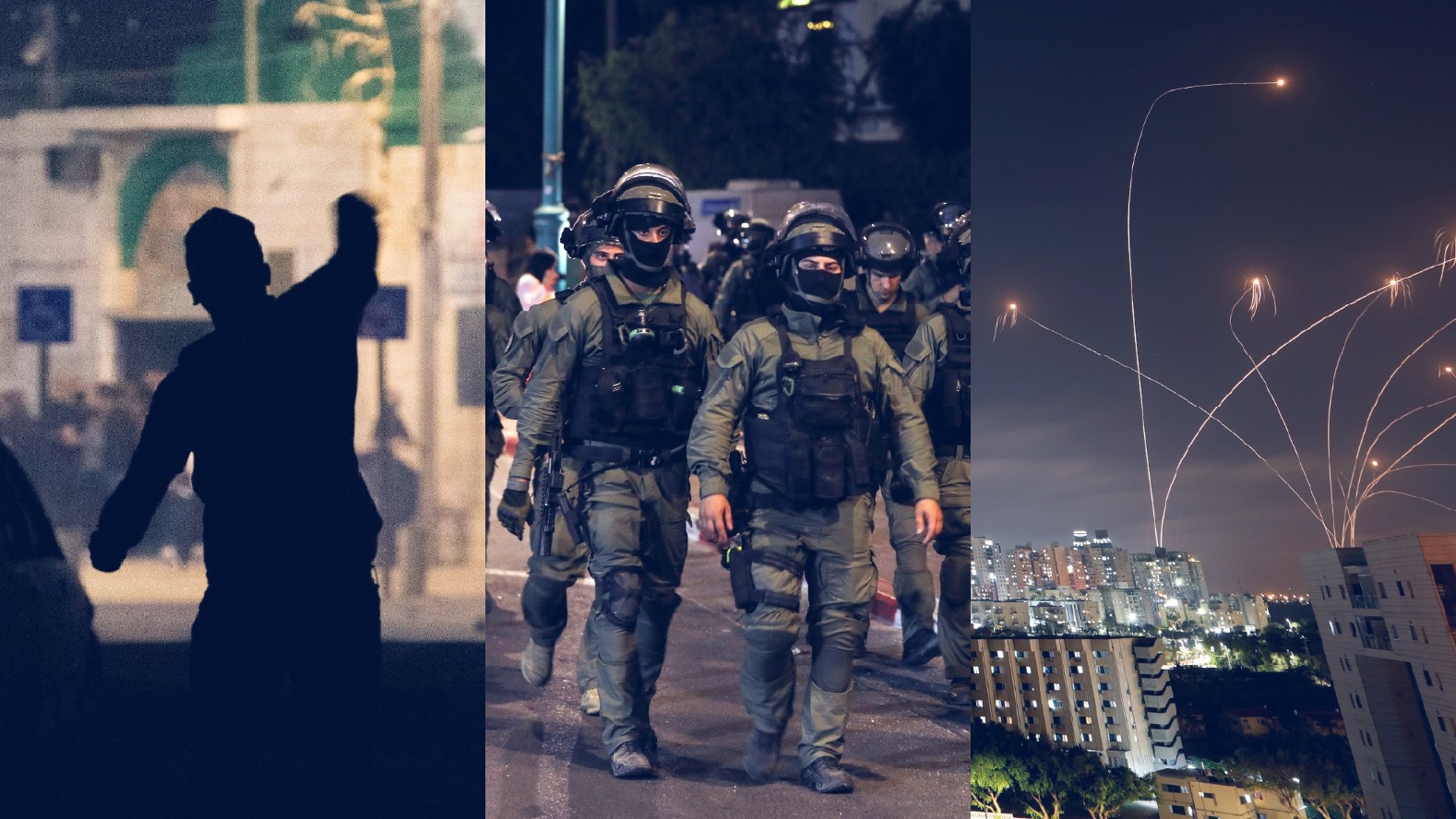
The 2018 US National Defense Strategy (NDS) signals a major shift for the US military from irregular warfare toward developing capabilities for conventional wars against near-peer and peer competitors. Recent events such as the Russian military buildup along the Ukrainian border and the provocative Chinese naval and air activities near Taiwan seem to support such realignment of US military capabilities. At the same time, the 2020 Irregular Warfare Annex to the 2018 NDS suggests that irregular warfare capabilities must remain core competencies of the military because the US conventional overmatch will encourage both state and nonstate adversaries to seek indirect approaches to challenge the United States and its allies. Conflicts in Syria, Yemen, Libya, Iraq, Afghanistan, and Ukraine are examples of how both state and nonstate adversaries have used irregular warfare to advance their strategic goals.
Many argue that this debate is the most important US defense policy question of our day because the answer will determine the direction of long-term military capability development for the United States and its partners. However, the current debate is not an optimal way to inform long-term military capability development because its foundations are faulty.














/cloudfront-us-east-1.images.arcpublishing.com/mco/R5AOCWP53FDMREGBA4JR6U5K6U.jpg)







/cloudfront-us-east-1.images.arcpublishing.com/mco/MT2RAFDZWVH7LEE64JORPEW3LM.jpg)