Andrew Maher
“Nothing becomes a General more than to anticipate the Enemy’s plans.”
— Niccolò Machiavelli, The Discourses, Book 3, Verse 18.
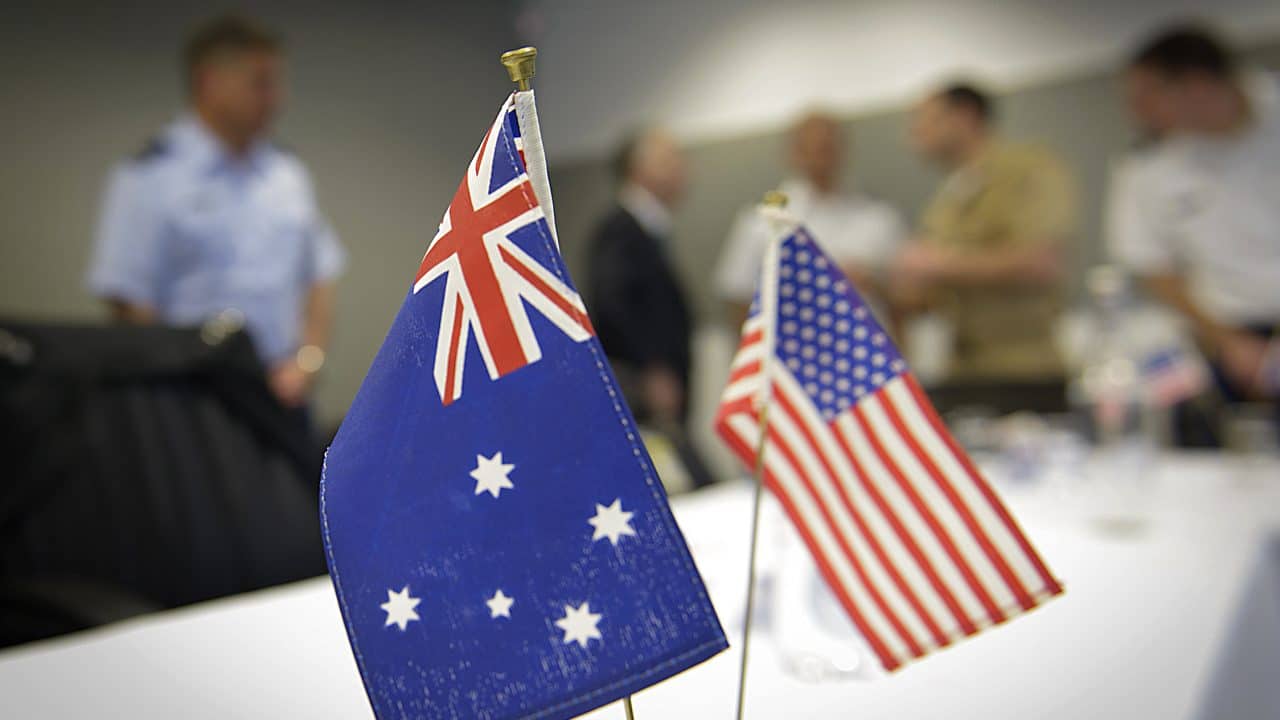 The term “grey zone” was a curious absentee from this year’s Australian Defence Strategic Review (DSR). Nor were similar terms, like “political warfare,” “subversion,” or “irregular warfare,” even once mentioned. This absence is notable given the prominence afforded in the earlier Defence Strategic Update(DSU), where grey zone was defined as one of a range of terms used to describe “activities designed to coerce countries in ways that seek to avoid military conflict.” The DSU identified that such activities are occurring now, a conclusion reinforced by a recent study of China’s strategy of political warfare by the Centre for Strategic and International Studies. CSIS argues that “China is conducting an unprecedented campaign below the threshold of armed conflict,” using what the American Enterprise Institute described as “persuasion, coercion, and compellence.” In other words, grey zone activities are occurring now with unprecedented frequency and purpose.
Despite the purpose of the DSR being to respond to a state of increasing competition in the Indo-Pacific region, the DSR has seemingly ignored the nature of that competition.
The resultant dilemma is a grey zone gap that requires an educational, bureaucratic, and cultural response to grey zone activities, or “comprehensive coercion.” This, as Machiavelli indicates above, implies a need for leadership. That leadership has been provided by Ross Babbage and David Stillwell, who explore the issues associated with the Chinese Communist Party’s use of political warfare on the IWI podcast.







:quality(70)/cloudfront-us-east-1.images.arcpublishing.com/archetype/T2H62V6BKFHJZGBBAOJADH2I4Q.jpg)