The United States perspectively seems headed for an inglorious military exit from Afghanistan prompted not by any significant military failures against Taliban but a military exit ordered by US President Trump for reasons politically expedient related to his bid for re-election as US President for a second term in 2010.The Profession of Arms: A Guide for Young Army Officers
It takes courage, especially for a young officer, to check a man met on the road for not saluting properly or for slovenly appearance, but, every time he does, it adds to his stock of moral courage, and whatever the soldier may say, he has respect for the officer who does pull him up.
Read Document →The Dragon's Teeth: Assessing China's Military Modernization
PLA has focused on modernising its capabilities across all warfare domains to achieve these goals. This includes land, air, and maritime operations, nuclear, space, counter-space, electronic warfare and cyberspace operations, aiming to become a fully integrated joint force.
Read Document →Transforming the PLA: A Decade of reorganisation from SSF to ISF
PRC has engaged in a sustained and broad effort to transform the PLA from an infantry-heavy, low-technology, ground forces-centric military into a high-technology, networked force with an increasing emphasis on joint operations and naval and air power projection.
Read Document →Eyes without Borders: Exploring the World of Open Source Intelligence (OSINT) in the Digital Age
Open Source Intelligence (OSINT) is gaining prominence with the rise of social media, the digital society and the vast growth of publicly and commercially available information (PAI and CAI).
Read Document →
The PLA’s Developing Cyber Warfare Capabilities and India's Options
Informationised warfare blurs the lines between peacetime and wartime. A nation in the information age cannot wait for the hostilities to break out to collect intelligence, carryout influence operations, develop antisatellite systems or design computer software weapons.
Read Document →
Galwan and After
Why did China did this when he is under tremendous pressure in all fronts, is this China's salami slice tactics being progressed rigorously, what will be new Rules of Engagement, what will be escalatory control mechanism, who has taken this decision, will there be some pressure put by China in India's North-East through insurgency.
Read Document →
India’s Joint Doctrine for Cyberspace Operations: A Critical Review
Chief of Defence Staff (CDS) General Anil Chauhan and Secretary, Department of Military Affairs, formally released declassified versions of the Joint Doctrines for Cyberspace Operations during the Chiefs of Staff Committee meeting in New Delhi.
Read Document →
Know your Enemy General(now Field Marshal) Syed Aseem Munir
Gen SA Munir's position in the hierarchy of Pakistan was not very comfortable. The state of economy, insurgency in Pakhtoonistan and Balochistan, attack on the Jaffar Express, constant protests by supporters of Imran Khan's supporters inside and outside of parliament.
Read Document →
Decoding Operation SINDOOR: Key Aspects and Implications
Precision strikes were carried out on nine sites—four in Pakistan and five in PoK—linked to anti-India terrorist groups such as the LeT, JeM and the Hizbul Mujahideen. The targeted sites included Muridke (LeT headquarters) and Bahawalpur (JeM headquarters).
Read Document →
Chinese Cyber Exploitation in India's Power Grid - Is There a linkage to Mumbai Power Outage?
The New York Times (NYT), based on analysis by a U.S. based private intelligence firm Recorded Future, reported that a Chinese entity penetrated India’s power grid at multiple load dispatch points. Chinese malware intruded into the control systems that manage electric supply across India, along with a high-voltage transmission substation and a coal-fired power plant
Read Document →9 August 2019
Afghanistan: The Day After US’ Inglorious Exit 2020 – OpEd
The United States perspectively seems headed for an inglorious military exit from Afghanistan prompted not by any significant military failures against Taliban but a military exit ordered by US President Trump for reasons politically expedient related to his bid for re-election as US President for a second term in 2010.Trump's Fawning Over Pakistan's Prime Minister Strains Ties with India
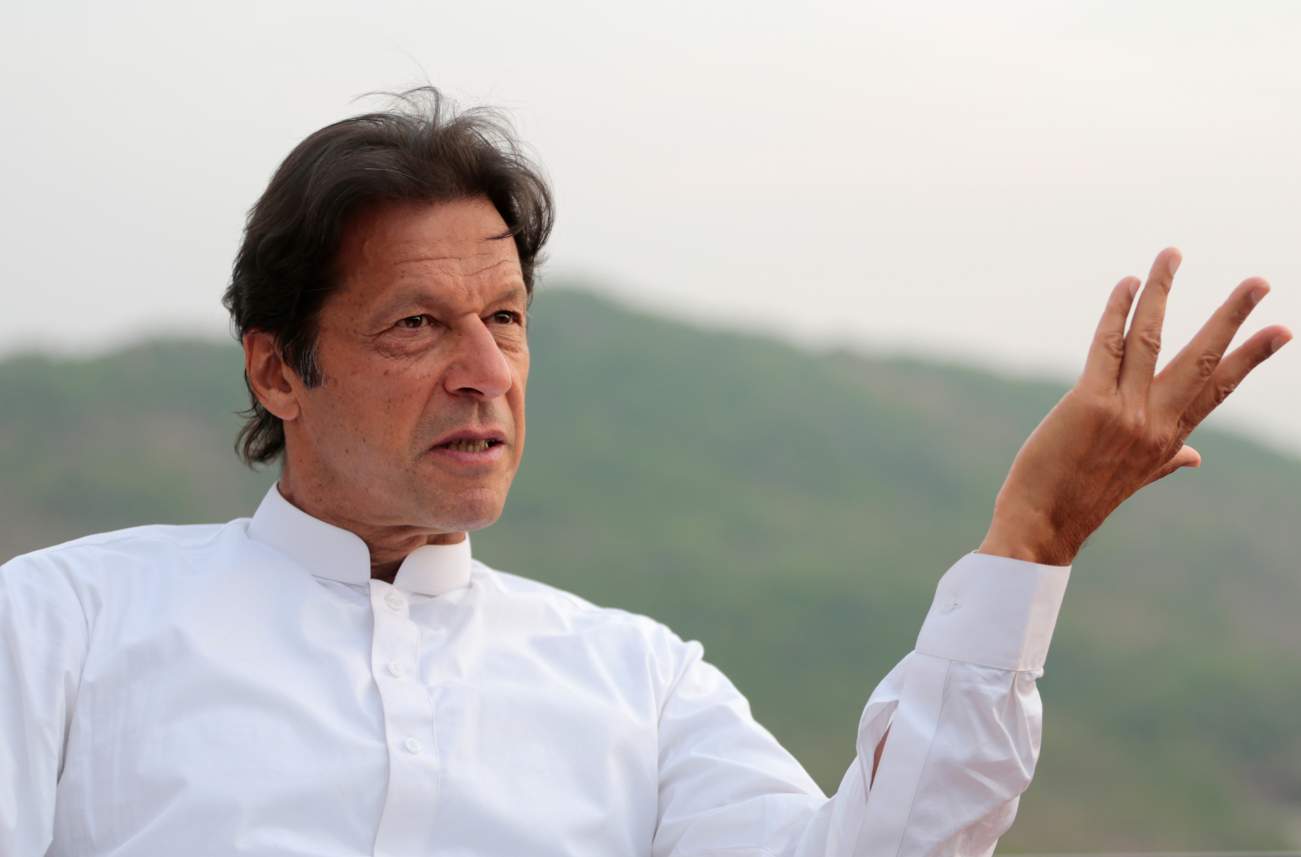
In his visit to Washington, Imran Khan came out as the winner by having successfully outplayed India and avoided a browbeating by the United States over Afghanistan.The Army experiment with the network in Afghanistan
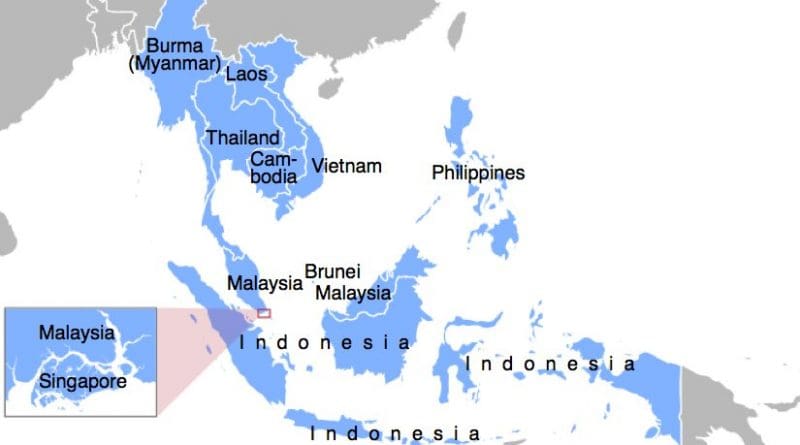
The Army is using brigades in Afghanistan to test a new sustainment concept for the upcoming tactical network. Army brigades in Afghanistan are testing a new set of rules on when to replace and refurbish equipment related to the service’s battlefield network.ASEAN’s Indo-Pacific Dilemma: Where To From Here? – Analysis

China Vows to Counter US Deployment of Midrange Missiles in Asia
With the INF officially lapsed, Beijing warns it will take action should the US deploy previously banned missiles to the Asia-Pacific.China, Mexico and US Trade
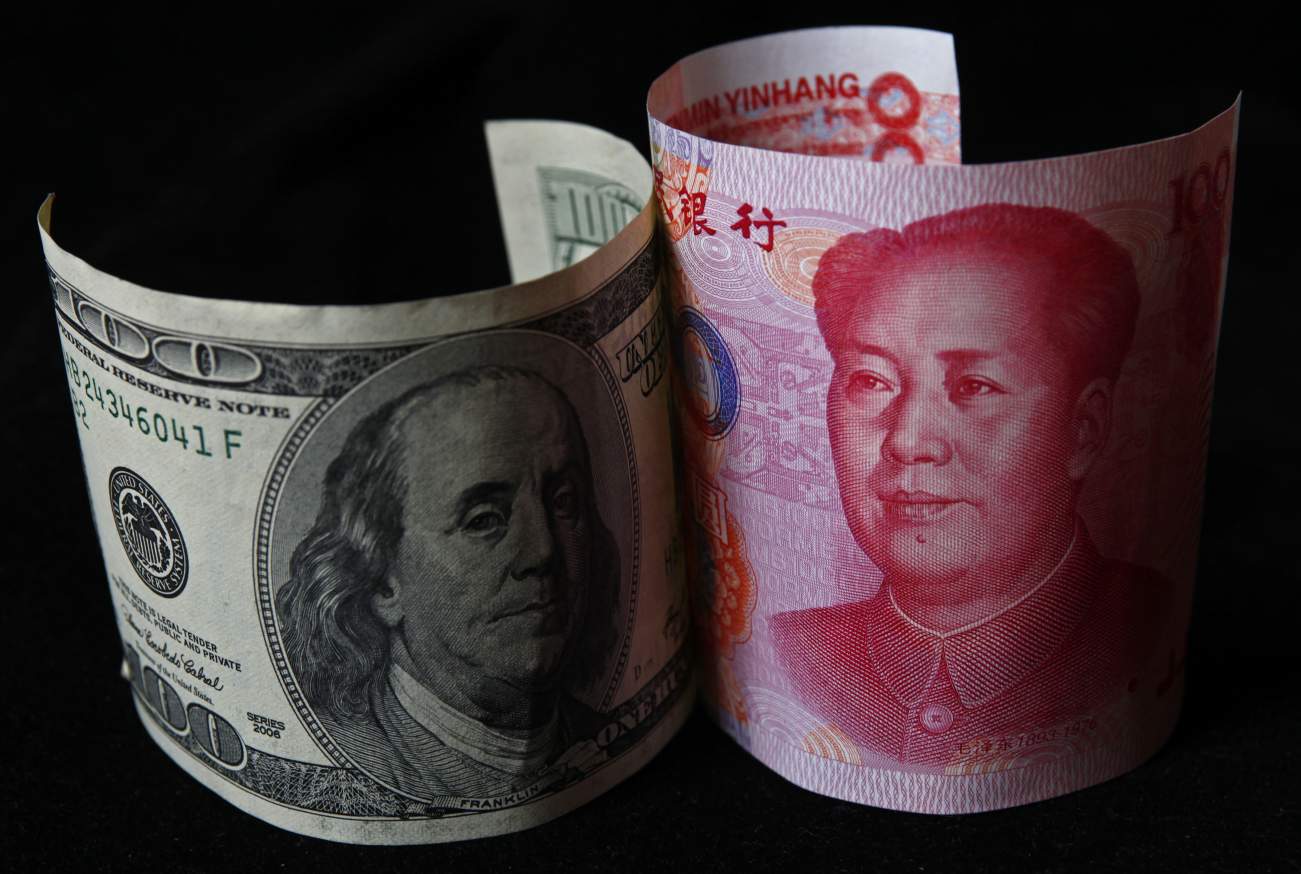
Last week, it was widely reported that in the first half of 2019 Mexico replaced China as the United States’ top trade partner. China is now in third place, while Canada is in second. There has been a great deal of discussion in the media about what this means for U.S.-China economic relations. Much less attention has been devoted to what this new alignment means for economic relations within North America.China’s Currency Moves Escalate Trade War, Rattling Markets
Trump Doubles Down On The China Trade War
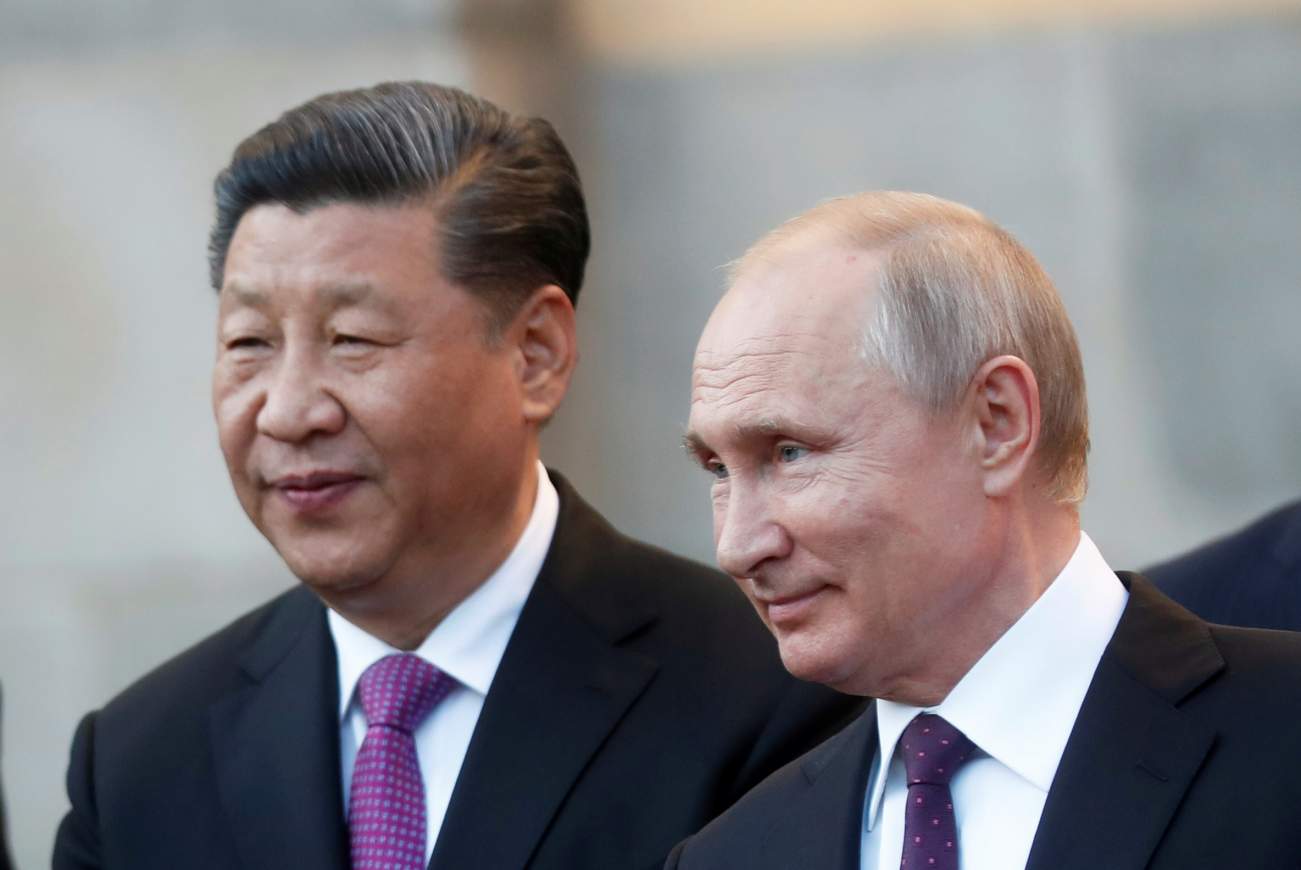
Why the China-Russia Alliance Won't Last
China and the Difficulties of Dissent
Over the last couple of weeks, a small but dedicated band of free speech advocates at the University of Queensland (UQ) have managed to catch the attention of the international media with their protests against the Chinese government. The struggles of the protest organisers have a significance far beyond university campuses, as the recent media attention devoted to China’s influence over our politicians, technology, infrastructure, and educational programs demonstrates. The recent campus protests provide a timely reminder of the difficulties of dissenting from the entrenched orthodoxy that China’s rise is benign or even beneficial for Australia and the wider West.Chinese State Hackers Suspected Of Malicious Cyber Attack On U.S. Utilities
What’s Next for China’s Political Economy?
China's Strategic Situational Awareness Capabilities
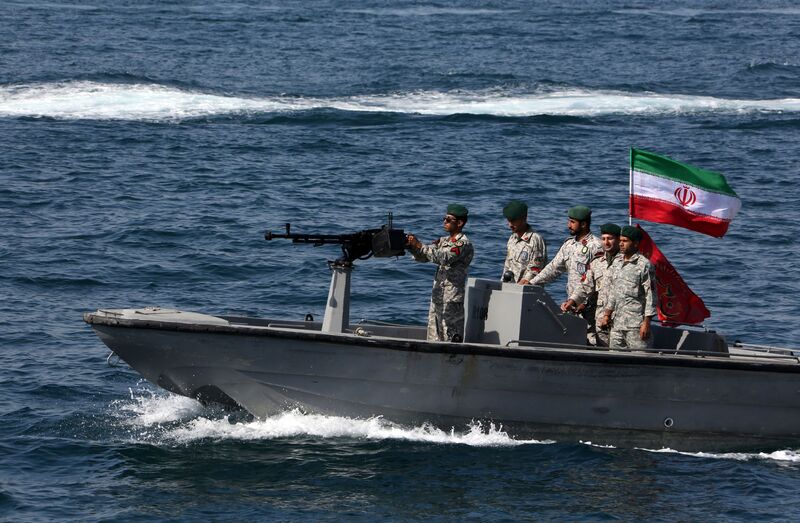
What Iran Will Do Next, and How to Stop It
The U.S. and its European allies must get ready to sweep mines, escort tankers, launch cyberattacks and, perhaps, sink Iranian ships.Why the U.S. Will Struggle to Reduce Its Military Commitments Abroad
Sanctions: The New Economic Battlefield
How Fishing Boats Have Become Warships
Deep-sea fishing charters are a staple of most American coastal marinas—from Miami to the San Francisco Bay. Boats loaded with fuel and fun rock their way out on gentle waves to open waters and ocean sunsets. Summer freedom at its finest.Taliban say differences resolved on US troop withdrawal
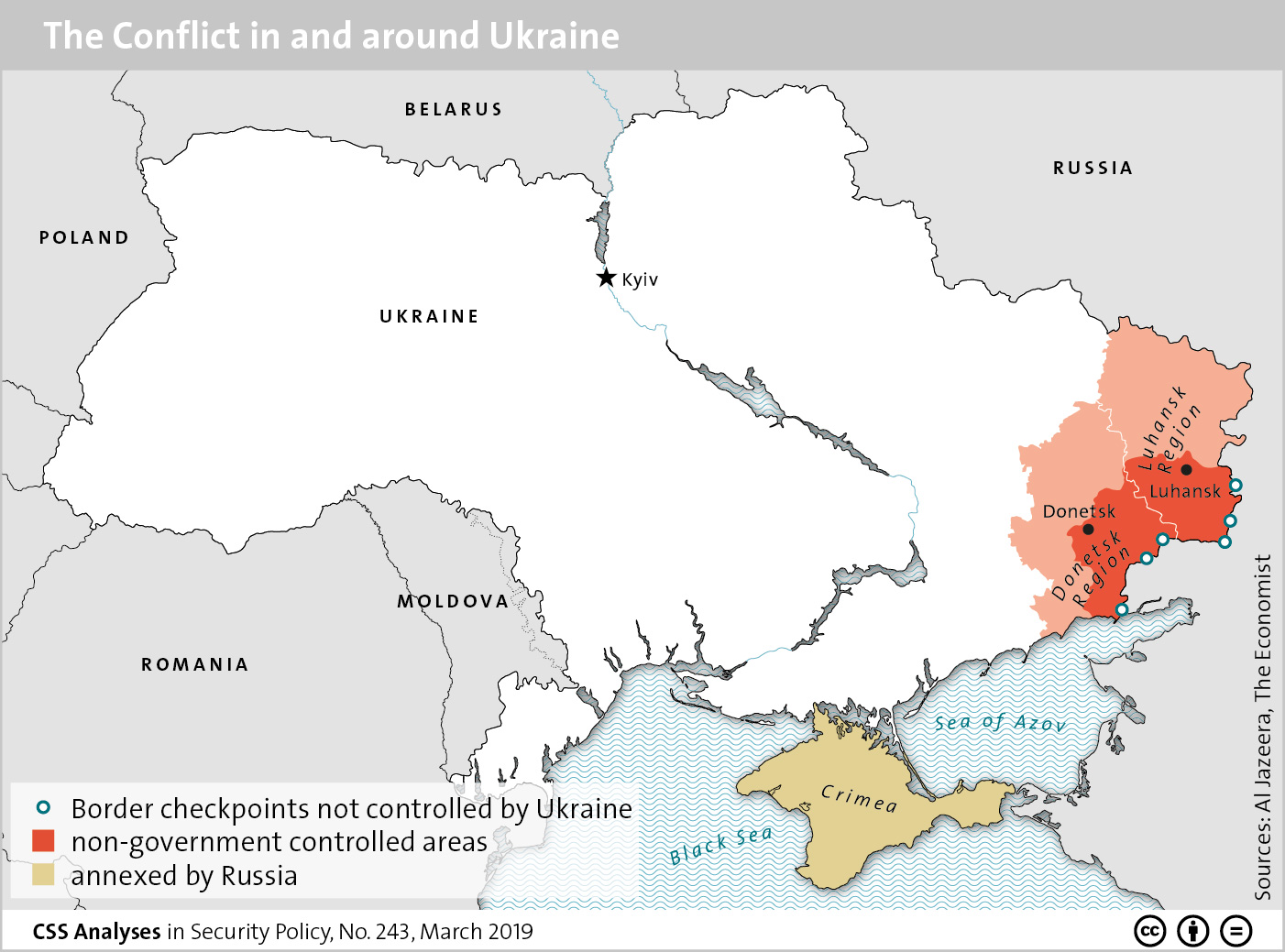
The United States and the Taliban have resolved differences in peace talks over the withdrawal of American troops from Afghanistan and guarantees from the insurgents that they will cut ties with other extremist groups, a Taliban official said Tuesday.The Conflict in and around Ukraine

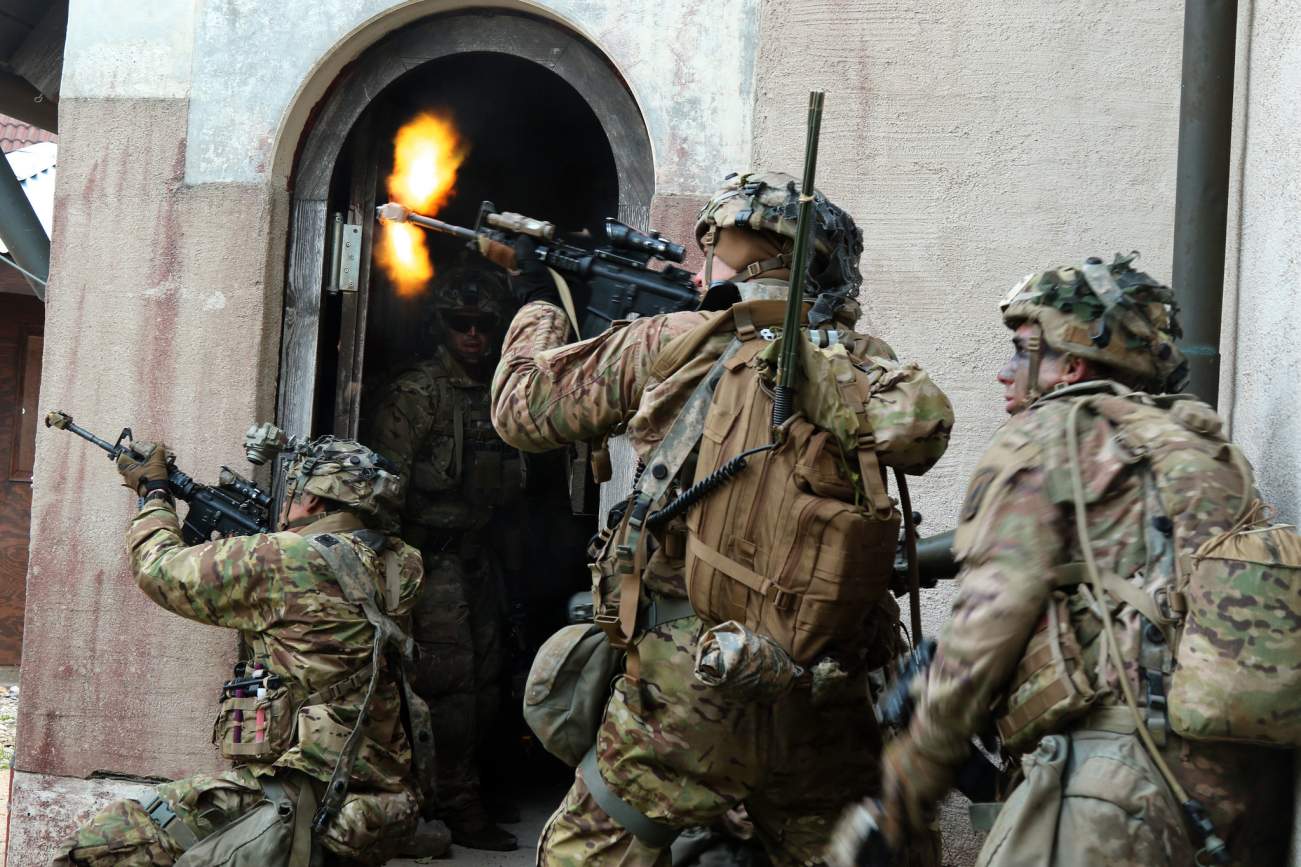
Europe Needs to Calculate for the U.S. Military's Shortcomings
European governments can either think very hard about the obvious implications stemming from the United States’ inability to fight two major powers at the same time or neglect them altogether.Can artificial intelligence help society as much as it helps business?
North Korea took $2 billion in cyberattacks to fund weapons program: U.N. report
From the Gulf to Egypt, Foreign Powers Are Playing With Fire in Sudan
A cast of foreign actors is seeking to shape Sudan’s incomplete political transition after the fall of longtime President Omar al-Bashir, each nudging it in the direction they favor. Their competing agendas are complicating negotiations between the ruling Transitional Military Council and civilians in the pro-democracy movement represented by the Forces for Freedom and Change. The two sides reached a major agreement on July 5 to jointly manage a three-year transition to civilian rule, and there was a recent breakthrough on Aug. 4, as they finalized that July deal and thrashed out its details. Yet the transition remains fragile and vulnerable to spoilers.Why Doctors Should Organize Meeting the challenges of modern medicine will require more than seeing patients.
Iran’s Focus: Cyberwarfare and Retaliation on the West
Infographic Of The Day: Is Your Government Requesting User Data From Tech Giants? - Part 1
Artificial intelligence in America’s digital city
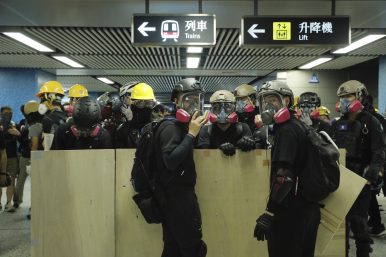
Protests, General Strike Bring Hong Kong to a Standstill
Civ-Mil in Danger? Blame the Pundits, Not the Academies
I teach civil-military relations at the U.S. Military Academy at West Point. While searching for readings for an elective course taught in the spring semester, I came across a 2010 article written in the L.A. Times, "An increasingly politicized military." One passage stood out:When should the Army’s cyber school teach information warfare?
Each of the U.S. military services are reorganizing under a banner of information warfare, a subject area that often includes cyber, electronic warfare, signals intelligence and information operations. But, now, the Army’s cyber school is struggling to figure out how — and when — to teach those disciplines.