CSIS
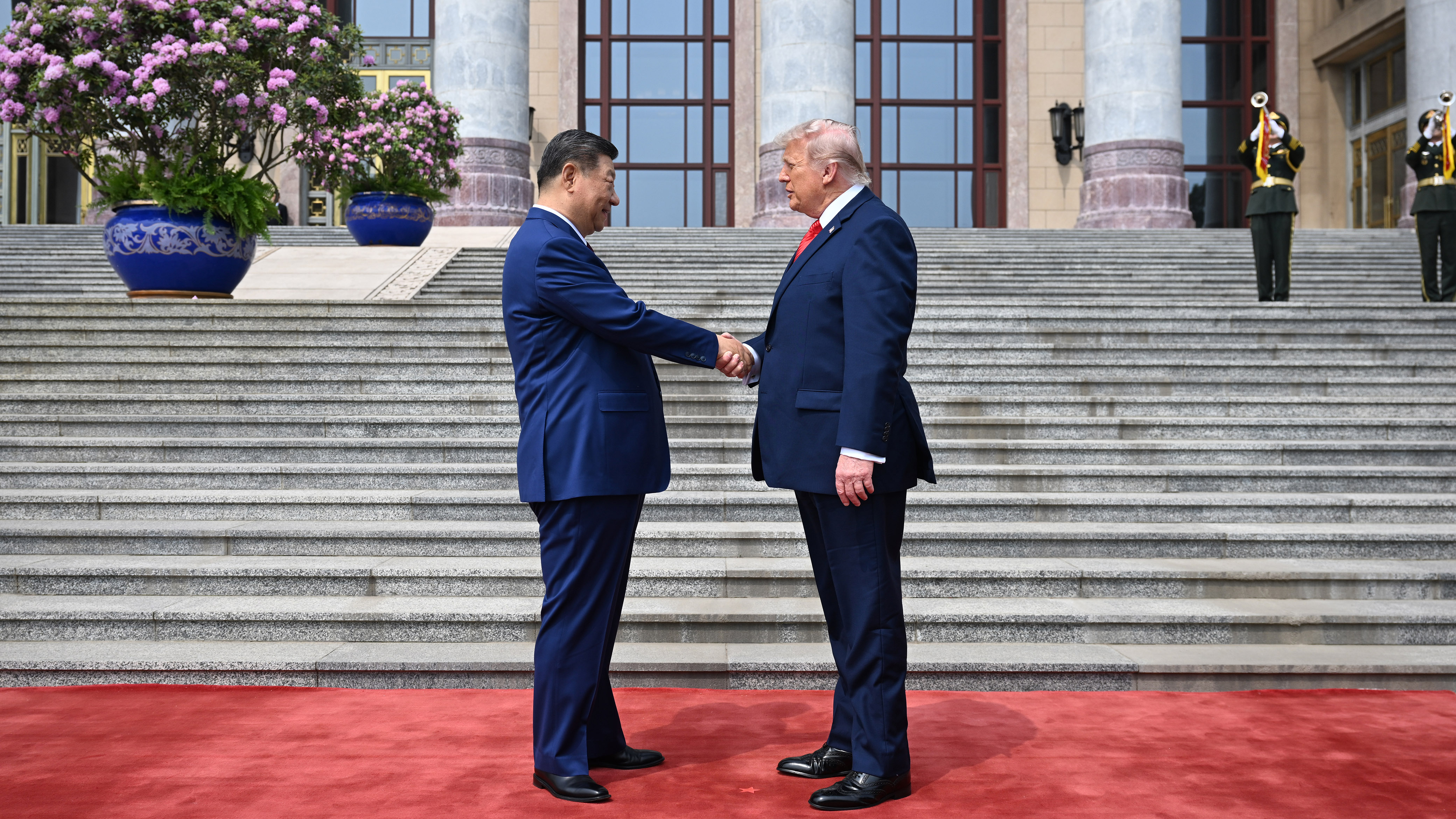 The recent Trump-Xi summit in Beijing, the first since 2017, publicly addressed trade, Taiwan, and the Iran conflict, but largely omitted critical U.S.-China technology competition dynamics. While artificial intelligence (AI) and cybersecurity briefly surfaced, discussions on core disputes like chip export controls were minimal, despite Nvidia CEO Jensen Huang's presence and the ongoing H200 chip sales impasse.
President Trump's surprising acknowledgment of U.S. offensive cyber capabilities, equating them with China's, contrasted with intelligence community assessments identifying China as the "most active and persistent cyber threat," particularly concerning the Volt Typhoon campaign. Unresolved issues include structural AI challenges, such as developing advanced models while mitigating security risks, and the effectiveness of U.S. export controls given China's pursuit of self-sufficiency. Surveillance and privacy risks from Chinese connected vehicles, seen as sophisticated intelligence collection platforms, also went unaddressed, despite new bipartisan legislation and federal rules banning Russian and Chinese software from U.S. vehicles.
The recent Trump-Xi summit in Beijing, the first since 2017, publicly addressed trade, Taiwan, and the Iran conflict, but largely omitted critical U.S.-China technology competition dynamics. While artificial intelligence (AI) and cybersecurity briefly surfaced, discussions on core disputes like chip export controls were minimal, despite Nvidia CEO Jensen Huang's presence and the ongoing H200 chip sales impasse.
President Trump's surprising acknowledgment of U.S. offensive cyber capabilities, equating them with China's, contrasted with intelligence community assessments identifying China as the "most active and persistent cyber threat," particularly concerning the Volt Typhoon campaign. Unresolved issues include structural AI challenges, such as developing advanced models while mitigating security risks, and the effectiveness of U.S. export controls given China's pursuit of self-sufficiency. Surveillance and privacy risks from Chinese connected vehicles, seen as sophisticated intelligence collection platforms, also went unaddressed, despite new bipartisan legislation and federal rules banning Russian and Chinese software from U.S. vehicles.
No comments:
Post a Comment