John S. Van Oudenaren
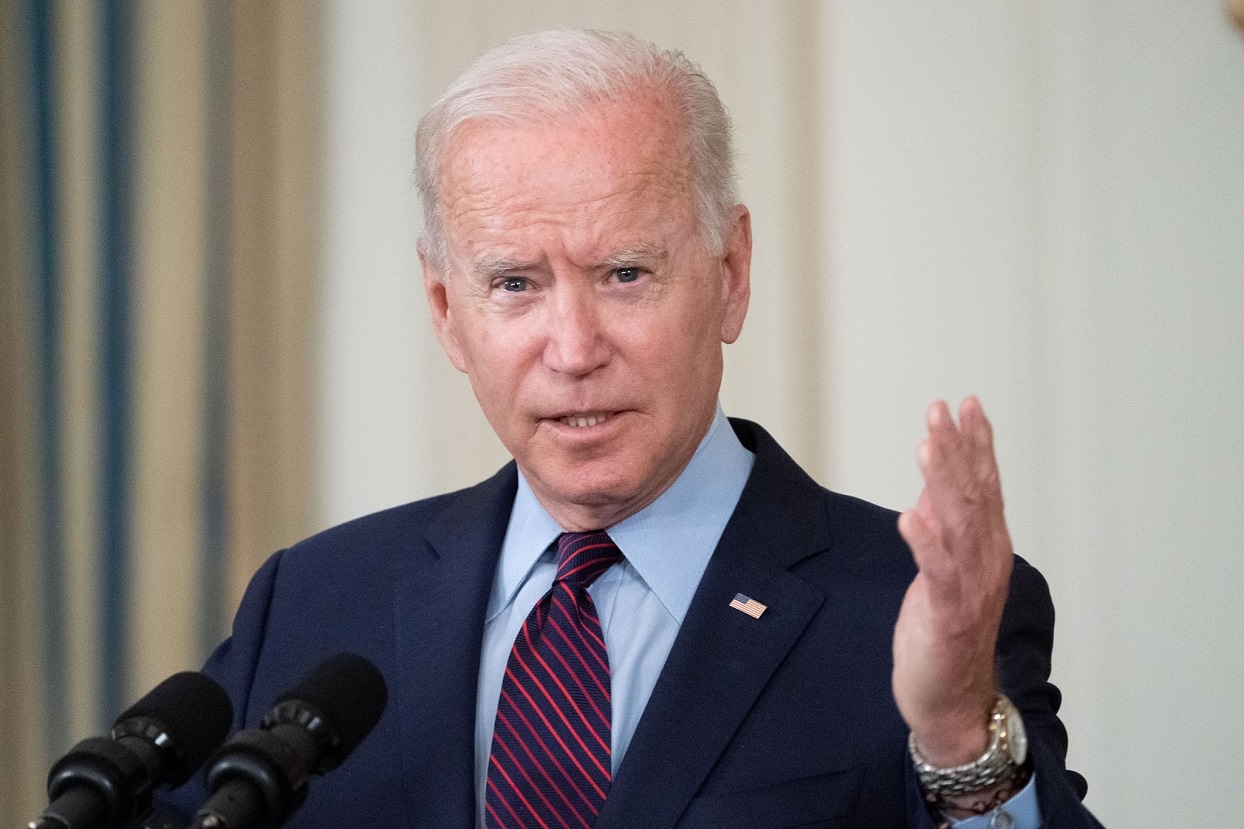
China is sharply critical of the US-India-Japan-Australia quadrilateral security dialogue (the Quad), and the recently launched Australia-US-UK agreement (AUKUS), charging that these evolving security groupings are destabilizing Asia and the world. Per Beijing, “closed and exclusive cliques” (搞封闭排他的小集团, gao fengbi paitai de xiao jituan) like the Quad stem from the US and its security partners’ lingering “Cold War mentality”(冷战思维, lengzhan siwei) as opposed to China’s self-proclaimed non-hegemonic approach to world affairs that follows the path of “peaceful, open, cooperative and common development.” (和平发展、开放发展、合作发展、共同发展的道路, heping fazhan, kaifang fazhan, hezou fazhan, gongtong fazhan de daolu). (Global Times, May 19; FMRPC, March 23; Xinhua, September 22, 2020). In a retort to US President Biden’s September UN General Assembly claim that the US does not seek a new Cold War, the state-affiliated Global Times countered that Biden’s “actual policy” is to “shift culpability for the onset of the new Cold War to China and other parties.” (Global Times, September 22).
To press the case that the US and its security partners are driving a “New Cold War” in Asia, China plays on Southeast Asian states’ general anxieties over the increasingly competitive security environment in the region. Beijing has also promoted the notion that the Quad and AUKUS will supplant, rather than compliment, Association of Southeast Asian Nations (ASEAN) centrality in regional affairs. For example, in a September 29 call with the Foreign Ministers of Brunei and Malaysia, Chinese Foreign Minister Wang Yi claimed that AUKUS would harm the Asia-Pacific region in five ways. Wang asserted that the defense pact: 1) heightens the risk of nuclear proliferation; 2) contributes to a regional arms race; 3) undermines regional peace and prosperity that is central to the ASEAN way; 4) violates the South Pacific Nuclear Free Zone Treaty that Canberra has signed, and runs counter to the spirit of the Southeast Asia Nuclear Weapon-Free Zone treaty; and 5) revives a Cold War mentality and ushers in an era of “geopolitical zero-sum games” (People’s Daily, September 29).