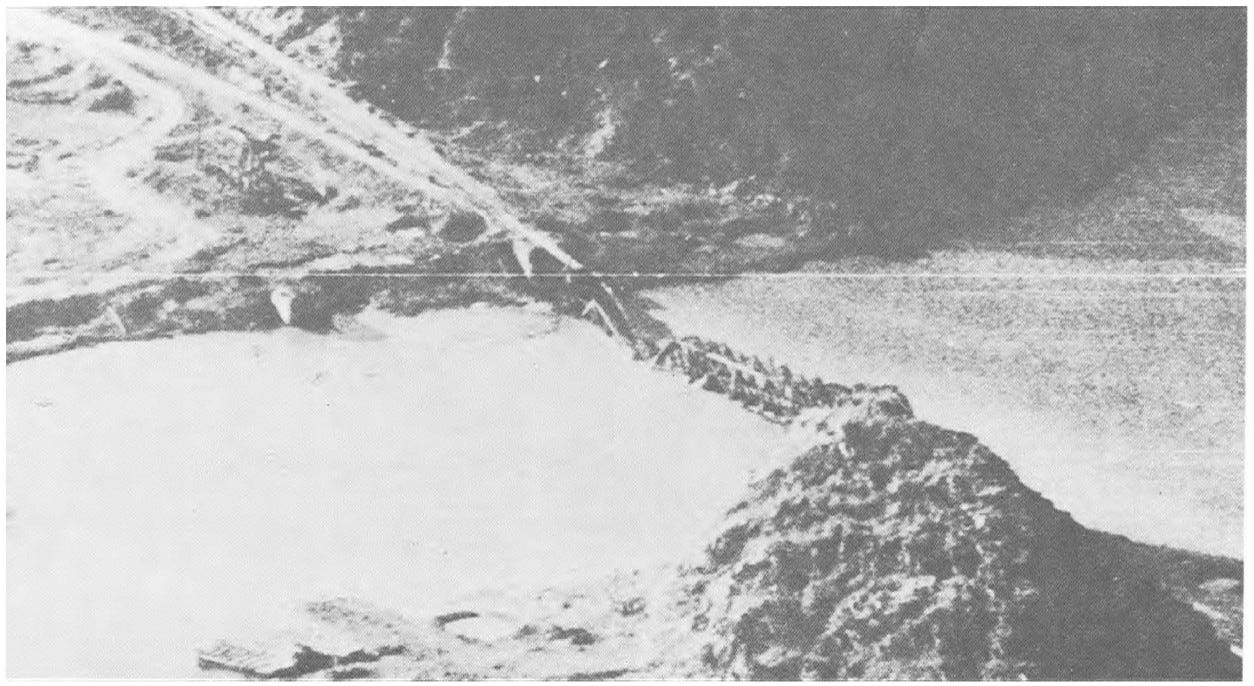
To counter China, Asian militaries build up amphibious forces
Across the Pacific Rim, regional powers are creating new marine infantry units.
Fast, highly-trained and designed for military missions originating from the sea, marines are invaluable for the kinds of conflicts Asian and Pacific nations might fight in the future.
Since 2009, India, Australia and Japan have all announced the creation of seagoing infantry forces.
These units are tiny in comparison to the U.S. Marine Corps. But Asia’s regional powers are not just creating mini-marine forces of their own, they’re buying the landing ships and transport aircraft to carry troops to danger zones and—if necessary—into battle.
It’s an expensive insurance policy for a region where Pacific Ocean shipping lanes serve as economic lifelines. Losing control of these sea lanes will havedire consequences for billions of people.
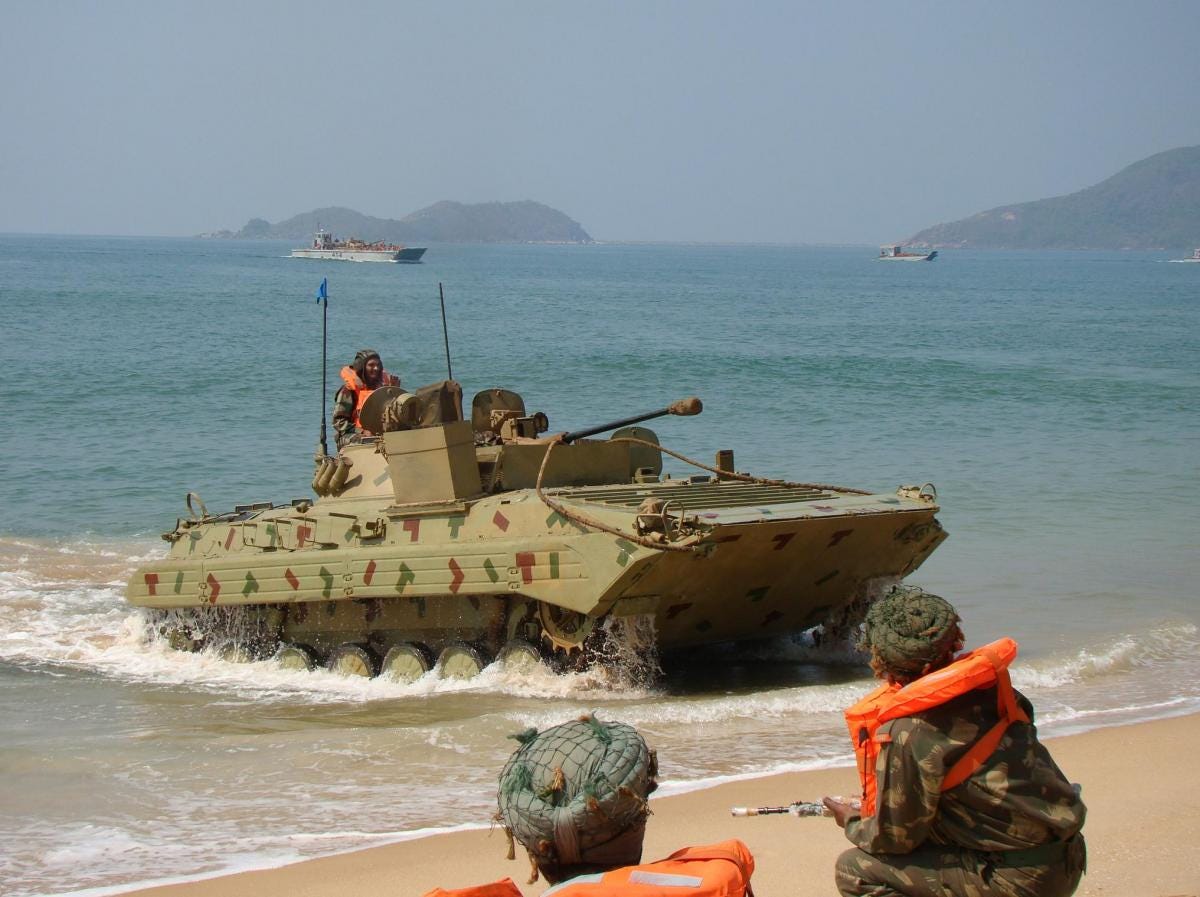
But as these three countries are discovering—there’s a lot to learn when it comes to amphibious warfare.
Naval infantry have existed for thousands of years, and specialized marine units date to the 16th century Spanish Empire. But it’s Asia that spurred the creation of modern marines.
In the years before World War II, Imperial Japanese troops struggled to digest China. The country’s tough coastline—crisscrossed with river systems and water that was much too shallow for harbors—prompted Japan to invent flat-bottomed landing craft, capable of delivering ground forces directly to shore.
After the war, Japan disbanded its entire military, and passed the torch of amphibious operations to the U.S. Marines. As the world’s preeminent amphibious force, the USMC acts as a go-to expeditionary army designed to operate far beyond America’s borders.
The budding Asian marines will likely work in the same fashion, but with a more regional—and less global—focus. Many Asian nations rely on shipping lanes to sustain their economies. These lanes reach through the Straits of Malacca, the Indian Ocean and the Persian Gulf.
These lanes need security. The marines’ likely scenarios include fighting pirates, conducting peacekeeping operations and responding to natural disasters.


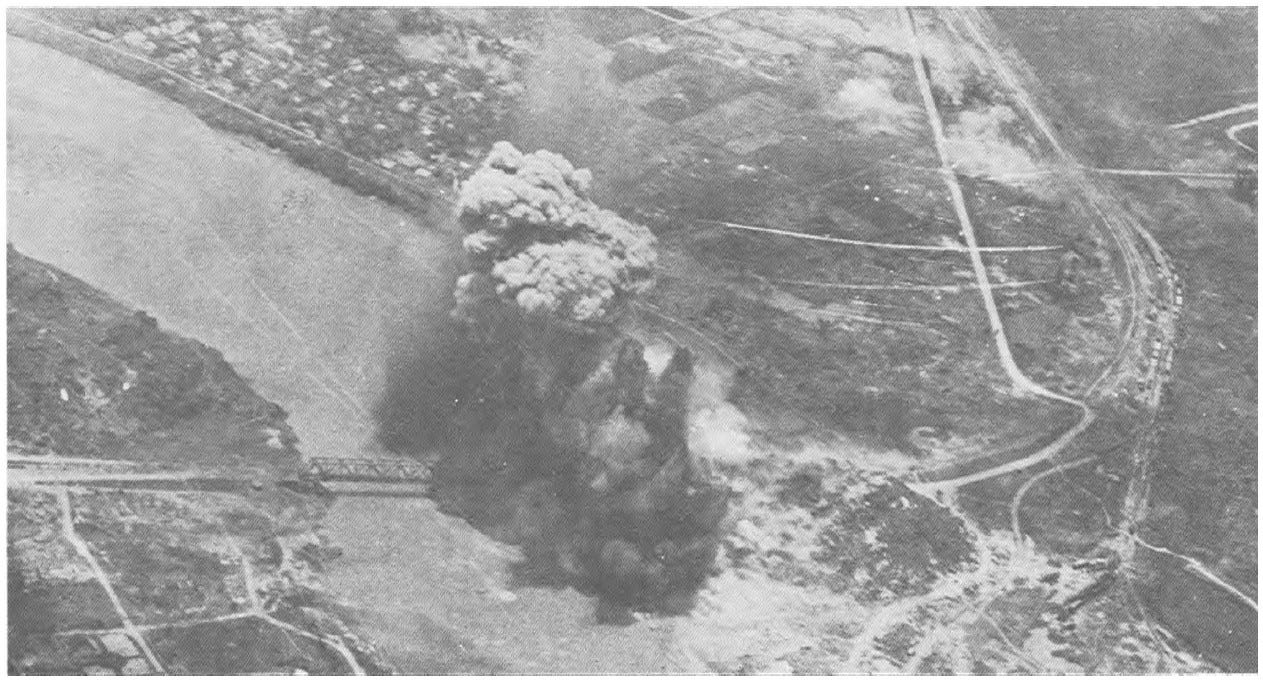 At left—the Thanh Hoa bridge survives an early attack. At right—the Dragon’s Jaw is finally destroyed in 1972. At top—a U.S. Air Force C-130 in Vietnam. Air Force photos