In the past year, sensationalized media coverage of the Islamic State has reinvigorated discussions about how best to counter violent extremism (CVE). Though governments and organizations have been discussing and lightly implementing CVE efforts for years, it remains a concept whose parameters are notoriously ill-defined.
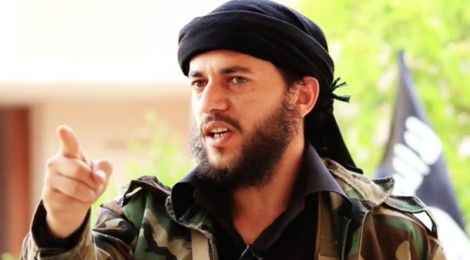 CVE’s largest challenge resides in its definition ― there is no consensus (international or domestic) on what CVE is and what efforts it encompasses. Ongoing efforts to counter violent extremism are beset by little or no research underlying their premises, misconceptions about drivers of radicalization persist, and ultimately there seems no easy way to measure the effectiveness of any given CVE program.
Despite its limitations, conducting CVE programs has merit ― assuming those undertaking it know what is feasible and what is not. For example, though CVE is touted as a longer-term tool for countering terrorism, one that focuses on the drivers of radicalization, it is too often wielded as a quick fix designed to counter the latest terrorist recruitment technique. This quick fix attitude uses CVE as a short-term solution to the detriment of understanding how recruitment and radicalization to violence actually happens. Nowhere is this issue more pronounced than when it comes to countering the terrorist narrative ― a much-heralded and oft-used CVE approach that is nearly boundless in scope.